Scientists rescue seeds from THIS last remaining tree in wild before it goes extinct

&imwidth=600&imheight=450&format=webp&quality=medium "Scientists rescue seeds from THIS last remaining tree in wild before it goes extinct")
Dendroseris neriifolia Photograph: (Wikimedia Commons)
Scientists collected and preserved seeds from the last known wild Dendroseris neriifolia tree in Chile. Seven seedlings have already sprouted, offering hope for saving the species from extinction.
One of the world’s rarest tree species may have been given a second chance at survival. Scientists have managed to successfully collect and preserve seeds from the last known wild specimen growing on a remote Chilean island. The critically endangered tree, Dendroseris neriifolia, is native to the Juan Fernández Islands, a volcanic archipelago located about 673 kilometres (420 miles) off the coast of Chile. Once found widespread across Robinson Crusoe Island, the species has been pushed to the brink of extinction due to habitat loss, invasive species, erosion, grazing animals, fires and historical deforestation. Today, only a single known wild tree remains.
In a major breakthrough for conservation efforts, seeds from the lone survivor have been transferred to the Millennium Seed Bank at Kew Wakehurst in England. Scientists at the facility are conducting germination trials while preserving the seeds for long-term storage.
X-ray examinations showed that 25 of the 29 seeds sent to the seed bank were potentially viable. In promising results, seven seedlings have already begun growing at the Royal Botanic Gardens, Kew, offering hope that the species can be propagated and safeguarded for the future.
“Through this project, we hope to be able to produce more seed from the plants which we have growing now once they reach flowering age,” Alice Hudson, the Millennium Seed Bank partnerships officer at Kew Wakehurst, told Live Science.
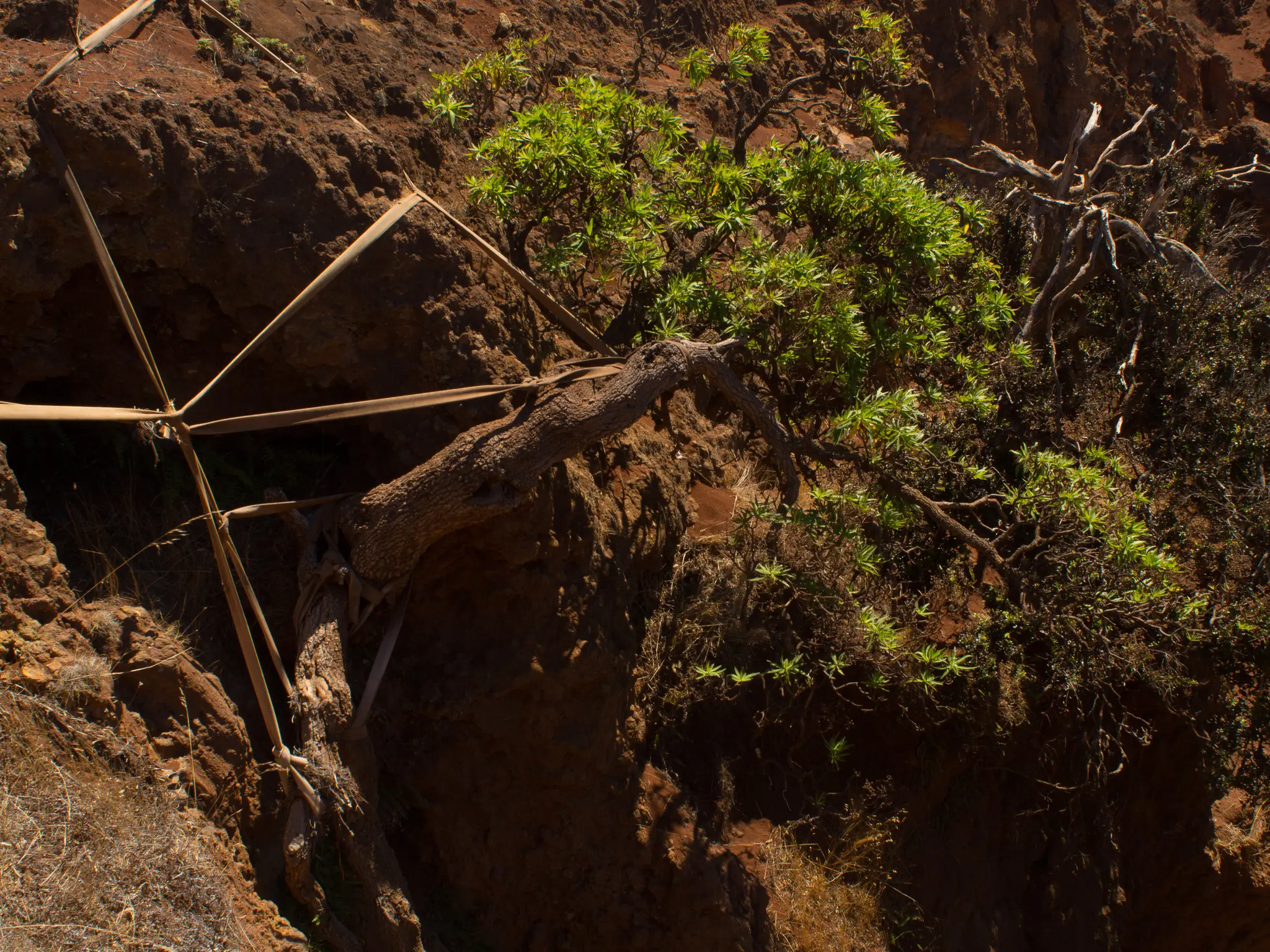
Collecting the seeds was no easy task. The last remaining tree clings to a steep cliff on Robinson Crusoe Island, accessible only after a four-hour journey followed by a challenging two-hour climb. Chilean park rangers must carefully navigate the rugged terrain and use ropes to reach the tree’s branches during the annual seed-collection season.
Conservationists remain concerned about the species’ long-term prospects. With only one surviving wild individual, genetic diversity is extremely limited, raising the risks of inbreeding and low fertility. However, seed banking provides a crucial safety net. Even if the remaining wild tree is lost, scientists now possess viable seeds and young plants that could help revive the species.
Trending Stories
&imwidth=280&imheight=210&format=webp&quality=medium)
&imwidth=280&imheight=210&format=webp&quality=medium)
&imwidth=280&imheight=210&format=webp&quality=medium)
&imwidth=280&imheight=210&format=webp&quality=medium)
&imwidth=280&imheight=210&format=webp&quality=medium)
&imwidth=280&imheight=210&format=webp&quality=medium)
&imwidth=280&imheight=210&format=webp&quality=medium)
&imwidth=280&imheight=210&format=webp&quality=medium)
&imwidth=280&imheight=210&format=webp&quality=medium)
&imwidth=280&imheight=210&format=webp&quality=medium)
&imwidth=280&imheight=210&format=webp&quality=medium)
&imwidth=280&imheight=210&format=webp&quality=medium)
&imwidth=280&imheight=210&format=webp&quality=medium)
&imwidth=280&imheight=210&format=webp&quality=medium)
&imwidth=280&imheight=210&format=webp&quality=medium)
&imwidth=280&imheight=210&format=webp&quality=medium)
&imwidth=280&imheight=210&format=webp&quality=medium)
&imwidth=280&imheight=210&format=webp&quality=medium)
&imwidth=280&imheight=210&format=webp&quality=medium)
&imwidth=280&imheight=210&format=webp&quality=medium)
&im=FitAndFill=(700,400)&imwidth=280&imheight=210&format=webp&quality=medium)
&imwidth=280&imheight=210&format=webp&quality=medium)
&imwidth=280&imheight=210&format=webp&quality=medium)
&imwidth=280&imheight=210&format=webp&quality=medium)
&imwidth=280&imheight=210&format=webp&quality=medium)
&imwidth=280&imheight=210&format=webp&quality=medium)
&imwidth=280&imheight=210&format=webp&quality=medium)
&imwidth=280&imheight=210&format=webp&quality=medium)
&imwidth=280&imheight=210&format=webp&quality=medium)
Researchers hope the seedlings growing in England will eventually flower and produce more seeds, paving the way for future restoration efforts and helping ensure that one of the world’s rarest trees does not disappear forever.

