Ring of fire solar eclipse as seen from space and Antarctica | Photos inside

&imwidth=600&imheight=450&format=webp&quality=medium "Ring of fire solar eclipse as seen from space and Antarctica | Photos inside")
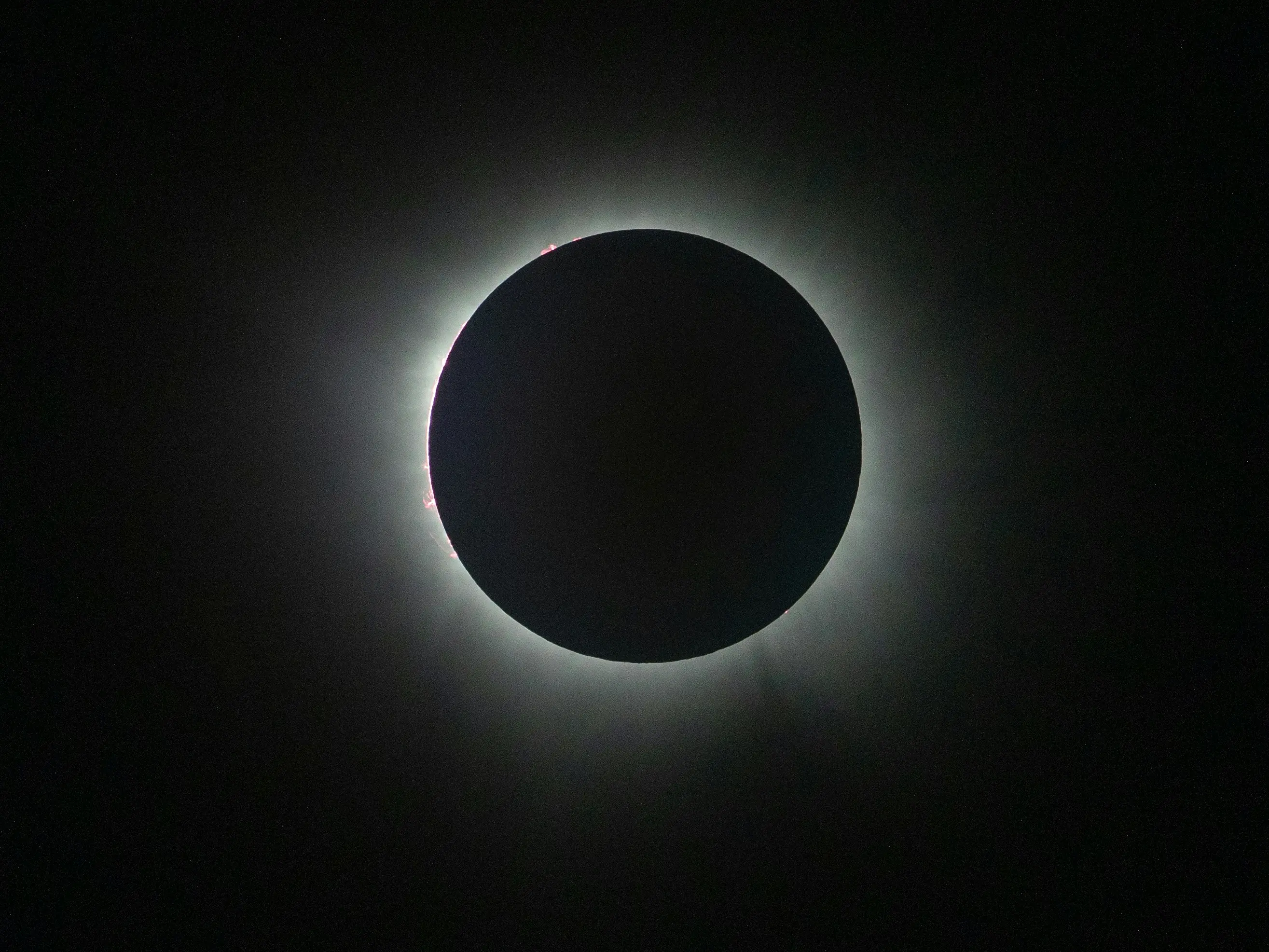
Annular solar eclipse photo Photograph: (Unsplash)
The ring of fire solar eclipse was captured from space by the PROBA-2 satellite four times. From Antarctica, the only place where the February 17 eclipse was visible in its entirety, a picture was taken from the Concordia Station.
A stunning image of the annular solar eclipse that occurred on February 17 has been captured from space. The European Space Agency (ESA) released a photo taken by the PROBA-2 satellite. Any pictures of the solar eclipse were difficult to obtain from Earth, as it was only visible in Antarctica and a few places off its coast. The agency also released a photo taken from the Concordia Station in Antarctica, the best viewing point on Earth. The moon moved in front of the sun to create a ring of fire that reportedly remained visible for two minutes from the station. "Because the Moon was at a more distant point along its elliptical orbit around Earth, it didn't entirely cover the Sun and left a ‘ring of fire'," ESA wrote. The space agency said that as the spacecraft flew around Earth, it captured the eclipse four times. It stated that the "perfect ring of fire" occurred at 11:31 Universal Time. PROBA-2 hosts two primary instruments that specifically observe the sun and other instruments to study space weather.
See photos of annular solar eclipse
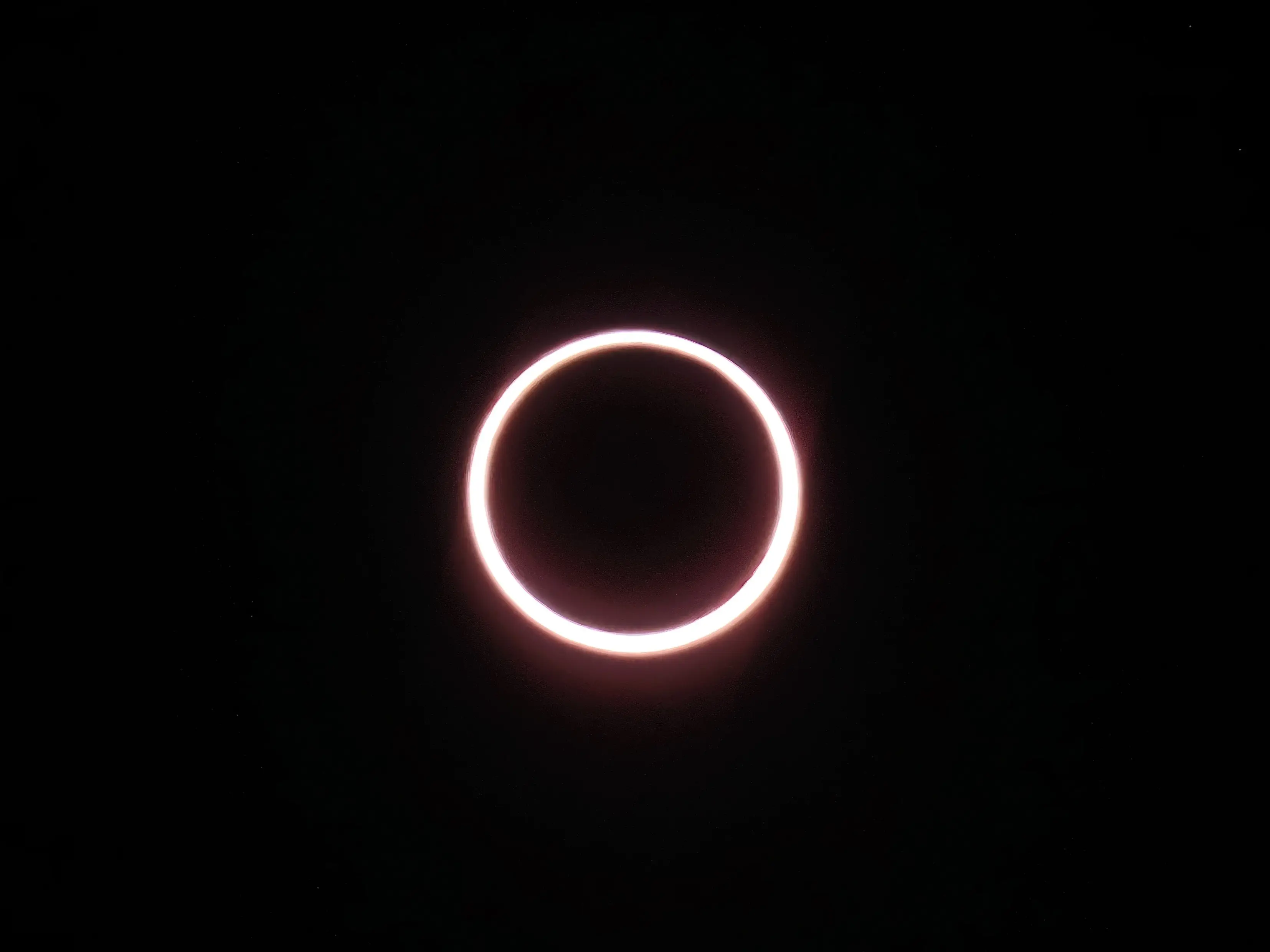)
Annular solar eclipse photo Photograph: (Unsplash)
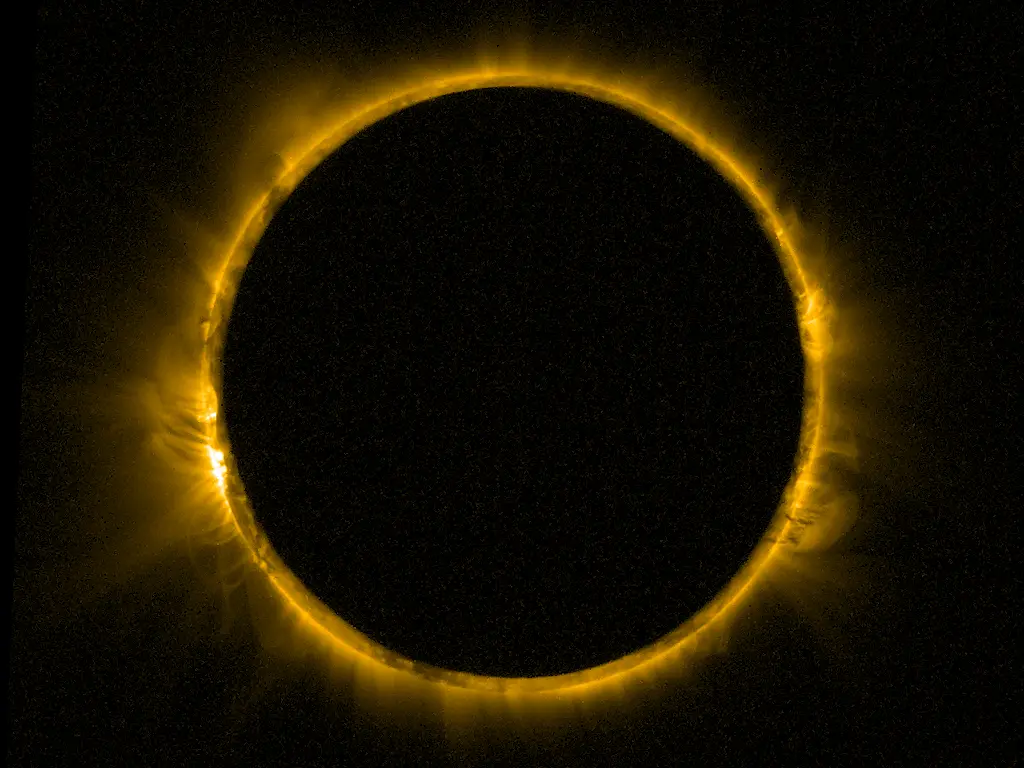)
Annular solar eclipse photo Photograph: (Unsplash)
What causes ring of fire eclipse?
The ring of fire eclipse happens because the moon appears slightly smaller than the sun in the sky. The moon passes directly between the sun and Earth, but doesn't cover our star entirely, which leaves a halo around it. This is what gives the eclipse the name "ring of fire". Some researchers clicked a photo of the eclipse from the Italian-French Concordia research station as well. Meanwhile, a partial solar eclipse was seen from the southern tip of Chile and Argentina, as well as southern Africa.
Blood Moon and upcoming solar eclipses
A total lunar eclipse is the next celestial event on March 3. Earth will cast a shadow on the Moon, turning it dark red. It is also known as the Blood Moon. People in Asia, Australia, the Pacific Islands and the Americas will be able to see it partially. The next three solar eclipses are scheduled to happen on 12 August 2026 and 2 August 2027 (both total solar eclipses), followed by an annular eclipse on 26 January 2028.
Trending Stories
)
&im=FitAndFill=(700,400))
&im=FitAndFill=(700,400))
)
)
)
)
)
)
)
)
&im=FitAndFill=(700,400))
)
)
)
)
)
)
&im=FitAndFill=(700,400))
)
)
&im=FitAndFill=(700,400))
)
)
)
)
)
)
)
)
)
)
)
)
)
)

