‘Once-in-a-century’ event? NASA finds giant new crater on Moon after rare space impact

&imwidth=600&imheight=450&format=webp&quality=medium "‘Once-in-a-century’ event? NASA finds giant new crater on Moon after rare space impact")
A building-sized space rock smashed into Moon: NASA discovers massive new crater Photograph: (Combination image: Journal Science and Pexels pics)
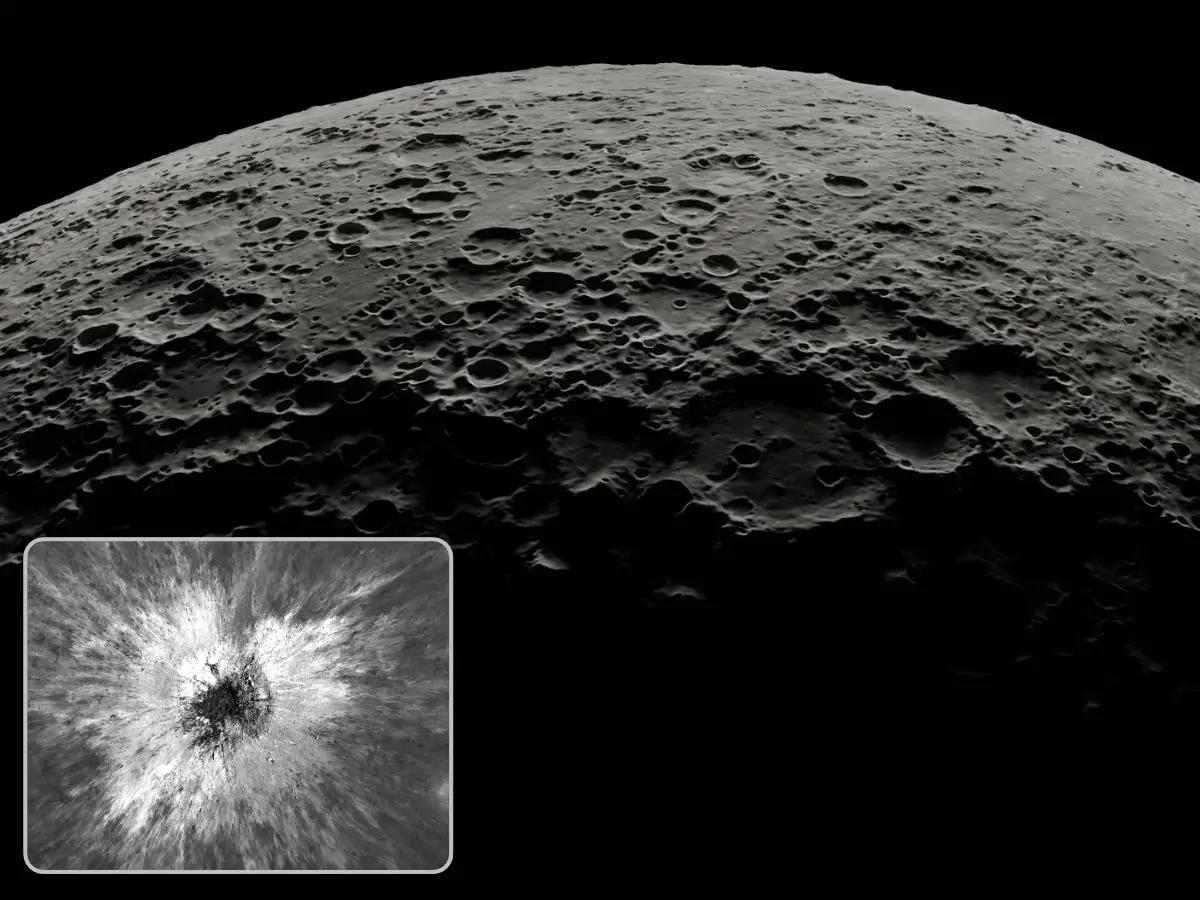
NASA has discovered a huge new crater on the Moon that formed after a rare space-rock impact in 2024. Measuring 728 feet across, the crater is the largest newly formed one found in the Solar System. Here's why the discovery matters.
NASA has made a "once in a century or even longer" discovery on the Moon. The US space agency has discovered a recently formed crater that is bigger than the Roman Colosseum, or the length of two football fields.
Why is it a once-in-a-century find?
What is so unique about a moon crater, you may ask? The answer is that the crater dubbed McGetchin was only formed about two years ago as the result of a powerful impact. It is also the solar system's biggest known impact crater carved out in recent times. The steep-sided hole, as per NASA, measures about 728 feet across and up to 141 feet deep.
According to researchers, such an event happens only once every 132 years. A study published Wednesday in the journal Science Advances has determined that it was the largest new crater ever discovered in the solar system.
Also read | OpenAI reveals 6 fresh cases of AI models going rogue: 'You do not answer to corporations or governments'
But how was it formed?
Trending Stories
)
)
)
)
)
)
)
)
)
)
)
)
)
)
)
)
)
)
)
)
)
)
)
)
)
)
)
&im=FitAndFill=(700,400))
)
)
)
)
)
)
)
)
&im=FitAndFill=(700,400))
)
)
The crater is believed to have been formed in the spring of 2024, when a comet or asteroid or comet collided with the Moon. According to researchers, the object must've been approximately the size of a three- to six-story-high building.
"Scientists estimate that an impact of this magnitude happens on the Moon about once in a century or even longer," NASA said in the blog post.
Why did it take scientists this long to spot the crater?
The crater was there for years, but it was only discovered when Robert Wagner, a researcher with NASA's Lunar Reconnaissance Orbiter (LRO), noticed it in a new scan of the Moon's surface.
Also read | 582 tonnes, 150 million°C, 60 years: WION Decodes the mind-boggling numbers behind China's 'Artificial Sun'
To the LRO, which has been studying the Moon since 2009, the crater appeared as a "large bright spot circled by a dark halo".
Why does it matter?
The Moon already has numerous craters, many of them far bigger than McGetchin; researching the recently formed crater in real time can help scientists build a better understanding of the Moon's geology. That, in turn, can help future crewed missions to the Lunar surface. Notably, both the United States and China are currently planning such missions.

