Narco-driven deforestation threatens tropical birds, reveals study


Bird (Representative image)
Cocaine trafficking is posing a severe threat to rare tropical birds as drug cartels increasingly encroach upon remote forest areas to escape law enforcement crackdowns.
This startling revelation comes from a recent study published in the journal Nature Sustainability, which highlights the devastating impact of "narco-driven" deforestation on bird habitats in Central America.
"Over half of Nearctic-Neotropical migratory species had more than one quarter, and 20% of species had over half, of their global population in areas threatened by narco trafficking, suggesting the need for more holistic strategies to better protect native biodiversity," as per the study.

Also Read |Anti-ageing nerd CEO says it now takes him 19 months to get one year older
Indigenous populations are often coerced into accepting payments and assisting with trafficking logistics. Resistance frequently results in land seizures and violence.
The supply-side focus of domestic and international drug policies exacerbates the cycle by overlooking the impact of under-resourced rural communities that create conditions facilitating trafficking and increasing "land-based money laundering and agri-business expansion."
)
India ‘deeply concerned’ as Houthi strikes hit Saudi civilian & energy sites
)
Three labourers killed as DU student loses control of his car, rams into them on Dwarka Expressway
)
Pentagon revives mandatory testosterone testing for male troops aged 30 and above
)
FACT CHECK: Why did PM Modi ask Xi ‘is it okay’ at BRICS Summit? New video reveals...
)
India seeks to build a full semiconductor supply chain
)
North Korea's last nuclear test in 2017 set off 1,399 earthquakes over 8 years, each stronger than previous
&im=FitAndFill=(700,400))
From Abhishek Sharma to Sahil Chauhan, 5 batters with fastest T20I hundreds
)
Indian activist-lawyer Prashant Bhushan's post brings focus on ‘conflict of interest’ appointments of ex-govt officials at Reliance, Adani groups
)
Former India player Diana Edulji wants Smriti Mandhana to replace Harman as skipper at the earliest
&im=FitAndFill=(700,400))
Meet top 5 batters in the latest ICC T20I Rankings
)
UNGA 2026 theme explained: What does ‘Restoring trust, managing transformation: A United Nations that delivers for all’ mean?
)
Godfather of AI Geoffrey Hinton gives US lawmakers a one-year warning on AI
)
US F-16 fighter jet crashes in Michigan during training mission, pilot ejects safely
)
A first in 100 years: New cat species discovered in Bolivia is incredibly tiny
)
Shivakumar attends 79th Kalyana Karnataka Utsav in Kalaburagi
)
Xi-Trump summit may boost military links
)
Hong Kong extends newborn cash support scheme by three years
)
‘Will go to any extent’: Pakistan vows to defend Saudi Arabia amid Houthi attacks
)
'He will always be ahead': India coach Gambhir says Sooryavanshi won't walk into team ahead of Samson
)
The Verdict | When precision fails: US commits war crime in Minab school strike, UN finds
&im=FitAndFill=(700,400))
New Friday OTT releases (September 18, 2026): Lust Stories 3, You+Me, Best of the Best- 8 new titles coming on Netflix, Prime Video and more
&im=FitAndFill=(700,400))
Which country has the most F-35s outside America?
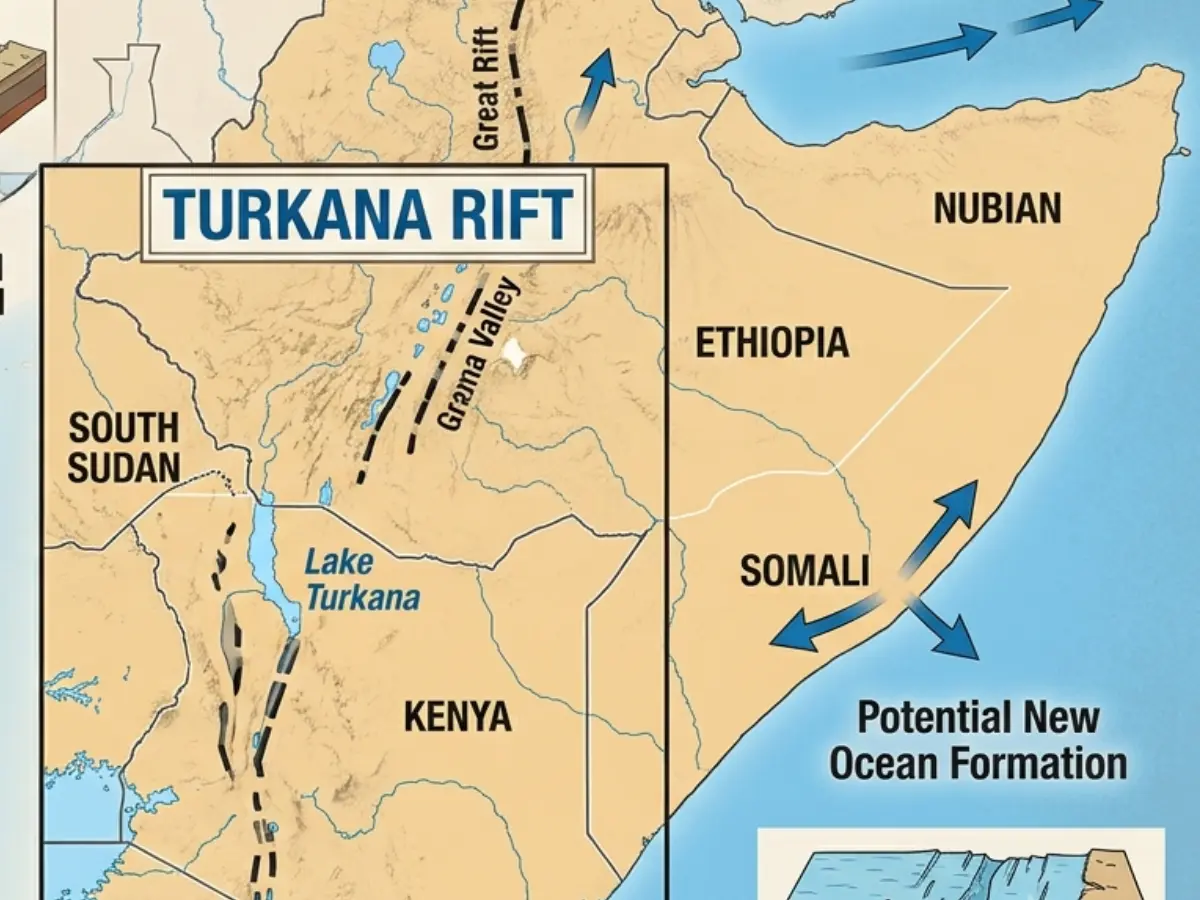)
Africa is splitting, and a lot sooner than estimated, giving way to a new ocean
)
'Gangsta' crab shoves knife blade at man and his dog in Florida - Watch
)
Trump bans CNN, MS NOW and Politico from White House over ‘FAKE NEWS’
)
Trump 2.0: Dark days ahead for America’s ‘imperial presidency’
)
Laura Wolvaardt sets new world record for most WT20I runs in a year
)
Drone strikes cooling tower at Russia's Kursk Nuclear Plant, IAEA confirms
)
Who is Khalilur Rahman? All you need to know about 81st UN General Assembly President
&im=FitAndFill=(700,400))
Meet top 5 bowlers in latest ICC T20I rankings
&im=FitAndFill=(700,400))
Suriya and Jyothika say ‘I do’ again after 20 years! See their dreamy wedding pics
)
Cristiano Ronaldo returns to Portugal squad for Nations League under new coach
&im=FitAndFill=(700,400))
Meet top 5 Indian batters with fastest T20I centuries
)
Ukraine plans record $109 bn defence spending, nearly two thirds of budget amid Russia war
Empowering Indigenous communities and rural landholders to reclaim control over their territories and manage their resources effectively has proven to deter narco-trafficking. These efforts not only aid conservation but also promote peace and security, as per the study.
Also Read |Supernova hunter James Webb spots most distant star explosion
This study marks the first attempt to quantify the impact of habitat loss on bird populations.
Findings
The findings revealed that 67 species of migratory birds which breed in the US and migrate to Central America during the winter season are at more risk.
Watch | Study shows 'how microplastics are affecting the world'
Among the most threatened are endangered golden-cheeked warblers, with 90% of their population residing in at-risk forests. Additionally, 70% of golden-winged warblers and Philadelphia vireos are affected by this habitat destruction.
According to the study, "Researchers have used remote sensing to identify unique patterns of deforestation that can be attributed to narco trafficking and found that 15–30% of annual deforestation within Nicaragua, Honduras and Guatemala can be attributed to the movement of cocaine alone."
(With inputs from agencies)