Milky Way ate a galaxy containing stars equal to 500 million suns 12 billion years ago

&imwidth=600&imheight=450&format=webp&quality=medium "Milky Way ate a galaxy containing stars equal to 500 million suns 12 billion years ago")
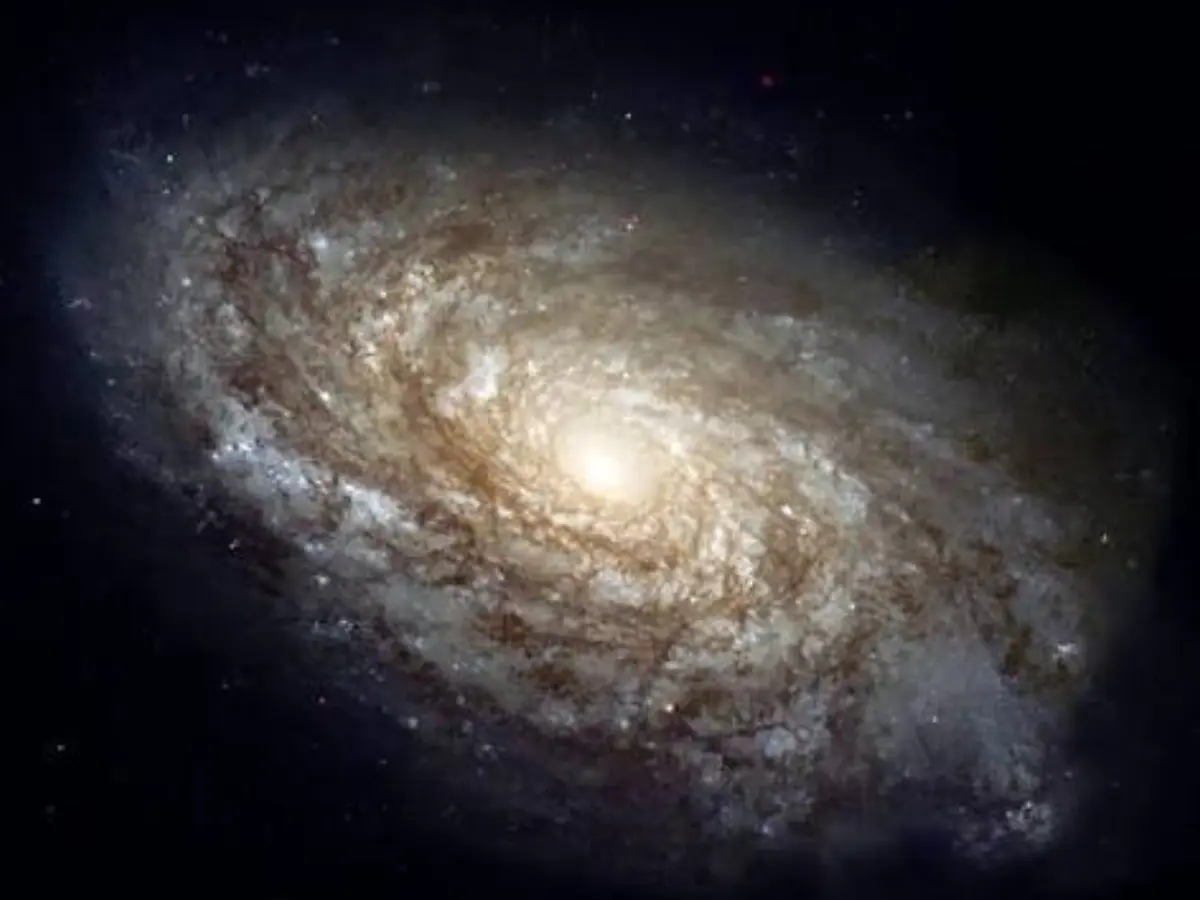
Milky Way has foreign globular clusters at its heart which is from an ancient galaxy. Photograph: (Wikimedia Commons)
Scientists have discovered that the Milky Way collided with a smaller galaxy containing stars equivalent to 500 million suns just two billion years after the Big Bang. This finding shows that our galaxy did not grow in isolation.
The Milky Way cannibalised a smaller galaxy 12 billion years ago, just two years after the Big Bang. This earliest known merger pushes the Milky Way’s earliest known major merger back by 1.8 billion years. A new study, published in Nature Astronomy and led by astronomer Davide Massari from the Astrophysics and Space Science Observatory of Bologna, Italy, talks about how the study of exceptionally precise ages of very dense clusters of stars helped answer a few questions about this merger - the timing, how massive this galaxy was, and its evolution before it joined the Milky Way.
The galaxy absorbed by the Milky Way has been named "LKH" (Low-energy-Kraken-Heracles). Even though we are calling it small, it wasn't. The stars in it had a combined mass of 500 million Suns, nearly one-quarter of the total mass of the entire Milky Way at that time.
Before this galaxy, the Gaia–Sausage–Enceladus, or GSE, a substantial galaxy, was found to have merged with the Milky Way around 10 billion years ago. Way before this, smaller galaxies were merging with the Milky Way, and instead of being small, they were major building blocks for its evolution.
Odd formations in inner regions of Milky Way
The team used the Hubble and Gaia space telescopes and found "foreign" globular star clusters in the inner regions of our galaxy. These clusters weren't the same as those that formed in the Milky Way in its earliest time. They were also different from the Gaia–Sausage–Enceladus merger. The latest event identified occurred about 1.8 billion years before GSE.
Why this finding matters
Trending Stories
&imwidth=280&imheight=210&format=webp&quality=medium)
&imwidth=280&imheight=210&format=webp&quality=medium)
&imwidth=280&imheight=210&format=webp&quality=medium)
&imwidth=280&imheight=210&format=webp&quality=medium)
&imwidth=280&imheight=210&format=webp&quality=medium)
&imwidth=280&imheight=210&format=webp&quality=medium)
&im=FitAndFill=(700,400)&imwidth=280&imheight=210&format=webp&quality=medium)
&imwidth=280&imheight=210&format=webp&quality=medium)
&imwidth=280&imheight=210&format=webp&quality=medium)
&imwidth=280&imheight=210&format=webp&quality=medium)
&imwidth=280&imheight=210&format=webp&quality=medium)
&imwidth=280&imheight=210&format=webp&quality=medium)
&imwidth=280&imheight=210&format=webp&quality=medium)
&imwidth=280&imheight=210&format=webp&quality=medium)
&imwidth=280&imheight=210&format=webp&quality=medium)
&imwidth=280&imheight=210&format=webp&quality=medium)
&im=FitAndFill=(700,400)&imwidth=280&imheight=210&format=webp&quality=medium)
&imwidth=280&imheight=210&format=webp&quality=medium)
&imwidth=280&imheight=210&format=webp&quality=medium)
&imwidth=280&imheight=210&format=webp&quality=medium)
&imwidth=280&imheight=210&format=webp&quality=medium)
&imwidth=280&imheight=210&format=webp&quality=medium)
&imwidth=280&imheight=210&format=webp&quality=medium)
&imwidth=280&imheight=210&format=webp&quality=medium)
&imwidth=280&imheight=210&format=webp&quality=medium)
&imwidth=280&imheight=210&format=webp&quality=medium)
&imwidth=280&imheight=210&format=webp&quality=medium)
&imwidth=280&imheight=210&format=webp&quality=medium)
&imwidth=280&imheight=210&format=webp&quality=medium)
&imwidth=280&imheight=210&format=webp&quality=medium)
&im=FitAndFill=(700,400)&imwidth=280&imheight=210&format=webp&quality=medium)
&imwidth=280&imheight=210&format=webp&quality=medium)
&imwidth=280&imheight=210&format=webp&quality=medium)
&imwidth=280&imheight=210&format=webp&quality=medium)
&imwidth=280&imheight=210&format=webp&quality=medium)
&imwidth=280&imheight=210&format=webp&quality=medium)
&imwidth=280&imheight=210&format=webp&quality=medium)
The finding challenges the idea that the Milky Way developed completely on its own during its earliest years. Instead, we now know that several mergers occurred and our galaxy grew significantly by "cannibalising" smaller galaxies. This brought stars and fresh gas for new bursts of star formation. The discovery is significant since reconstructing these ancient events helps us understand how the Milky Way evolved into its current structure and how it ultimately provided the environment for the birth of our solar system.

