Opinion: India no longer a nation with largest poor population, but much more needs to be done

Poverty
With a pat on the back, we have to keep on with the pace of pulling 44 people out of extreme poverty every minute, to get rid of extreme poverty by 2030.
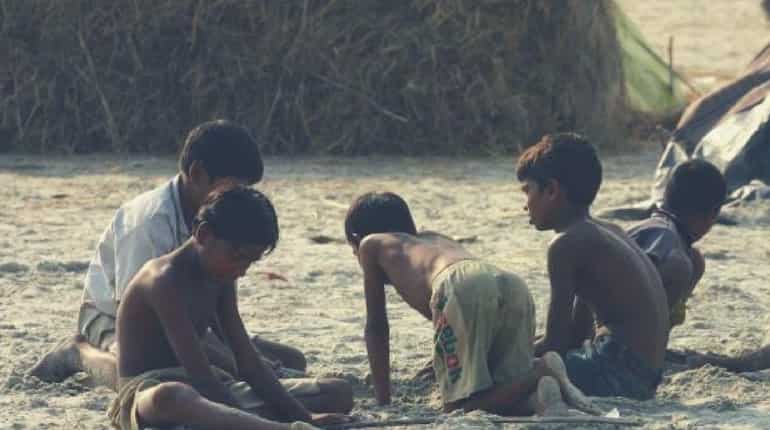
India has lost the tag of country with the largest number of people in extreme poverty to Nigeria, as per a study published by US based think tank Brookings. The study, titled 'The start of anew poverty narrative', stated that Nigeria now has about 87 million people in extreme poverty, as compared with India's 73 million.
The study also highlighted that extreme poverty in Nigeria is growing by 6 people every minute, while it continues to fall in India. And, if the current trends continue, India could drop to number 3 spot by end of this year.
The report, which has cited data from World Poverty Clock and new projections on country economic growth from the International Monetary Funds' World Economic Outlook, has defined extreme poverty as living on less than $1.9 a day.

Slow pace of poverty reduction is worrying
Between January 2016 and June 2018, about 83 million people have escaped poverty worldwide. However, as per the target set by UN-sponsored Sustainable Development Goals (SDGs), we should have been reduced by 130 million.
The report further said that the actual rate of poverty reduction has slowed down. The target set in 2016 was to reduce poverty by 1.5 people every second, however, we are moving at a pace of 1.1 people per second. Consequently, the target has now been revised to 1.6 people per second.
&imwidth=180&imheight=135&format=webp&quality=medium)
Poland: 19-year-old stabs several at Polish vocational school
&imwidth=180&imheight=135&format=webp&quality=medium)
'Baseless and misconceived': India issues statement after Elon Musk's 'oligarchs' claim over Starlink delay
&imwidth=180&imheight=135&format=webp&quality=medium)
‘Team first and team ahead’: India coach Gambhir pens heartfelt wish for chief selector Ajit Agarkar
&imwidth=180&imheight=135&format=webp&quality=medium)
Trump's naked 23-karat gold statue unveiled near European Parliament
&imwidth=180&imheight=135&format=webp&quality=medium)
Nana Patekar: Remembering a legend of the Indian cinema
&imwidth=180&imheight=135&format=webp&quality=medium)
Russia warns Lithuania over nuclear weapons, Europe braces for massive hybrid attack | Gravitas
&imwidth=180&imheight=135&format=webp&quality=medium)
Captain Smit Machchhar on feet again, walks 10 steps as recovery continues after Flydubai flight attack
&imwidth=180&imheight=135&format=webp&quality=medium)
'They came in, they hit us': New videos show Iranian attacks on US Camp Buehring in Kuwait | Watch
&imwidth=180&imheight=135&format=webp&quality=medium)
Ronaldo sends 'a hug' after Messi says he misses 'wearing the blue and white'
&imwidth=180&imheight=135&format=webp&quality=medium)
Trump distances himself from senior political advisers over work for pro-Russian government
&imwidth=180&imheight=135&format=webp&quality=medium)
Narendra Modi Stadium bomb threat declared hoax; India & Australia U19 squads safe
&imwidth=180&imheight=135&format=webp&quality=medium)
US midterms 2026: Why the Latino vote could shape control of Congress
&imwidth=180&imheight=135&format=webp&quality=medium)
US Midterms 2026: Barack Obama hits campaign trail to boost Democratic candidates
&imwidth=180&imheight=135&format=webp&quality=medium)
Shia LaBeouf and Mia Goth head for divorce after nearly 10 years
&imwidth=180&imheight=135&format=webp&quality=medium)
Nicolas Maduro, wife likely to face new charges over alleged torture of US citizens: Report
&imwidth=180&imheight=135&format=webp&quality=medium)
Texas man executed by lethal injection; first US execution since botched Christa Pike execution
&imwidth=180&imheight=135&format=webp&quality=medium)
Jon Rahm quits LIV Golf as breakaway tour attempts to relaunch itself
&imwidth=180&imheight=135&format=webp&quality=medium)
Christa Pike wakes after failed execution, asks 'Where am I and who are you?'
&imwidth=180&imheight=135&format=webp&quality=medium)
Christa Pike 'angry' and 'confused' after failed execution; judge orders to preserve evidence
&imwidth=180&imheight=135&format=webp&quality=medium)
Nigerian President Bola Ahmed Tinubu hails Modi’s 25-year leadership milestone, calls for deeper Nigeria-India strategic ties
&im=FitAndFill=(700,400)&imwidth=180&imheight=135&format=webp&quality=medium)
US midterms 2026: 10 leaders and candidates to watch in the battle for Congress
&imwidth=180&imheight=135&format=webp&quality=medium)
Nana Patekar's #MeToo controversy: From Tanushree Dutta’s allegations to court ruling
&imwidth=180&imheight=135&format=webp&quality=medium)
Veteran actor Nana Patekar dies at 75 after suffering cardiac arrest
&imwidth=180&imheight=135&format=webp&quality=medium)
Musk alleges ‘oligarchs’ blocking Starlink in India, here is what we know so far
&imwidth=180&imheight=135&format=webp&quality=medium)
Lightning strikes IndiGo Patna-Lucknow flight at 17,000 feet, damages nose; all 110 safe
&imwidth=180&imheight=135&format=webp&quality=medium)
Mall of America attack: FBI arrests man over alleged ISIS-inspired mass shooting plot with AK-47 and 200 rounds
&imwidth=180&imheight=135&format=webp&quality=medium)
France holds talks with Taliban government amid diplomatic outreach
&imwidth=180&imheight=135&format=webp&quality=medium)
'I should win it': Trump renews Nobel Peace Prize claim ahead of 2026 announcement
&imwidth=180&imheight=135&format=webp&quality=medium)
IndiGo flight struck by lightning at 17,000 feet, nose of Patna-Lucknow flight damaged
&imwidth=180&imheight=135&format=webp&quality=medium)
US readying to strike Iran? Report suggests Trump preparing to put on show of strength ahead of US midterms
&im=FitAndFill=(700,400)&imwidth=180&imheight=135&format=webp&quality=medium)
World’s top vehicle producers: Top 10 countries making the most cars. Check where India stands
&imwidth=180&imheight=135&format=webp&quality=medium)
Trump to honour Elon Musk, Sergey Brin and Jensen Huang with top science honour at White House. Check the full list here
&imwidth=180&imheight=135&format=webp&quality=medium)
'We don't think so': Trump says Russian plague lab worker's death not linked to bio-weapon
&imwidth=180&imheight=135&format=webp&quality=medium)
France protests: How a Gen Z school movement turned into a political war | The Verdict
There is more to it. The pace could fall more steeply between 2020 and 2022.
The backlog of about 35 million people and reducing target pace, could make it difficult to achieve the goal of eradicating poverty by 2030. A strong need, therefore, exists to rapidly step up the pace.
And rightly so, the study suggests, "We should celebrate our achievements, but increasingly sound the alarm that not enough is being done, especially in Africa."
The way forward
India still rank among top three countries with maximum number of poor in the world. So, with a pat on the back, we have to keep upwith the pace of pulling 44 people out of extreme poverty every minute.
The UN has lauded India for playing an important role in shaping the Sustainable Development Goals, which came into effect in 2016 with an aim to end poverty by 2030 and spread prosperity worldwide.
Moreover, as per the recent report published by the World Bank, India will grow at the rate of 7.5 per cent for the two years. However, the World Bank has listed lack of women in the workforce as a considerable constraint to economic growth.
A report by McKinsey World Institute said that an increase in women's participation in Indian labour force, which currently stands at 25 per cent, will give a potential boost to the GDP.
Improved female-to-male labour-force participation rate is achievable with better economic, social and educational policies.
Notably, India has already undertaken various reforms for bolstering the economic growth and maintaining macroeconomic stability. According to the IMF, India has made progress on structural reforms, which will help reduce internal barriers to trade, increase efficiency, and improve tax compliance.
We need to be more consistent with the implementation of structural reforms that raise productivity and incentivise private investment.
Also, India's high public debt, lack of job creation remain a massive hindrance. For creating more and better quality jobs, Assocham has suggested developing a credible system for mapping job creation, so that the government's policies are anchored accordingly.
According to the Quarterly Report on Debt Management, Public debt accounted for 88.7 per cent of the total outstanding liabilities at the end of March 2018. The government, therefore, must address the ongoing crisis in banking sector to support investment and inclusive growth agenda, to mitigate the rising debt vulnerabilities.
(Disclaimer: The opinions expressed above are the personal views of the author and do not reflect the views of ZMCL)