

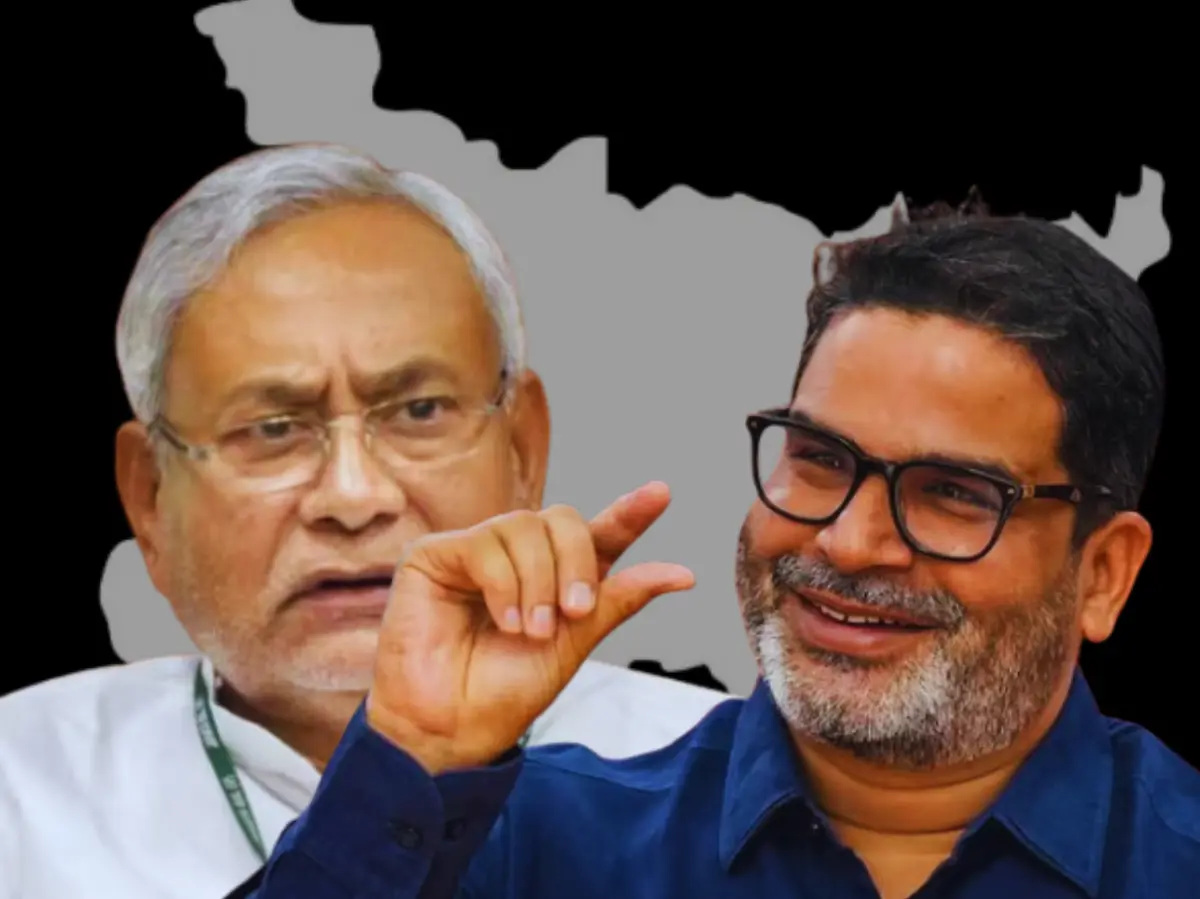
&imwidth=800&imheight=600&format=webp&quality=medium "No more alcohol ban in Bihar? Prashant Kishor vows to revoke ban ‘in first hour' if he wins election. Politics behind liquor explained")
Ahead of the assembly election in the Indian state of Bihar, Jan Suraaj Party founder Prashant Kishor made a huge poll promise to revoke the alcohol ban in the dry state. Kishor's party announced that if it comes to power, it will lift the ban, which, Kishor claimed, could unlock substantial financial resources for the state. The party claimed that due to the liquor ban in Bihar, the state lost nearly ₹28,000 crore. Kishor's party said the money could be used to secure loans worth ₹5–6 lakh crore from the World Bank and the International Monetary Fund (IMF).
Liquor ban in Bihar: When and why
Nitish Kumar, the present chief minister of Bihar, banned the sale and consumption of alcohol in the state in April 2016. The CM linked the ban to women’s welfare, emphasising that alcohol abuse had the greatest negative impact on the women at home.
Soon, the liquor ban became the centre of law-and-order politics in one of the most politically important states of India. The JDU leadership framed it as a demonstration of strict governance, highlighting raids, confiscations, and crackdowns on smuggling networks as proof of enforcing the “rule of law.”
'Will revoke in just an hour'
Making the bold promise, Kishor said he will revoke the liquor ban within an hour if his party forms the next government in Bihar.
Trending Stories
&imwidth=180&imheight=135&format=webp&quality=medium)
Premier League: Haaland wants Manchester City to 'try to enjoy the situation and win the game'
&imwidth=180&imheight=135&format=webp&quality=medium)
'Nidal Hasan's firing-squad execution to be livestreamed', says Pentagon; first US military execution since 1961
&imwidth=180&imheight=135&format=webp&quality=medium)
Trump's naked 23-karat gold statue unveiled near European Parliament
&imwidth=180&imheight=135&format=webp&quality=medium)
‘Never-ending flow of cheap labour’: JD Vance hits back at Indian-origin Congresswoman over US green card curbs for major tech companies
&imwidth=180&imheight=135&format=webp&quality=medium)
Thai Actors Fourth Nattawat, Gemini Norawit face racism accusations from Indian fans over viral Bollywood act
&imwidth=180&imheight=135&format=webp&quality=medium)
Nigeria govt rolls out 30-day NNPC petrol discount, insists it is not a subsidy
&im=FitAndFill=(700,400)&imwidth=180&imheight=135&format=webp&quality=medium)
Fastest-growing Asian economies in 2026: Who tops the chart? Where does India rank?
&imwidth=180&imheight=135&format=webp&quality=medium)
A Love Other Than Yours: The temptation to cheat and what pushes people over the edge
&imwidth=180&imheight=135&format=webp&quality=medium)
Russia president Putin promises to 'do everything' to help settle Middle East conflict as US-Iran negotiations stall
&imwidth=180&imheight=135&format=webp&quality=medium)
‘Wait till you discover the other guy’: Rahul Gandhi takes a swipe as Musk's 'Ambani real boss of India' remark triggers X subscription cancellations
&imwidth=180&imheight=135&format=webp&quality=medium)
BTS agency HYBE announces first-ever Weverse Con Festival in India
&imwidth=180&imheight=135&format=webp&quality=medium)
Trump has a new 'enemy': Anyone who calls it 'artificial intelligence'. Here's what we wants instead
&imwidth=180&imheight=135&format=webp&quality=medium)
India at UN: Pak allows terror groups to operate from its soil
&imwidth=180&imheight=135&format=webp&quality=medium)
Air India, Air India Express increase fuel surcharge on domestic, international flights amid rising ATF costs
&imwidth=180&imheight=135&format=webp&quality=medium)
'Something truly catastrophic will happen': Former OpenAI researchers sound the alarm, claim they were fired for prioritising AI safety
&imwidth=180&imheight=135&format=webp&quality=medium)
Scientists find highly radioactive nuclear particles at Chernobyl 40 years after the disaster
&imwidth=180&imheight=135&format=webp&quality=medium)
Nana Patekar's #MeToo controversy: From Tanushree Dutta’s allegations to court ruling
&imwidth=180&imheight=135&format=webp&quality=medium)
Pakistan denies reports of PAF jets being used in attacks against Iran-backed Houthis in Yemen
&imwidth=180&imheight=135&format=webp&quality=medium)
New York ICE shooting sparks protests as Mamdani to call on Trump to halt ICE operations
&imwidth=180&imheight=135&format=webp&quality=medium)
Atlantic hurricane Isaias could make landfall as a strong Category 2 storm, tornado warnings issued
&im=FitAndFill=(700,400)&imwidth=180&imheight=135&format=webp&quality=medium)
From Kramatorsk buses to Yandex fire: Russia-Ukraine war in the last 48 hours
&imwidth=180&imheight=135&format=webp&quality=medium)
AUS vs SA: 'That's fine,' says Cummins on Khawaja's book contents about Sandpapergate
&imwidth=180&imheight=135&format=webp&quality=medium)
Who is Nana Patekar's wife Neelakanti? The bank officer who earned Rs 2,500 when he earned Rs 50
&imwidth=180&imheight=135&format=webp&quality=medium)
KATSEYE’s Sophia Laforteza to return in 2027 after hiatus, agency issues statement
&imwidth=180&imheight=135&format=webp&quality=medium)
French students light European bonfire, protests erupt in Belgium, Italy & Greece | Gravitas
&imwidth=180&imheight=135&format=webp&quality=medium)
France student protests: Over 500 arrested, govt promises 3,000 substitute teachers
&imwidth=180&imheight=135&format=webp&quality=medium)
Arizona congressional candidate claims she was sexually assaulted while repairing signs
&imwidth=180&imheight=135&format=webp&quality=medium)
New Cold War: Why is China buying more gold? Explained
&imwidth=180&imheight=135&format=webp&quality=medium)
OpenAI shuts down Russian, Iranian influence operations using ChatGPT to spread propaganda
&imwidth=180&imheight=135&format=webp&quality=medium)
'Understood consequences of a few mistakes': Ishan Kishan reflects on journey back to India team
&im=FitAndFill=(700,400)&imwidth=180&imheight=135&format=webp&quality=medium)
435 House seats, 35 Senate races: The numbers behind US midterms 2026
&imwidth=180&imheight=135&format=webp&quality=medium)
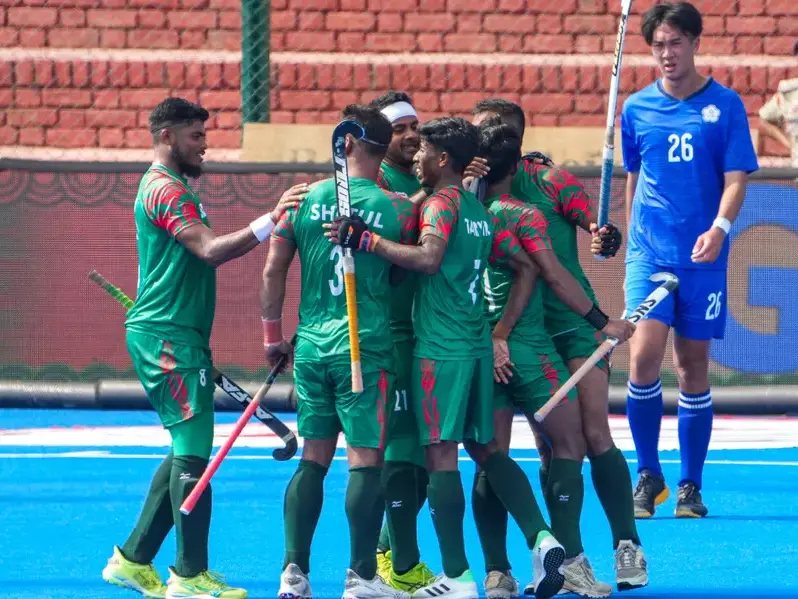
Bangladesh named as Pakistan’s replacement for Asian Hockey Champions Trophy
&imwidth=180&imheight=135&format=webp&quality=medium)
Zendaya gives The Odyssey white lace jacket a stylish twist at Paris Fashion Week 2026
&imwidth=180&imheight=135&format=webp&quality=medium)
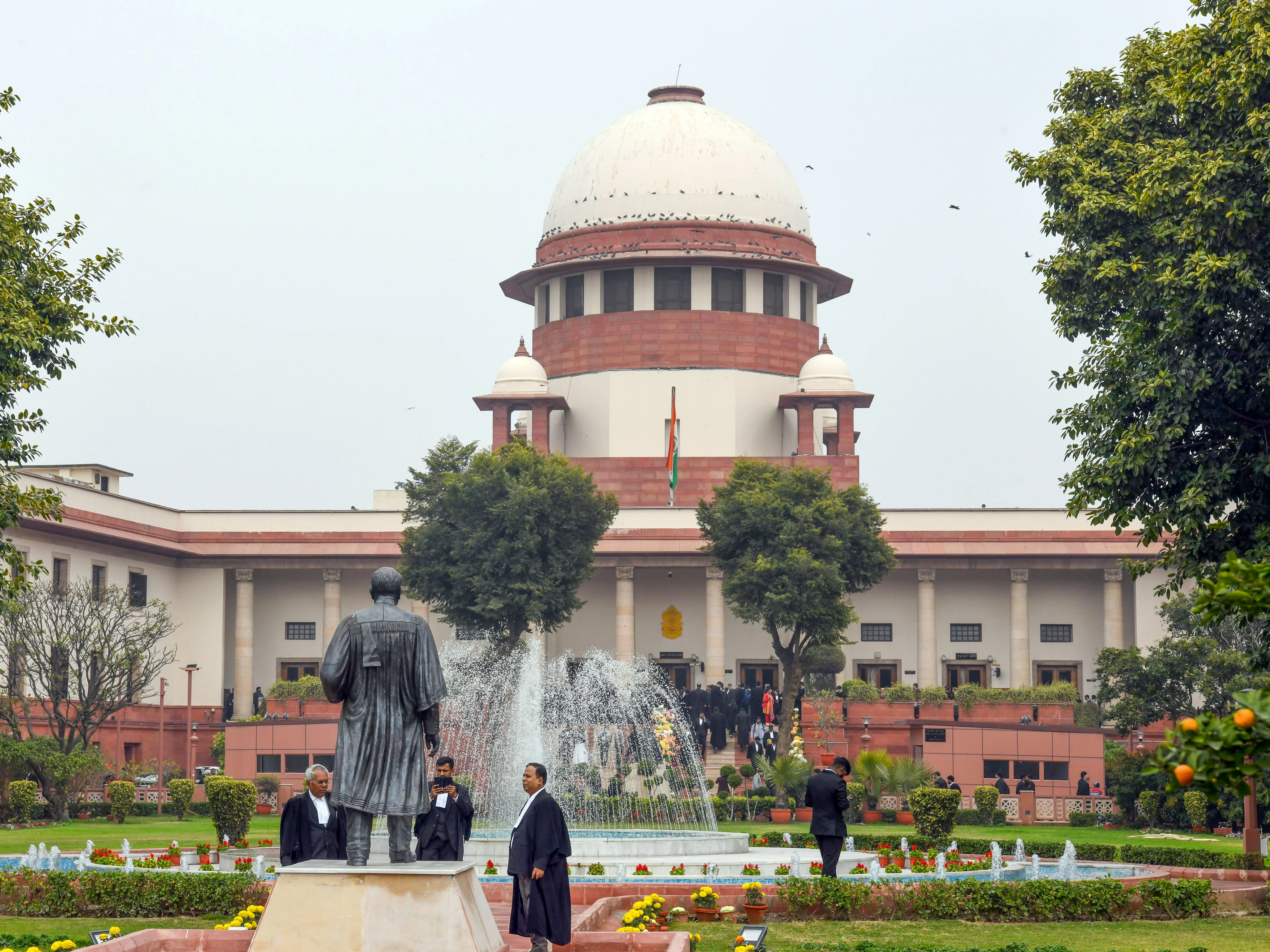
SC asks Centre to frame mechanism against unethical pharma marketing practices
&imwidth=180&imheight=135&format=webp&quality=medium)
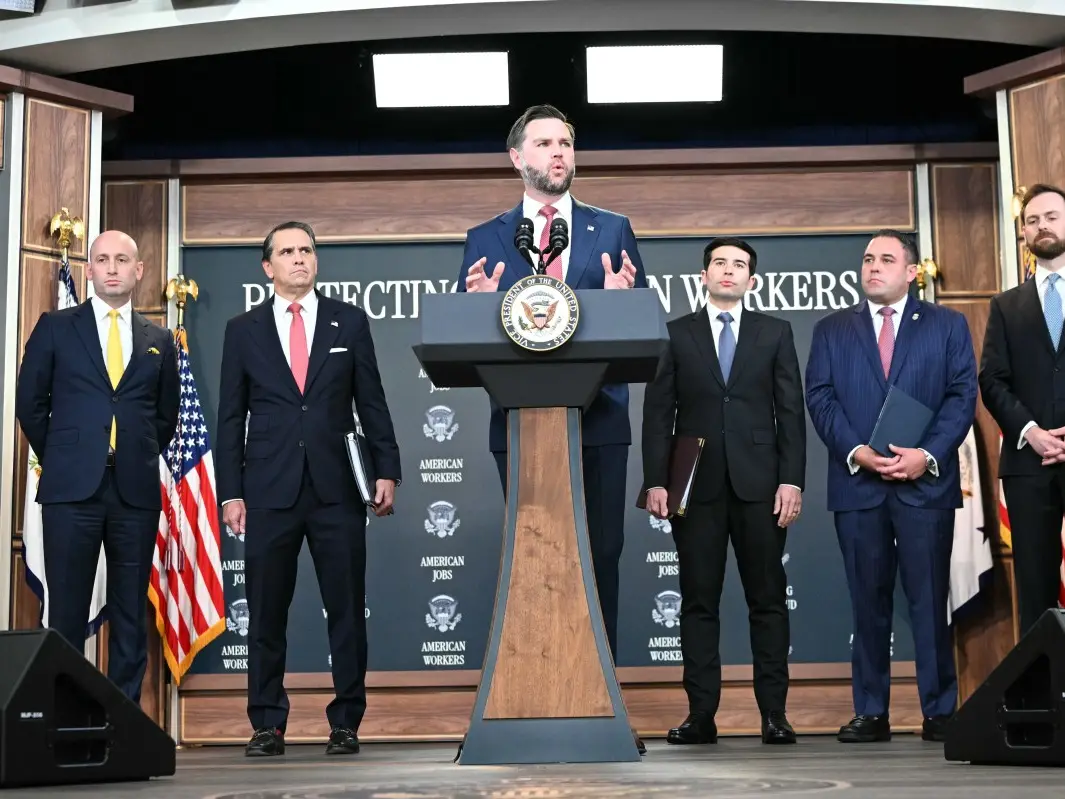
US suspends Microsoft, Infosys, Tata, Wipro from green card programme over alleged H-1B abuse
&imwidth=180&imheight=135&format=webp&quality=medium)
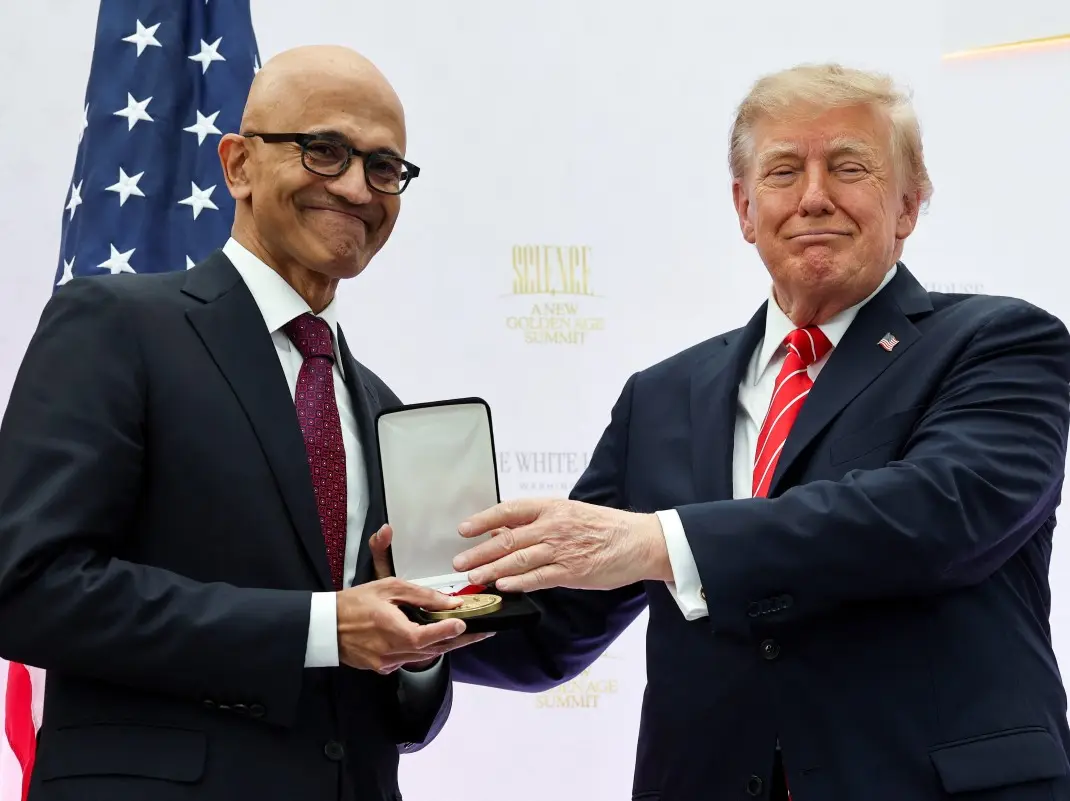
Trump honours Microsoft CEO Satya Nadella with top technology honour amid immigration scrutiny
&imwidth=180&imheight=135&format=webp&quality=medium)
Flydubai flight attack: Indian pilot Smit Machchhar to receive Israel's highest civilian bravery award for saving 174 lives
"The liquor ban will be lifted within an hour once we come to power. There is no real liquor ban in Bihar. There is a law in place that has shut down liquor shops and started home delivery,” said Kishor earlier.
Meanwhile, other prominent politicians in the state gave their review on the matter, as the former Bihar CM Jitan Ram Manjhi said that there should be a review of the policy, as it targets only the poor section of the society, while the wealthy smuggle alcohol.
“Poor people, if caught consuming even 250 ml of alcohol, are prosecuted, whereas those involved in large-scale smuggling are let off," Manjhi said.
Moreover, RJD's top leader Tejashwi Yadav said, “Any question that arises should be discussed with the people and government officials before a decision is taken."
What do the data show?
As per a study published in The Lancet Regional Health: Southeast Asia in May 2024, the liquor ban in Bihar led to a significant reduction in its consumption and around 2.4 million cases of daily and weekly drinking were eradicated.
The ban also contributed to a decrease of around 2.1 million cases of intimate partner violence, including reductions in emotional and sexual abuse against women.
What’s the bad side of the ban?
Experts have raised that the liquor ban in the largely the most economically backward state of India had an economic impact.
Also, the ban fueled the production and consumption of illicit alcohol, commonly referred to as “hooch".
What are other Indian states doing?
In Gujarat, there has been a strict alcohol ban since 1961. The policy restricts both sale and consumption. Apart from the government ban, some communities have developed their own way to deal with the matter on a local level. For instance, Khambela village imposes fines of ₹21,000 for alcohol consumption, among other bans, with fines up to ₹1 lakh.
Meanwhile, in Mizoram, a full alcohol ban was imposed in 2018 to curb domestic violence and public disorder.

