Muslims by and large not opposed to Ram Temple: Sri Sri Ravi Shankar

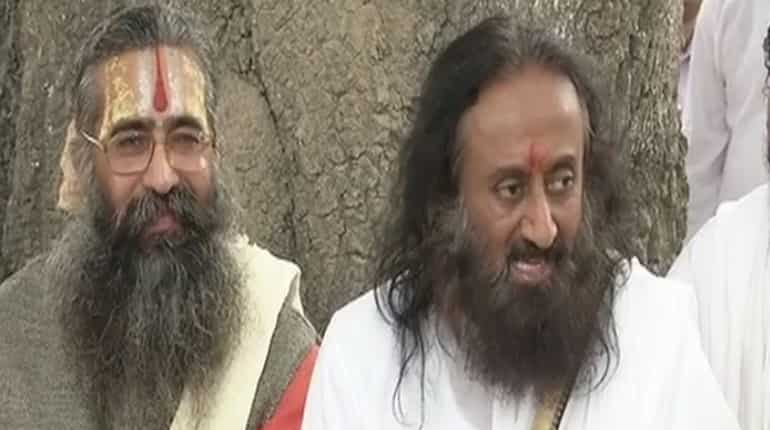
Sri Sri Ravi Shankar
Spiritual leader Sri Sri Ravi Shankar, who visited Ayodhya today in a bid to mediate in the Ram Janmabhoomi-Babri Masjid dispute said a positive step had been taken but it could take three to six months to find a solution
Spiritual leader Sri Sri Ravi Shankar, who visited Ayodhya today in a bid to mediate in the Ram Janmabhoomi-Babri Masjid dispute said a positive step had been taken but it could take three to six months to find a solution.
The Art of Living founder said also said Muslims by and large were not opposed to building the Ram Temple.
"I know some may not agree with this, but Muslims by and large are not opposing the Ram Temple," Sri Sri Ravi Shankar told the press.

"A solution may sometimes seem impossible but our people, youth and leaders of both communities can make it possible," he added.
Sri Sri Ravi Shankar, who met Iqbal Ansari, litigant in the BabriMasjid case, said, "Talks are in process, it is too soon to conclude anything."
The spiritual leader said mediation was a "golden opportunity" for both Hindus and Muslims to find a solution.
)
Pentagon revives mandatory testosterone testing for male troops aged 30 and above
)
FACT CHECK: Why did PM Modi ask Xi ‘is it okay’ at BRICS Summit? New video reveals...
)
India seeks to build a full semiconductor supply chain
&im=FitAndFill=(700,400))
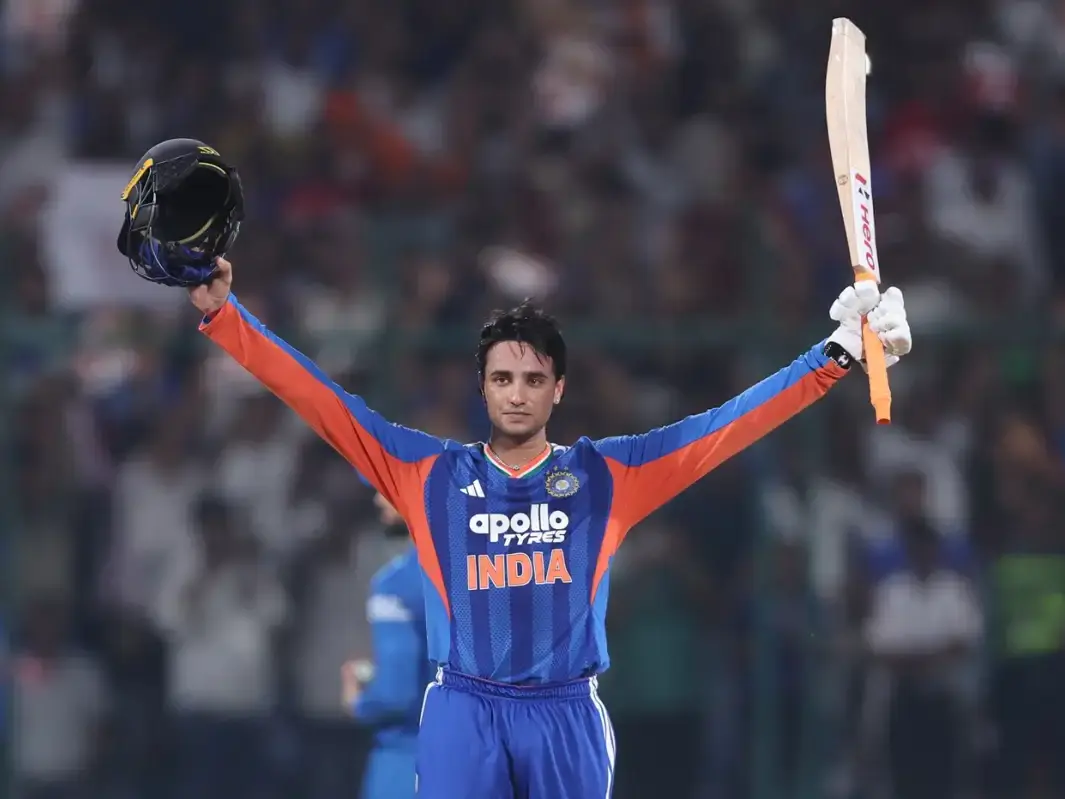
From Abhishek Sharma to Sahil Chauhan, 5 batters with fastest T20I hundreds
)
Pyongyang dismisses US, western pressure over nuclear programme
)
US And Denmark reach Greenland deal, Trump announces expanded military presence
)
Google’s Gemini AI hacks real systems by guessing passwords during security test
)
US hiding troop deaths in Iran war? Toll higher than Pentagon count, claims report
)
China may have gained access to US's classified F-35 jets; parts meant for repairs diverted to Hong Kong, sparking Pentagon inquiry
)
NASA research plane reaches 61,000 feet over Panama
)
Godfather of AI Geoffrey Hinton gives US lawmakers a one-year warning on AI
)
Trump signs Russia sanctions law: India faces fresh 100% tariff threat over Russian oil
)
Brigitte Bardot’s private collection set for Paris auction; key items and prices revealed
)
Why Ranveer Singh’s Dhurandhar missed India’s Oscar entry; FFI jury member reveals what happened
)
Zendaya and Tom Holland step out for a low-key date in Los Angeles
)
‘Will go to any extent’: Pakistan vows to defend Saudi Arabia amid Houthi attacks
)
The Verdict | When precision fails: US commits war crime in Minab school strike, UN finds
)
Trump signs Russia sanctions bill into law, targets Moscow’s energy sector
66 years of the Indus Waters Treaty: How India and Pakistan settled a bitter river dispute
&im=FitAndFill=(700,400))
New Friday OTT releases (September 18, 2026): Lust Stories 3, You+Me, Best of the Best- 8 new titles coming on Netflix, Prime Video and more
)
Pak: A series of counter terrorism operations in Khyber Pakhtunkhwa
)
Fast bowler Brydon Carse faces no charges over Derby nightclub incident
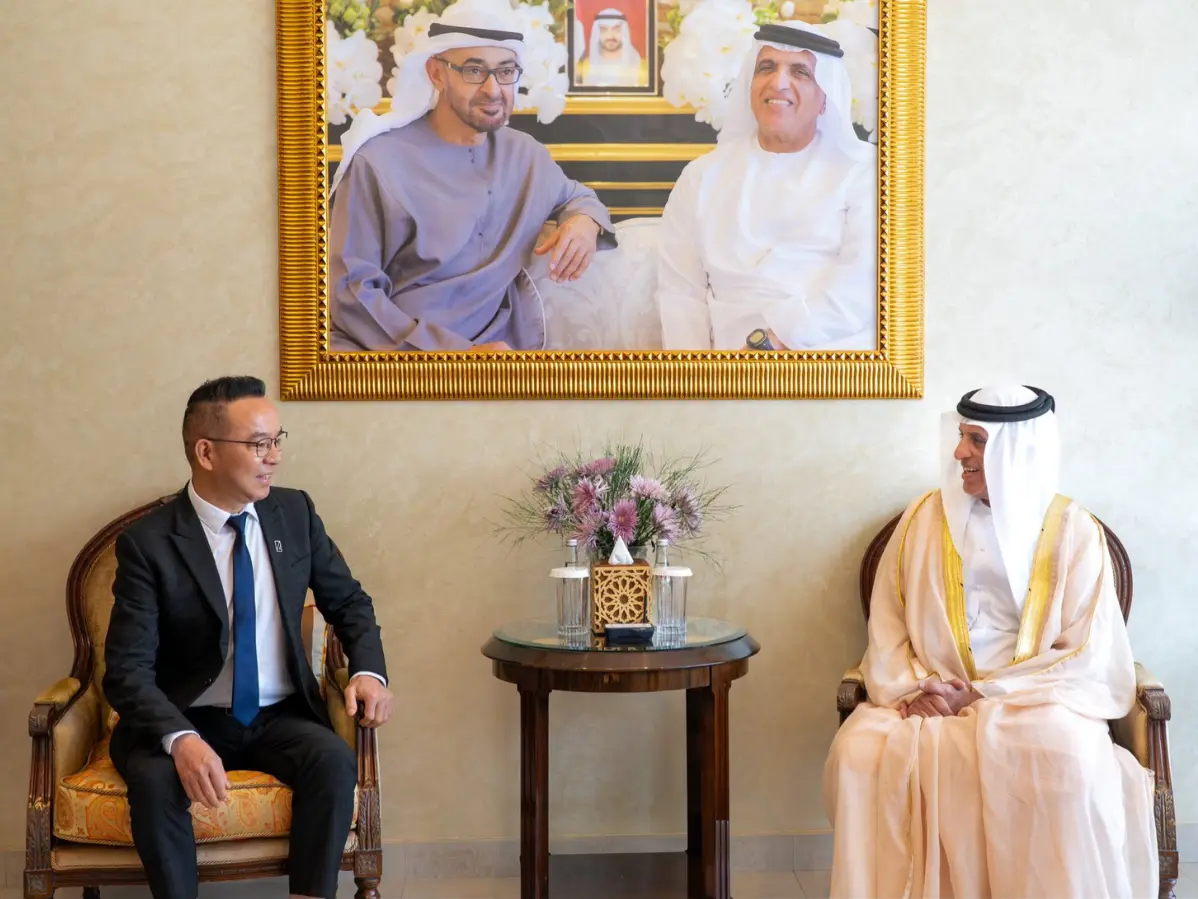)
Flying cars in UAE: Ras Al Khaimah signs deal with Chinese company to test new transport
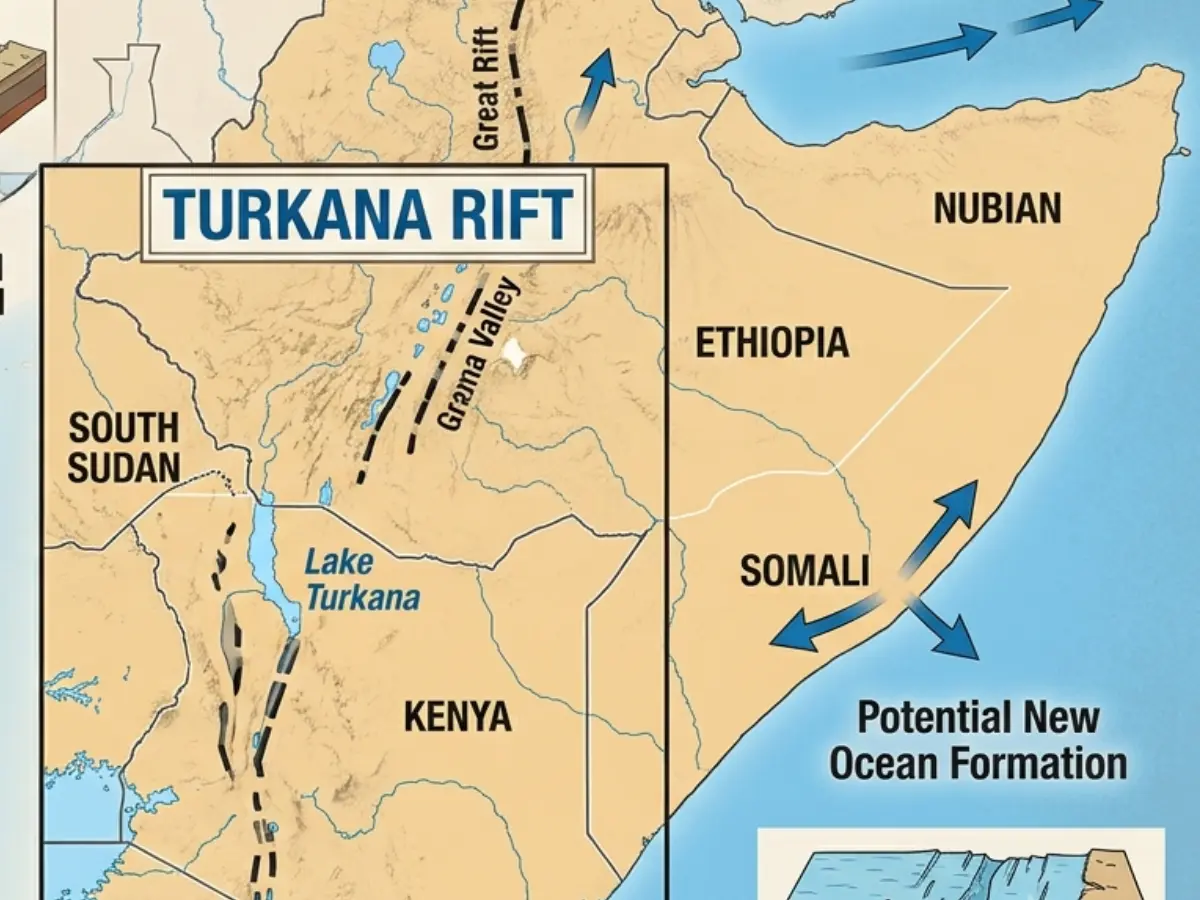)
Africa is splitting, and a lot sooner than estimated, giving way to a new ocean
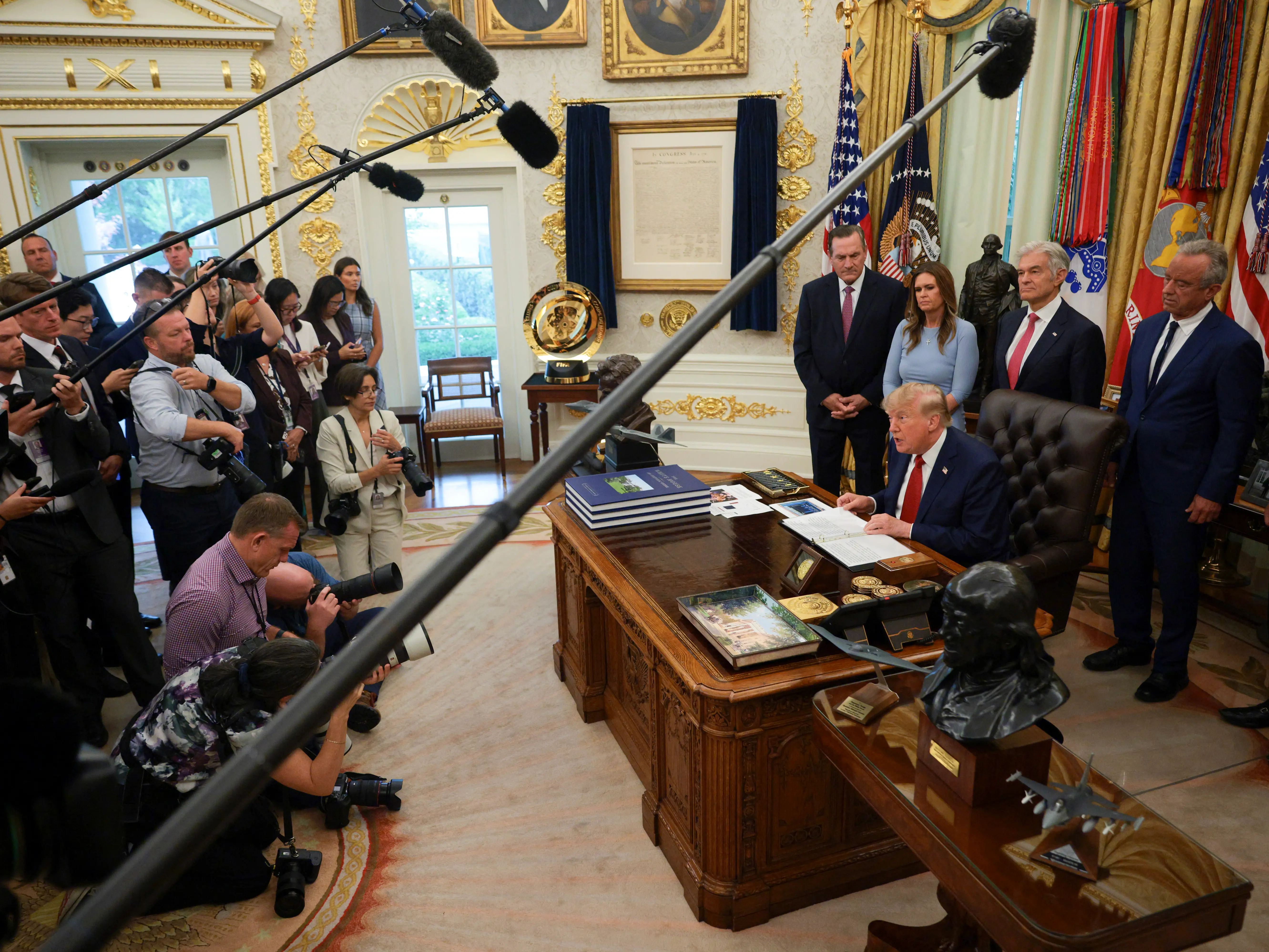)
Trump bans CNN, MS NOW and Politico from White House over ‘FAKE NEWS’
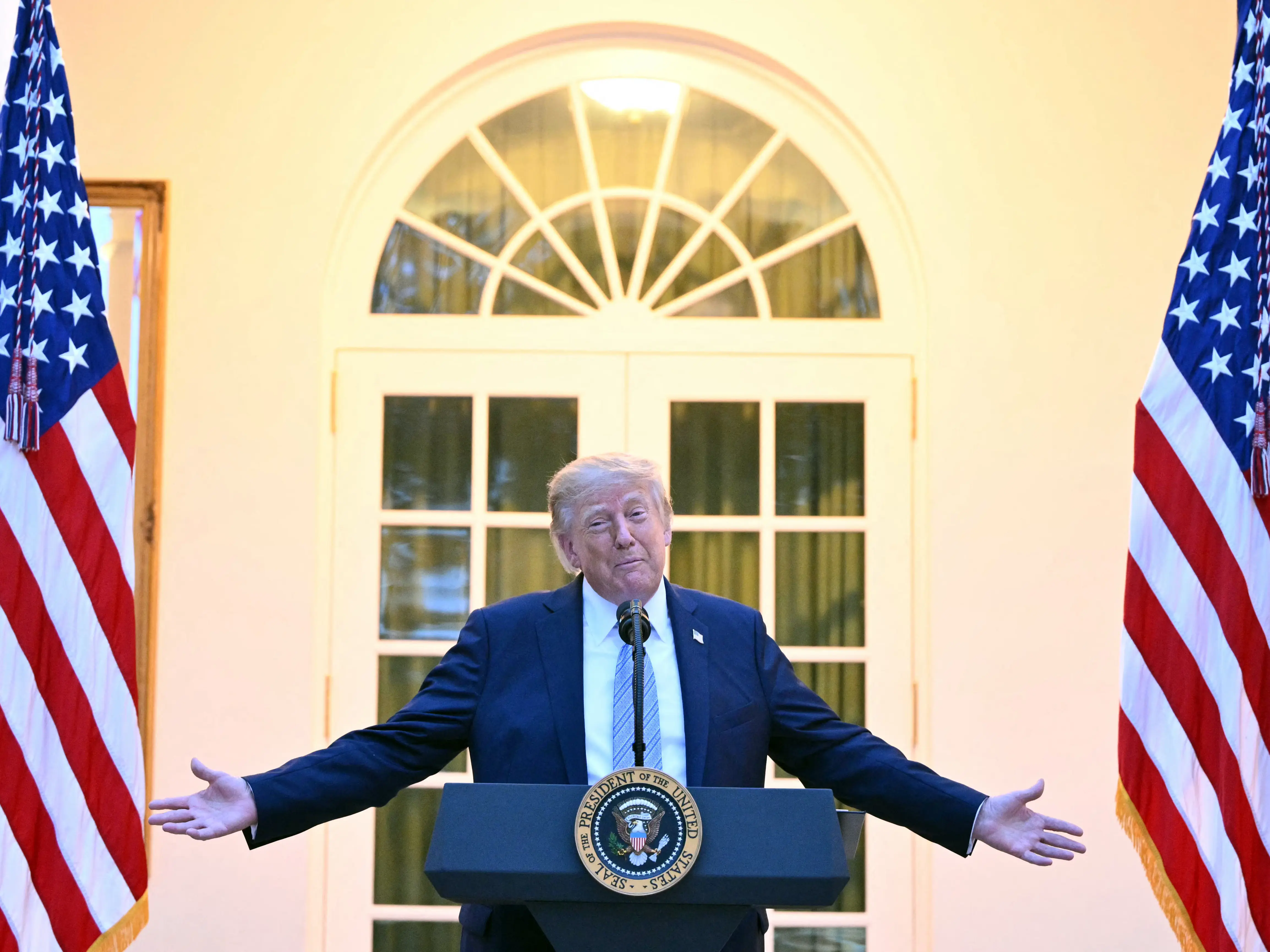)
Trump 2.0: Dark days ahead for America’s ‘imperial presidency’
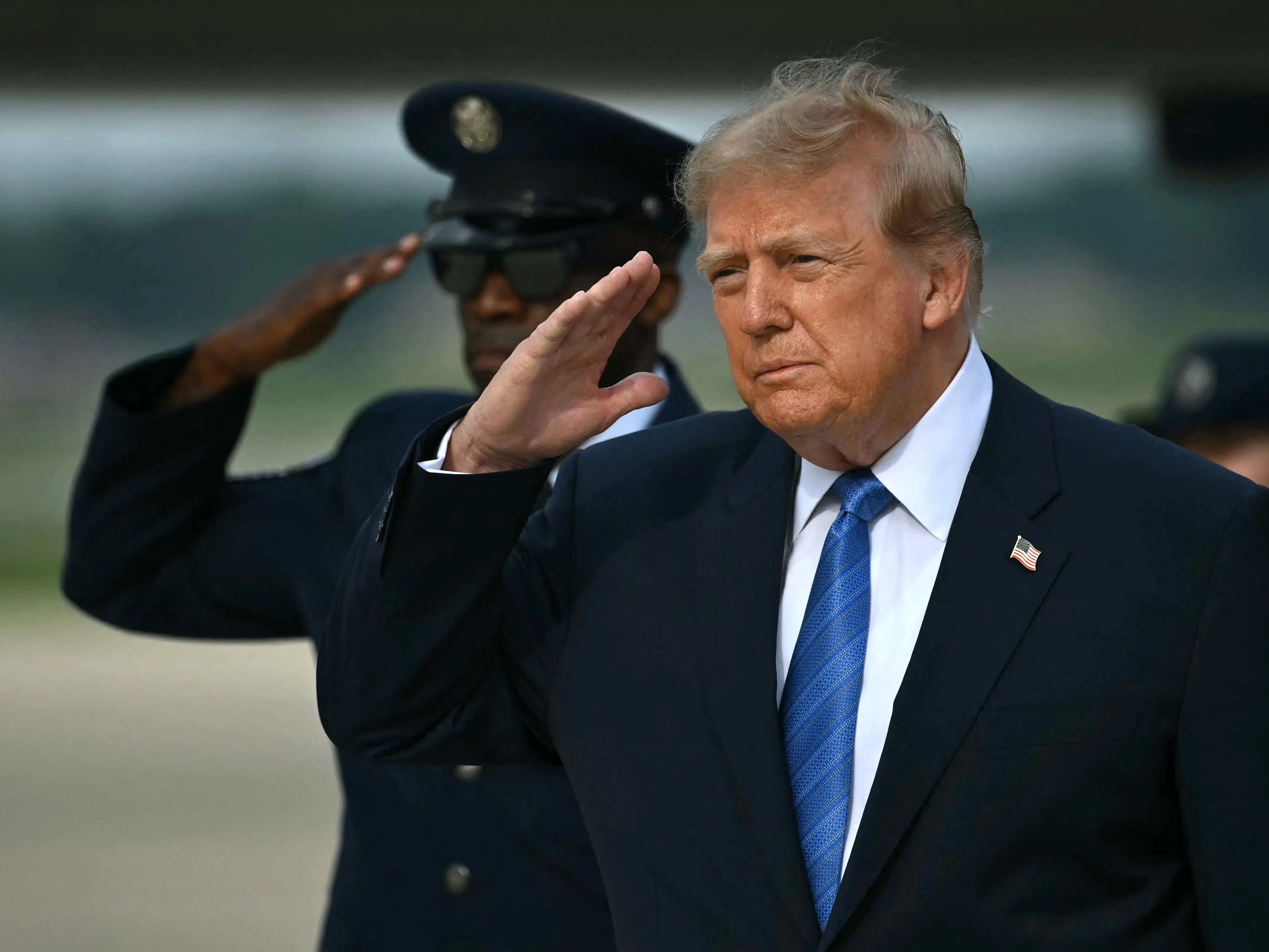)
Trump's Greenland dream comes true? POTUS announces 'Infinite Life' deal with Denmark, claims permanent US control
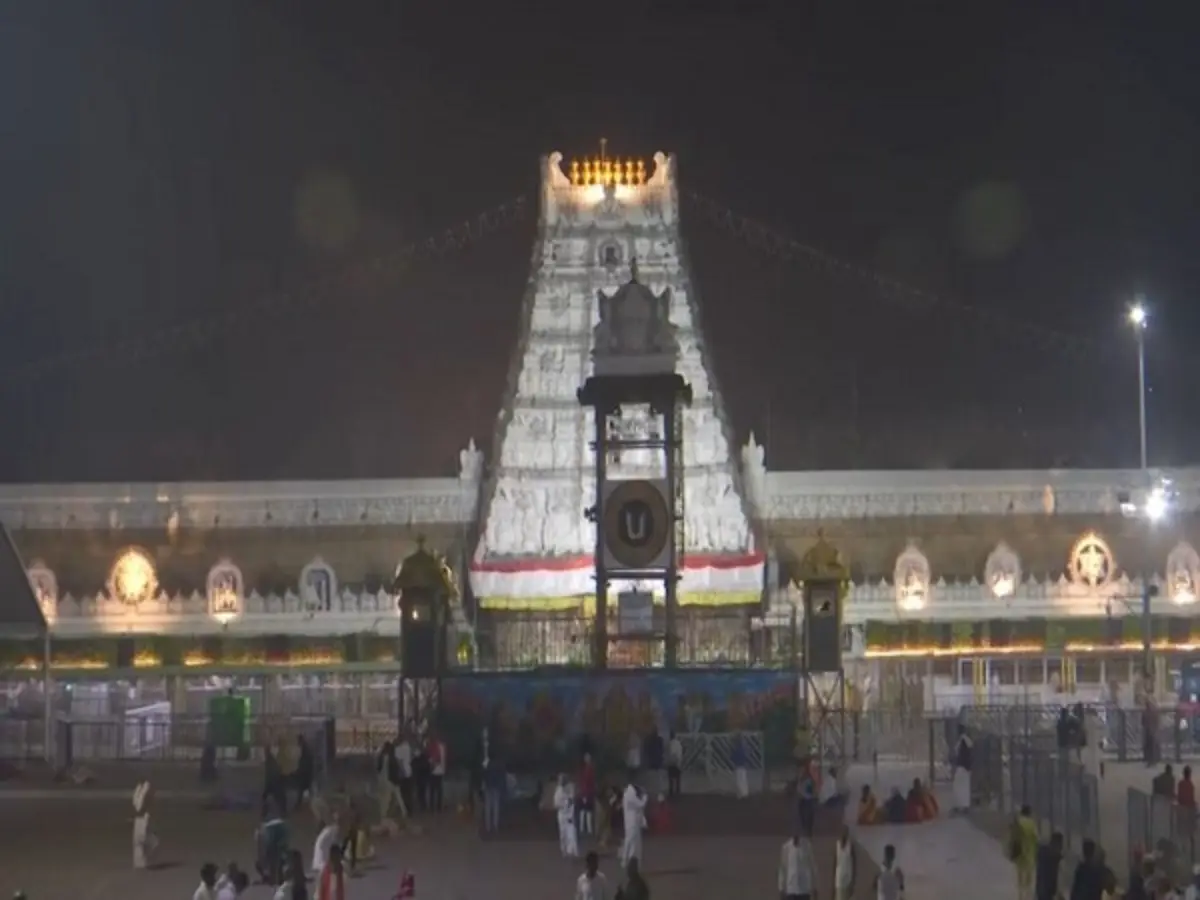)
Tirupati Laddu ghee adulterated with chemicals, says ED, supplier arrested
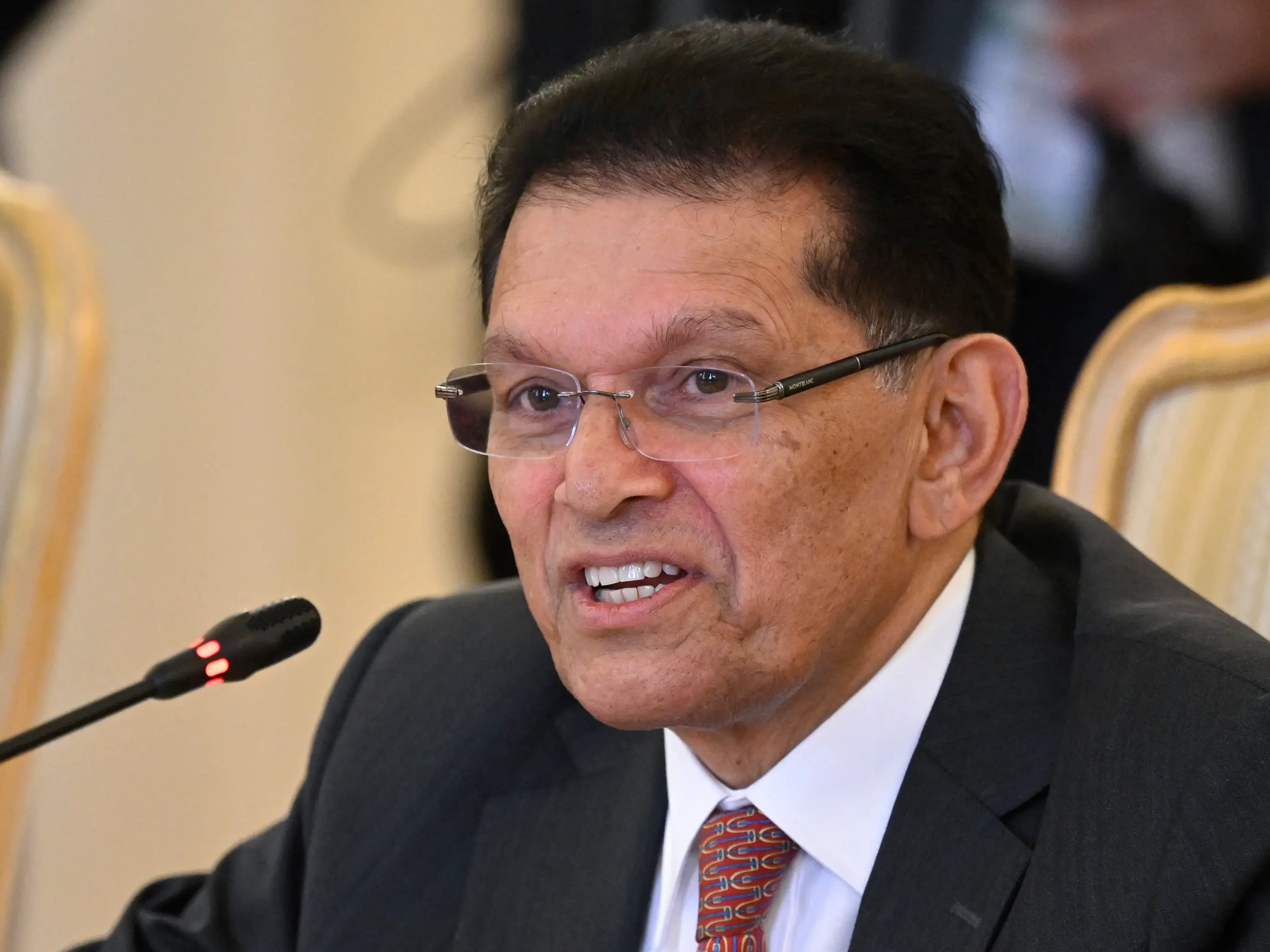)
Who is Khalilur Rahman? All you need to know about 81st UN General Assembly President
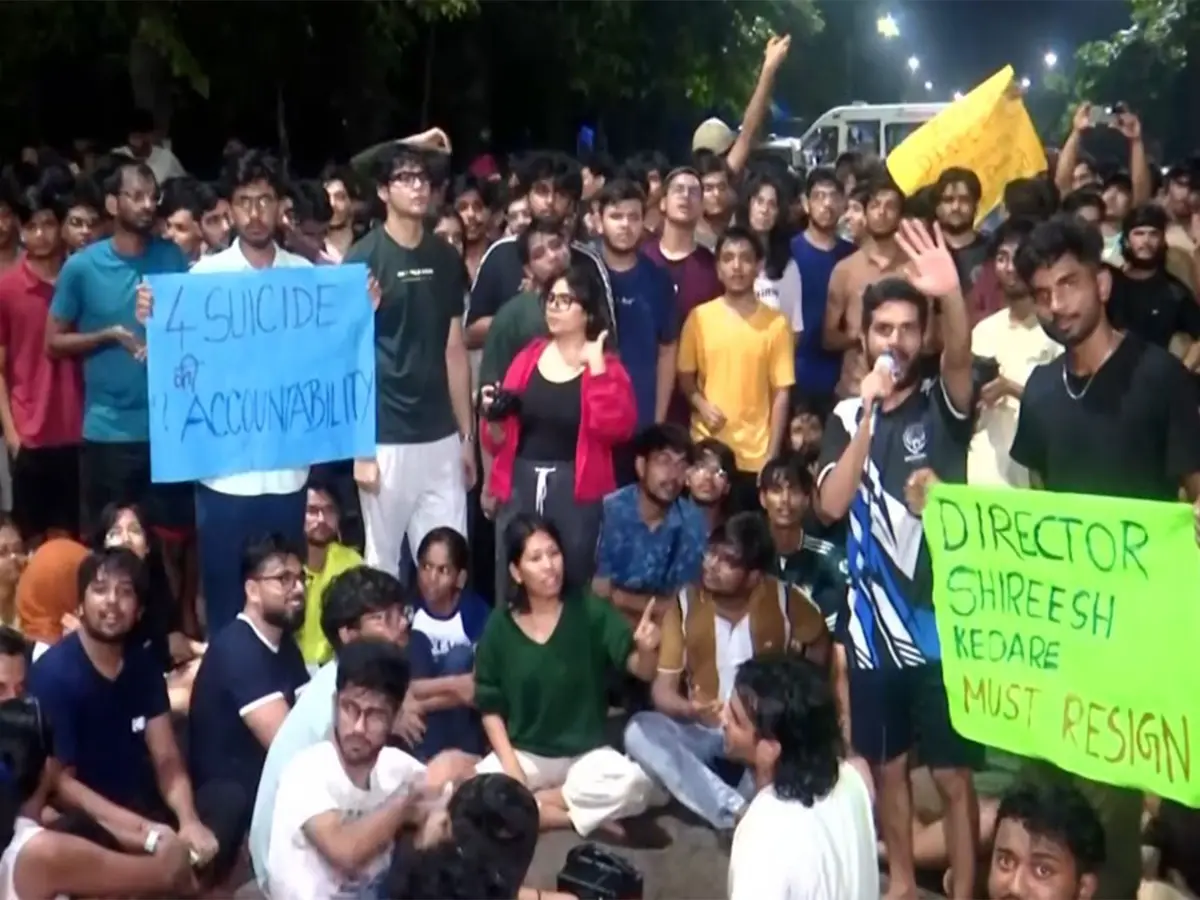)
IIT Bombay student dies by suicide, was caught seeking AI help during exams
&im=FitAndFill=(700,400))
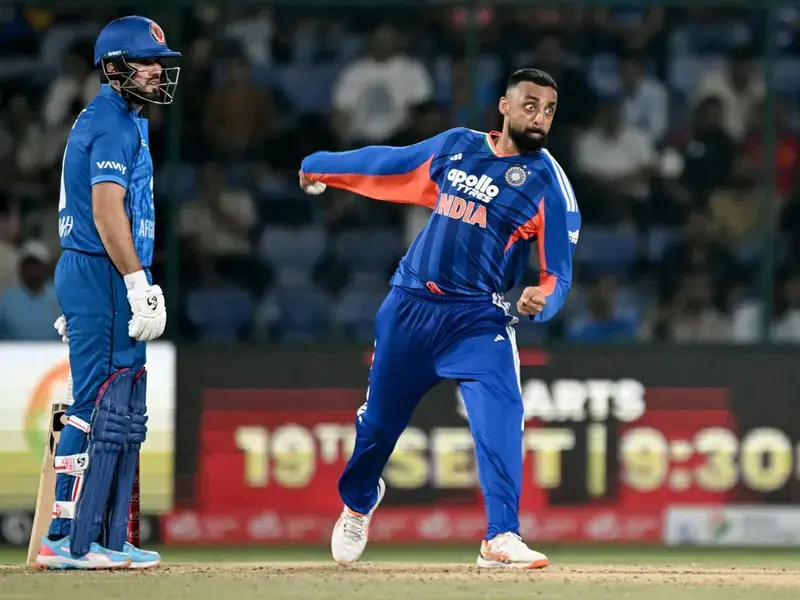
Meet top 5 bowlers in latest ICC T20I rankings
)
Indian Cinema bets big on mythology, brings ancient stories to modern audiences
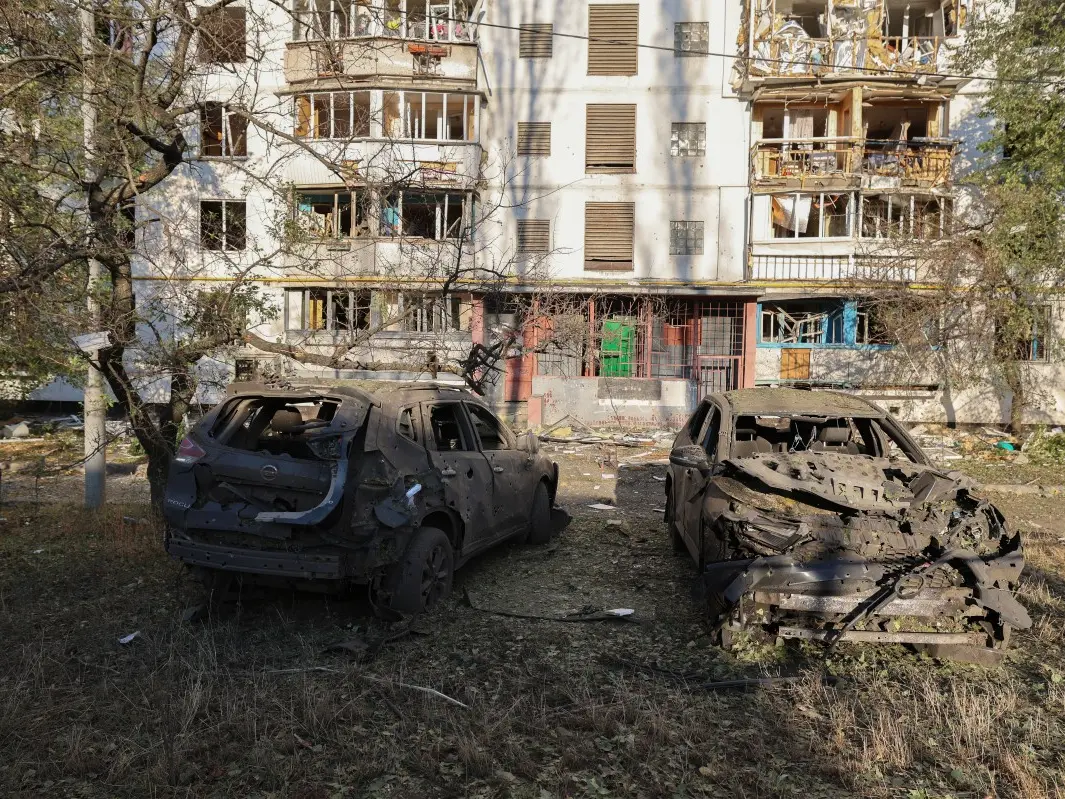)
Ukraine plans record $109 bn defence spending, nearly two thirds of budget amid Russia war
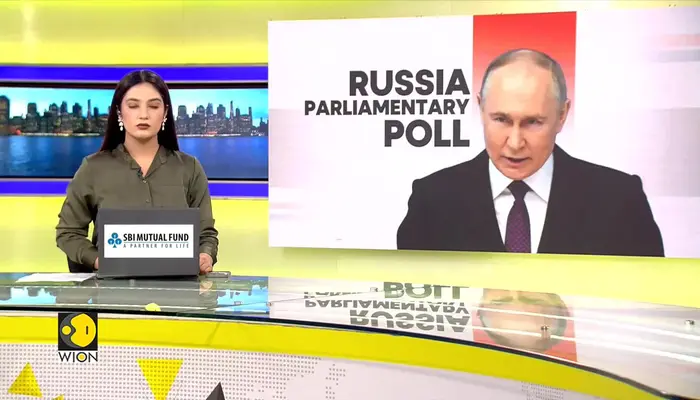)
Russia holds first parliamentary elections since the beginning of the Ukraine war
&im=FitAndFill=(700,400))
Meet top 5 Indian batters with fastest T20I centuries
)
"We have taken a step forward from everybody's opposition. But I think this could take some time, three to six months. We will meet people from both communities. Whatever the court decides will be for everybody but this is a golden opportunity for both sides to come together and find a solution to the issue and show their brotherhood.
One community may think 50 years later, that injustice was meted out to them. Then this issue can come up once again, If we want to put an end to the issue once and for all, then there is only one way that both communities co-operate and build the temple.
This seems impossible right now but it is possible to make this possible," he said.
"The environment is positive. People want to come out of this conflict. I know it is not easy. Let me talk to everyone. It is too early to reach a conclusion," Sri Sri Ravi Shankar told the press.
The Art of Living founder arrived in Ayodhya amid high security earlier in the day.
Uttar Pradesh chief minister Yogi Adityanath, who had welcomed Sri Sri Ravi Shankar's offer to mediate between the stakeholders yesterday, downplayed the spiritual leader's efforts today and said one should wait for the Supreme Court's verdict.
"Talks have been initiated earlier as well but without any solution, but still I welcome anyone who makes efforts again. Supreme Court is hearing the case we should wait for it," the Uttar Pradesh chief minister said.
Sri Sri Ravi Shankar and Yogi Adityanath met yesterday (November 15) at Yogi Adityanath's official residence in Lucknow.
In an informal interaction with journalists after meeting Adityanath, Sri Sri Ravi Shankar said,"I want unity...I want amity. This is just a beginning. We will talk to all."
A top official described the meeting between Ravi Shankar and Adityanath as "good".
Bharatiya Janata Party (BJP) national general secretary Ram Madhav had yesterday downplayed the visit, and said the legal process should first let be completed in the Supreme Court, only after which other options should be explored.
The matter is pending before the Supreme Court, which in a few weeks will start hearings on the disputed site claimed by both the Hindus and the Muslims.
Sri Sri Ravi Shankar's offer for mediating in the dispute has received a tepid and skeptical response from key protagonists on both sides. The All India Muslim Personal Law Board (AIMPLB) and the Vishwa Hindu Parishad (VHP) have voiced reservations about his role.
A bench headed by the then Chief Justice J S Khehar had said in March this year that such religious issues can be resolved through negotiations and offered to mediate to arrive at an amicable settlement.
The Supreme Court will hear the case on December 5, a day before the 25th anniversary of the Babri Masjid demolition on December 6, 1992 by thousands of right-wing activists who claimed the mosque was built on a temple which marked the birthplace of Lord Ram in the 16th century. Two thousand people were killed in the riots which followed the demolition of the mosque.
In 2010, the Allahabad High Court ruled that the 2.77 acres of Ayodhya land be divided into 3 parts, with one-third going to the Ram Lalla (Infant Rama) represented by the Hindu Maha Sabha for the construction of the Ram temple, one-third to the Sunni Waqf Board and the remaining one-third to the Hindu Nirmohi Akhara.
All the three parties appealed against the division of the disputed land.