Institutions must proactively engage, change with time: Nehru Memorial director

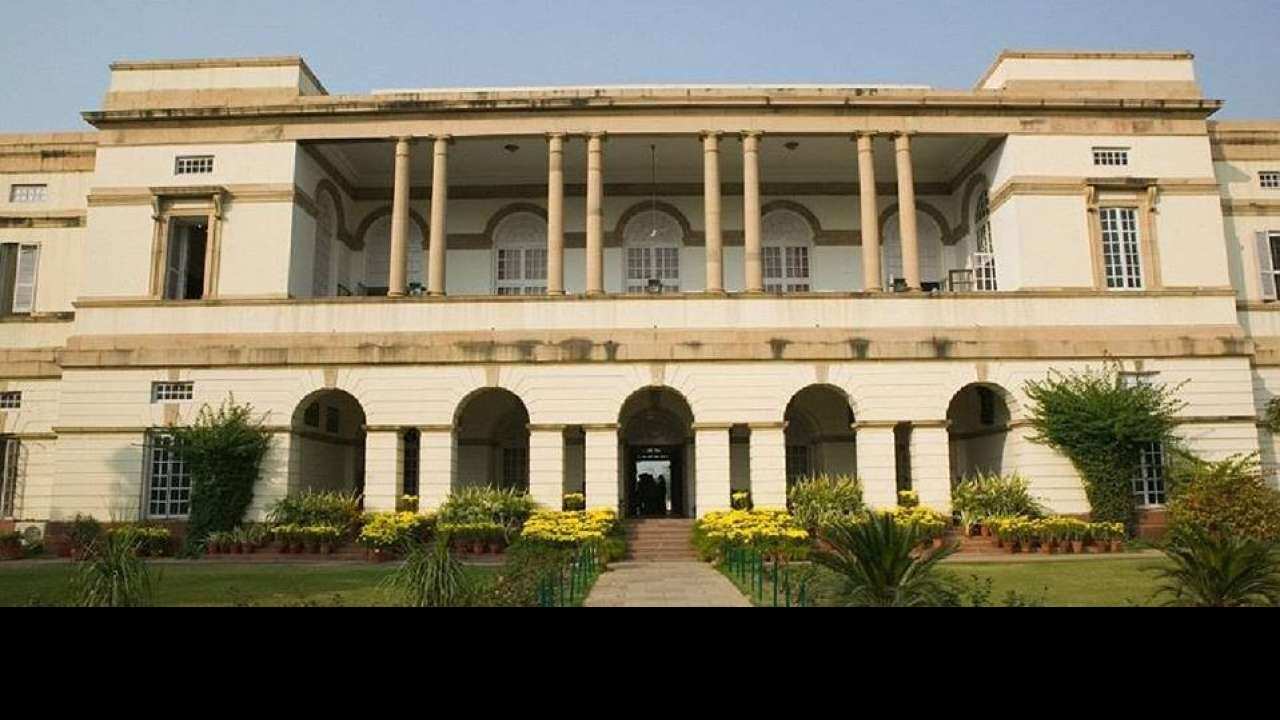
Nehru Memorial Museum
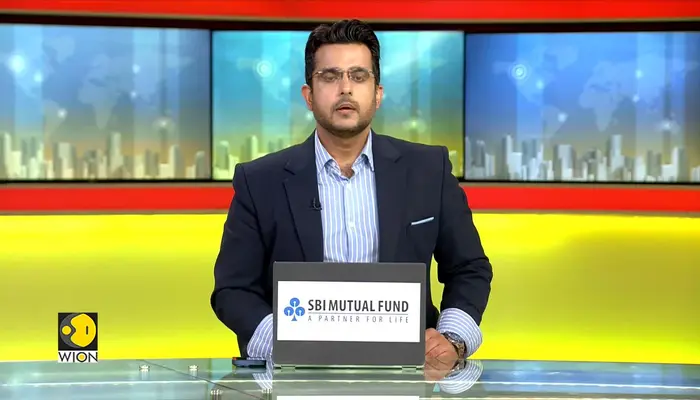
Prime Ministerial residence post-independence, Nehru Memorial Museum Library (NMML) was converted into a museum. It also houses a library besides offering fellowship. NMML is also building a separate museum for the former prime ministers which has run into trouble. Former Prime Minister Manmohan Singh even shot off a letter saying that NMML should solely be dedicated to the legacy of India’s first Prime Minister Jawaharlal Nehru. WION spoke to Shakti Sinha, director of NMML.
WION: What is the idea behind a museum dedicated to other Prime Ministers?
Shakti Sinha: Prime Ministers have played a very important role in India’s democratic story. The idea was to put all that in one place which has taken place in the last 70 years. This will allow people to come and study various aspects of different prime ministers and their contribution. It will also show the way the prime minister’s office has evolved. It will be a one-stop place for Indian citizens to know about the prime ministers.

WION:Do you think that contributions made by non-Nehru and Gandhi family prime ministers have been ignored?
Shakti Sinha: The city has Nehru and Indira Gandhi memorials but one wants to know something about Lal Bahadur Shastri as the relevant material is not available. Today you do not have a dedicated place to learn about Prime ministers like Morarji Desai, Charan Singh and Narasimha Rao. How many people know about Deve Gowda? Public reference of Shastri is limited to the war and Tashkent. There is no knowledge of his contribution made in the public domain. Even India’s first non-Congress Prime Minister Morarji Desai is completely forgotten.
WION:Manmohan Singh has a written a letter that the primary focus of the institution should remain on Nehru. Your comments?
&imwidth=180&imheight=135&format=webp&quality=medium)
'Baseless and misconceived': India issues statement after Elon Musk's 'oligarchs' claim over Starlink delay
&imwidth=180&imheight=135&format=webp&quality=medium)
‘You earned that love’: Messi’s wife shares heartfelt message as football icon bids farewell to international stage
&imwidth=180&imheight=135&format=webp&quality=medium)
Trump's naked 23-karat gold statue unveiled near European Parliament
&imwidth=180&imheight=135&format=webp&quality=medium)
Musk doubles down on Starlink India licence allegations; Rahul Gandhi says ‘wait till...’
&imwidth=180&imheight=135&format=webp&quality=medium)
Thai Actors Fourth Nattawat, Gemini Norawit face racism accusations from Indian fans over viral Bollywood act
&imwidth=180&imheight=135&format=webp&quality=medium)
Captain Smit Machchhar on feet again, walks 10 steps as recovery continues after Flydubai flight attack
&imwidth=180&imheight=135&format=webp&quality=medium)
‘Battlespace has expanded’: Wg Cdr Priti Ojha (Retd) reflects on changing face of air power on IAF Day
&imwidth=180&imheight=135&format=webp&quality=medium)
At least one plane ‘catastrophically damaged’ at Riyadh airport after Houthi strikes: Report
&imwidth=180&imheight=135&format=webp&quality=medium)
Trump distances himself from senior political advisers over work for pro-Russian government
&imwidth=180&imheight=135&format=webp&quality=medium)
‘IPL franchises provided a big base’: SA20 commissioner Graeme Smith on league’s success
&imwidth=180&imheight=135&format=webp&quality=medium)
24-year-old Sri Lankan man sentenced to death for blasphemy in Saudi Arabia
&imwidth=180&imheight=135&format=webp&quality=medium)
A Love Other Than Yours: The temptation to cheat and what pushes people over the edge
&imwidth=180&imheight=135&format=webp&quality=medium)
Russia president Putin promises to 'do everything' to help settle Middle East conflict as US-Iran negotiations stall
&imwidth=180&imheight=135&format=webp&quality=medium)
Trend to replace mindless snacking with dark chocolate chunks
&imwidth=180&imheight=135&format=webp&quality=medium)
Narendra Modi Stadium bomb threat declared hoax; India & Australia U19 squads safe
&imwidth=180&imheight=135&format=webp&quality=medium)
Exclusive: India's first man in space in nearly 4 decades
&imwidth=180&imheight=135&format=webp&quality=medium)
BTS agency HYBE announces first-ever Weverse Con Festival in India
&imwidth=180&imheight=135&format=webp&quality=medium)
Trump has a new 'enemy': Anyone who calls it 'artificial intelligence'. Here's what we wants instead
&imwidth=180&imheight=135&format=webp&quality=medium)
Paxton in leaked audio says Trump hurting his election chances
&imwidth=180&imheight=135&format=webp&quality=medium)
Who is DogeDesigner? All we know about the X account that sparked India-Musk-Starlink ‘oligarchs’ controversy
&imwidth=180&imheight=135&format=webp&quality=medium)
India at UN: Pak allows terror groups to operate from its soil
&im=FitAndFill=(700,400)&imwidth=180&imheight=135&format=webp&quality=medium)
Nana Patekar’s upcoming big-screen films: From Shakti Shalini to Eetha
&imwidth=180&imheight=135&format=webp&quality=medium)
Nobel Peace Prize 2026: Trump to Carney, who are the top contenders? Why the ISS is a surprise contender
&im=FitAndFill=(700,400)&imwidth=180&imheight=135&format=webp&quality=medium)
US midterms 2026: 10 leaders and candidates to watch in the battle for Congress
&imwidth=180&imheight=135&format=webp&quality=medium)
42 ex-judges write open letter, express concern over allegations against Election Commission
&im=FitAndFill=(700,400)&imwidth=180&imheight=135&format=webp&quality=medium)
From Kramatorsk buses to Yandex fire: Russia-Ukraine war in the last 48 hours
&imwidth=180&imheight=135&format=webp&quality=medium)
Nana Patekar's #MeToo controversy: From Tanushree Dutta’s allegations to court ruling
&imwidth=180&imheight=135&format=webp&quality=medium)
Atlantic hurricane Isaias could make landfall as a strong Category 2 storm, tornado warnings issued
&imwidth=180&imheight=135&format=webp&quality=medium)
Pakistan denies reports of PAF jets being used in attacks against Iran-backed Houthis in Yemen
&imwidth=180&imheight=135&format=webp&quality=medium)
‘Stealth will come to Pakistan before us’: Ex-IAF Chief warns, backs fighter-mounted laser weapons
&imwidth=180&imheight=135&format=webp&quality=medium)
Report: US puts military in ready mode for possible new strikes
&imwidth=180&imheight=135&format=webp&quality=medium)
Who is Nana Patekar's wife Neelakanti? The bank officer who earned Rs 2,500 when he earned Rs 50
&imwidth=180&imheight=135&format=webp&quality=medium)
New Cold War: Why is China buying more gold? Explained
&imwidth=180&imheight=135&format=webp&quality=medium)
IndiGo flight struck by lightning at 17,000 feet, nose of Patna-Lucknow flight damaged
&imwidth=180&imheight=135&format=webp&quality=medium)
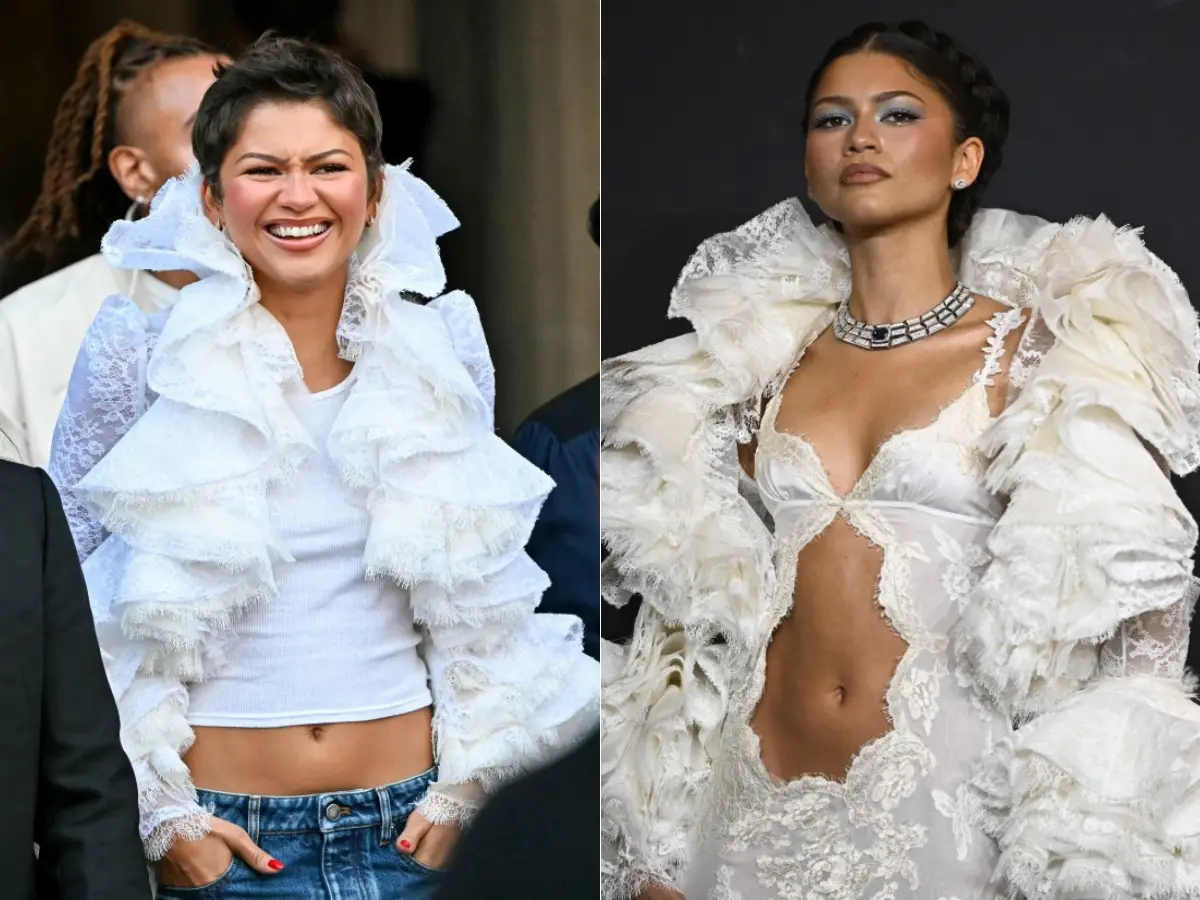
Zendaya gives The Odyssey white lace jacket a stylish twist at Paris Fashion Week 2026
&imwidth=180&imheight=135&format=webp&quality=medium)
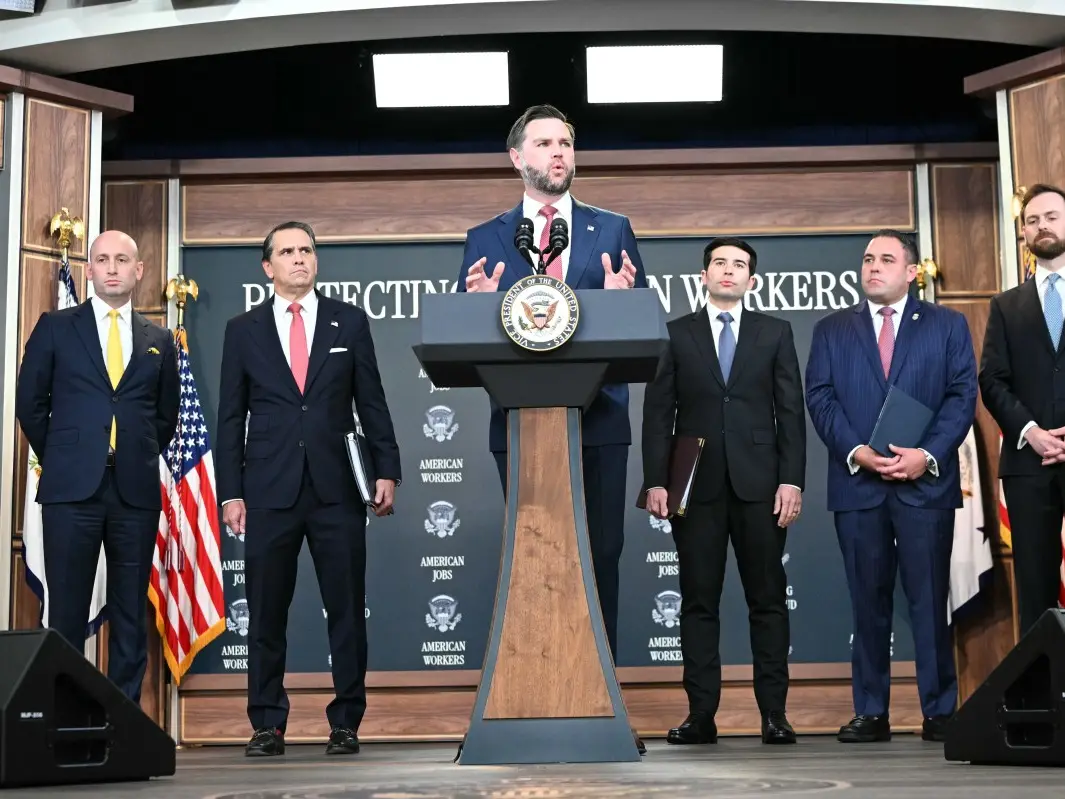
US suspends Microsoft, Infosys, Tata, Wipro from green card programme over alleged H-1B abuse
&imwidth=180&imheight=135&format=webp&quality=medium)
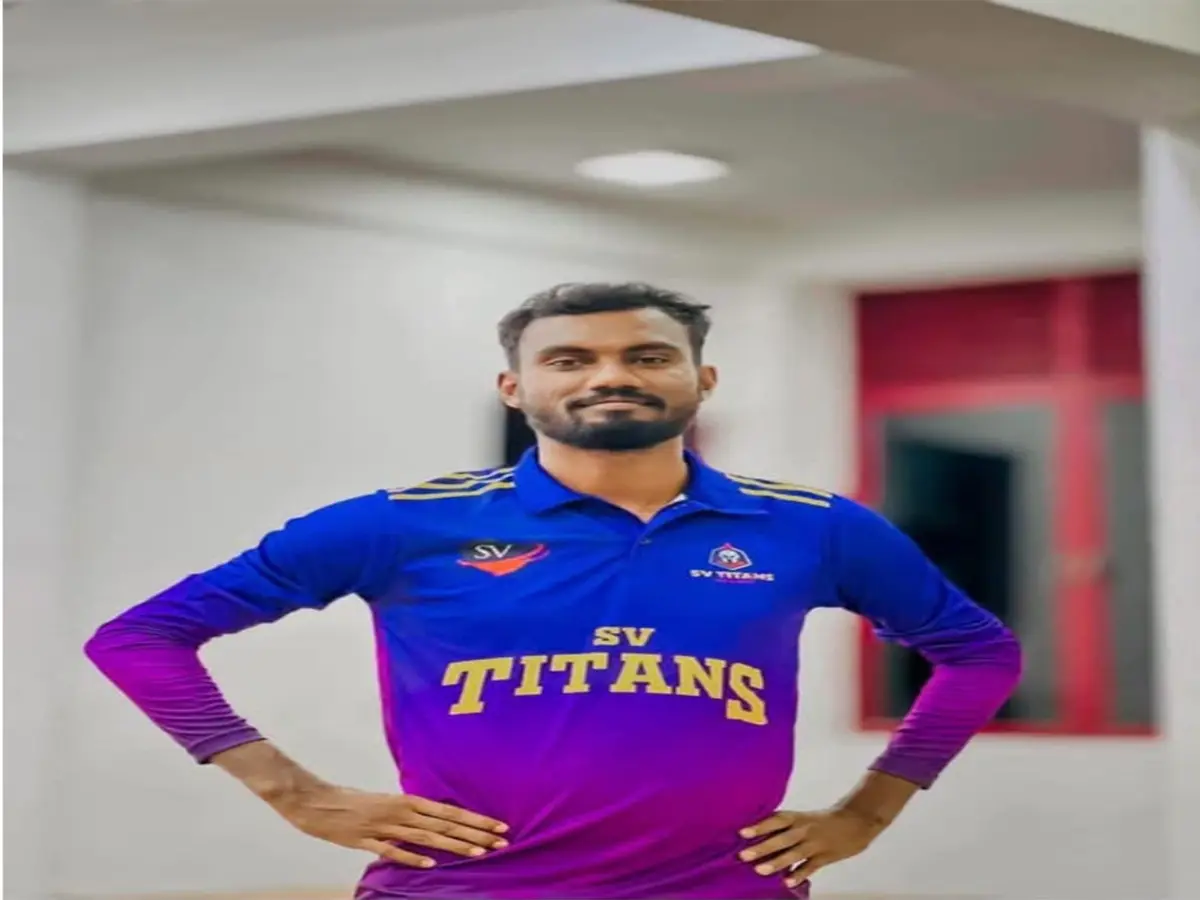
Sri Lankan Tamil worker gets death sentence in Saudi Arabia over blasphemy, calls for pardon intensify
Shakti Sinha: I have got great regards for Manmohan Singh but the fact of the matter is that in the museum there is nothing about Jawaharlal Nehru as the PM. Nothing. Only two photographs post-independence. Otherwise, it is a very fine museum on the Indian freedom struggle. It covers different aspects and phases of the freedom struggle beautifully. Even the library is diverse in its nature. It has private papers of 400 individuals including Rajaji and Shyama Prasad Mukherjee. We also have papers from Congress, Hindu Mahasabha and Muslim League. The library and museum are not predominantly about Nehru in any case. If someone is saying that today this museum and library is only about Nehru then they are misplaced.
WION:Where are you making this separate museum?
Shakti Sinha: We are going through the process of a design competition. There is a place behind the existing structure. Rest of the place is full of trees and we would not like to bring them down.
WION:Was this institution able to evolve after its inception?
Shakti Sinha: Yes, it did. This institution is very well known internationally. Our biggest strength is our documentation. For scholars of the world, if they are writing on contemporary India then, NMML is the place. The library has grown in the last three years. Museum has not changed. We are upgrading it. We are bringing more of Nehru in the museum now. We bringing aspects of Nehru which were absent earlier.
WION:Was this institution closed to other ideologies?
Shakti Sinha: The management of ideology can only happen by selecting exhibitions are granting fellowship. There is nothing you can do in the museum. I know people will accuse me of taking sides but I have tried my best to get people from all sides.
WION:Is this a reflection of heated ideological war which has become part of our political discourse?
Shakti Sinha: I would think so. This is the reason why many people are attacking us without knowing as to what we have done and we have been doing. We are actually bringing back Nehru into the museum.
WION:You are being accused of diluting Nehru’s legacy?
Shakti Sinha: I feel sad about it because people have not bothered to find what work we have done.
WION:Will the basic nature of the institution remain unchanged or will it change with time?
Shakti Sinha: No living institution remain unchanged. Institutions must take up new challenges and must not react but proactively engage and change with time. Academic platforms like NMML must be part of the change.