
&imwidth=800&imheight=600&format=webp&quality=medium "India's South-South cooperation leadership shaping global development says top UNDP official")
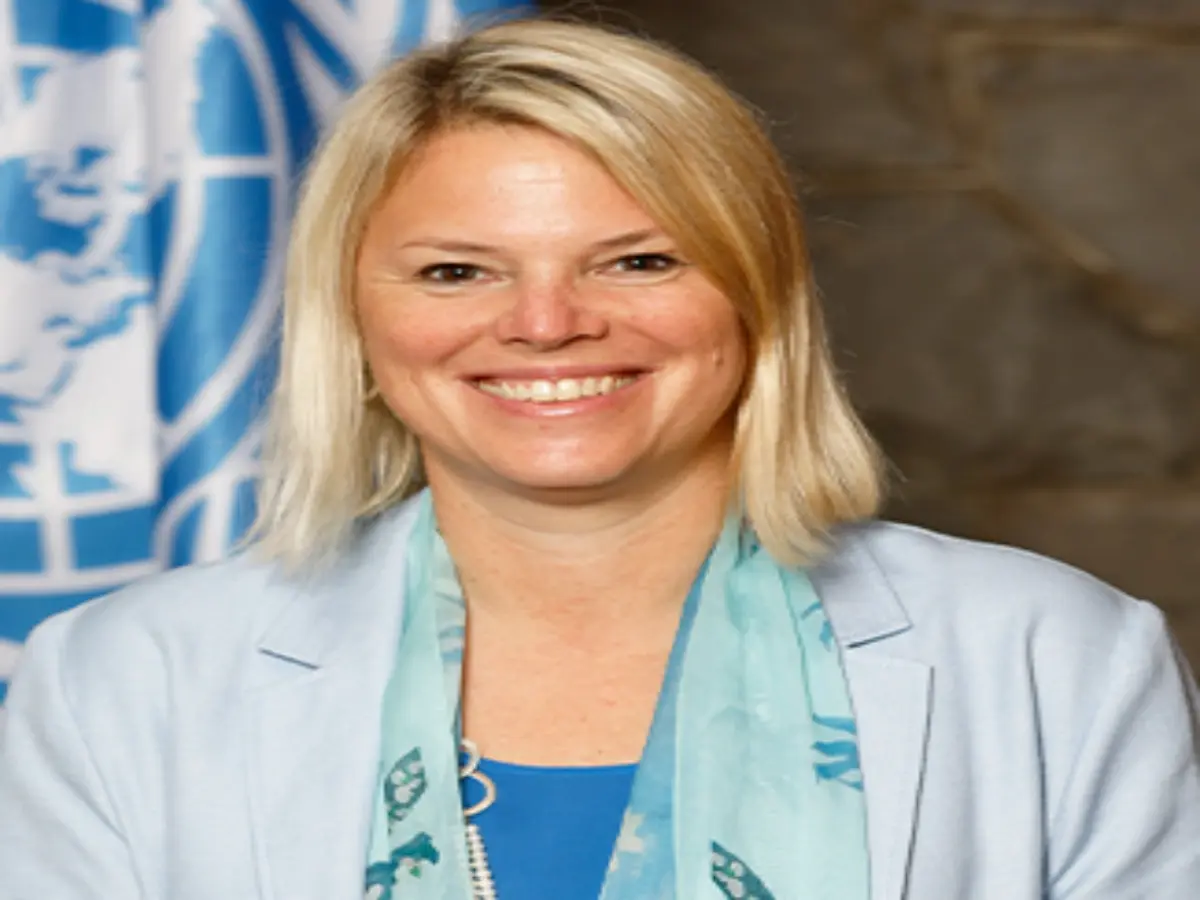
United Nations Development Programme (UNDP) official has lauded India's role in south-south cooperation, pointing how "India is creating development solutions that are shaping important aspects of the global development agenda and climate commitments". Speaking to WION's Sidhant Sibal, Isabelle Tschan, Deputy Resident Representative and Officer In-Charge, UNDP India pointed how India established global platforms like International Solar Alliance (ISA) is helping expand access to solar energy while International Solar Alliance (ISA) is equipping countries with knowledge and tools to design infrastructure that can withstand climate disasters.
The United Nations Development Programme (UNDP) is the United Nations' leading agency focused on international development and partners with governments, communities, and organizations to eradicate poverty, reduce inequalities. The official pointed, " India’s South–South Cooperation is demand-driven, with partner countries defining their priorities and selecting solutions suited to their context". Her comments come on the day when UN marks the United Nations Day for South-South Cooperation.The day, 12th September, marks the adoption of the Buenos Aires Plan of Action in 1978, a foundational framework for technical cooperation among developing countries.Interview:
Sidhant Sibal: How is India positioning itself as a global leader in South-South Cooperation today?

Isabelle Tschan: India’s leadership in South-South Cooperation is evident in its ability to deliver practical, tested solutions while advancing solidarity across the Global South. During its G20 Presidency, India invited the African Union to participate, giving the continent a collective voice in discussions with the world’s largest economies. This was a significant step in strengthening partnerships between Africa, India, and other key economies to advance the SDGs.India is creating development solutions that are shaping important aspects of the global development agenda and climate commitments. Beyond funds, India has established global platformsheadquartered in New Delhi that deliver collective solutions. The International Solar Alliance (ISA),now bringing together more than 100 member states, is helping expand access to solar energyand cut the cost of clean power. The Coalition for Disaster Resilient Infrastructure (CDRI) equips countries with knowledge and tools to design infrastructurethat can withstand climate disasters, strengthening resilience against the growing impacts of climate change. The International Big Cat Alliance (IBCA) unites 95 countries, conservation partners, scientific organisations, and businesses to protect and restore big cat populations worldwide. India is also a global leader in Digital Public Infrastructure (DPI), supporting countries to adapt solutions to their specific regulatory, financial, and social contexts rather than simply transferring technology. For example, the Unified Payments Interface (UPI) now connects with Singapore’s PayNow and has been implemented in Sri Lanka and Mauritius, with adaptations to fit their local systems and regulations. To further facilitate this knowledge exchange, India launched the Global Digital Public Infrastructure Repository (GDPIR) during its G20 Presidency. The repository helps countries study, compare, and adapt proven digital systems in a safe and inclusive way. This open-access platform, available online, currently lists 54 DPIs from 16 countries.
The GDPIR shows India’s commitment to strengthening global cooperation in digital governance.
Sidhant Sibal:What are the flagship funds driving India’s South-South Cooperation?
Trending Stories
66 years of the Indus Waters Treaty: How India and Pakistan settled a bitter river dispute
)
Trump 2.0: Dark days ahead for America’s ‘imperial presidency’
)
Operation Sindoor’s hidden naval dimension | MoD reveals Indian Navy Special Forces joined May 7 strikes
&im=FitAndFill=(700,400))
Ananya Panday to Sharvari: 5 actresses serving major princess vibes
)
Tirupati Laddu ghee adulterated with chemicals, says ED, supplier arrested
)
FACT CHECK: Why did PM Modi ask Xi ‘is it okay’ at BRICS Summit? New video reveals...
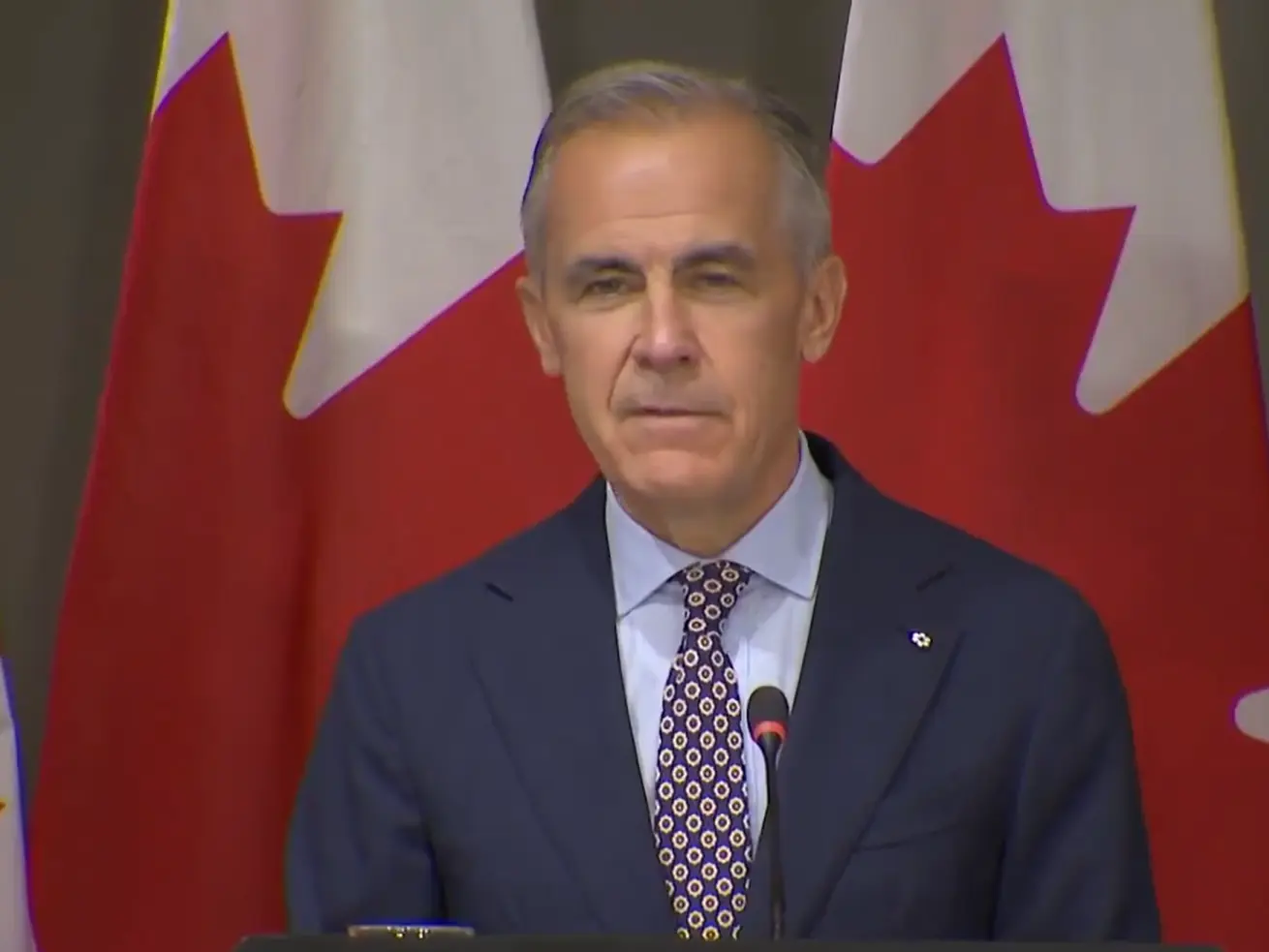)
Mark Carney mimics Trump in hilarious moment over C$70 billion clean-energy investment; room erupts in laughter
)
Trump signs Russia sanctions bill into law, targets Moscow’s energy sector
&im=FitAndFill=(700,400))
Meet top 5 Indian batters with fastest T20I centuries
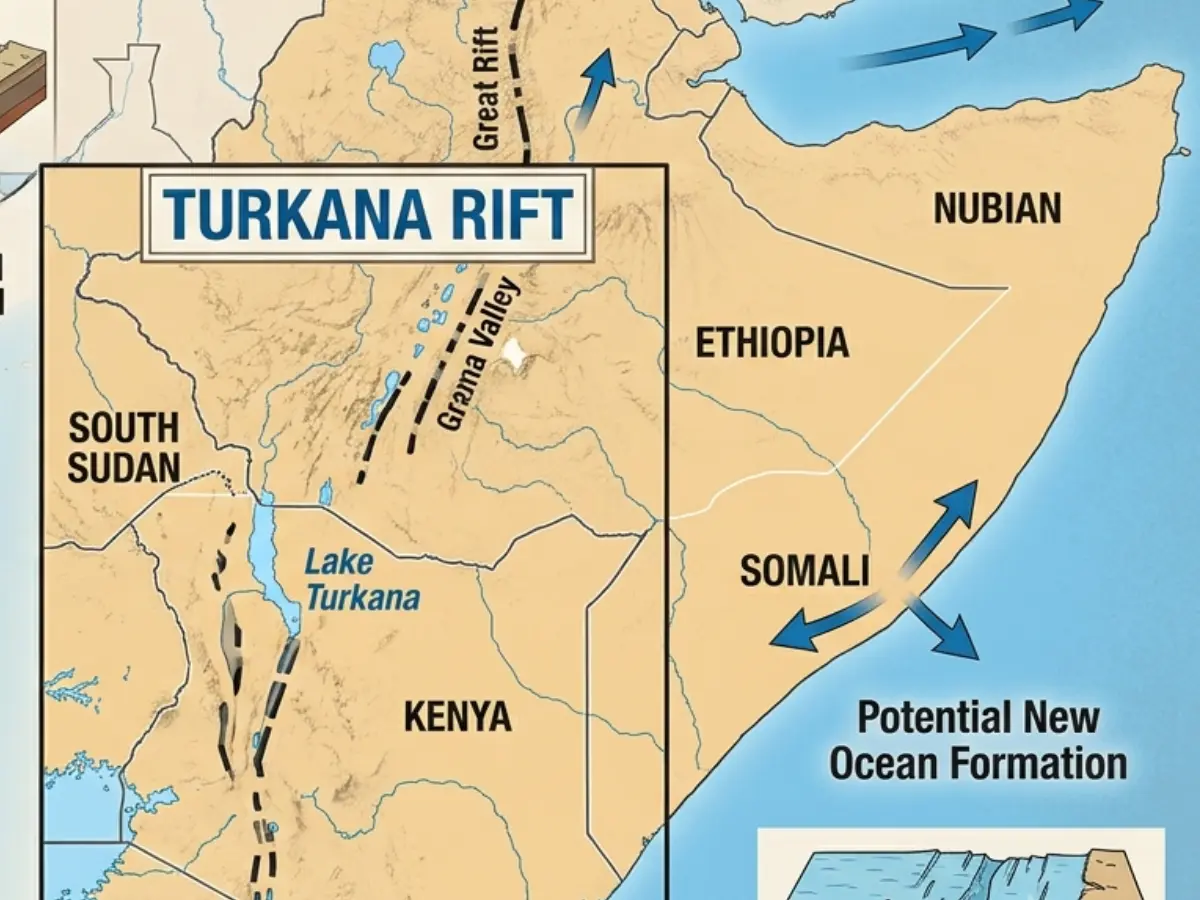)
Africa is splitting, and a lot sooner than estimated, giving way to a new ocean
)
Iran sets 7 conditions to end war with US: What are Tehran’s demands?
)
Pak: A series of counter terrorism operations in Khyber Pakhtunkhwa
)
Why Ranveer Singh’s Dhurandhar missed India’s Oscar entry; FFI jury member reveals what happened
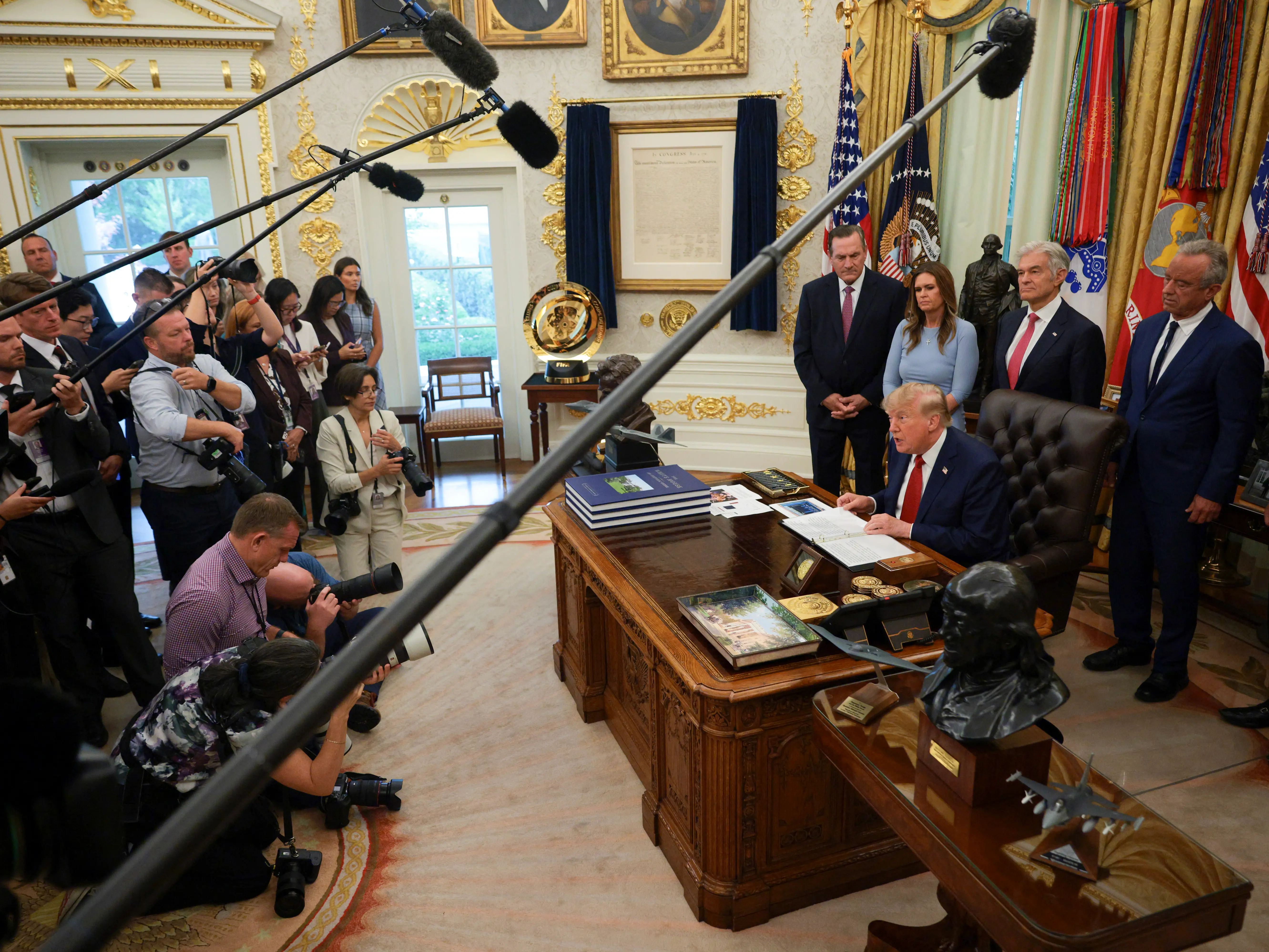)
Trump bans CNN, MS NOW and Politico from White House over ‘FAKE NEWS’
)
Pentagon revives mandatory testosterone testing for male troops aged 30 and above
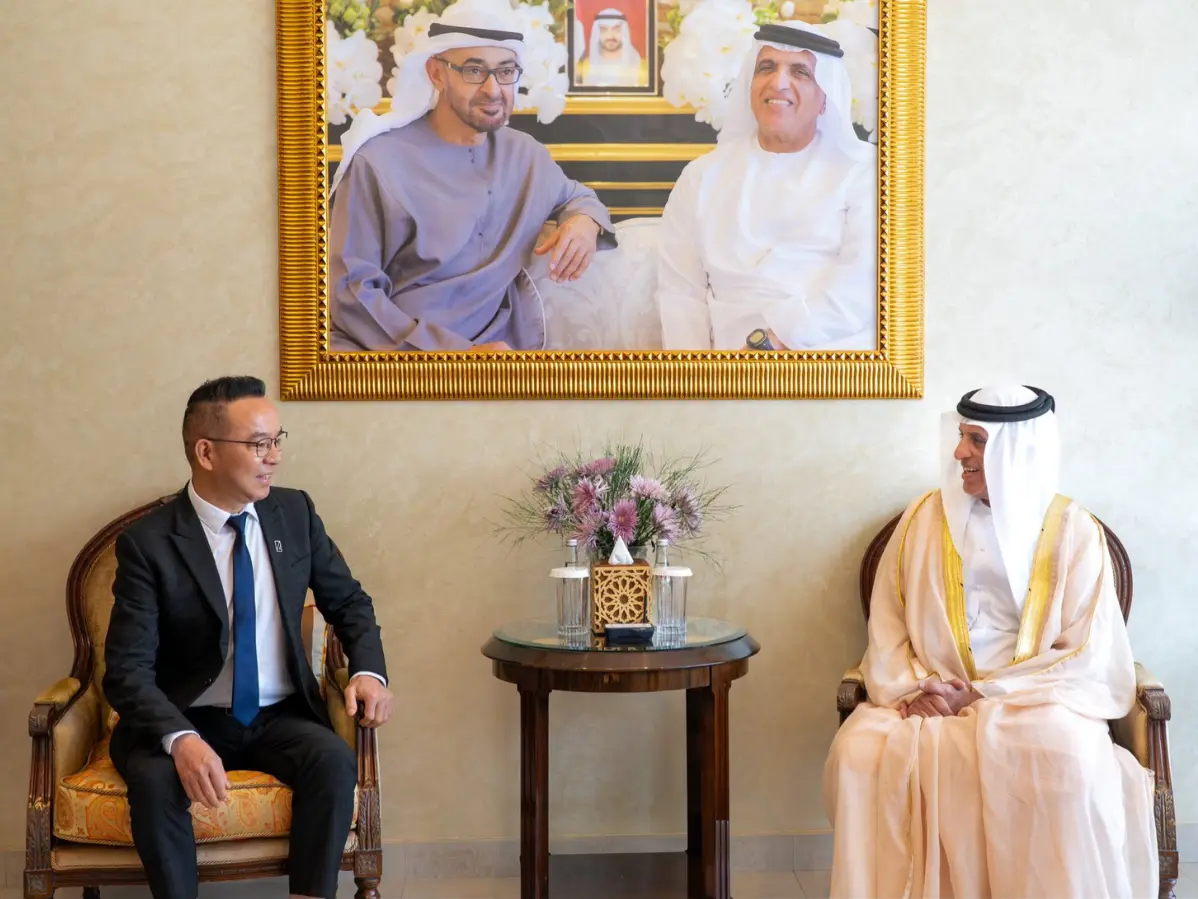)
Flying cars in UAE: Ras Al Khaimah signs deal with Chinese company to test new transport
&im=FitAndFill=(700,400))
How many F-35s does Britain, Japan and Israel have?
)
How did an Australian river with 500 crocodiles pass the Olympic test? Here's how
)
Iran rebuilding nuclear facilities? New satellite images show Tehran may be rapidly restoring bombed Parchin base
)
Putin: European leaders using war rhetoric to save falling ratings
)
Ajit Agarkar’s future as chief selector to be decided at right time, says BCCI secretary
)
Reacher star Alan Ritchson opens up about alleged blackmail, suicide attempt during difficult period
)
The Verdict | When precision fails: US commits war crime in Minab school strike, UN finds
)
Cochin shipyard starts building Indian Navy's next-gen missile vessels
)
‘System run by six individuals’: Rahul Gandhi targets PM Modi, Amit Shah, NSA Doval
)
‘Will go to any extent’: Pakistan vows to defend Saudi Arabia amid Houthi attacks
)
Russia holds first parliamentary elections since the beginning of the Ukraine war
)
Brigitte Bardot’s private collection set for Paris auction; key items and prices revealed
)
China may have gained access to US's classified F-35 jets; parts meant for repairs diverted to Hong Kong, sparking Pentagon inquiry
)
Russia extends ban on Western food imports for two more years in extended sanctions countermeasure
)
Oxford United's new clothing line featured 'United 93' phase
)
Arvind Kejriwal, family members, Delhi CM Rekha Gupta get SIR notices
)
Trump announces ‘AI Force’ as debate grows over AI risks and regulation
&im=FitAndFill=(700,400))
Why so many countries want the F-35 fighter jet
&im=FitAndFill=(700,400))
‘Not the US or China’: These are the countries leading the world in arable land
)
Isabelle Tschan:India’s South–South Cooperation is demand-driven, with partner countries defining their priorities and selecting solutions suited to their context. This approach strengthens local ownership and sustainability, while also fostering trust, mutual learning, and collaboration across the Global South. By addressing real needs instead of prescribing external models, India helps deliver results that are both practical and relevant. The India–UN Development Partnership Fund, launched in 2017, supports projects identified by developing countries themselves. It has already backed projects in 62 countries. In Haiti, a major initiative improved access to safe drinking water for 40,000 people through the installation of solar pumps. In the Pacific Island nation of Micronesia, a project is helping women build leadership skills, earn income, and access basic infrastructure such as sanitation and freshwater. Similarly, in Benin, the Fund supported a project to strengthen the capacity of women salt producers with semi-
modernized techniques. This helped improve both the quality and quantity of salt production and boosted their market competitiveness. In Burkina Faso, where I was
working before joining UNDP in India, a dam project supported under the Fund restored 5,000 hectares of land, trained 400 farmers (60 percent women), and improved
irrigation for agriculture - showing SSC is about improving the lives of the most vulnerable as much as infrastructure. India’s concessional Lines of Credit through Exim Bank have transformed development across Africa and beyond. They have built power plants, water systems, roads and farms in 43 countries. In Senegal, irrigation systems backed by Indian support increased rice production six-fold, directly boosting food security for farmers. In Ethiopia, the line of credit enabled sugar self-sufficiency, created jobs, and supplied clean water to 10,000 villagers. The IBSA Fund, a partnership between India, Brazil, and South Africa, demonstrates how emerging democracies can collaborate for development. It has supported projects in 38 countries. In the Republic of Congo, IBSA links smallholder farmers to school feeding programmes, improving children’s nutrition and creating stable markets for women farmers. In Lesotho, it supports expanding deciduous fruit production, helping farmers increase yields, access markets, and boost household incomes. In Belize, the project provided reliable energy services to underserved rural communities. Together, these funds extend India’s partnerships to over 100 countries. What matters most is how they translate into everyday impact. Farmers are boosting their yields, families are gaining reliable healthcare, and communities are accessing clean energy and new skills. This is South-South Cooperation at its most practical and people-centered.
Sidhant Sibal: Can you share examples of innovation and technology transfer making an impact through South–South Cooperation?
Isabelle Tschan:India’s South–South Cooperationdemonstrates how innovations tested at home can be adapted to solve challenges in other contexts. The approach is not about exporting ready-made technology, but about sharing proven solutions that partners can tailor to their own realities. Digital health systems are making service delivery more efficient and reaching the last mile.Under the India–UN Global Capacity-Building Initiative launched in 2025, Zambia and Lao Peoples Democratic Republic (LPDR) are piloting Indian digital health solutions with UN support. In Bhutan, India and UNDP have worked together to deploy digital health systems that make telemedicine and e-governance more accessible in rural areas. Similarly, in Trinidad and Tobago, advanced mobile health service robots, including disinfecting units and humanoid models, were introduced to strengthen healthcare delivery and reduce the risk of COVID-19 transmission in healthcare facilities. India’s eVIN digitalised logistics at 29,000 cold chain points, cutting vaccine stock-outs by 80 percent. The model has inspired replication worldwide. In Indonesia, the SMILE platform developed with UNDP support now manages millions of vaccine doses and other health commodities across their facilities—clear proof of South–South diffusion in action. Through CoWIN insights, Malawi improved vaccine tracking, reduced wastage, and streamlined scheduling. In Sudan, systems were strengthened to enhance vaccine logistics and delivery. Afghanistan, despite operational challenges, advanced its registration processes and vaccine supply management. Risk mitigation tools for farmers are central to India’s cooperation efforts.Risk mitigation tools for farmers. India and UNDP launched a Financial Resilience in Agriculture Community of Practice in 2024. This forum nowbrings together more than 20 countries to share data and design national agricultural insurance systems that protect farmers from climate and market shocks. The platform sparked demand from
Ethiopia, Tanzania, and Côte d’Ivoire for technical support to develop or strengthen their own insurance schemes, leading to a proposal for India’s Ministry of Agriculture, which shows how local innovations can inspire global solutions. Food security is also a key focus. India championed the UN’s International Year of Millets in 2023, elevating these climate-smart grains on the global agenda and opening new opportunities for nutrition and dryland farming. The initiative was led by India with Bangladesh, Kenya, Nepal, Nigeria, Russia, and Senegal, and was co-sponsored by over 70 nations.
Sidhant Sibal: What role does UNDP play in advancing South-South and Triangular Cooperation alongside India?
Isabelle Tschan:UNDP works alongside India to advance South-South and Triangular Cooperation by turning India’s experience into shared learning for the Global South. It partners with India-led institutions such as the Research and Information System for Developing Countries (RIS), a policy think tank set up by the Indian government that focuses on international economic issues and development cooperation. UNDP also supports India’s leadership in global platforms like the ISA and CDRI, while implementing nearly half of the SSC Trust Fund projects under the United Nations Office for South-South Cooperation (UNOSSC). The scale of this collaboration is significant. In 2023 alone, UNDP supported more than 430 initiatives across 95 countries, ranging from knowledge exchanges and capacity building to new partnerships. These efforts show how South-South and Triangular Cooperation has grown into a practical tool for collective progress. What makes UNDP’s role distinctive is how it brings India’s innovations into focus. It helps countries not just receive solutions but adapt them to their own contexts, whether through capacity development, peer-to-peer learning, or piloting technologies that can be easily replicated. For example, UNDP has facilitated the India-Bangladesh solar photovoltaic (PV) and rural livelihoods initiatives.
All of these point to the same outcome: India’s development expertise is reaching beyond borders, with UNDP ensuring that the knowledge transfer is practical, the
solutions are scalable, and the results are sustainable.
