India needs to take some decisions to ease pandemic situation

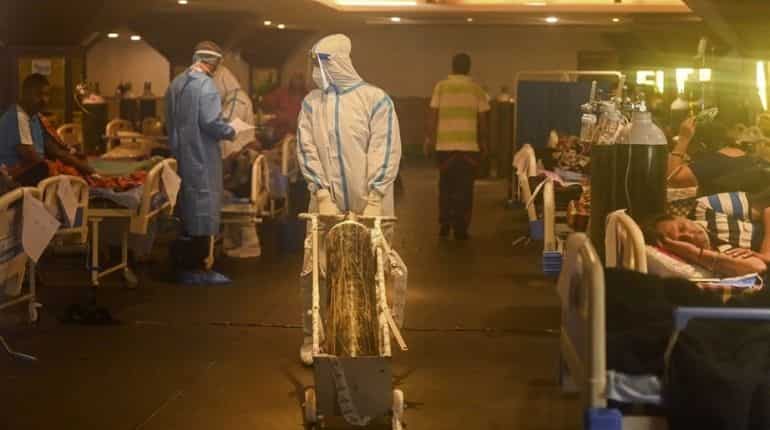
Central government reported two cases of the Omicron variant in the Southern state Karnataka
Considering the pandemic situation in the country, vaccines are on top of India's wish list. There are more than 3,000 pharma companies in India. Together they run 10,500 manufacturing facilities. It's an industry valued at more than 30 billion dollars.
However, Serum Institute and Bharat Biotech are the only two companies out of 3,000 that are producing vaccines. The rest don't have licenses. The lack of license is because of the patents.
Vaccines are patented. Their recipes are locked away. Pharma giants are unwilling to publicly share knowledge. So a handful of companies are doing all the heavy lifting and are producing all the vaccines with their limited capacity.

How likely is a patent waiver?
In October, India and South Africa proposed this at the World Trade Organisation. It split the world along expected lines.
Most of the developing world supports the proposal. But the West is not budging. Australia, Canada, the EU, Britain and the US are opposing it.
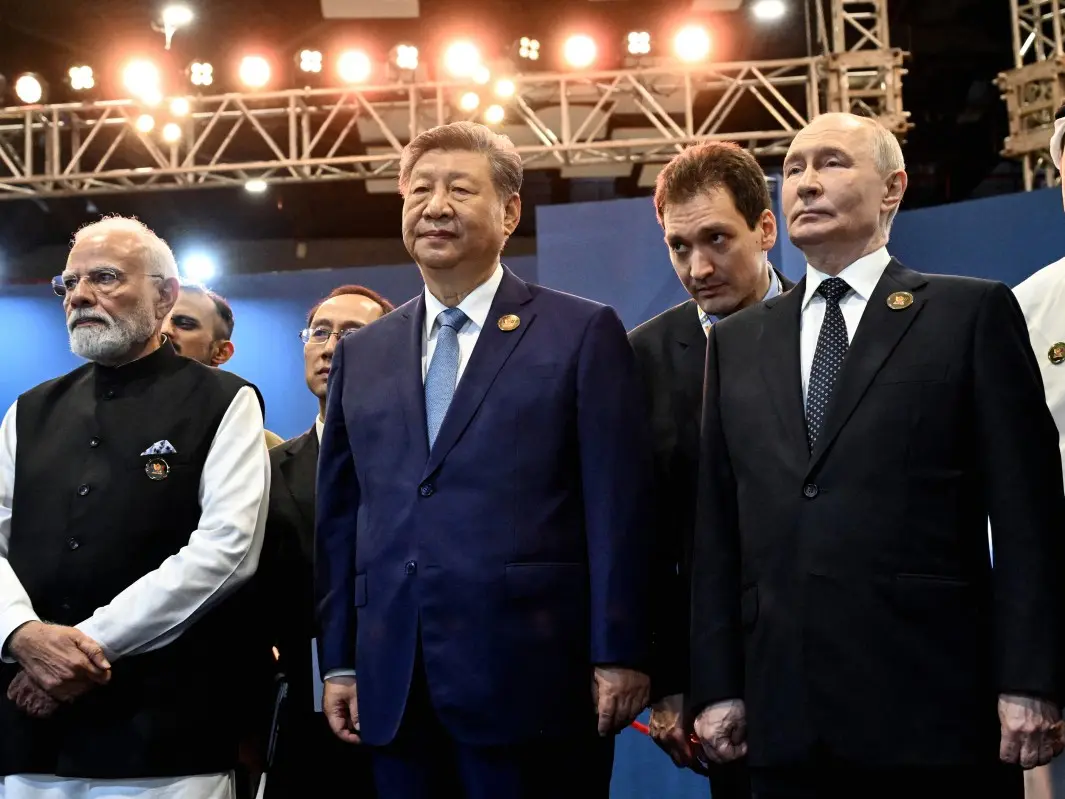)
Did India risk its US trade deal despite softer stance at BRICS?
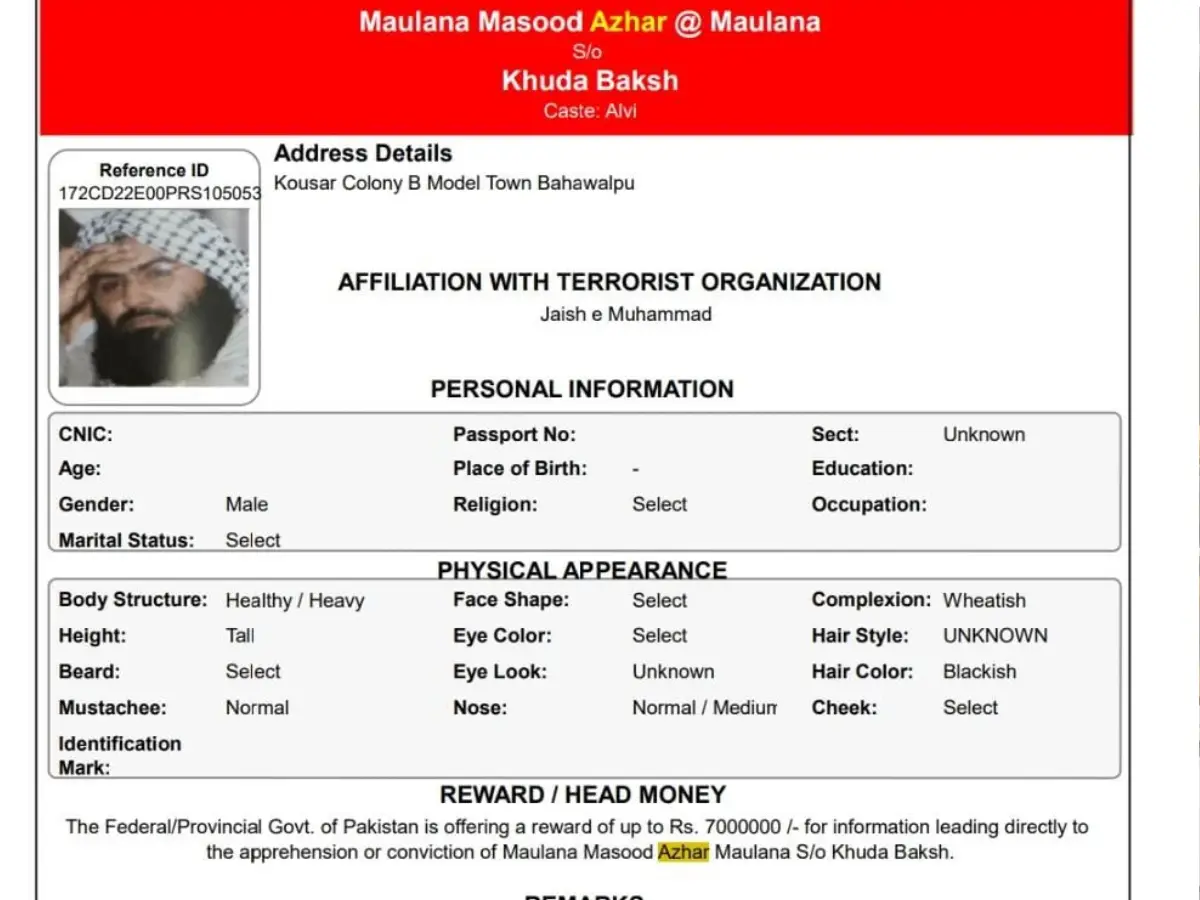)
Pakistan puts Pak Rs 70 lakh bounty on UN terrorist Masood Azhar; move draws skepticism in Delhi
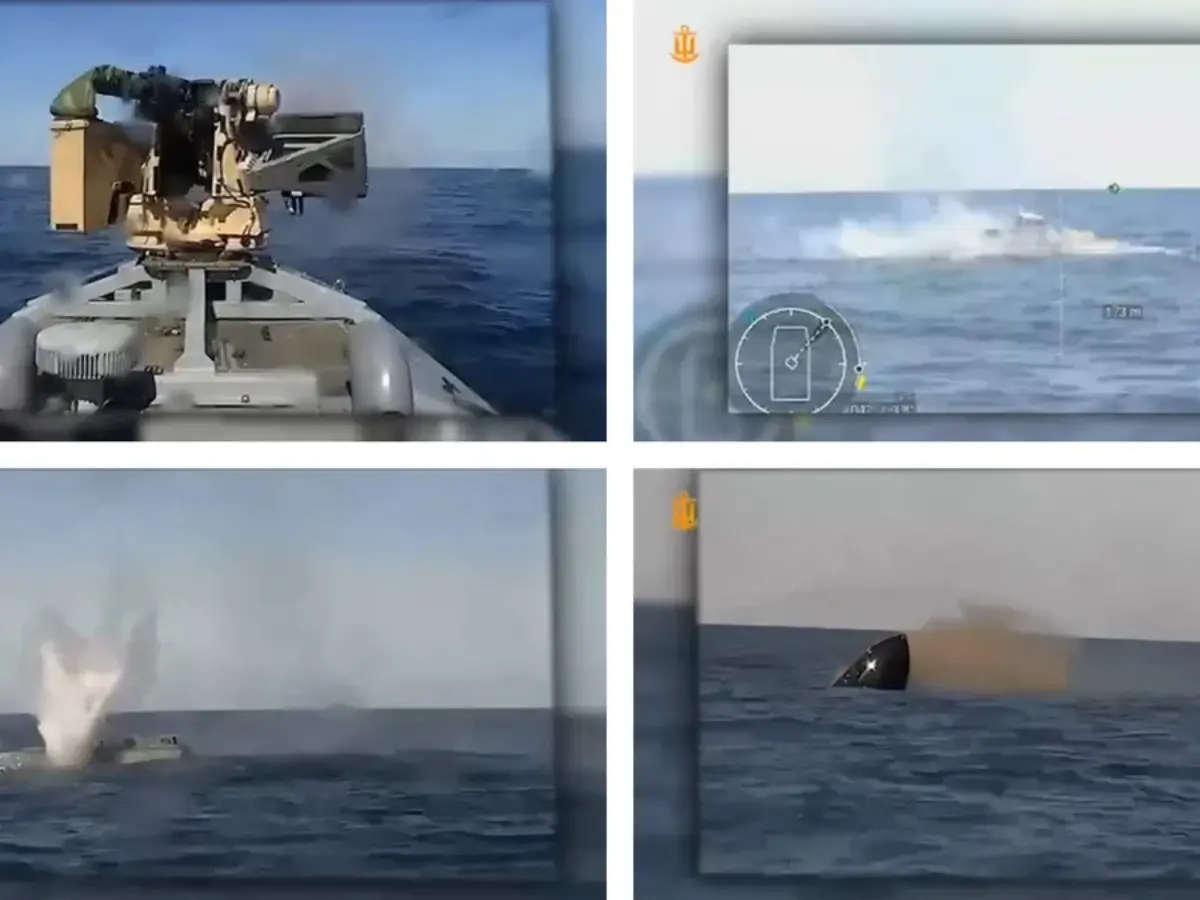)
First naval drone battle? Ukraine says Sargan 3000 sank Russian unmanned boat
)
Practical Magic 2 breaks Spidey spell over North American box office
)
'Huge destructive power': North Korea calls its latest missile launches 'live-fire drill' even as US dismisses 'immediate threat'
)
‘Let’s go’: Newly declassified videos show dramatic rescue of US Air Force officers downed in Iran
)
Delhi’s balancing act: BRICS serves as a stage for West Asia diplomacy
&im=FitAndFill=(700,400))
Why European Meteor missiles use ramjet engines compared to standard US solid rockets
)
Iran, India agree to deepen humanitarian and political ties, President Pezeshkian says
)
‘Want to reset ties with India, have engagement based on mutual interests,’ says Bangladesh minister
)
Trump says Canada eager to reach a deal, it could come ‘fairly soon’ if Ottawa treats US farmers better
)
Turkish Airlines plane flies through a storm three times, triggering severe turbulence
&im=FitAndFill=(700,400))
Why Chinese PL-15 air-to-air missiles use dual-pulse motors compared to European interceptors
)
Orlando Bloom addresses Pirates of the Caribbean comeback and reunion with Johnny Depp
)
China thinned Himalayan troop presence in 2025, India defence report says; terms border situation 'stable'
)
800 million years old - Scientists discover 'fingerprints' of supercontinent Gondwana in ancient rocks
)
Russia proposes to build 360 kmph Ivolga FG trains in India: What happened on sidelines of BRICS
)
Israeli minister calls to strip Gaza film directors of citizenship
)
'Nobody knows if it can be in control': ‘Godfather’ of AI, China spy chief back AI slowdown calls, flags political threat
)
China discovers vast gold and silver 'mine' in the Pacific with unheard-of deposits
)
Russian drone hits Warsaw-bound train near Polish border, Zelensky accuses Moscow of ‘deliberate’ targeting
)
War is making Russia stronger? How Ukraine is shaping Moscow’s next generation of weapons
)
Plane carrying prominent figure crashes at Libya’s Misrata airport: Report
)
Veteran Bollywood actress Nafisa Ali shares health update as Stage 4 cancer progresses, starts targeted therapy
)
NEET-UG to move to computer-based test soon, NTA DG says ‘CBT is the future’
)
Woman removes all her clothes on American Airlines flight, performs 'indecent acts'; arrested
)
Liam Neeson sparks romance rumours after holding hands with Stella Stocker at TIFF 2026
&im=FitAndFill=(700,400))
New OTT releases this week (September 14-20, 2026): Lust Stories 3, Waiting Hai, Irumudi- 5 new titles coming on Netflix, Prime Video and more
)
Indian importers urge Bangladesh to lift export ban on 'Hilsa' fish ahead of Durga Puja
)
Video of Pakistani lawmaker struggling to read English tribute to Jinnah goes viral - WATCH
)
Did China give Iran intel before US base strike that killed 3 troops? Trump says, 'You’re right...'
)
Crude oil prices jump more than $107 per barrel following Houthi attacks on Saudi
)
Women's Asia Cup 2026: India denied trophy once again despite winning the title
)
Humans may lose control of AI: Anthropic CEO calls for slowdown, Altman, Musk back him
They want to keep vaccine formulas locked away.
But what exactly is their motivation? After all, these countries are heading towards a vaccine surplus. They have enough for themselves, so it makes no sense for them to block a patent waiver.
However, when lobbying by pharma companies is taken into account, it makes sense. If the West gives in vaccine formulas could become a global common. Every pharma company could be producing vaccines.
And there is precedent for this. In 2001, the WTO waived patents on drugs for LDCs or least developed countries. In 2015, this waiver was extended for another 17 years. So patents are important but not absolute.
But can india wait around for the WTO?
This pandemic has taught us that global solidarity exists only in theory.
Is compulsory licensing an option?
This is basically an override of patents. Regulators can authorise companies to produce a patented product without the patent owner's permission.
All vaccines are patented by their makers. It is the government's job to protect these patents. But sometimes during emergencies, governments themselves can override these patents.
In India, compulsory licensing is permitted under the patents act of 1970. Specifically, Section 92 of the act empowers the Central government to issue compulsory licenses. But there are three conditions.
One, there must be a national emergency.
Two, the requirement must be extremely urgent.
Three, it must be for public non-commercial use.
A deadly virus killing 3,000 Indians a day, does qualify for all three. So theoretically India can do this. India can override patents on Pfizer and AstraZeneca and other vaccines.
All of Indian companies can be producing Wuhan virus vaccines. This practice is approved by the World Trade Organisation (WTO).
Countries are free to issue compulsory licenses during emergencies. They are also free to decide what constitutes an emergency.
There is only one caveat.
The patent owner must be suitably compensated. So there is no scope of a backlash from Geneva. Even the Supreme Court of India is asking the centre to consider this option.
If the government does opt for compulsory licensing, a good start would be Bharat Biotech's Covaxin. It is a homegrown jab. So making it available to other producers would set a great example for the world.
But is overriding patents a sure-shot solution?
It is certainly the first step. Patent waiving is not the same as patent sharing. Indian companies will still have to reverse-engineer the vaccines, not to mention run clinical trials all over again.
So in the long run, patent waivers are the way to go.
But to beat the immediate bottleneck, there is an even better solution. Voluntary licenses.
AstraZeneca's vaccine is patented. But India's Serum Institute has been producing it by the millions. This is because Astrazeneca has issued a voluntary license for their jab.
They have shared their formula with Serum Institute. Sputnik-V has done the same with Dr Reddy's
Voluntary licenses save time and money.
To step up vaccine production, two things need to happen.
One, Indian pharma companies must reach out for licenses. They can't sit out this vaccination drive.
And two, foreign jab makers need to loosen the reins.
Either make their formulas public or issue more voluntary licenses.
These are decisions that usually involves a lot of haggling. But India needs to make these decisions right now.