12th International Yoga Day: From Bollywood to cricket, how yoga became India's biggest global success story

&imwidth=600&imheight=450&format=webp&quality=medium "12th International Yoga Day: From Bollywood to cricket, how yoga became India's biggest global success story")
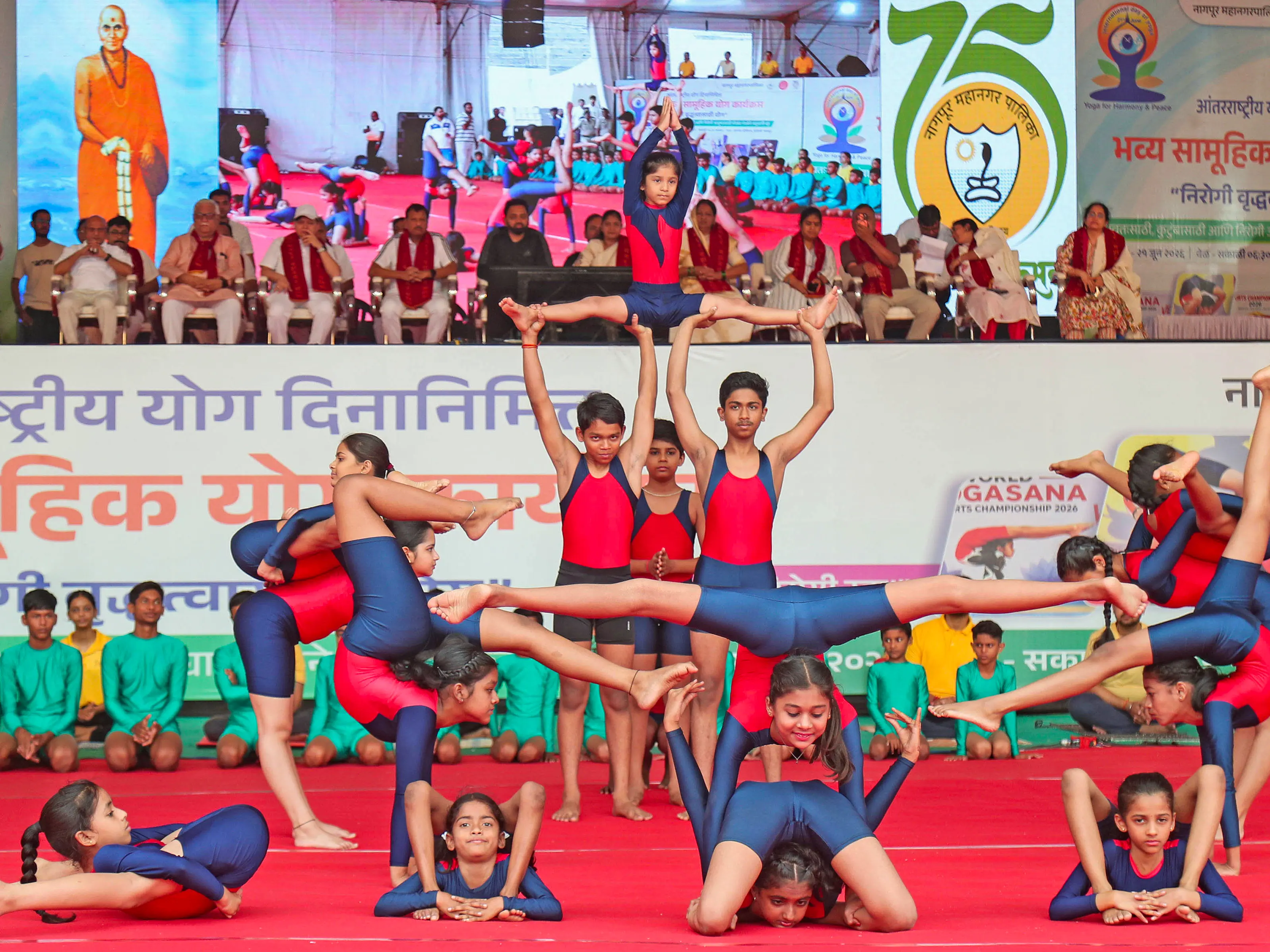
12th International Yoga Day: Has yoga surpassed Bollywood and cricket as India's biggest global brand? Photograph: (ANI)
As International Yoga Day is celebrated worldwide, we compare Bollywood, cricket and yoga to determine which has emerged as India's strongest global brand and most influential soft-power export
On June 21 every year, the world performs a uniquely Indian ritual. From New York's Times Square and the Eiffel Tower precinct in Paris to military bases, universities, embassies and public parks across continents, millions gather with yoga mats to celebrate International Yoga Day. The images have become familiar: diplomats striking poses, soldiers practicing breathing exercises, schoolchildren participating in mass sessions, and world leaders joining yoga events. Few cultural traditions can command such universal participation.
Which raises an interesting question: among India's three most recognisable exports: Bollywood, cricket and yoga, which is the country's strongest global brand? For decades, the answer may have been Bollywood. Indian cinema introduced generations of foreigners to the country's culture, music, fashion and traditions. Long before social media connected the world, Bollywood films travelled across the Middle East, Africa, Central Asia and parts of Europe. Actors became household names far beyond India's borders, creating an emotional connection that few countries could replicate through entertainment alone. Bollywood helped make India visible. Then came cricket's rise.
As India's economy expanded, so did its influence over the sport. Today, India sits at the centre of cricket's financial ecosystem. The Indian Premier League is one of the most valuable sporting competitions in the world, attracting international stars, global sponsors and massive broadcast audiences. India's influence extends beyond the field, shaping everything from scheduling and broadcasting to the commercial future of the game. Cricket made India powerful. Yet both Bollywood and cricket face a common limitation: geography. Bollywood's popularity varies from region to region, while cricket remains concentrated in a relatively small group of nations. Passionate as their audiences may be, neither enjoys truly universal adoption.
Yoga, however, operates differently. Unlike a film or a sporting event, yoga is not something people merely consume. It is something they practice. It becomes part of daily routines, lifestyles and wellness habits. It requires no stadium, no screen and no language. A beginner in Brazil, a teacher in Kenya, a student in Germany and a retiree in Japan can all participate in the same practice despite sharing neither culture nor nationality.
That universality is what sets yoga apart. The establishment of International Yoga Day by the United Nations in 2014 marked a turning point. What was once viewed primarily as an ancient Indian discipline transformed into a global movement. Every year, governments, municipalities, educational institutions, military organisations and diplomatic missions organise events around the occasion. The scale of participation is difficult to match through any other Indian cultural export.
Trending Stories
&imwidth=280&imheight=210&format=webp&quality=medium)
&imwidth=280&imheight=210&format=webp&quality=medium)
&imwidth=280&imheight=210&format=webp&quality=medium)
&imwidth=280&imheight=210&format=webp&quality=medium)
&imwidth=280&imheight=210&format=webp&quality=medium)
&imwidth=280&imheight=210&format=webp&quality=medium)
&imwidth=280&imheight=210&format=webp&quality=medium)
&imwidth=280&imheight=210&format=webp&quality=medium)
&imwidth=280&imheight=210&format=webp&quality=medium)
&imwidth=280&imheight=210&format=webp&quality=medium)
&im=FitAndFill=(700,400)&imwidth=280&imheight=210&format=webp&quality=medium)
&imwidth=280&imheight=210&format=webp&quality=medium)
&imwidth=280&imheight=210&format=webp&quality=medium)
&imwidth=280&imheight=210&format=webp&quality=medium)
&imwidth=280&imheight=210&format=webp&quality=medium)
&imwidth=280&imheight=210&format=webp&quality=medium)
&imwidth=280&imheight=210&format=webp&quality=medium)
&imwidth=280&imheight=210&format=webp&quality=medium)
&imwidth=280&imheight=210&format=webp&quality=medium)
&imwidth=280&imheight=210&format=webp&quality=medium)
&imwidth=280&imheight=210&format=webp&quality=medium)
&imwidth=280&imheight=210&format=webp&quality=medium)
&imwidth=280&imheight=210&format=webp&quality=medium)
&imwidth=280&imheight=210&format=webp&quality=medium)
&imwidth=280&imheight=210&format=webp&quality=medium)
&imwidth=280&imheight=210&format=webp&quality=medium)
&imwidth=280&imheight=210&format=webp&quality=medium)
&imwidth=280&imheight=210&format=webp&quality=medium)
&imwidth=280&imheight=210&format=webp&quality=medium)
&imwidth=280&imheight=210&format=webp&quality=medium)
&imwidth=280&imheight=210&format=webp&quality=medium)
&imwidth=280&imheight=210&format=webp&quality=medium)
&imwidth=280&imheight=210&format=webp&quality=medium)
This is where the discussion shifts from popularity to soft power. Soft power is the ability to influence people through attraction rather than coercion. Bollywood achieves this through storytelling. Cricket achieves it through competition and fandom. Yoga achieves it through lifestyle. That distinction matters. A person may watch a Bollywood film once a month or follow a cricket tournament for a few weeks. A yoga practitioner, however, may engage with an Indian-origin tradition every day. The connection is deeper, more personal and often more enduring. It is also remarkably resilient.
Bollywood faces competition from Hollywood, Korean entertainment and streaming platforms. Cricket competes with football, basketball and other global sports. Yoga, meanwhile, has embedded itself into the rapidly growing wellness industry, which spans fitness, mental health, rehabilitation, mindfulness and preventive healthcare. Its appeal continues to expand rather than fragment.
This does not diminish the importance of Bollywood or cricket. Indian cinema remains one of the country's most influential cultural exports, while cricket has established India as a sporting and commercial superpower. Together, they have shaped how the world sees India.
But if the measure of success is global reach, institutional acceptance and everyday influence, yoga occupies a category of its own. On International Yoga Day, that reality is visible across continents. In countries where cricket is barely followed and Bollywood films are rarely screened, yoga classes still take place. People who may never visit India, watch an Indian film or attend a cricket match nevertheless interact daily with a practice that originated on Indian soil.
Bollywood made India famous. Cricket made India influential. Yoga may have done something even bigger, it made India a part of everyday life across the world. And that is why, in the contest for India's strongest global brand, yoga might just be winning.

