West Bengal urges Centre to safeguard state's rivers, ports before Ganga-Padma Treaty renewal

&imwidth=600&imheight=450&format=webp&quality=medium "West Bengal urges Centre to safeguard state's rivers, ports before Ganga-Padma Treaty renewal")
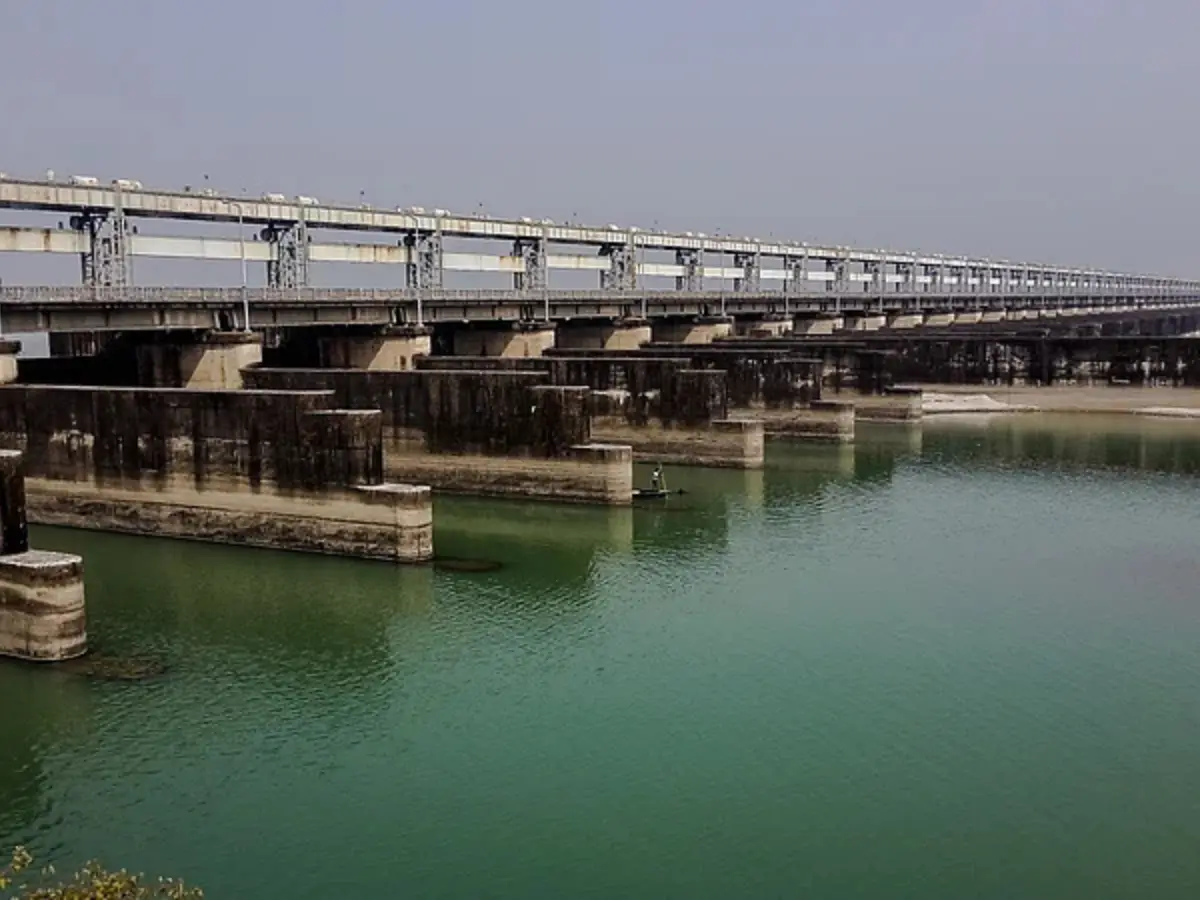
West Bengal urges Centre to safeguard state's rivers, ports before Ganga-Padma Treaty renewal Photograph: (Others)
Ahead of the deadline, representatives of the state government presented a detailed report on the matter before an internal committee of the Union Ministry of Jal Shakti
The West Bengal government has formally submitted a proposal to the Union government, insisting that the interests of the state's rivers, ports and industries must not be compromised in any way as India prepares to renegotiate the 30-year Ganga-Padma water-sharing treaty with Bangladesh. The landmark agreement, first signed in 1996, is set to expire in December this year. Ahead of the deadline, representatives of the state government presented a detailed report on the matter before an internal committee of the Union Ministry of Jal Shakti, flagging a series of concerns that officials say could have far-reaching consequences for North Bengal and the state's riverine economy if left unaddressed in the new pact.
Farakka flow critical for Kolkata port operations
At the heart of the state's submission is the demand that adequate water flow be maintained through the Bhagirathi-Hooghly river via the Farakka Barrage during the dry season months. "Any reduction in the lean-season flow at Farakka does not remain a localised issue- it directly threatens the navigability of the Hooghly, which in turn puts shipping operations at Syama Prasad Mookerjee Port at risk. The port is a critical gateway for eastern India's trade, and its viability depends on the river being kept navigable through the year," a senior state government official said, explaining why the flow issue has been placed at the centre of West Bengal's proposal.
Erosion and flood risk in upstream districts
The state has also warned that a diminished water flow could aggravate riverbank erosion and silt accumulation, worsening flood conditions in districts on both the upstream and downstream sides of the barrage. "Malda, Murshidabad and Nadia are already vulnerable to erosion and seasonal flooding. If the flow regime is altered without factoring in these districts' ground realities, we could see accelerated land loss and more frequent flood distress in these areas. This is not a hypothetical risk, it is something these districts have lived with for decades," the official added, underlining why the state wants erosion management written into the treaty framework itself.
Arsenic contamination adds urgency to drinking water concerns
Trending Stories
&imwidth=280&imheight=210&format=webp&quality=medium)
&imwidth=280&imheight=210&format=webp&quality=medium)
&imwidth=280&imheight=210&format=webp&quality=medium)
&imwidth=280&imheight=210&format=webp&quality=medium)
&imwidth=280&imheight=210&format=webp&quality=medium)
&imwidth=280&imheight=210&format=webp&quality=medium)
&imwidth=280&imheight=210&format=webp&quality=medium)
&imwidth=280&imheight=210&format=webp&quality=medium)
&imwidth=280&imheight=210&format=webp&quality=medium)
&imwidth=280&imheight=210&format=webp&quality=medium)
&imwidth=280&imheight=210&format=webp&quality=medium)
&imwidth=280&imheight=210&format=webp&quality=medium)
&imwidth=280&imheight=210&format=webp&quality=medium)
&imwidth=280&imheight=210&format=webp&quality=medium)
&imwidth=280&imheight=210&format=webp&quality=medium)
&imwidth=280&imheight=210&format=webp&quality=medium)
&imwidth=280&imheight=210&format=webp&quality=medium)
&imwidth=280&imheight=210&format=webp&quality=medium)
&imwidth=280&imheight=210&format=webp&quality=medium)
&imwidth=280&imheight=210&format=webp&quality=medium)
&imwidth=280&imheight=210&format=webp&quality=medium)
&imwidth=280&imheight=210&format=webp&quality=medium)
&imwidth=280&imheight=210&format=webp&quality=medium)
&imwidth=280&imheight=210&format=webp&quality=medium)
&imwidth=280&imheight=210&format=webp&quality=medium)
&imwidth=280&imheight=210&format=webp&quality=medium)
&imwidth=280&imheight=210&format=webp&quality=medium)
&im=FitAndFill=(700,400)&imwidth=280&imheight=210&format=webp&quality=medium)
&imwidth=280&imheight=210&format=webp&quality=medium)
&imwidth=280&imheight=210&format=webp&quality=medium)
&imwidth=280&imheight=210&format=webp&quality=medium)
&imwidth=280&imheight=210&format=webp&quality=medium)
&imwidth=280&imheight=210&format=webp&quality=medium)
Officials pointed out that the stakes extend beyond navigation and erosion. With groundwater levels declining and arsenic contamination affecting parts of the state, treated Ganga water has increasingly become a primary source for both drinking water supply and industrial use. Given how dependent our public health infrastructure has become on treated river water, especially in arsenic-affected belts, any compromise on the quantum or quality of flow in the new agreement will have consequences that go far beyond agriculture or shipping, it becomes a direct public health and industrial security issue for the state. Taking this into account, the state has urged that the renewed agreement accord ‘special importance’ to environmental risk assessment, erosion prevention, and long-term water security for the region.
Call for consultation through Joint Rivers Commission
West Bengal has additionally pressed for detailed discussions at the administrative level of the India-Bangladesh Joint Rivers Commission before the Centre arrives at any final decision on the treaty's terms. "A treaty of this scale and duration needs to be negotiated with full participation of the state that bears its direct consequences. We have asked that no conclusions be finalised without a thorough round of administrative-level deliberations through the Joint Rivers Commission," the official said.
Technical assessments already underway
Meanwhile, technical teams from India and Bangladesh have already begun on-ground measurement of water flow and data collection along the Ganga-Padma system, focusing on the Farakka and Hardinge Bridge areas, a process expected to feed into the eventual terms of the renewed agreement.
