Explained | Is India's Project Cheetah going awry? What's causing deaths of big cats?

Cheetah
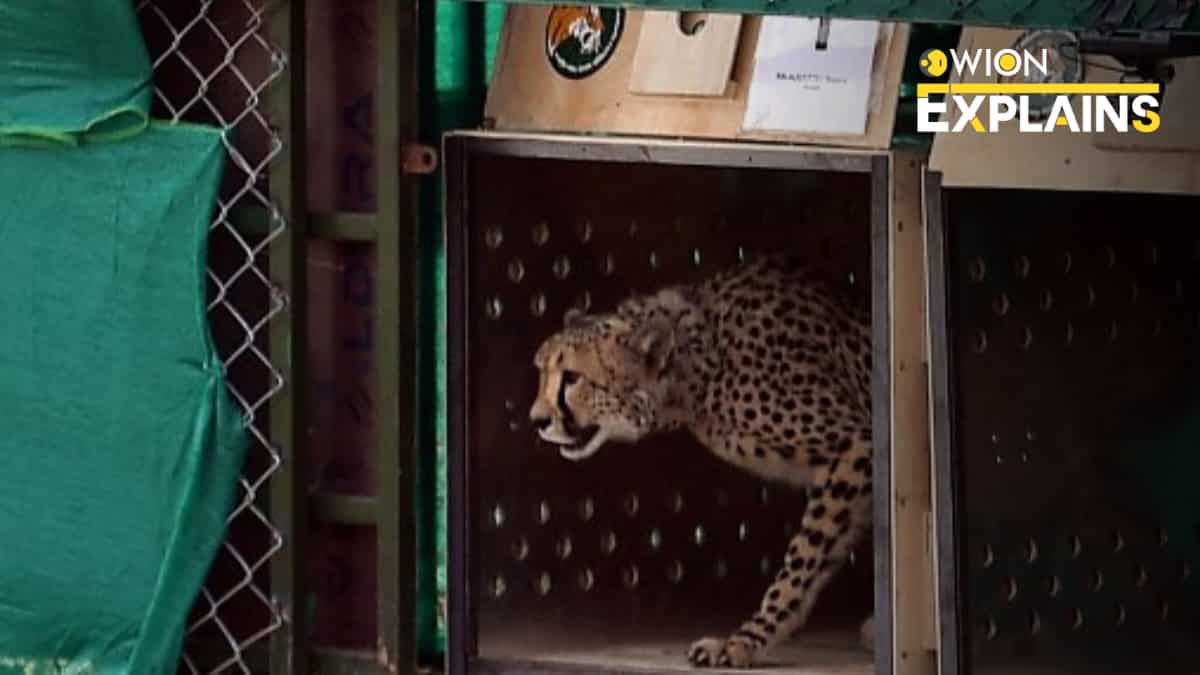
The nation was beaming with pride when the first batch of cheetahs landed in India after travelling in an Air Force's C-17 Globemaster aircraft. The cheetahs were translocated to the Kuno National Park in Madhya Pradesh.
Eight cheetahs were brought in from Namibia, after which another 12 arrived from South Africa in February. Indian Prime Minister Narendra Modi presided over the release of the first arrivals at the national park.
The government aimed to reintroduce cheetahs, under the 'Action Plan for Introduction of Cheetah in India', with plans to make the nation a home once again to the majestic presence of cheetahs, which are the world's fastest land animal.

But the projectreceived a setback with a series of deaths of cheetahs. A total of eight felines have died so far, and in the aftermath of a recent death, a top Indian wildlife official was removed as concerns were raised about this high-profile and popular project.
Eight cheetahs have died in the last four months, with wildlife authorities attributing the deaths to natural causes.
Media reports mentioned that the top wildlife official in Madhya Pradesh, Jasbir Singh Chauhan, was transferred by the state forest department on Monday.
&imwidth=180&imheight=135&format=webp&quality=medium)
Brendan Taylor overtakes Andy Flower to become Zimbabwe’s leading ODI run-scorer
&imwidth=180&imheight=135&format=webp&quality=medium)
Pakistan to head IMF, World Bank boards after 74 years amid persistent economic crisis
&imwidth=180&imheight=135&format=webp&quality=medium)
"The scariest thing was"... flydubai Captain Smit Machchhar recalls cockpit fight and how he thought of his son and daughter
&imwidth=180&imheight=135&format=webp&quality=medium)
'We are not sitting in ivory towers, we are aware': SC issues notice to Rahul Gandhi, Akhilesh Yadav
&imwidth=180&imheight=135&format=webp&quality=medium)
6-year-old among 2 killed as vehicle crashes into youth soccer game in US
&imwidth=180&imheight=135&format=webp&quality=medium)
‘I have very severe problems’: Trump fuels health speculation during address to firefighters
&imwidth=180&imheight=135&format=webp&quality=medium)
Lizard people? Ex-US Army sniper claims soldier killed by 'reptilian beings' in battle near Area 51
&imwidth=180&imheight=135&format=webp&quality=medium)
Ankita Bhandari murder case: Parents meet CBI, seek impartial investigation
&imwidth=180&imheight=135&format=webp&quality=medium)
Bangladesh resort fire kills 10 tourists, including a 5-year-old child
&imwidth=180&imheight=135&format=webp&quality=medium)
At least 19 killed in stampede-like situation after part of Kolkata Durga Puja pandal collapses
&imwidth=180&imheight=135&format=webp&quality=medium)
Rajinikanth remembers late composer Deva, recalls his kindness and musical legacy
&imwidth=180&imheight=135&format=webp&quality=medium)
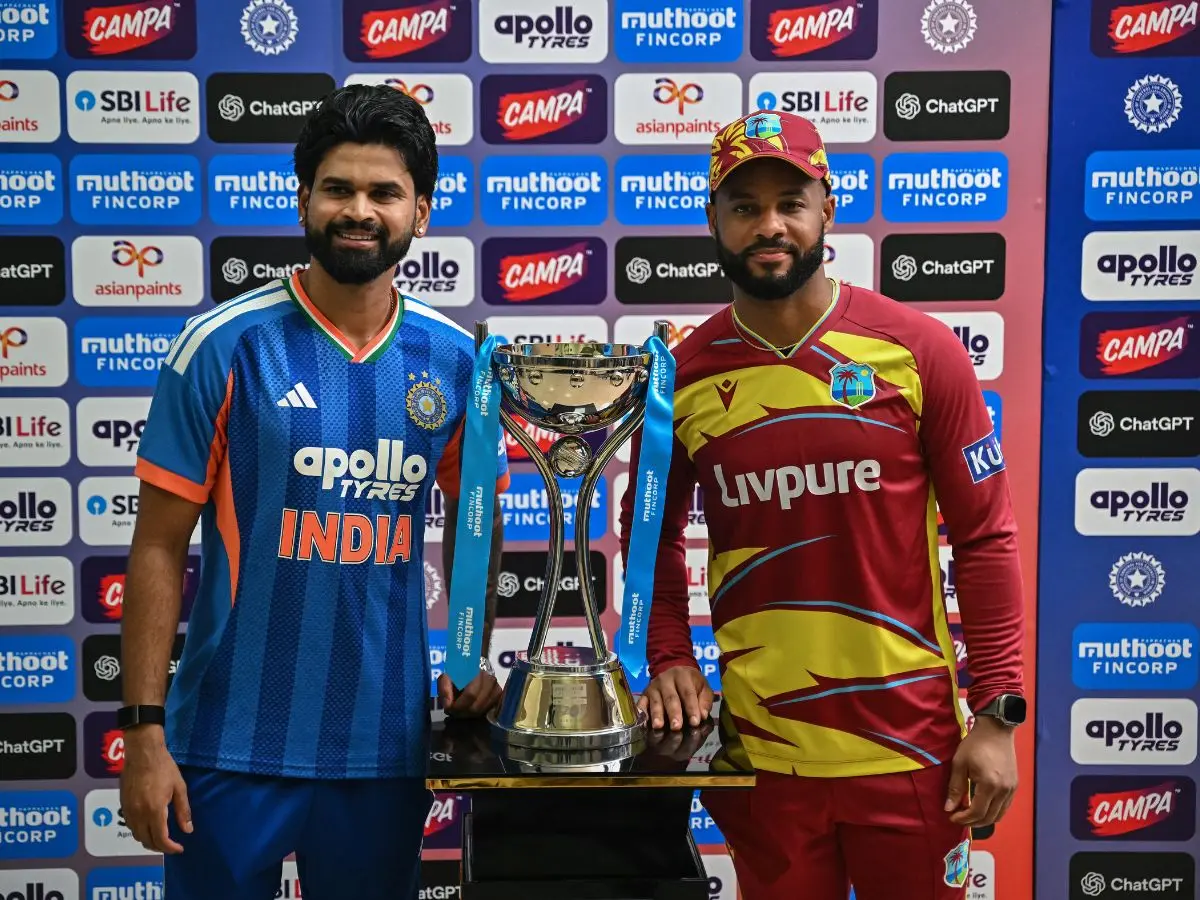
Rain washes out 5th T20I as India-West Indies share honours 2-2
&imwidth=180&imheight=135&format=webp&quality=medium)
'Reason UN has lost credibility': Amid SIR protests India hits out at report alleging 'youth repression'
&imwidth=180&imheight=135&format=webp&quality=medium)
Pope Leo XIV discharged from hospital in Rome after cancer surgery
&imwidth=180&imheight=135&format=webp&quality=medium)
‘My president, I mean my husband’: Trump's new press secretary Katie Zacharia's first briefing goes off the rails in 14 minutes
&imwidth=180&imheight=135&format=webp&quality=medium)
China responds to Trump's Press Secretary Katie Zacharia after toilet remark: 'Visit China more often'
&imwidth=180&imheight=135&format=webp&quality=medium)
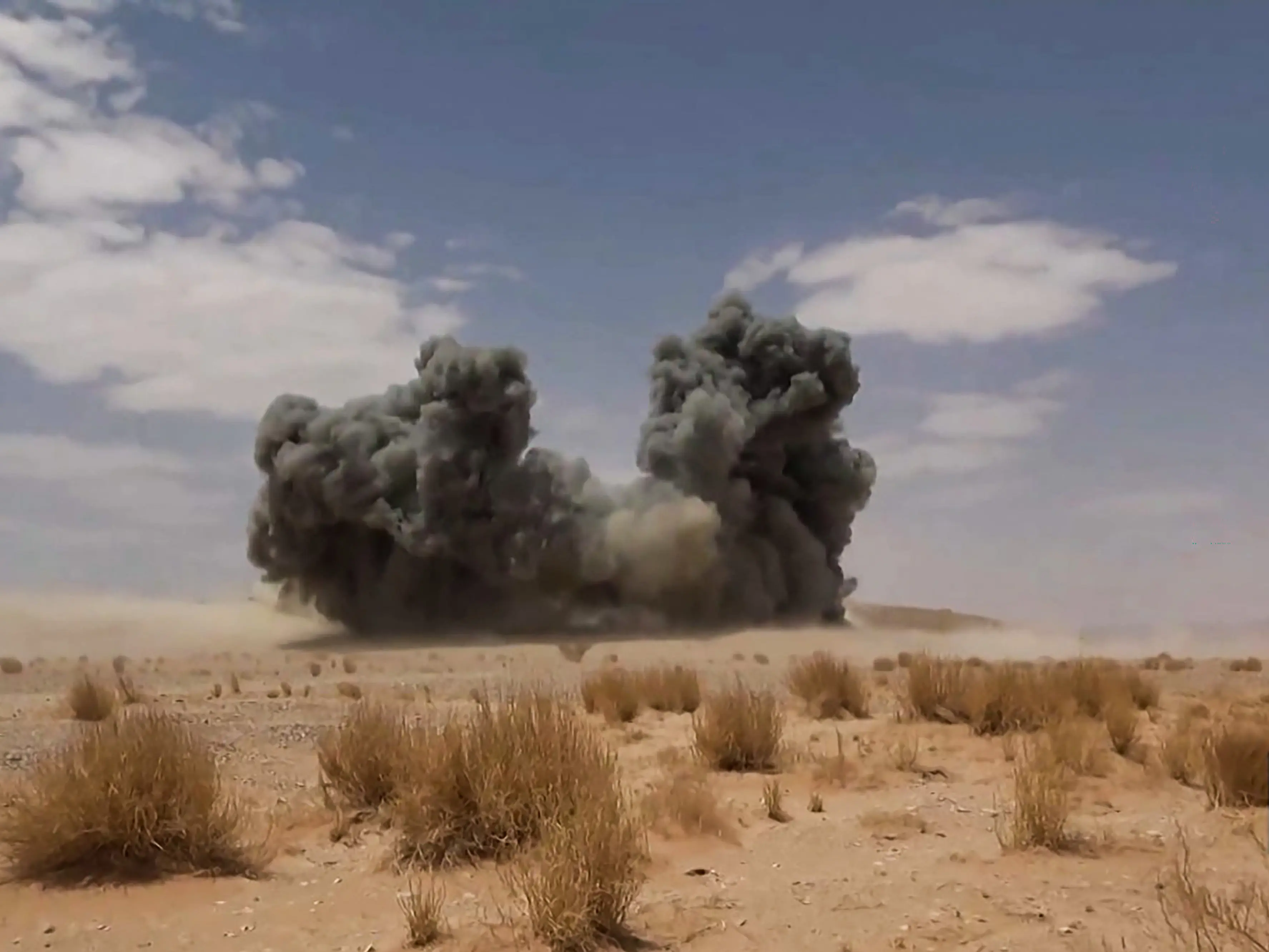
UAE agrees with Saudi Arabia to rejoin Yemen fight as Houthi strikes rattle Riyadh
&imwidth=180&imheight=135&format=webp&quality=medium)
'Let’s go to France, no riots, no revolutions': Trump mocks France protests, Vance blames it on immigration
&imwidth=180&imheight=135&format=webp&quality=medium)
SA vs AUS 2nd Test: Rain delays start as Rabada returns; Boland replaces Lyon for Australia
&imwidth=180&imheight=135&format=webp&quality=medium)
At least 400 arrested as protests turn violent in France; PM blames far left
&imwidth=180&imheight=135&format=webp&quality=medium)
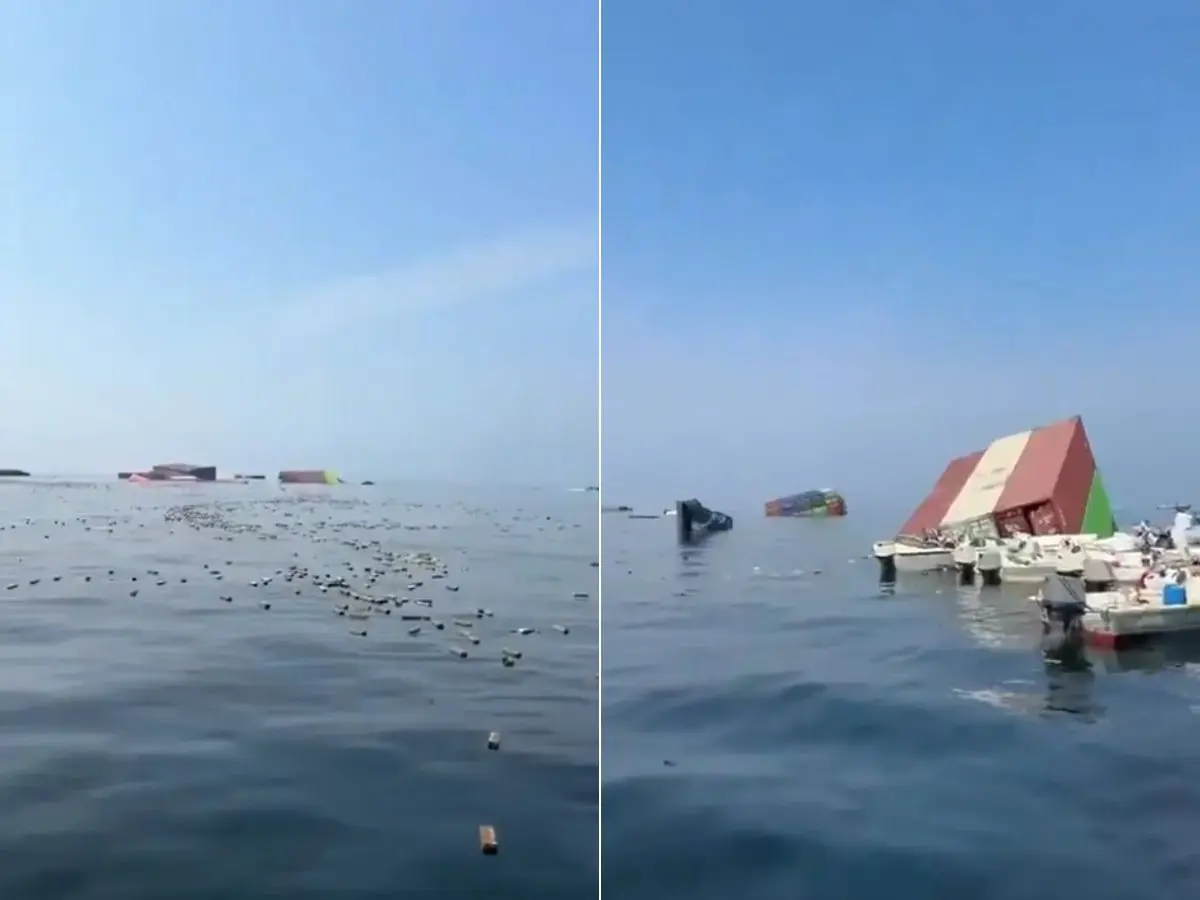
Explosion and fire at military base in Canada's Alberta, casualties feared
&imwidth=180&imheight=135&format=webp&quality=medium)
WATCH | iPhones, luxury perfumes floating in Hormuz? Iranian fishermen make bizarre discovery
&imwidth=180&imheight=135&format=webp&quality=medium)
Two students die, 14 injured at Dandiya event in Hyderabad: Know what happened? VIDEO
&imwidth=180&imheight=135&format=webp&quality=medium)
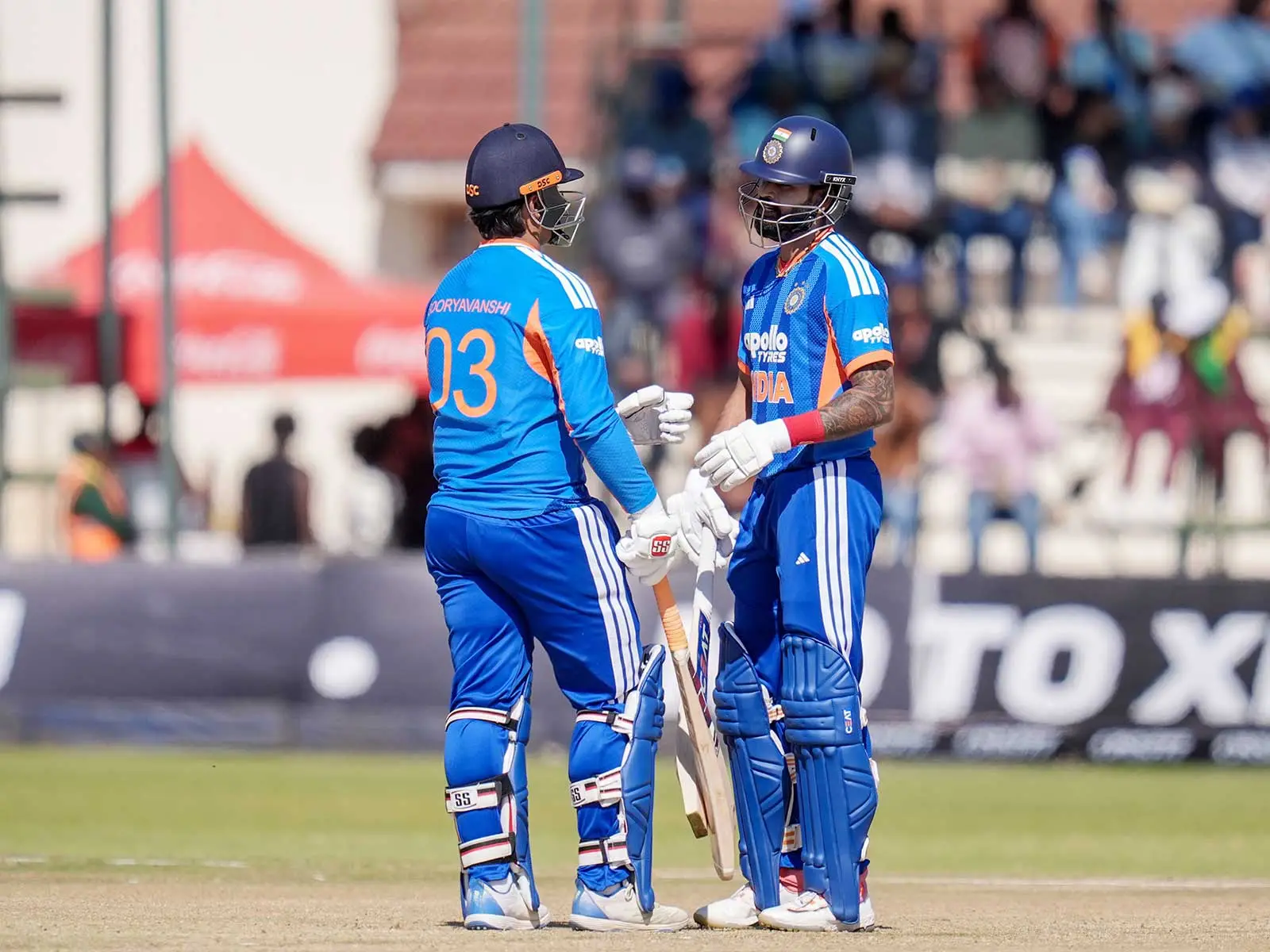
'keep telling him you will get your opportunities': Iyer opens up on conversations with Sooryavanshi
&imwidth=180&imheight=135&format=webp&quality=medium)
WATCH | Zelensky gives cheeky response when asked if Trump is making him a scapegoat ahead of US midterms
&imwidth=180&imheight=135&format=webp&quality=medium)
No Ravindra Jadeja, Yashasvi Jaiswal in India’s 2027 ODI World Cup plans: Report
&imwidth=180&imheight=135&format=webp&quality=medium)
Kolkata Durga Puja stampede: PM Modi announces Rs 2 lakh ex-gratia for kin of dead, Amit Shah to visit injured
&imwidth=180&imheight=135&format=webp&quality=medium)
Taylor Swift performs at star-studded Academy Museum Gala 2026 in stunning Dior ensemble
&imwidth=180&imheight=135&format=webp&quality=medium)
Anirudh Ravichander-Kavya Maran wedding: Telangana CM reveals Chennai reception date
&im=FitAndFill=(700,400)&imwidth=180&imheight=135&format=webp&quality=medium)
Inside Tesla's Roadster: 10 features of Elon Musk's 'flying car' that push the limits of electric vehicles | In Pics
&imwidth=180&imheight=135&format=webp&quality=medium)
Ranbir Kapoor visits North Bombay Durga Puja pandal, offers prayers
&imwidth=180&imheight=135&format=webp&quality=medium)
One species, two lineages: Why Sri Lanka’s spectacled cobra differs genetically from Indian variant
&imwidth=180&imheight=135&format=webp&quality=medium)
Oil tanker carrying over 2M barrels of crude hits mine in Strait of Hormuz, catches fire, says Iran
&imwidth=180&imheight=135&format=webp&quality=medium)
2 injured in plane crash on busy California highway
&imwidth=180&imheight=135&format=webp&quality=medium)
'It's a joy to see the makers bring it on such a grand scale': SS Rajamouli on Ramayana
&imwidth=180&imheight=135&format=webp&quality=medium)
13 dead after truck mows down devotees, crashes into temple gate in Madhya Pradesh's Gwalior
&imwidth=180&imheight=135&format=webp&quality=medium)
IND-W vs ZIM-W, 2nd T20I: When and where to watch live streaming in India?
&imwidth=180&imheight=135&format=webp&quality=medium)
Kolkata puja pandal stampede: 7 arrested, section 163 restrictions imposed in north Kolkata
The authorities didn't reveal any reason, but media reports have linked the transfer to the cheetah deaths, citing sources saying that there were concerns over the project's management.
Five of the eight cheetahs that diedwere translocated animals, besidesthree of the four cubs that were born after their arrival.
The environment ministry stated on Sunday that declaring the programme a success or failure would be premature "because cheetah reintroduction was a long-term project."
It further said that global experience, particularly from South Africa, demonstrated that the first phases of reintroductions resulted in more than 50 per cent mortality.
However, while speaking to the news agency AFP on Tuesday, wildlife conservationist Praveen Bhargav said that the cheetah reintroduction programme was bound to fail as many fundamental issues had been ignored.
Bhargav said, "I believe the prime minister has unfortunately been misled by some bureaucrats and experts."
"We neither have the expansive grassland habitats that cheetahs need nor other ecological conditions to attempt such a complicated reintroduction," he said.
"This was a very good, headline-grabbing event but the harsh reality kicks in, as we are now witnessing after eight cheetahs have died," he added.
Why did the cheetahs die?
Local media reports quoted experts as claiming that the deaths were because of the sub-standard radio collar. An allegation, refuted by the government as it says that all of the claims have been "speculation and hearsay without scientific evidence".
Citing a video seen by it, NDTV reported that the officials examined the radio collar and a maggot-infested wound on the neck of a cheetah named Suraj. As per reports, it died last week.
As quoted by the report, R Sreenivasa Murthy, an IFS who led the operation to revive the tiger population, said, "It can cause infection. We had faced such a situation in Panna, but we had 24/7 monitoring. If it is a synthetic collar, it should be replaced immediately."
"It is a polymer, initially it remains soft but with time when it is polymerised then it becomes hard. If it is made of leather, it absorbs water its elasticity increases, and the animal does not suffer much from it," he added.
Extinction of cheetahs in India
In India, the last cheetahs were recorded in 1947 when three were shot in the Sal (Shorea robusta) forests of Koriya District, Chhattisgarh state.
The main causes of cheetah extinction in India were large-scale capture of animals from the wild for coursing, bounty, and sport hunting, substantial habitat modification, and a concomitant fall in prey base. Cheetahs were declared extinct in 1952. Now, the government is trying to reintroduce African cousins of the Asiatic cheetahs.
What are India's objectives with this project?
The goal of the cheetah introduction project in India is to establish a viable cheetah metapopulation in the country that allows the cheetah to perform its functional role as a top predator and allows the cheetah to expand within its historic range, thus contributing to global conservation efforts.
As mentioned on a government website, India aims to establish breeding cheetah populationin safe habitats across its historic range and manage them as a metapopulation.
Secondly, the nation's goals employ the cheetah as a flagship and umbrella species to raise funds for restoring open forest and savanna systems, which will boost biodiversity and ecosystem services.
The government also wishes to ensure opportunities for eco-development and eco-tourism to enhance local community livelihoods.
WATCH WION LIVE HERE
You can now write for wionews.com and be a part of the community. Share your stories and opinions with us here.