Opinion: An urgent need for improved access to mental health care

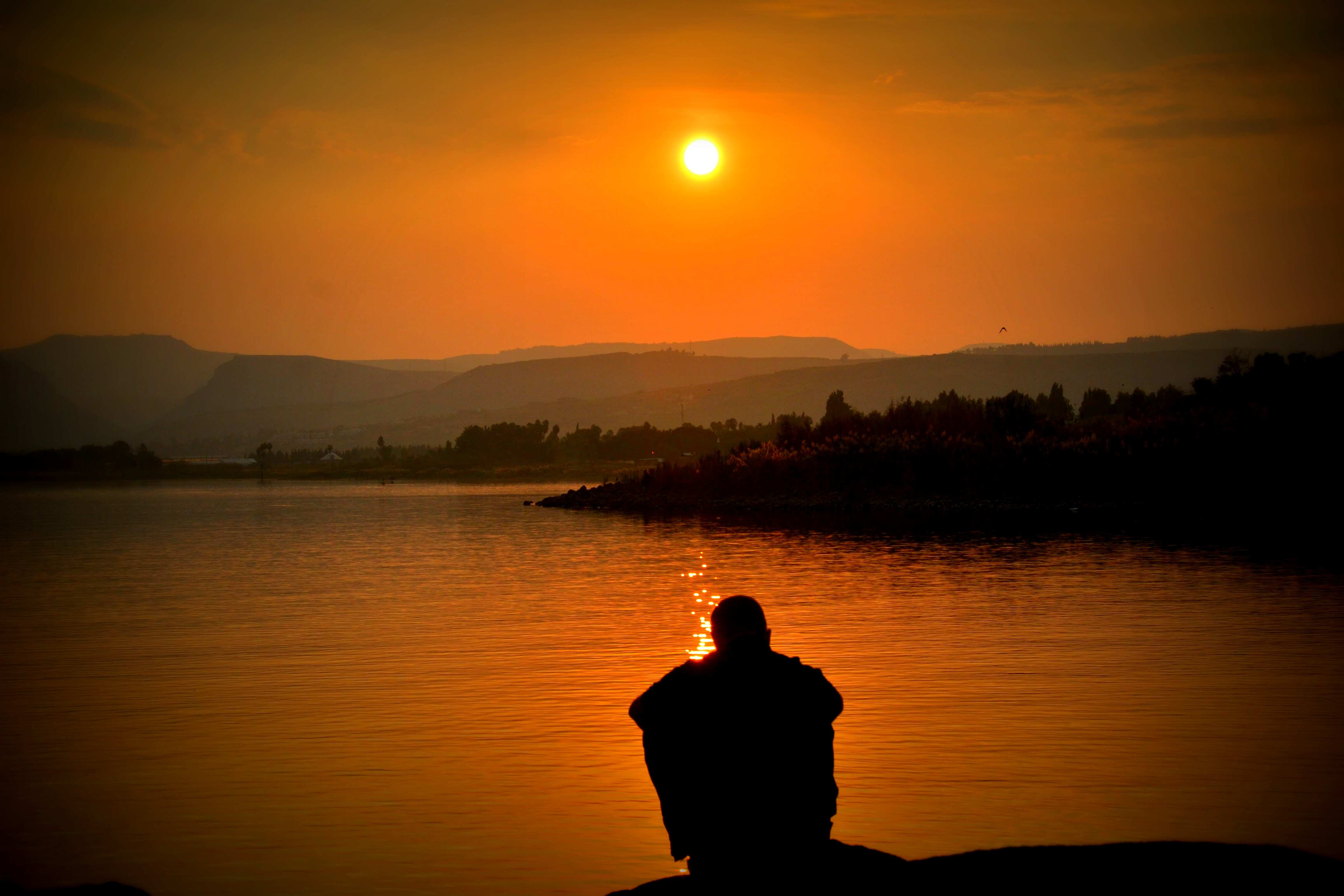
Meditation, Yoga, and other indigenous practices have cultural acceptability in India, which can be used in the treatment of mental health problems
In India, people are now willing to reach out, both to be heard and to lend an ear.
Last week, UK allotted a funding of £20 million to help tackle loneliness among people across the country. This was a significant step forward in government's strategy to bring isolated people together. In January 2018, the UK government had appointed Loneliness Minister for cross-government work on loneliness.
While announcing Tracey Crouch as the Loneliness Minister, Prime Minister Theresa May said, "For far too many people, loneliness is the sad reality of modern life."
And she was absolutely right. Social isolation, inability to deal with setbacks, emotional trauma and stress is indeed a reality now.

The sooner we accept, the better it is.
World Health Organisation (WHO) has estimated that more than 300 million people suffer from depression across the world. The report also emphasised the need for more investment in mental health care.
WHO has identified depressionas one of the prime reasons contributing to suicide, which claims about 8 lakh lives every year.
&imwidth=180&imheight=135&format=webp&quality=medium)
Trump distances himself from senior political advisers over work for pro-Russian government
&im=FitAndFill=(700,400)&imwidth=180&imheight=135&format=webp&quality=medium)
US midterms 2026: 10 leaders and candidates to watch in the battle for Congress
&imwidth=180&imheight=135&format=webp&quality=medium)
‘Team first and team ahead’: India coach Gambhir pens heartfelt wish for chief selector Ajit Agarkar
&imwidth=180&imheight=135&format=webp&quality=medium)
US readying to strike Iran? Report suggests Trump preparing to put on show of strength ahead of US midterms
&imwidth=180&imheight=135&format=webp&quality=medium)
Narendra Modi Stadium bomb threat declared hoax; India & Australia U19 squads safe
&imwidth=180&imheight=135&format=webp&quality=medium)
Christa Pike wakes after failed execution, asks 'Where am I and who are you?'
&imwidth=180&imheight=135&format=webp&quality=medium)
Veteran actor Nana Patekar dies at 75 after suffering cardiac arrest
&imwidth=180&imheight=135&format=webp&quality=medium)
'We don't think so': Trump says Russian plague lab worker's death not linked to bio-weapon
&imwidth=180&imheight=135&format=webp&quality=medium)
IndiGo flight struck by lightning at 17,000 feet, nose of Patna-Lucknow flight damaged
&imwidth=180&imheight=135&format=webp&quality=medium)
France protests: How a Gen Z school movement turned into a political war | The Verdict
&imwidth=180&imheight=135&format=webp&quality=medium)
Lightning strikes IndiGo Patna-Lucknow flight at 17,000 feet, damages nose; all 110 safe
&imwidth=180&imheight=135&format=webp&quality=medium)
Mall of America attack: FBI arrests man over alleged ISIS-inspired mass shooting plot with AK-47 and 200 rounds
&imwidth=180&imheight=135&format=webp&quality=medium)
Christa Pike 'angry' and 'confused' after failed execution; judge orders to preserve evidence
&imwidth=180&imheight=135&format=webp&quality=medium)
Shia LaBeouf and Mia Goth head for divorce after nearly 10 years
&imwidth=180&imheight=135&format=webp&quality=medium)
Ronaldo sends 'a hug' after Messi says he misses 'wearing the blue and white'
&imwidth=180&imheight=135&format=webp&quality=medium)
'They came in, they hit us': New videos show Iranian attacks on US Camp Buehring in Kuwait | Watch
&imwidth=180&imheight=135&format=webp&quality=medium)
Poland: 19-year-old stabs several at Polish vocational school
&imwidth=180&imheight=135&format=webp&quality=medium)
Nicolas Maduro, wife likely to face new charges over alleged torture of US citizens: Report
&imwidth=180&imheight=135&format=webp&quality=medium)
US Midterms 2026: Barack Obama hits campaign trail to boost Democratic candidates
&imwidth=180&imheight=135&format=webp&quality=medium)
France holds talks with Taliban government amid diplomatic outreach
&imwidth=180&imheight=135&format=webp&quality=medium)
Trump to honour Elon Musk, Sergey Brin and Jensen Huang with top science honour at White House. Check the full list here
&imwidth=180&imheight=135&format=webp&quality=medium)
Nigerian President Bola Ahmed Tinubu hails Modi’s 25-year leadership milestone, calls for deeper Nigeria-India strategic ties
&imwidth=180&imheight=135&format=webp&quality=medium)
Captain Smit Machchhar on feet again, walks 10 steps as recovery continues after Flydubai flight attack
&imwidth=180&imheight=135&format=webp&quality=medium)
'Baseless and misconceived': India issues statement after Elon Musk's 'oligarchs' claim over Starlink delay
&imwidth=180&imheight=135&format=webp&quality=medium)
BTS agency HYBE announces first-ever Weverse Con Festival in India
&imwidth=180&imheight=135&format=webp&quality=medium)
Musk alleges ‘oligarchs’ blocking Starlink in India, here is what we know so far
&imwidth=180&imheight=135&format=webp&quality=medium)
Nana Patekar's #MeToo controversy: From Tanushree Dutta’s allegations to court ruling
&imwidth=180&imheight=135&format=webp&quality=medium)
US midterms 2026: Why the Latino vote could shape control of Congress
&imwidth=180&imheight=135&format=webp&quality=medium)
'I should win it': Trump renews Nobel Peace Prize claim ahead of 2026 announcement
&im=FitAndFill=(700,400)&imwidth=180&imheight=135&format=webp&quality=medium)
World’s top vehicle producers: Top 10 countries making the most cars. Check where India stands
&imwidth=180&imheight=135&format=webp&quality=medium)
Jon Rahm quits LIV Golf as breakaway tour attempts to relaunch itself
&imwidth=180&imheight=135&format=webp&quality=medium)
Trump's naked 23-karat gold statue unveiled near European Parliament
&imwidth=180&imheight=135&format=webp&quality=medium)
Texas man executed by lethal injection; first US execution since botched Christa Pike execution
&imwidth=180&imheight=135&format=webp&quality=medium)
Nana Patekar: Remembering a legend of the Indian cinema
India is finally talking about depression and anxiety
Government, people and organisations are finally discussing ways to deal with the demon called depression.
In March 2017, India passed Mental Health Care bill. The legislation not only decriminalises suicide but also states that a person attempting suicide will be presumed to be suffering from severe stress.
It sets a provision where it will be government's responsibility to rehabilitate the survivors and get them treated.The bill also entitles every person the right to access mental health care and treatment from health services run or funded by the government.
Mental illness, like any other disease, does not discriminate. It affects all age groups, children, youth, elderly people. Even rich, famous and successful are not immune to depression.
Government seeks to put an end to the stigma associated with mental health and tends to make healthcare accessible to everyone.
In India, people are now willing to reach out, both to be heard and to lend an ear.
We need to do more
To go further, focused programmes should be developed for suicide prevention, anxiety and stress reduction, both on the national level and in every state.
Social isolation, due to a change in lifestyle or other unforeseen circumstances, can severely impact mental well-being. A strong need, therefore, exists to motivate and counsel affected people to have meaningful social relationships.
The National Mental Health Survey, 2016, conducted across 12 Indian states, has stated that 150 million persons are in need of mental health interventions and care.
According to the survey, more than 85% of medical care occurs in the private non-governmental sphere where the cost of therapy, counselling and medication is quite high. Therefore, as stated in the legislation, authorities should ensure that mental health services are provided without any discrimination, and at an affordable cost.
Also, it is a matter of concern that India lacks sufficient number of mental health professionals. More trained psychiatrists and psychologists are required at government health care centres across the country, to meet WHO prescribed norms.
Moreover, by setting up counselling desks, educational institutes and professional organisations can play an important role in early detection of mental disorders, like anxiety, stress, depression and any sort of addiction.
Continuous monitoring of implementations of provisions in the Mental Health Care Bill, other strategies and plans,is also important.
(Disclaimer: The opinions expressed above are the personal views of the author and do not reflect the views of ZMCL)