Is Versova India’s weak link? Undersea enemy attack could destroy India’s internet

&imwidth=600&imheight=450&format=webp&quality=medium "Is Versova India’s weak link? Undersea enemy attack could destroy India’s internet")
Image for representation Photograph: (Freepik)
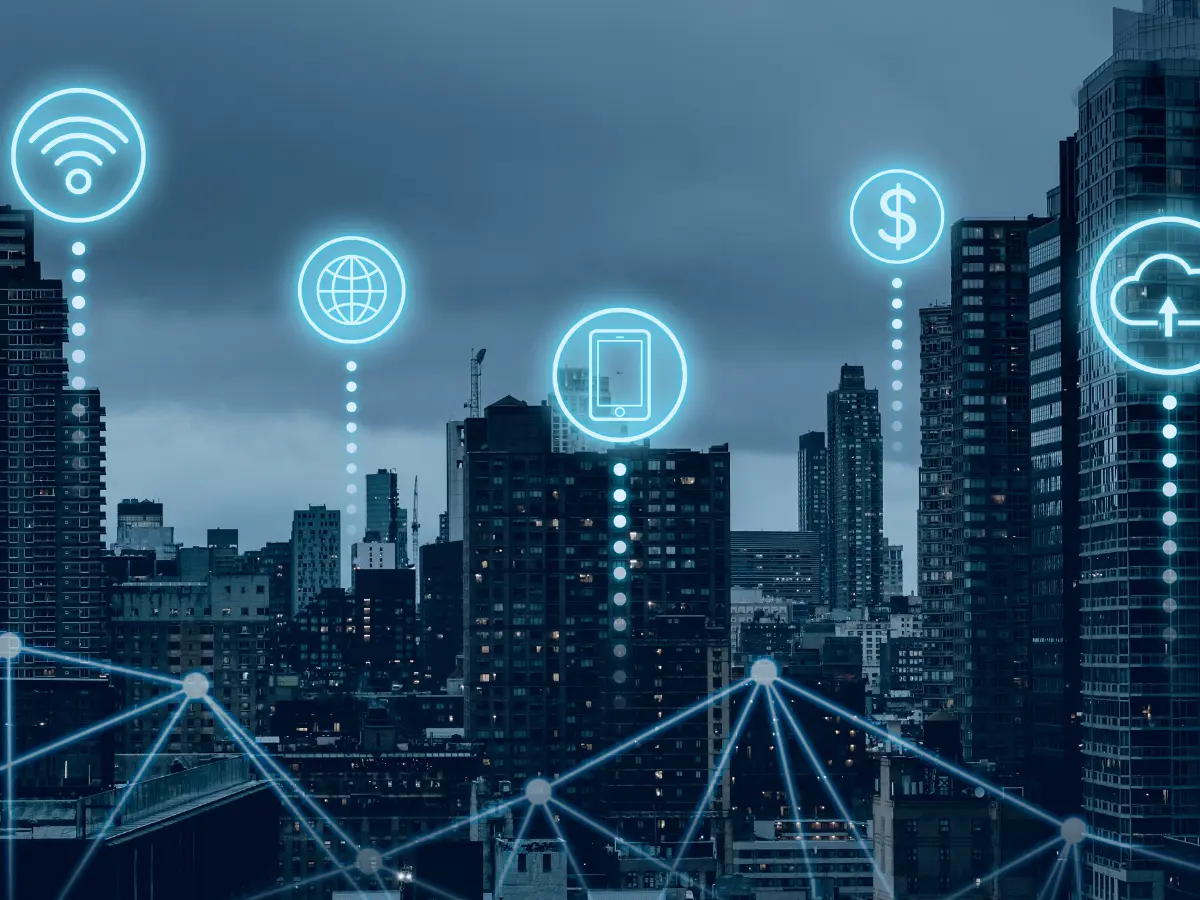
Concentrating 13 subsea cables near Mumbai's Versova creates a single point of failure, leaving India's internet infrastructure vulnerable to geopolitical tensions, aging cables, and delayed foreign maritime repairs.
Whether it is social networking or work, the internet is a part of our daily lives.
But what if I told you that the invisible backbone of this modern-day necessity lies on the ocean floor?
I am talking about subsea cables here.
Now, a report has thrown light on how India’s internet can be vulnerable in case of an enemy attack, owing to its current subsea infrastructure.
What are subsea cables?
Subsea cables are fibre-optic networks laid across the ocean floor and used to transmit data across continents.
Trending Stories
&imwidth=280&imheight=210&format=webp&quality=medium)
&imwidth=280&imheight=210&format=webp&quality=medium)
&imwidth=280&imheight=210&format=webp&quality=medium)
&imwidth=280&imheight=210&format=webp&quality=medium)
&imwidth=280&imheight=210&format=webp&quality=medium)
&imwidth=280&imheight=210&format=webp&quality=medium)
&imwidth=280&imheight=210&format=webp&quality=medium)
&imwidth=280&imheight=210&format=webp&quality=medium)
&imwidth=280&imheight=210&format=webp&quality=medium)
&imwidth=280&imheight=210&format=webp&quality=medium)
&im=FitAndFill=(700,400)&imwidth=280&imheight=210&format=webp&quality=medium)
&imwidth=280&imheight=210&format=webp&quality=medium)
&imwidth=280&imheight=210&format=webp&quality=medium)
&imwidth=280&imheight=210&format=webp&quality=medium)
&imwidth=280&imheight=210&format=webp&quality=medium)
&imwidth=280&imheight=210&format=webp&quality=medium)
&imwidth=280&imheight=210&format=webp&quality=medium)
&imwidth=280&imheight=210&format=webp&quality=medium)
&imwidth=280&imheight=210&format=webp&quality=medium)
&imwidth=280&imheight=210&format=webp&quality=medium)
&imwidth=280&imheight=210&format=webp&quality=medium)
&imwidth=280&imheight=210&format=webp&quality=medium)
&imwidth=280&imheight=210&format=webp&quality=medium)
&imwidth=280&imheight=210&format=webp&quality=medium)
&imwidth=280&imheight=210&format=webp&quality=medium)
&imwidth=280&imheight=210&format=webp&quality=medium)
&imwidth=280&imheight=210&format=webp&quality=medium)
&imwidth=280&imheight=210&format=webp&quality=medium)
&imwidth=280&imheight=210&format=webp&quality=medium)
&imwidth=280&imheight=210&format=webp&quality=medium)
&imwidth=280&imheight=210&format=webp&quality=medium)
They carry approximately 99% of the world’s internet traffic.
They also enable cloud computing and electricity transfer.
According to reports, subsea cables support 10 trillion US dollars in global financial transactions on a daily basis.
As of now, the global subsea cable network comprises roughly 600 cables stretching nearly 1.5 million kilometres.
Why is India vulnerable?
For India, the stakes are clear.
Rapid expansion of digital services is causing a sharp growth in demand for high-speed data connectivity, making resilient undersea cable networks a foundational requirement.
But, what is the state of India’s subsea cable infrastructure at present?
Let’s break it down for you.
While India accounts for 20% of global consumption of data, it currently hosts only 3% of the world’s subsea cables.
According to a report by Takshashila Institution, the country’s 18 subsea cables land at cable landing stations in the cities of Mumbai, Kochi, Thiruvananthapuram, Tuticorin and Chennai.
But there is a key caveat.
13 of these cables converge around a six-kilometre radius near Versova in Mumbai, creating a major geographic concentration of critical digital infrastructure.
Reports also indicate that these cables carry nearly 95% of India’s data traffic to Europe, Africa and West Asia.
This is not all.
The report also flagged that 11 of these cables were laid over two decades ago and are nearing the end of their 25-year operational lifespan.
In the scenario of damage to a cable, there are currently no cable repair vessels stationed within India’s maritime zones.
Thus, the country is entirely dependent on foreign repair fleets, often mobilising them from Singapore or the UAE, which takes months.
Regulatory hurdles are another issue, with the absence of a single-window clearance system for construction and repair of subsea cables.
Could an enemy attack hit India’s internet?
In wake of these factors, the report expressed concern over India’s potential vulnerability if subsea cables are damaged.
To put this into perspective, nearly 150-200 cable cuts reportedly occur every year, of which 80% are accidentally caused by human activity.
However, it is worth noting that India’s intercontinental data routes are heavily reliant on the strategic chokepoints of the Strait of Hormuz and Bab al-Mandab, which have become a domain for geopolitical competition.
Now, this worry is not entirely unfounded.
At the peak of US-Israeli strikes on its soil in April, Iran’s Tasnim news agency issued a veiled warning that the internet can potentially be in Tehran’s line of fire.
It highlighted how Hormuz serves as a critical corridor for at least seven undersea cables, including Falcon, AAE-1 and TGN-Gulf.
As per Tasnim, nations like the UAE, Qatar, Bahrain, Kuwait and Saudi Arabia would be majorly impacted if undersea cables around Hormuz are damaged.
While it is important to note that subsea cable cuts do not result in an immediate and complete internet blackout, it could slow down internet speed, thereby affecting many sectors of the economy.
As India scales up its data centres and AI infrastructure, experts are urging the government to treat subsea cables as critical national infrastructure.