Love Storiyaan review: A riveting ode to human emotions


Love Storiyaan
Love is a universal and profoundly human experience. Yet at the same time, romantic love and its expression are often curtailed by families, social norms of caste and class, and increasingly today, by the State. It is ironic that in an age where finding love, whether offline or through the plethora of dating apps available today , seems easier than before, and where young people fall in and out of love with impunity, that Love Storiyaan should seem so radical.
The series beautifully captures the dichotomous nature of love as deeply personal and yet political. It feature's six carefully curated stories of real couples, featured on the Indian Instagram handle India Love Project, a Humans of Romance initiative. The stories feature couples who have overcome hurdles of caste, religion and familial opposition to be together. Each story is unique and subverts stereotypes.

The anthology begins with the love story of Ullekh, a journalist and blogger, and his wife, a woman who found love after a divorce and while raising her children. While it is a story of giving love a second chance, it is also one rife with struggles- a Malyali Christian man falls for a Hindu woman based in Delhi. The story is refreshing and subverts popular romantic tropes in many ways- for instance, the male partner is less successful than his lover, and familial opposition presents itself in the form of the female protagonist’s daughters , rather than in the familiar trope of overbearing parents. This poignantly depicts the conflict, mentioned by the protagonist herself, between motherhood and womanhood, and reveals the norms of ageing in a country where elderly or middle aged women are expected to subsume all sexual and romantic desires, sacrificing their happiness for the family and where a mother is never seen as a feminine or womanly person in her own right but is desexualised.
Also Read |Beyonce and country radio row: What happened, why fans are calling radio station 'racist'
The depiction of romance- featuring the couple coming together despite, or perhaps because of their ideological differences, (he is a Marxist who advocates for collective struggle, she a successful Feminist writer who fights for individual rights of women), reconciling after a breakup, indulging in quiet moments of affection in a park- is both authentic and relatable.
&imwidth=180&imheight=135&format=webp&quality=medium)
Pakistan to head IMF, World Bank boards after 74 years amid persistent economic crisis
&imwidth=180&imheight=135&format=webp&quality=medium)
'We are not sitting in ivory towers, we are aware': SC issues notice to Rahul Gandhi, Akhilesh Yadav
&imwidth=180&imheight=135&format=webp&quality=medium)
6-year-old among 2 killed as vehicle crashes into youth soccer game in US
&imwidth=180&imheight=135&format=webp&quality=medium)
‘I have very severe problems’: Trump fuels health speculation during address to firefighters
&imwidth=180&imheight=135&format=webp&quality=medium)
Lizard people? Ex-US Army sniper claims soldier killed by 'reptilian beings' in battle near Area 51
&imwidth=180&imheight=135&format=webp&quality=medium)
Ankita Bhandari murder case: Parents meet CBI, seek impartial investigation
&imwidth=180&imheight=135&format=webp&quality=medium)
Bangladesh resort fire kills 10 tourists, including a 5-year-old child
&imwidth=180&imheight=135&format=webp&quality=medium)
At least 19 killed in stampede-like situation after part of Kolkata Durga Puja pandal collapses
&imwidth=180&imheight=135&format=webp&quality=medium)
Rajinikanth remembers late composer Deva, recalls his kindness and musical legacy
&imwidth=180&imheight=135&format=webp&quality=medium)
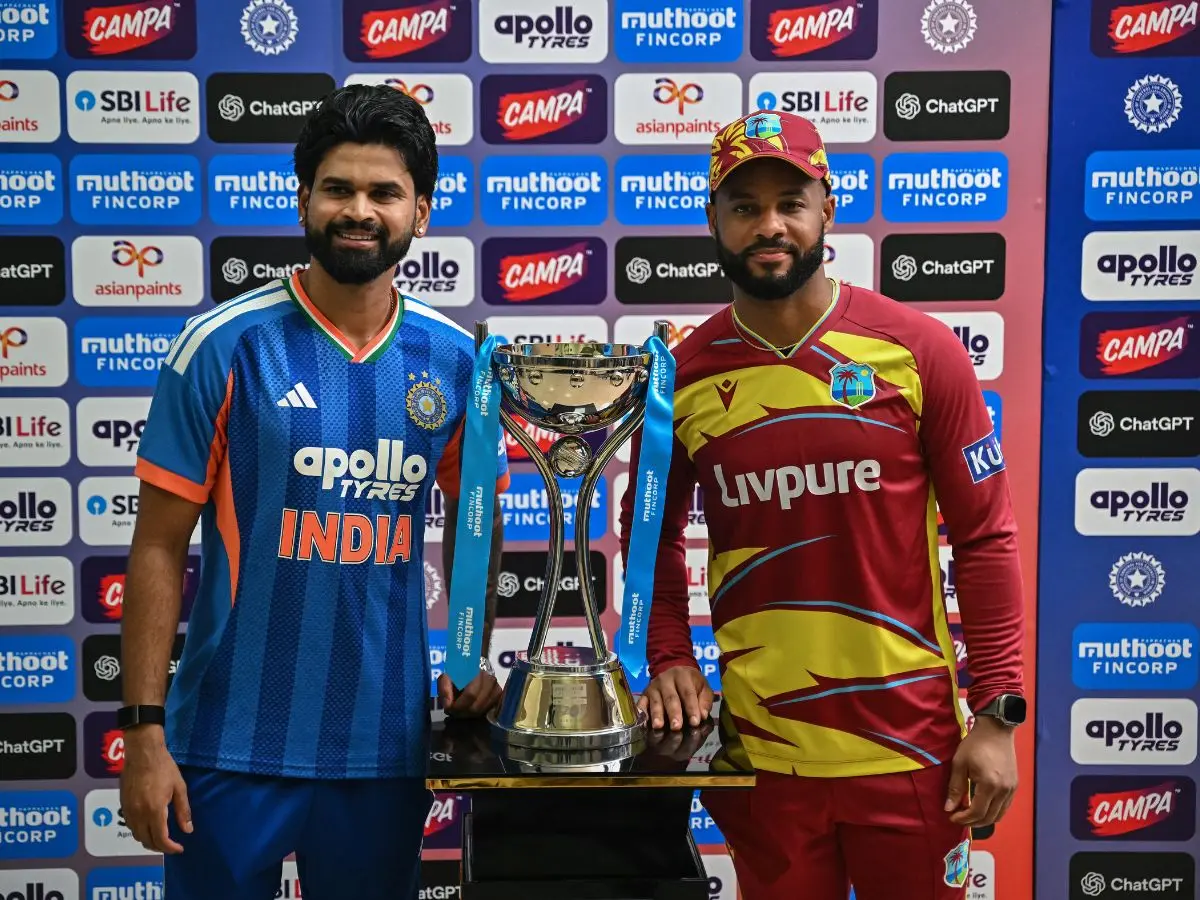
Rain washes out 5th T20I as India-West Indies share honours 2-2
&imwidth=180&imheight=135&format=webp&quality=medium)
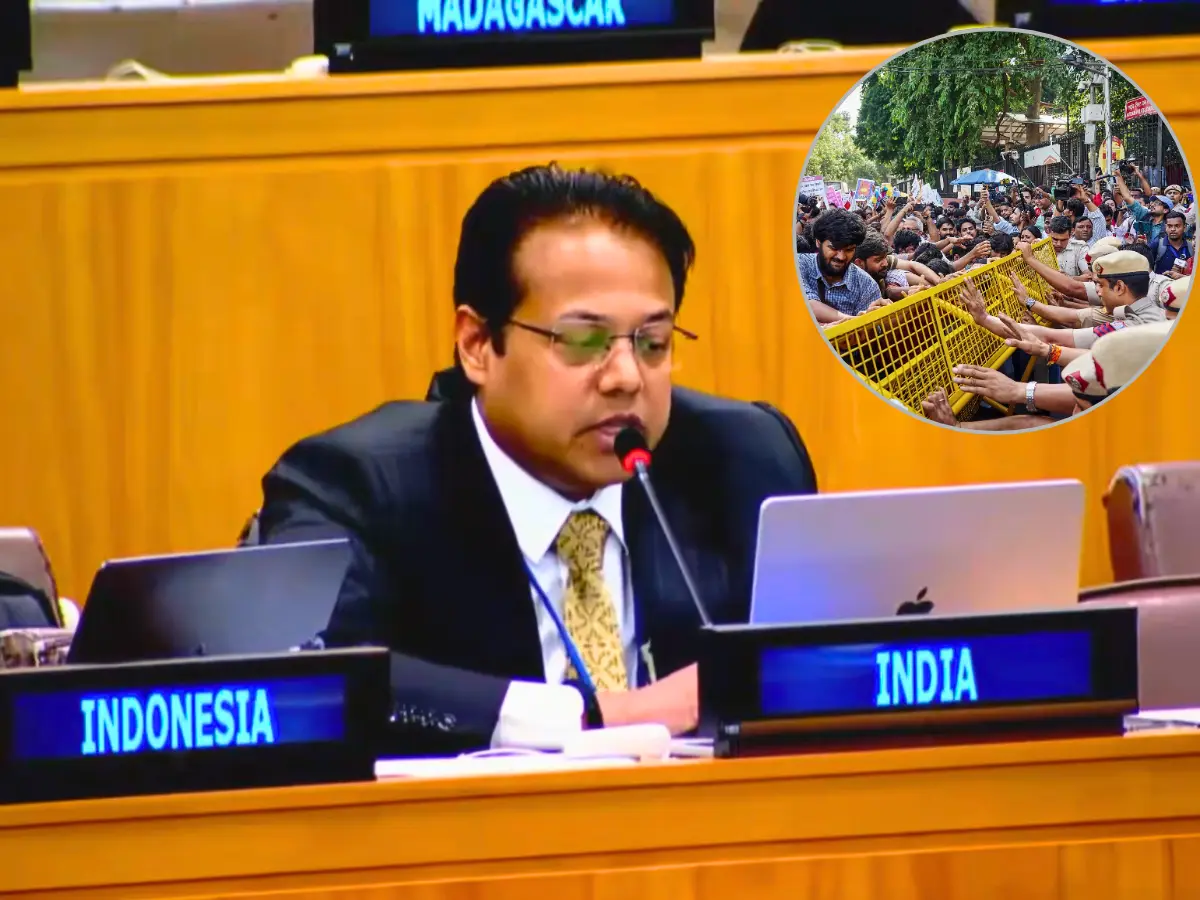
'Reason UN has lost credibility': Amid SIR protests India hits out at report alleging 'youth repression'
&imwidth=180&imheight=135&format=webp&quality=medium)
‘My president, I mean my husband’: Trump's new press secretary Katie Zacharia's first briefing goes off the rails in 14 minutes
&imwidth=180&imheight=135&format=webp&quality=medium)
China responds to Trump's Press Secretary Katie Zacharia after toilet remark: 'Visit China more often'
&imwidth=180&imheight=135&format=webp&quality=medium)
UAE agrees with Saudi Arabia to rejoin Yemen fight as Houthi strikes rattle Riyadh
&imwidth=180&imheight=135&format=webp&quality=medium)
COVID-19 pandemic led to increase in divorce cases, observes Madras High Court
&imwidth=180&imheight=135&format=webp&quality=medium)
At least 400 arrested as protests turn violent in France; PM blames far left
&imwidth=180&imheight=135&format=webp&quality=medium)
Explosion and fire at military base in Canada's Alberta, casualties feared
&imwidth=180&imheight=135&format=webp&quality=medium)
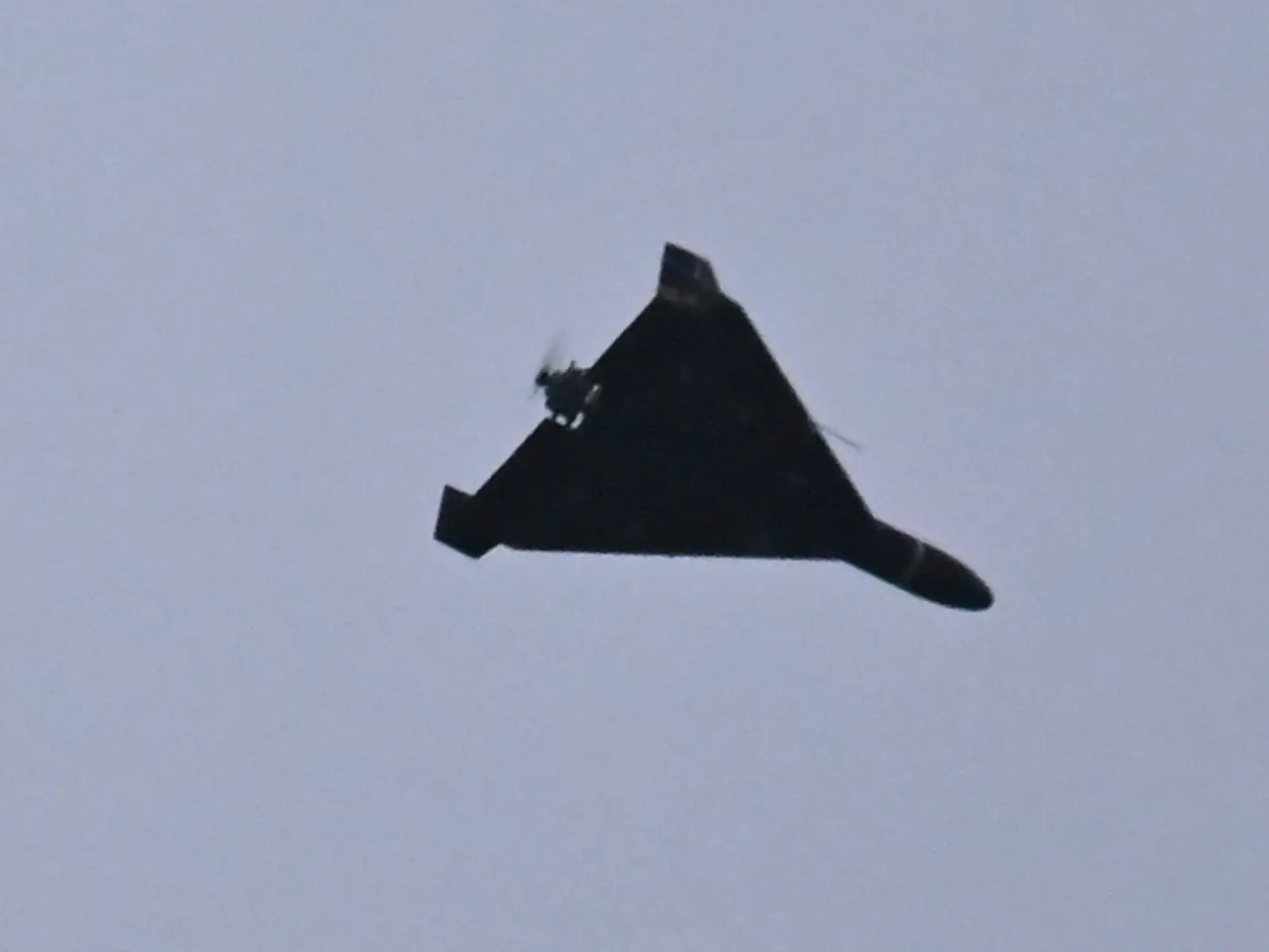
Israel examines Russia's Shahed-type drones sent by Ukraine to combat Iran | Gravitas
&imwidth=180&imheight=135&format=webp&quality=medium)
WATCH | iPhones, luxury perfumes floating in Hormuz? Iranian fishermen make bizarre discovery
&imwidth=180&imheight=135&format=webp&quality=medium)
Two students die, 14 injured at Dandiya event in Hyderabad: Know what happened? VIDEO
&imwidth=180&imheight=135&format=webp&quality=medium)
China’s ‘dark tourism’ boom: Why are young travelers paying to experience simulated disasters?
&imwidth=180&imheight=135&format=webp&quality=medium)
WATCH | Zelensky gives cheeky response when asked if Trump is making him a scapegoat ahead of US midterms
&im=FitAndFill=(700,400)&imwidth=180&imheight=135&format=webp&quality=medium)
Durga Puja 2026: Ranbir Kapoor, Kajol, Jaya Bachchan, and other celebs bring festive glam to pandals
&imwidth=180&imheight=135&format=webp&quality=medium)
No Ravindra Jadeja, Yashasvi Jaiswal in India’s 2027 ODI World Cup plans: Report
&imwidth=180&imheight=135&format=webp&quality=medium)
Kolkata Durga Puja stampede: PM Modi announces Rs 2 lakh ex-gratia for kin of dead, Amit Shah to visit injured
&im=FitAndFill=(700,400)&imwidth=180&imheight=135&format=webp&quality=medium)
Inside Tesla's Roadster: 10 features of Elon Musk's 'flying car' that push the limits of electric vehicles | In Pics
&imwidth=180&imheight=135&format=webp&quality=medium)
Anirudh Ravichander-Kavya Maran wedding: Telangana CM reveals Chennai reception date
&imwidth=180&imheight=135&format=webp&quality=medium)
Ranbir Kapoor visits North Bombay Durga Puja pandal, offers prayers
&imwidth=180&imheight=135&format=webp&quality=medium)
One species, two lineages: Why Sri Lanka’s spectacled cobra differs genetically from Indian variant
&imwidth=180&imheight=135&format=webp&quality=medium)
Oil tanker carrying over 2M barrels of crude hits mine in Strait of Hormuz, catches fire, says Iran
&imwidth=180&imheight=135&format=webp&quality=medium)
2 injured in plane crash on busy California highway

US ends automatic work permit extensions; Indian workers lose 540-day safety net: What it means
&imwidth=180&imheight=135&format=webp&quality=medium)
'It's a joy to see the makers bring it on such a grand scale': SS Rajamouli on Ramayana
&imwidth=180&imheight=135&format=webp&quality=medium)
13 dead after truck mows down devotees, crashes into temple gate in Madhya Pradesh's Gwalior
&imwidth=180&imheight=135&format=webp&quality=medium)
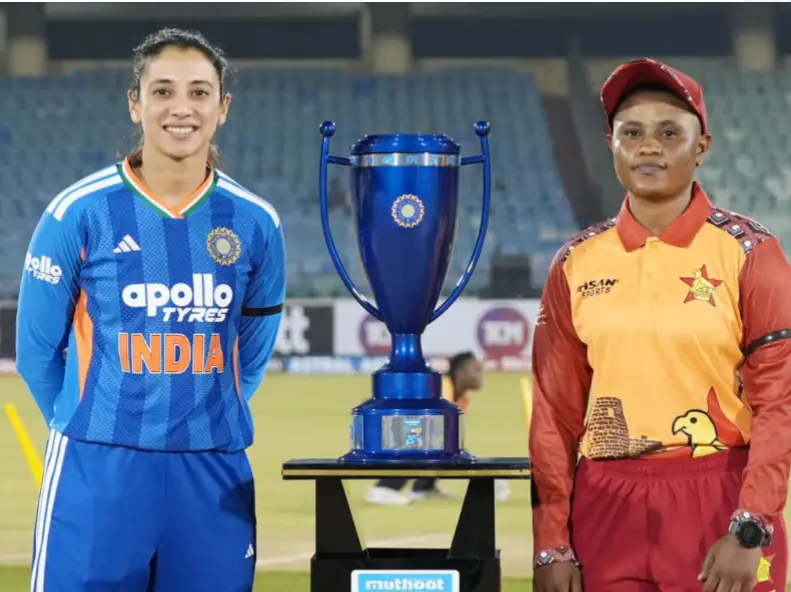
IND-W vs ZIM-W, 2nd T20I: When and where to watch live streaming in India?
&imwidth=180&imheight=135&format=webp&quality=medium)
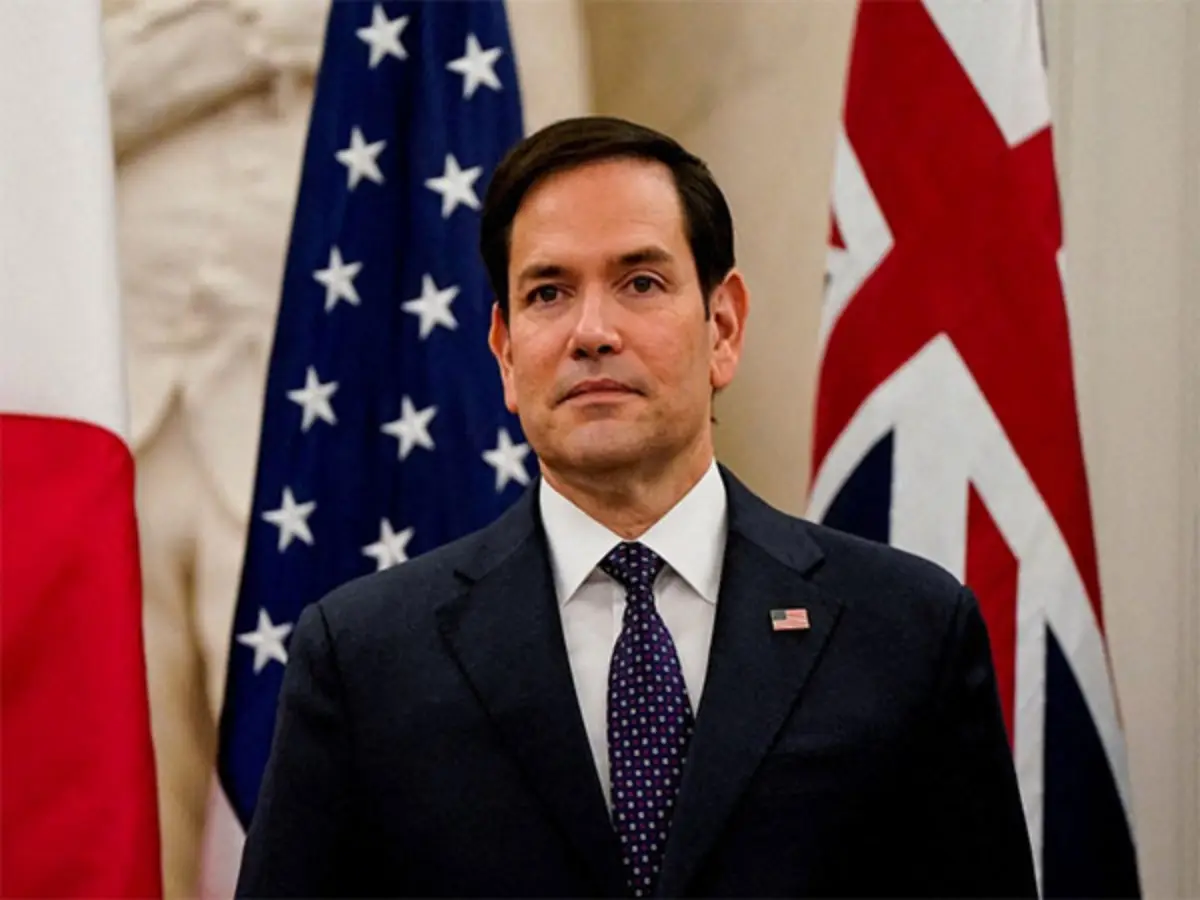
US lawmaker Pramila Jaypal writes to Rubio, urges to raise handling of CJP protest with India
&imwidth=180&imheight=135&format=webp&quality=medium)
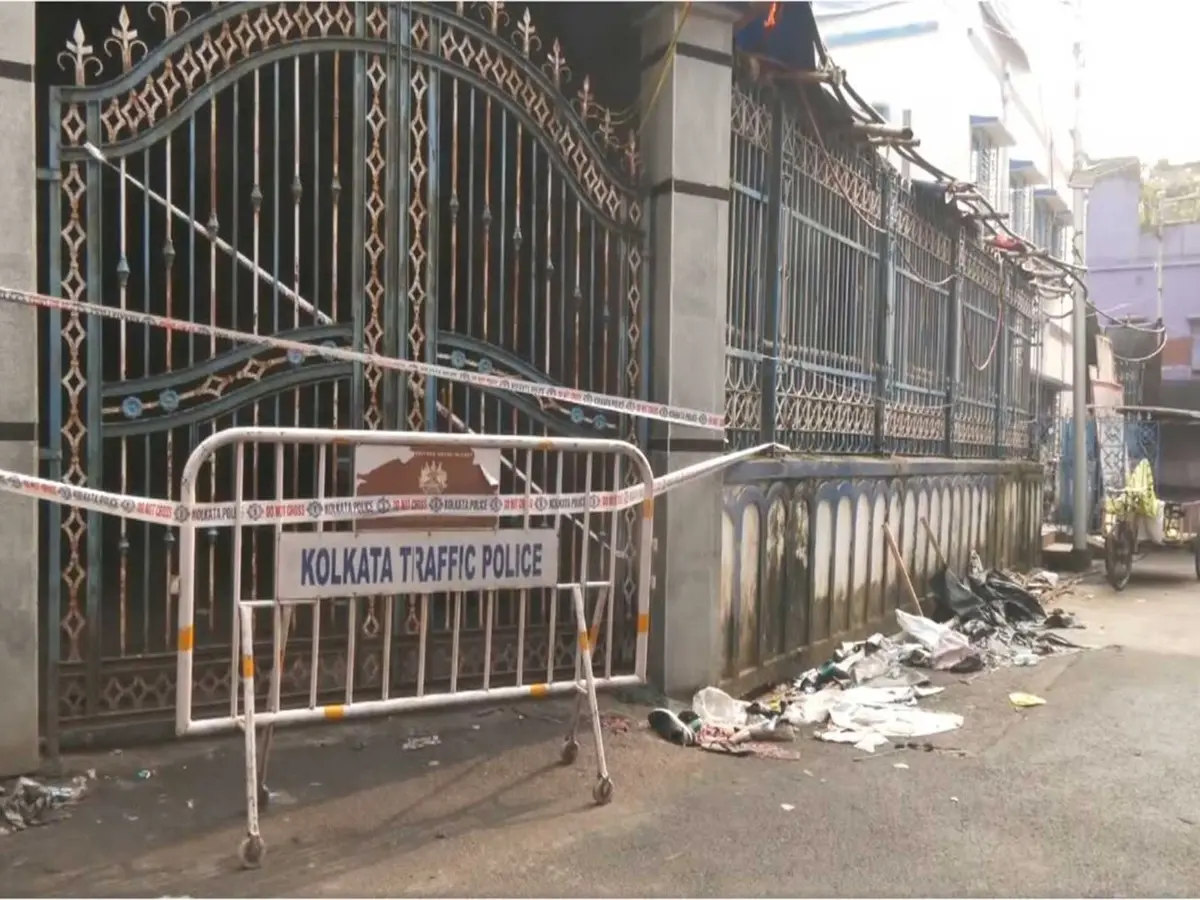
Kolkata puja pandal stampede: 7 arrested, section 163 restrictions imposed in north Kolkata
More stories follow- from an elderly Bangladeshi couple who are still very much in love, shown through tiny gestures of affection, to a blend of romance and revolution, in the love story of a middle class Brahmin man, an engineer from IIT , and a poor Dalit woman, to the story of two trans individuals who connect in an unexpected manner and fall in love. While the elderly couple has to overcome the familiar, but increasingly powerful, hurdle of religious differences, the Dalit woman faces discrimination not only from society at large, but also in the personal sphere from her husband’s family.
The series is extremely thought provoking and eerily familiar- contemporary discourses on citizenship and who constitutes a citizen can be juxtaposed with the struggles of the Bangladeshi lovers to maintain their cultural heritage, while escaping religious persecution and political unrest to seek haven in India. She is Hindu, he a Muslim, which would raise eyebrows even today.
Playing with tropes of inter caste marriages, familial opposition and love triumphing over all odds, the IIT graduate’s story could still resonate today in an age where external forces conspire against young love. Repressive social norms and political polices of the time, set in Madhya Pradesh against the backdrop of Adivasi resistance, the story is one of thwarted expectations as much as love- a promising and bright boy from a family of engineers devotes his life to social service rather than the stable career his family desired. Romance, through the beauty of one’s lover and his eyes, soft masculinity, sensual glances, is depicted with an unusual tenderness.
Queer narratives play a part in this series, with the idea of exploring ones sexuality in a clandestine manner, in a society that doesn’t encourage such exploration. While songs are used to showcase political unrest and resistance in one story , this story depicts the clandestine nature of expressing a discomfort with ones gender through mirrors and clothing. It is interesting that while Indian society only values heterosexual procreative sexuality, the tender love story of a trans couple is shown through heterosexual tropes and meet cutes.
In a similar vein, a story unfolds of a couple who face political oppression in Afghanistan, juxtaposed with their ordinary romantic dreams of a home,a dog and walks in the park, reminiscent of the American white picket fence.
Overall, this is a beautiful ode not only to romance, but to individuals who dare to forge their own path, professionally and personally, facing their families and social milieu with courage, and to the resilience of the human spirit in the faceofpersecution.