

&imwidth=800&imheight=600&format=webp&quality=medium "Trump’s tariff proposal risks harming US chip industry, experts say")
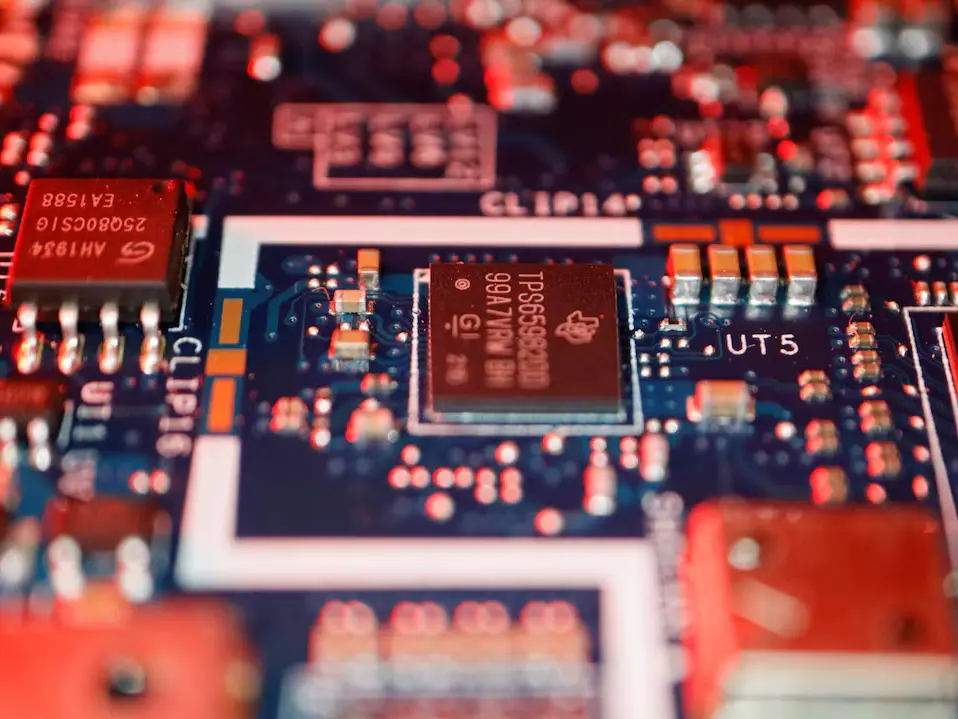
US President Donald Trump’s recent proposal to impose a 100 per cent tariff on chips and semiconductors may not achieve its intended goal of boosting advanced chip manufacturing in the United States, industry analysts warn. While the tariff would be waived for companies committing to build production facilities within the US, the policy fails to address deeper structural issues that are hindering the country’s ability to become a leader in cutting-edge chip production.
Tariffs likely to have minimal impact
The US has already seen major investments from global semiconductor giants, including Taiwan Semiconductor Manufacturing (TSMC) and South Korea’s Samsung Electronics, who are building multi-billion-dollar chip factories in Arizona and Texas, respectively. These projects, driven in part by previous US subsidies, aim to strengthen the domestic supply chain and reduce reliance on foreign-made chips. However, Trump’s tariffs may not spur additional investment, as many of these companies have already committed to US production in exchange for financial incentives.
TSMC’s $165 billion investment in US manufacturing, for example, may help it avoid tariffs, but these efforts are unlikely to be expanded further due to the higher costs of production in the US. The company has already stated that the Arizona fabs will operate with older chip-making technology, underscoring the difficulty in competing with the more advanced processes employed at TSMC’s Taiwanese facilities. Experts note that, for some companies, the tariffs could result in a situation where the minimum amount of US investment is made to comply with the rules, while the majority of the chips are still produced abroad.
Higher prices for consumers and electronics firms
While the tariffs might encourage some companies to establish US-based operations, the broader implications could harm US consumers and companies relying on imported components. Electronics giants like Apple have already secured tariff exemptions through hefty investment pledges, but smaller firms may struggle with the added costs of tariffs on imported chips. Analysts warn that these costs could trickle down to consumers in the form of higher prices for electronics, such as smartphones, laptops, and even automobiles.
Trending Stories
&imwidth=180&imheight=135&format=webp&quality=medium)
Brendan Taylor overtakes Andy Flower to become Zimbabwe’s leading ODI run-scorer
&imwidth=180&imheight=135&format=webp&quality=medium)
Researchers name newly discovered Andean plant after Argentina legend Lionel Messi
&imwidth=180&imheight=135&format=webp&quality=medium)
Lawrence Bishnoi gang claims responsibility for firing at Tiger Shroff over ties to Salman Khan
&imwidth=180&imheight=135&format=webp&quality=medium)
Flying car race: Alef Aeronautics welcomes Tesla Roadster '11 years' later, but are the two models the same?
&imwidth=180&imheight=135&format=webp&quality=medium)
Shastri backs Shami comeback; lauds Bhuvi and warns Bumrah on format workload ahead of World Cup
&imwidth=180&imheight=135&format=webp&quality=medium)
Netanyahu rival Benny Gantz quits Israel election race, vows to push for unity government
&imwidth=180&imheight=135&format=webp&quality=medium)
Saudi Arabia asks skyscraper employees to work from home amid Houthi threats
&imwidth=180&imheight=135&format=webp&quality=medium)
NFl 2026/27 - Saints vs Steelers to go ahead in Paris next week despite protest
&imwidth=180&imheight=135&format=webp&quality=medium)
4 killed, 19 critically injured in grass fire at Canada's largest military base
&im=FitAndFill=(700,400)&imwidth=180&imheight=135&format=webp&quality=medium)
Ghaziabad is world's fastest-growing city; Surat, Patna, Rajkot also feature on list
&imwidth=180&imheight=135&format=webp&quality=medium)
Nobel laureate Machado, who dedicated prize to Trump, confirmed as Venezuela opposition leader
&imwidth=180&imheight=135&format=webp&quality=medium)
After Kennedy Center and reflecting pool disputes, Trump turns to Washington golf course plan amid legal battle
&imwidth=180&imheight=135&format=webp&quality=medium)
Why France looks the most fragile in the G7 amid protests and budget deadlock
&imwidth=180&imheight=135&format=webp&quality=medium)
Asian Para Games: Nishad Kumar clinches T47 long jump gold; Ravi Budigina bags swimming silver
&imwidth=180&imheight=135&format=webp&quality=medium)
China responds to Trump's Press Secretary Katie Zacharia after toilet remark: 'Visit China more often'
&imwidth=180&imheight=135&format=webp&quality=medium)
PCB omits Atherton, Hussain from tri-series commentary panel over Imran Khan interview row
&imwidth=180&imheight=135&format=webp&quality=medium)
Anthropic’s public benefit plan: What its 5% share commitment means for AI’s future
&imwidth=180&imheight=135&format=webp&quality=medium)
Girl 'dead' for 8 hours wakes up at her own funeral, dad insists she wasn't breathing
&imwidth=180&imheight=135&format=webp&quality=medium)
MI5 is opening an AI threat centre, and OpenAI just told MPs the worst isn't over
&imwidth=180&imheight=135&format=webp&quality=medium)
Elon Musk features on Lucknow's 'anti-India' Ravan poster alongside Rahul Gandhi, Akhilesh
&im=FitAndFill=(700,400)&imwidth=180&imheight=135&format=webp&quality=medium)
New OTT releases this week (October 19-25, 2026): Gajab Raat to Chaar Yaar-8 titles to watch during Dussehra week on Netflix, Prime Video and more
&imwidth=180&imheight=135&format=webp&quality=medium)
Kylie Jenner makes Victoria’s Secret debut in $50 million diamond-encrusted design as Timothée Chalamet cheers
&imwidth=180&imheight=135&format=webp&quality=medium)
Putin wants joint meeting with Trump-Xi summit on Ukraine war, proposes talks alongside APEC: Report
&imwidth=180&imheight=135&format=webp&quality=medium)
No Ravindra Jadeja, Yashasvi Jaiswal in India’s 2027 ODI World Cup plans: Report
&imwidth=180&imheight=135&format=webp&quality=medium)
India moves to buy 10,000 more AI chips for a national compute pool open to startups
&imwidth=180&imheight=135&format=webp&quality=medium)
Anirudh Ravichander-Kavya Maran wedding: Telangana CM reveals Chennai reception date
&im=FitAndFill=(700,400)&imwidth=180&imheight=135&format=webp&quality=medium)
Tesla Roadster engineering: The hidden hardware behind its flying demonstration
&imwidth=180&imheight=135&format=webp&quality=medium)
Karan Johar reimagines Student Of The Year with thriller series After Dark, Shanaya Kapoor to debut on OTT
&imwidth=180&imheight=135&format=webp&quality=medium)
US to review Russia sanctions waiver within 60 days as Rubio cites India’s ‘substantial’ Russian energy imports
&imwidth=180&imheight=135&format=webp&quality=medium)
'Grassroots leagues help bridge the gap': India's ODI WC winner Suresh Raina lauds ISCL ahead of Season 2
&imwidth=180&imheight=135&format=webp&quality=medium)
'We feel like Mr India': Gujarat’s undercover SHE team guard garba nights at Navratri
&imwidth=180&imheight=135&format=webp&quality=medium)
Cattle-feed bran in biscuits, detergent in milk: FSSAI acts against 3 companies
&imwidth=180&imheight=135&format=webp&quality=medium)
'It's a joy to see the makers bring it on such a grand scale': SS Rajamouli on Ramayana
&imwidth=180&imheight=135&format=webp&quality=medium)
Priest dies after crucifix falls on his head during livestreamed Mass in Ecuador | VIDEO
Apple, for instance, has been a significant player in US chip manufacturing, relying on TSMC’s Arizona facilities for chip production. However, much of Apple’s investment, such as expanding data centres and server production, has little impact on advanced semiconductor manufacturing. Furthermore, much of Apple’s commitment to US-based production was already in progress before the tariff threat, suggesting that the tariffs themselves may not be the driving force behind its manufacturing decisions.
Geopolitical factors and strategic supply chain investments
Ultimately, it’s not the tariffs but broader geopolitical and economic factors that are driving chip manufacturers to establish operations in the US. The growing risks of political instability, particularly tensions with China and the possibility of conflicts in West Asia, have encouraged semiconductor companies to bring their supply chains closer to home. Additionally, subsidies like the 2022 Chips Act and US tax incentives for equipment purchases continue to be more effective at enticing foreign manufacturers to set up shop in the US than the tariff proposal itself.
Industry experts argue that while the US may continue to see growth in domestic semiconductor production, this will be driven by economic incentives and geopolitical strategy, not tariffs. If the aim is to secure more advanced chip manufacturing in the US, the tariff regime proposed by Trump may fall short of its intended goals, creating more risks than rewards for the broader economy.
(With inputs from agencies)