Report: UK central bank says pension funds nearly collapsed amid market meltdown


Bank of England
According to the Bank of England, the pension funds which are managing vast sums on behalf of retired people in the UK came close to a collapse after an “unprecedented” meltdown in UK government bond markets following the Chancellor of the Exchequer, Kwasi Kwarteng’s mini-budget.
The central bank explained how the drastic increase in interest rates on long-dated UK government bonds in the days following the mini-budget announcement had triggered a “self-reinforcing” spiral in debt markets, said the Guardian. This threatened the stability of the British financial system.
The Bank of England stepped in last week after the British pound collapsed and became the lowest ever in history against the dollar. On the other hand, the interest rates on rates on UK government bonds rose to the highest ever since the 2008 global financial crisis.

In a letter to the Commons Treasury committee, the Bank’s deputy governor for financial stability, Jon Cunliffe while explaining the bank’s intervention suggested that the biggest market movements came after the chancellor’s announcement of the mini-budget.
ALSO WATCH:UK unveils mini budget; historic tax cuts and borrowing in UK's new economic agenda
Explaining its emergency intervention to subdue the financial market turmoil they said how more than one trillion pounds invested in pension funds came under severe strain and a large number of which might have gone bust.
Reportedly, if they did not intervene and promised to buy 65 billion pounds of government debt, the funds managing money on behalf of pensioners “would have been left with negative net asset value” across the country. Subsequently, they would also have not been able to meet cash demands.
)
Why asking questions could be more important than memorising answers
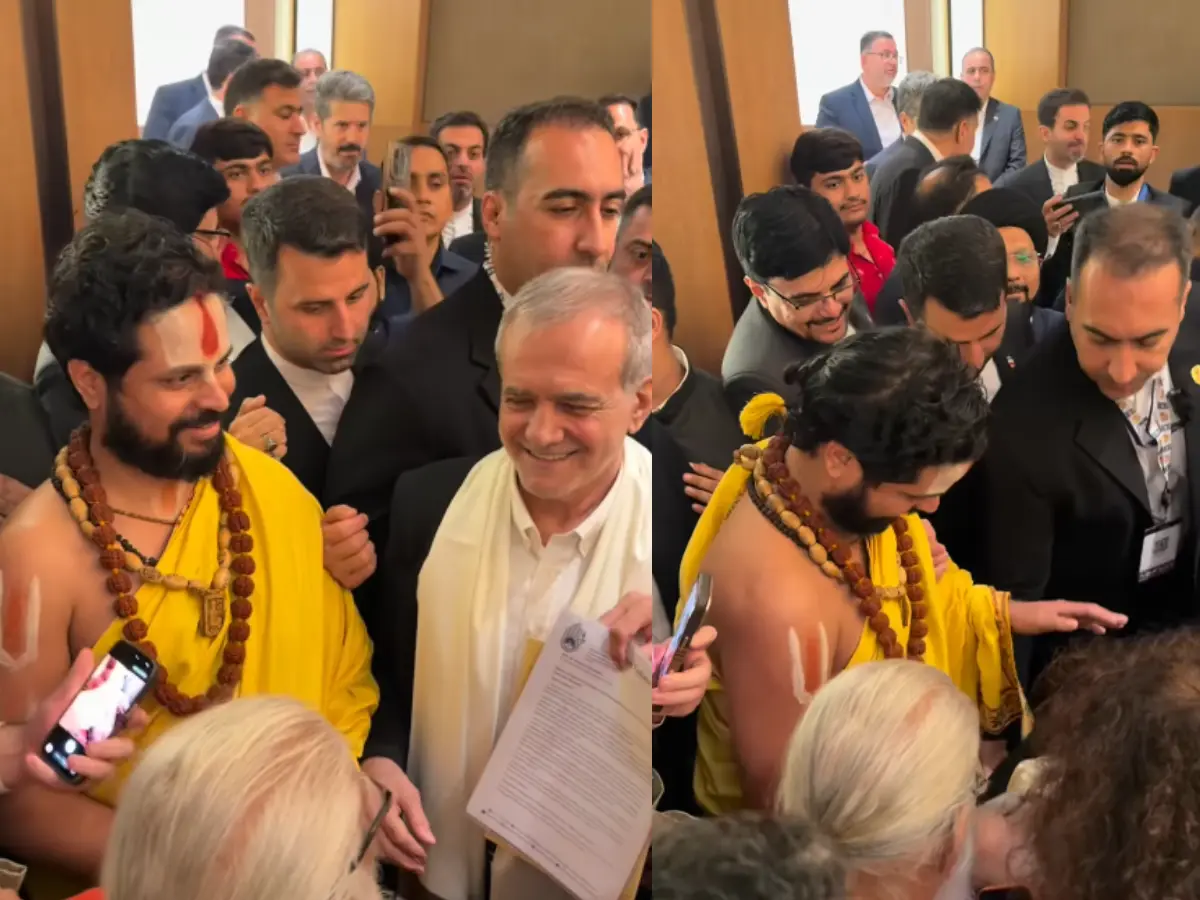)
Did Iran President Pezeshkian touch feet of Hindu spiritual leader at Delhi event as shown in viral video?
&im=FitAndFill=(700,400))
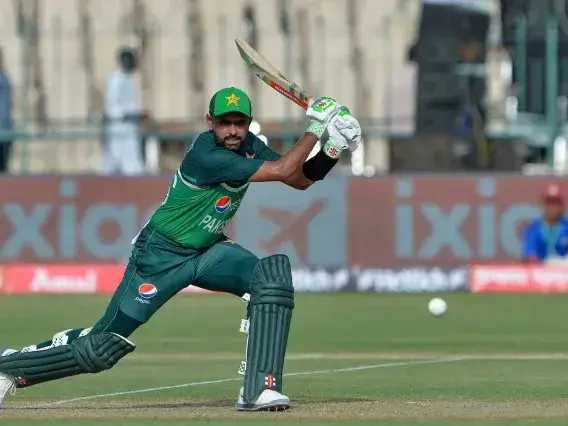
Meet top 5 batters fastest to 3000 runs in T20Is
)
BRICS Summit 2026: PM Modi addresses Day 2 of 18th BRICS summit
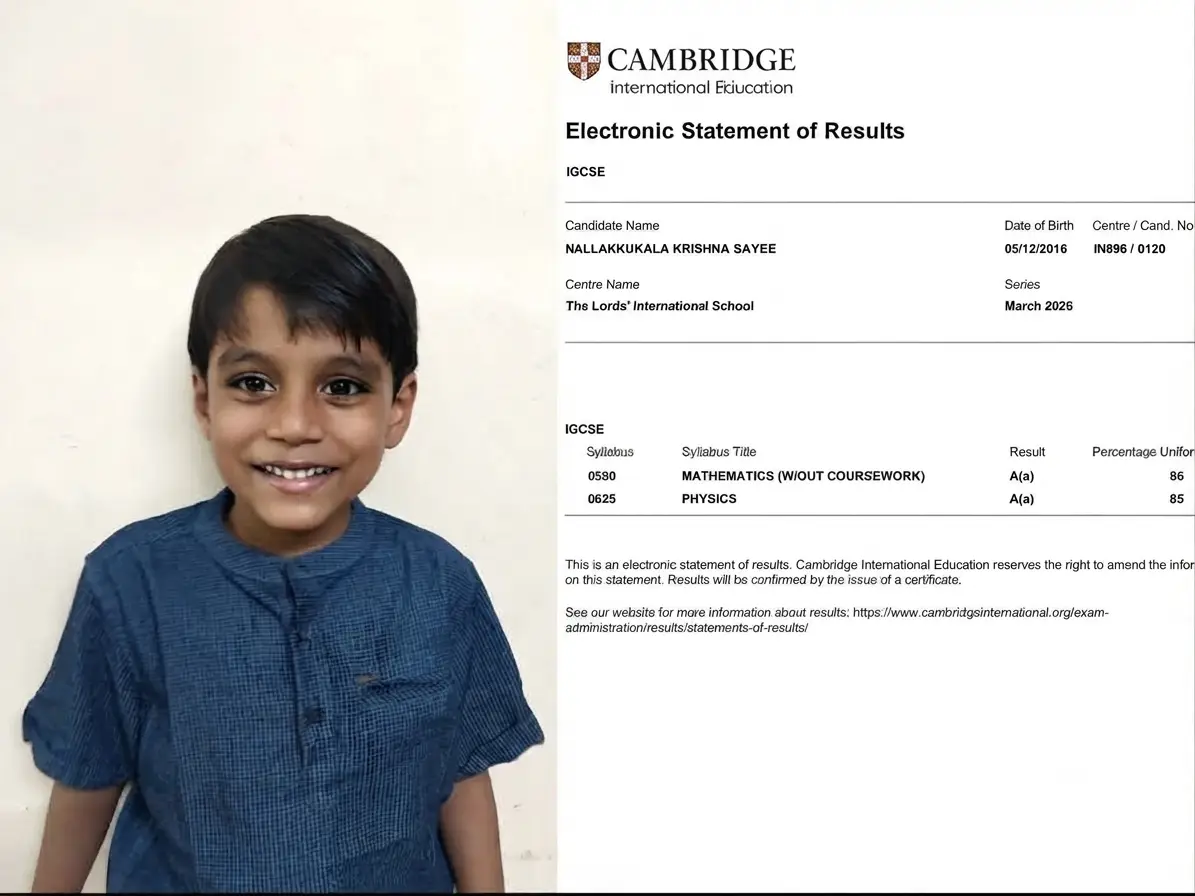)
9-year-old Chennai prodigy clears Cambridge IGCSE grade 10 exams
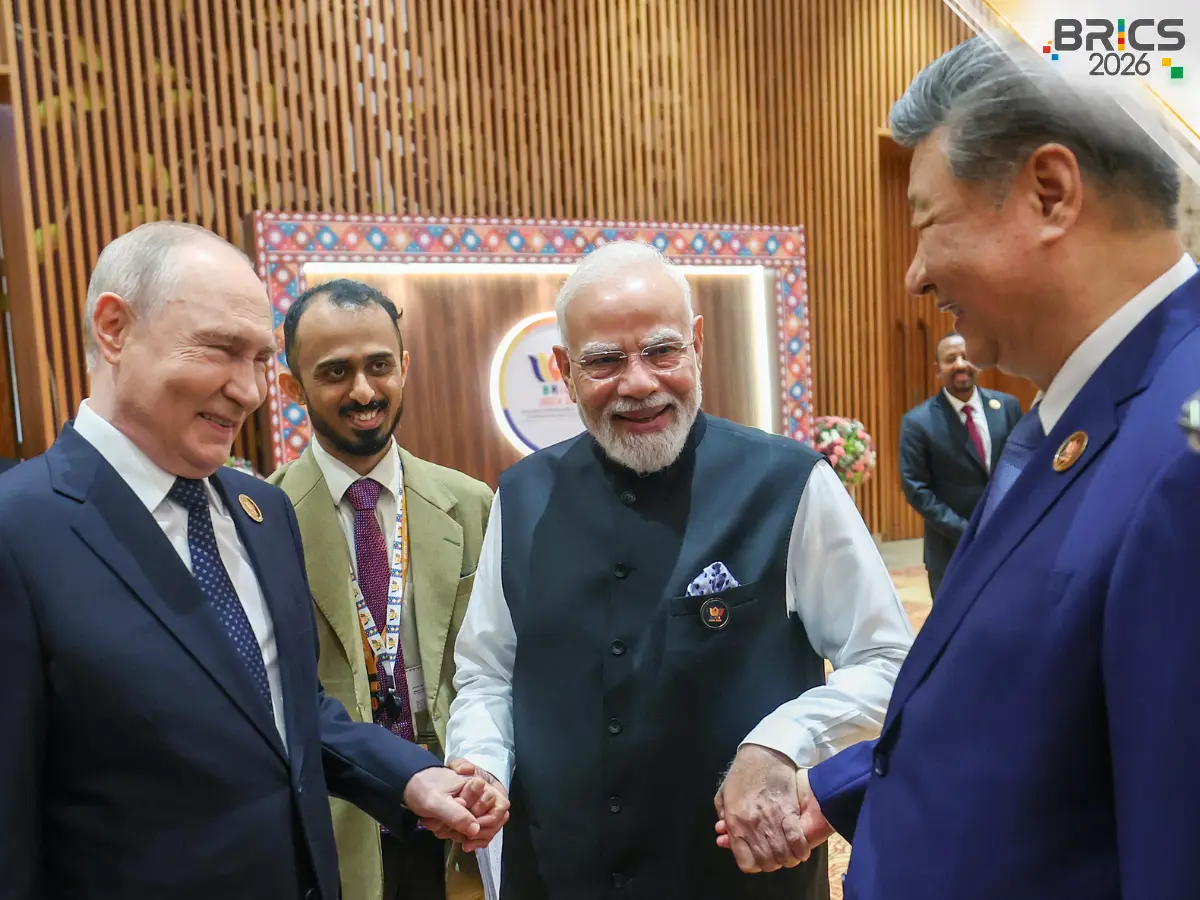)
PM Modi and China's Xi offered to help resolve Russia-Ukraine war: Kremlin
)
BRICS Summit 2026: Consensus on joint declaration, diplomatic win for India
)
Why does your skin need protection from UV rays?
&im=FitAndFill=(700,400))
Why do air defence missiles explode near their target instead of hitting it?
)
Celine Dion makes emotional stage comeback after six years: 'I'm so delighted to see you'
)
War is making Russia stronger? How Ukraine is shaping Moscow’s next generation of weapons
)
Could staying indoors all day affect your health?
)
BRICS Summit day 1: New Delhi declaration adopted with full consensus, big diplomatic win for India
)
Why do wild animals need quiet places to survive?
)
BRICS Summit 2026: Chinese president Xi Jinping departs from New Delhi after attending BRICS summit
)
Russian drone hits Warsaw-bound train near Polish border, Zelensky accuses Moscow of ‘deliberate’ targeting
)
'Iran won't surrender': Pezeshkian sends blunt message to US while attending BRICS Summit in India
)
BRICS Summit 2026: PM Modi to hold bilateral with leaders of seven countries
)
‘Partners, not rivals’: Xi outlines four point plan for stronger India-China ties
&im=FitAndFill=(700,400))
Why Chinese PL-15 air-to-air missiles use dual-pulse motors compared to European interceptors
)
Why does your body need time to adjust after a long journey?
)
Why going digital does not always mean becoming more efficient
)
'He is popular...': Malaysian PM Anwar Ibrahim's praise for PM Modi during bilateral meeting | WATCH
)
Who is the smiling man beside Modi, Putin and Xi at BRICS Summit 2026?
)
Migration protests return to Portsmouth as rival demonstrations face off
)
Osama Bin Laden ‘planned’ to target India, CIA reveals dozens of declassified documents
)
BRICS Summit 2026: PM Modi, Xi reach key consensus on ties, China to assume BRICS chairmanship in 2027
)
BRICS Summit 2026: Global leaders of BRICS nations attend main open session
)
From severe mobility problems to recovery: Madhuri the elephant’s journey of wildlife care
)
Bigg Boss 20: Qazi Touqeer gets a special ‘rockstar’ moment from Salman Khan
)
Ramanathaswamy temple takes centre stage as PM Modi welcomes world leaders at BRICS
)
IND vs AFG, 1st T20I: When and where to watch live streaming in India?
)
Top 5 places to visit in Goa beyond its famous beaches
)
Trump says Canada eager to reach a deal, it could come ‘fairly soon’ if Ottawa treats US farmers better
)
Humans may lose control of AI: Anthropic CEO calls for slowdown, Altman, Musk back him
)
800 million years old - Scientists discover 'fingerprints' of supercontinent Gondwana in ancient rocks
)
How does the loss of forests affect the way wildlife lives and moves?
)
Why dehydration is the hidden cause of travel fatigue on long flights
)
Houthis launch cross-border strike on Saudi Arabia as Yemen war escalates
“As a result, it was likely that these funds would have to begin the process of winding up the following morning,” said the bank. They also went on to elucidate how the meltdown would have sent ripples through Britain’s financial system. This would have caused, “excessive and sudden tightening of financing conditions for the real economy”.
The currency had been “broadly stable” when on September 22 the bank increased interest rates. The long-term interest rates on government bonds rose by about 20 basis points during that time. However, after Kwarteng’s speech about 45 billion pounds of unfunded tax cuts, the Bank’s market intelligence was able to identify concerns by the pension fund managers.
Ministers had tried to argue that the turmoil in the market was reflective of global factors, the bank undermined the suggestion and published a chart which highlights a sharp rise in 30-year borrowing costs after the mini-budget. To show that this rise was not replicated in the US or the EU.
Amid this market turmoil, the value of UK government bonds fell sharply as investors began to lose faith in the UK Prime Minister Liz Truss’ administration to run a sustainable tax and spending policy. According to the report, this resulted in pension funds invested in liability-driven investment (LDI) schemes facing rolling “margin calls” as the value of the bonds pledged as collateral collapsed.
ALSO READ:Proposed UK tax cuts caused ‘a little turbulence’, says finance minister Kwasi Kwarteng
During the ongoing “self-reinforcing downward spiral” the funds moved to sell other long-dated bonds to meet cash demands which increased pressure in the bond market. The bank indicated that they heard intelligence that funds were preparing to sell at least 50 billion pounds of long-dated government bonds in a short time, which was at least four times the usual 12 billion pound average market trading volumes in recent weeks, said the report.
Prior to the bank intervention, the yields on 30-year UK government bonds reportedly rose by 35 basis points on two separate days. The biggest daily rise seen since the data that has been dating back to the beginning of this century was 29 basis points.
However, on Thursday, a Treasury spokesperson did not budge from their previous stance and blamed the market turmoil on global issues, “While the UK has seen disruption, global financial markets have also seen significant volatility in recent weeks.”
They added, the economy is in a “competitive position” and attributed it to the lowest level of unemployment in the country for almost 50 years and the second lowest net debt to GDP ratio among the G7 countries.
“Our growth plan will unleash growth and make the UK more competitive. The government is committed to strong fiscal discipline and to debt falling as a percentage of GDP over the medium term,” said the spokesperson. Indicating that further details will be shared during the upcoming medium-term fiscal plan shortly.
WATCH WION LIVE HERE
You can now write for wionews.com and be a part of the community. Share your stories and opinions with us here.