Federal Reserve holds rates steady, raises concerns over lack of inflation progress


Fed Chair Jerome Powell
The US Federal Reserve has opted to maintain interest rates at their current levels in its latest meeting, indicating a continued inclination towards potential future rate cuts.
However, the central bank was apprehensive regarding recent below par inflation metrics, suggesting that such cuts might be delayed until further progress is observed.
Federal Reserve Chair Jerome Powell noted the extended timeline required for policymakers to regain confidence in inflation trends; he said that the anticipated decline towards the targeted 2 per cent might take longer than previously expected.

Powell elaborated on the current economic stance, noting that while the initial months of 2024 saw rapid price hikes, the anticipated decline in inflation has been slower to materialise.
Although he affirmed that rate hikes are unlikely, Powell hinted at the possibility of an extended period of maintaining the benchmark policy rate within the 5.25-5.50 per cent range, in place since July.
He stressed that the current policy rate continues to exert sufficient pressure on economic activity, with patience being key until signs of inflation moderation become evident.
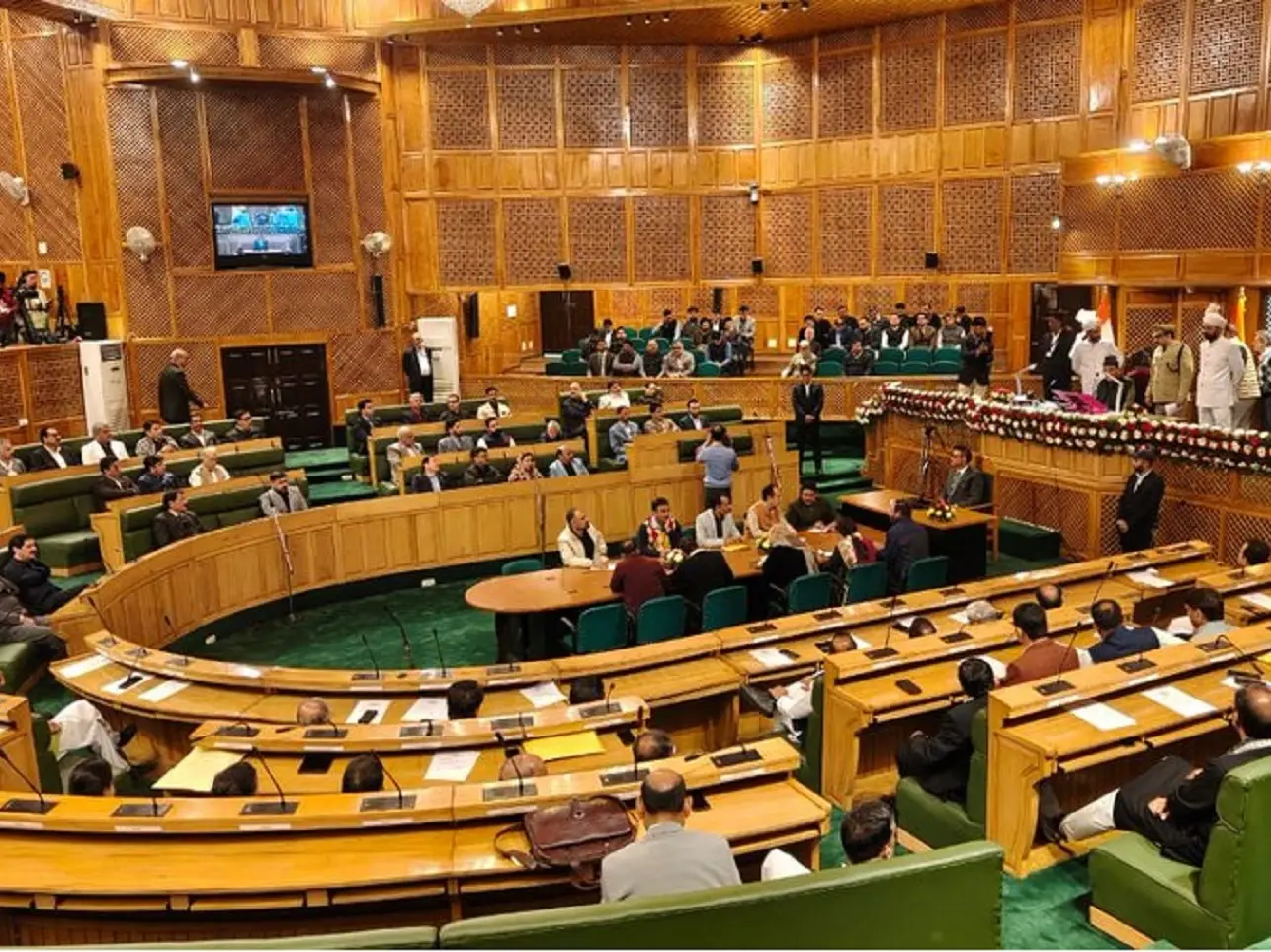)
Over 4,200 books withdrawn from circulation in J&K colleges, 94% from Kashmir
)
IIT Bombay professor Suryanarayana Doolla sent on leave amid Sahil Wakode death probe
)
Justice eludes Air India 1985 bombing victims as Canada probe goes 'inactive' | Gravitas
)
81st UN General Assembly: Burnham announces UK-US AI defence tie-up
)
WION Iconic Tourism Summit and Iconic Awards 2026: India's travel economy leaders gather in Delhi
&im=FitAndFill=(700,400))
New OTT releases this week (September 21-27, 2026): Shaque: Trust No One, Hunkkaar, Don’t Be Shy- 5 new titles coming to Netflix, Prime Video and more
)
Glitch in the matrix caught on camera: Woman vanishes after talking to reporter
&im=FitAndFill=(700,400))
National Film Awards 2026: Kartik Aaryan, Mammootty, Yami Gautam, Randeep Hooda and other key winners
)
American manufacturing is reshoring faster than its factory floors can absorb
)
ICC plans T20I expansion and fewer ODIs in 2027–2031 FTP cycle: Report
)
Raaka creates history! Allu Arjun’s film secures Guinness World Record ahead of release
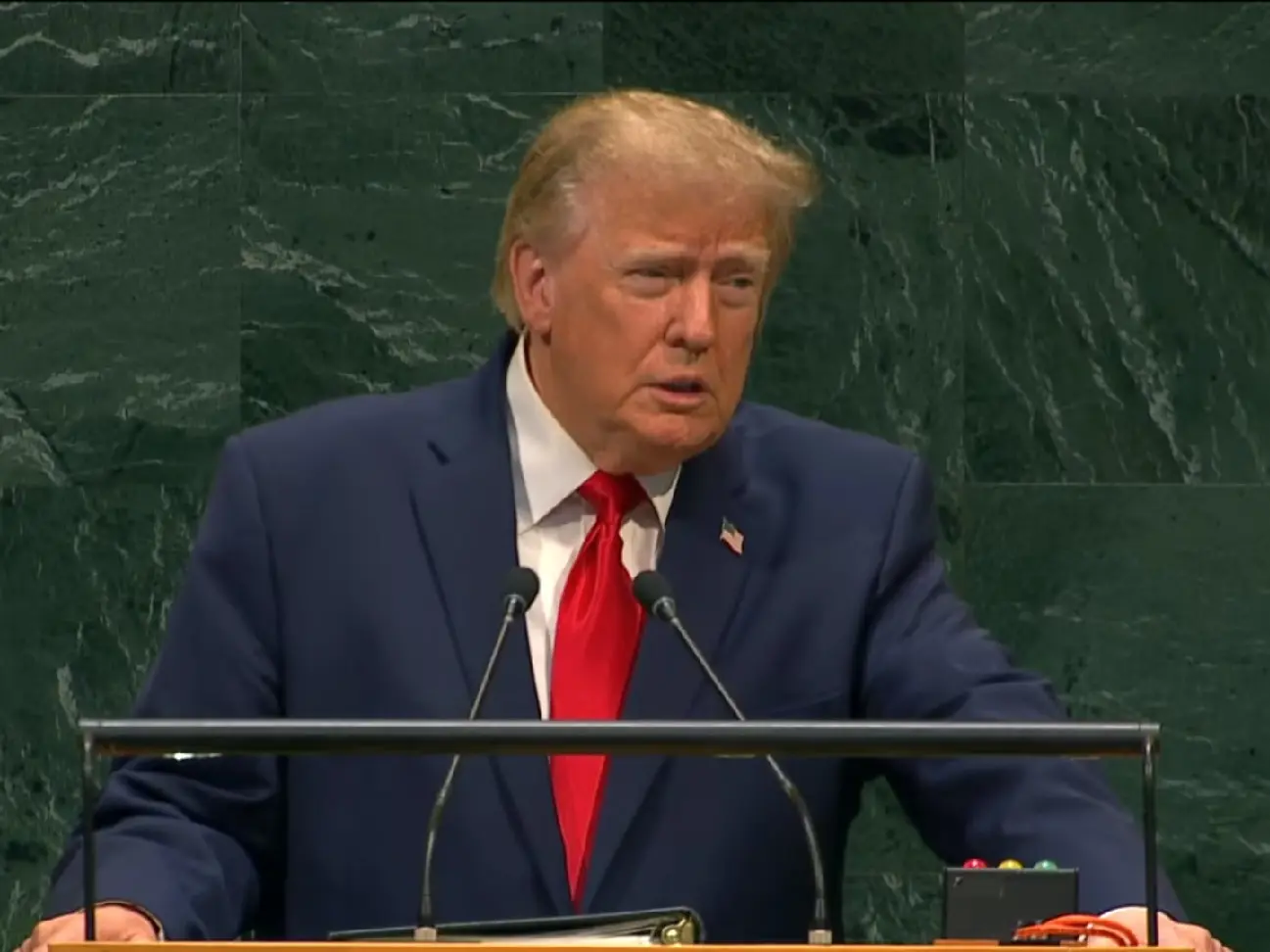)
‘Strike a deal or drive Iran into hell’: Trump issues fresh warning to Tehran at UNGA
)
WION Iconic Tourism Summit and Awards 2026: Key voices to discuss India’s tourism future
)
Who is Clavicular? The 20-year-old controversial 'Looksmaxxing' influencer charged with rape allegations
)
'Mumma’s boy from Gwalior who dared to dream': Kartik Aaryan pens long note after first National Award win
)
The Verdict | Moral policing isn’t culture or discipline, it’s crime
)
'What kind of confession is this?': Pakistan PM Shehbaz Sharif’s 'terrorists would be roaming New York' remark goes viral, raises alarm online. Watch
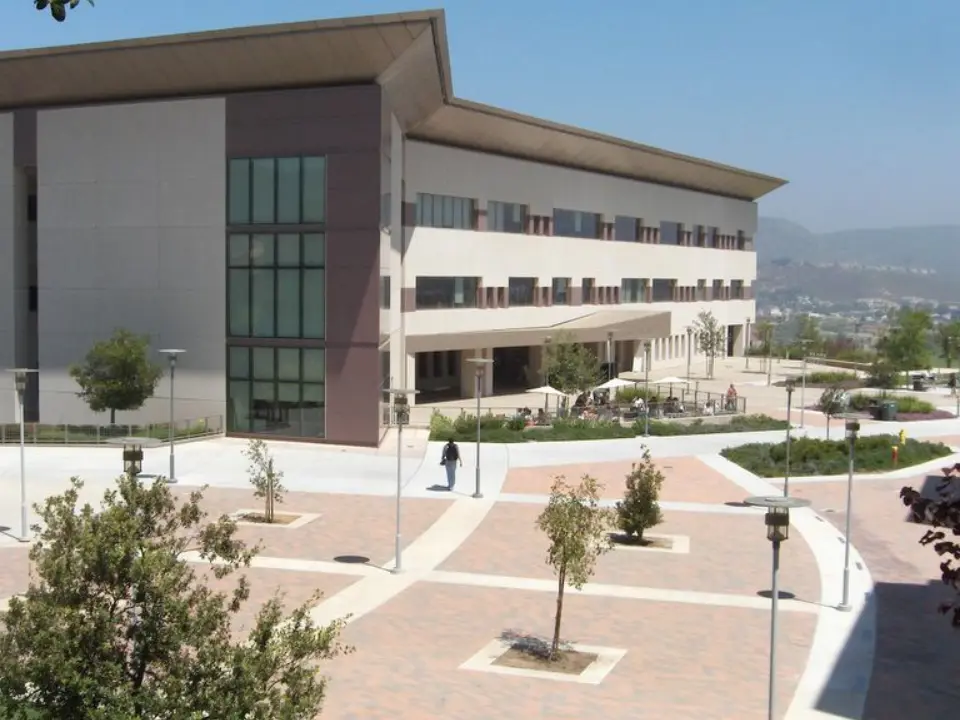)
Four female students raped during 'Red Zone' at California university. What we know
)
US and China vie for AI dominance as calls grow for regulation | Gravitas
)
Saudi Arabia exits China-led mBridge digital currency platform amid Saudi-Houthi conflict
)
Explainer: Why rare-earth export licences and Board of Trade are US priorities ahead of Trump-Xi summit
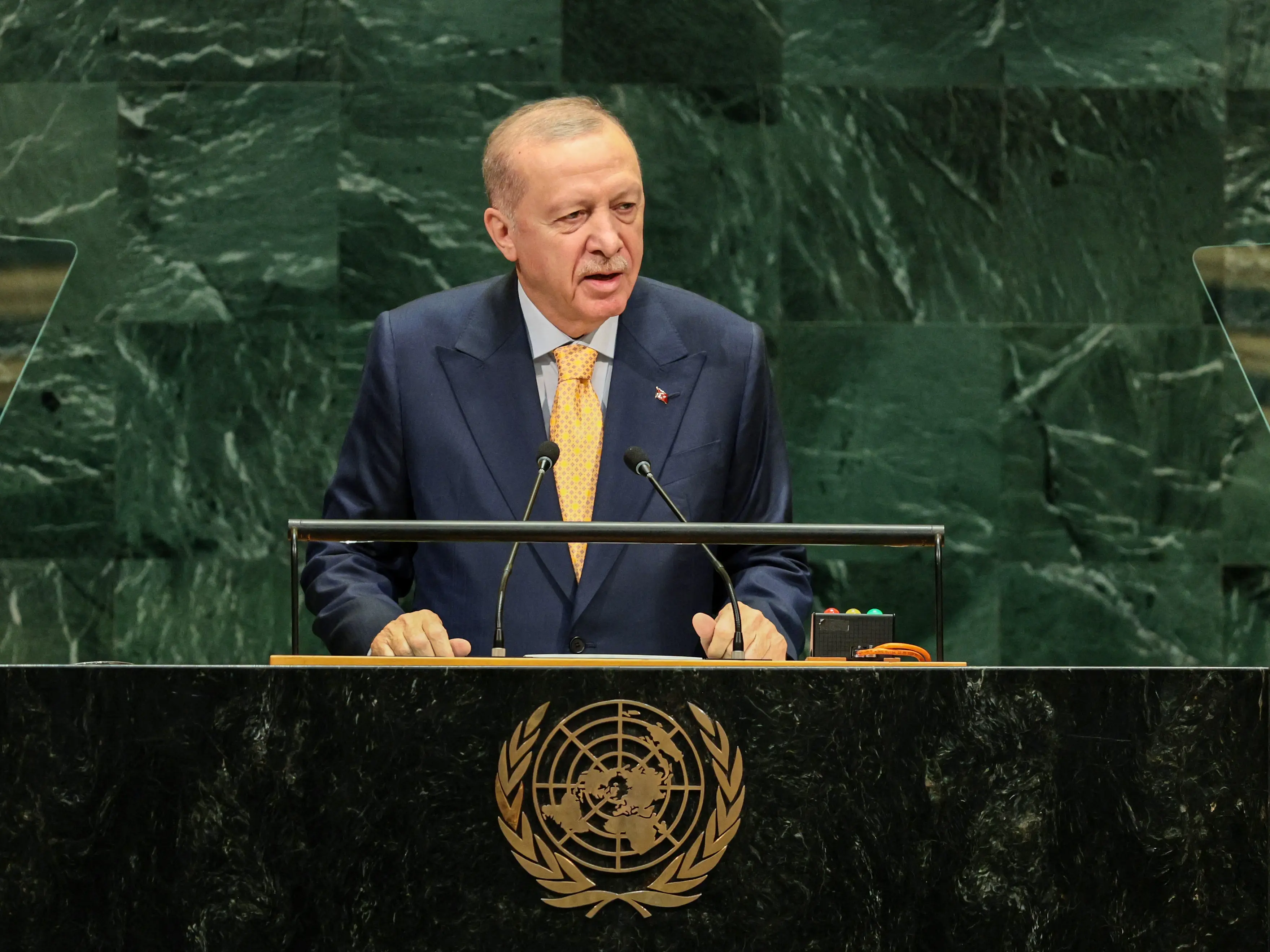)
Erdogan again raises Kashmir issue at UNGA, calls for dialogue under UN Charter
)
Bomb scare in New York amid UNGA: Suspicious suitcase found near UN headquarters
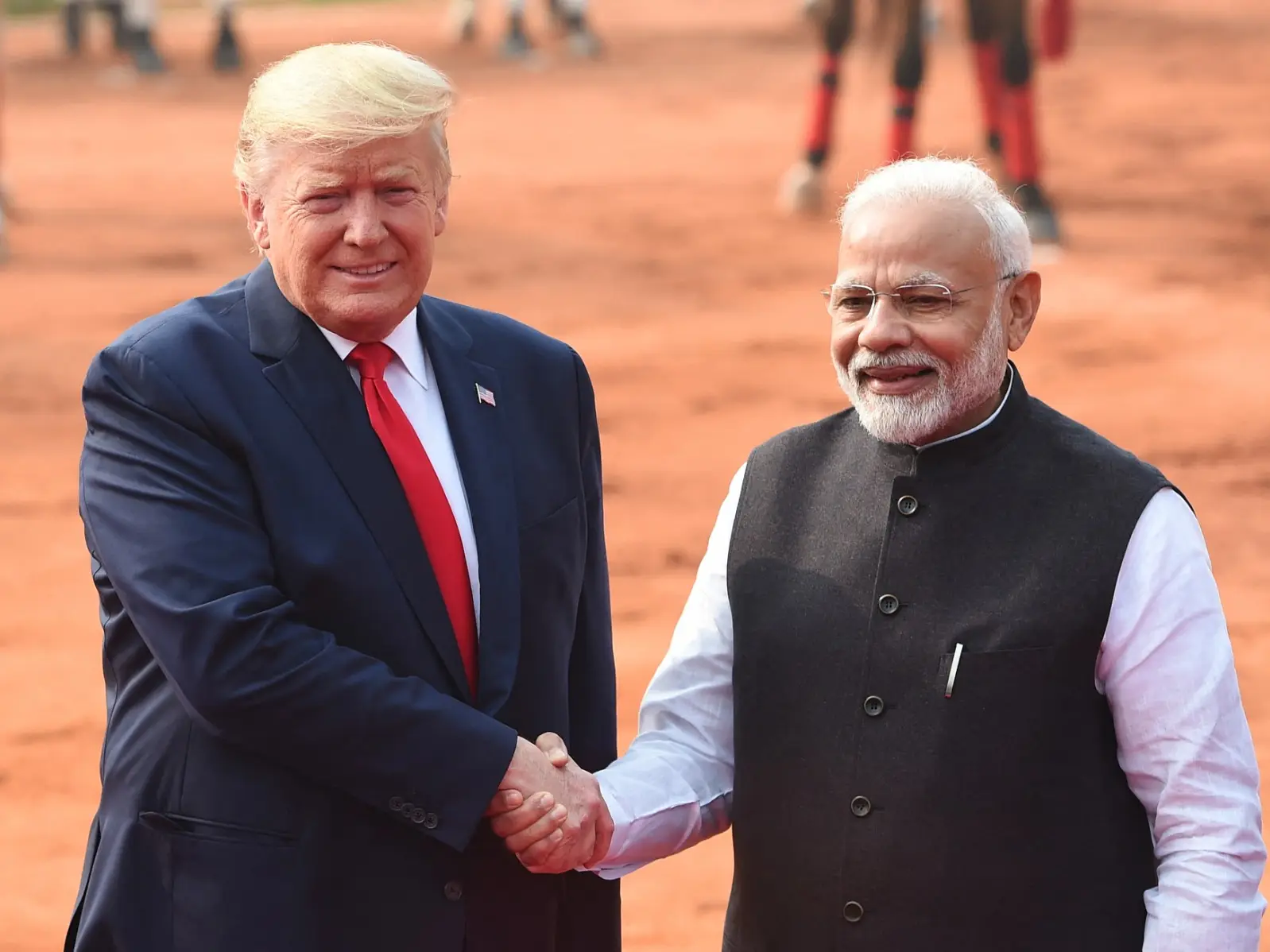)
Trump revives India-Middle East-Europe economic corridor as India emerges central to West Asia’s future: What is it?
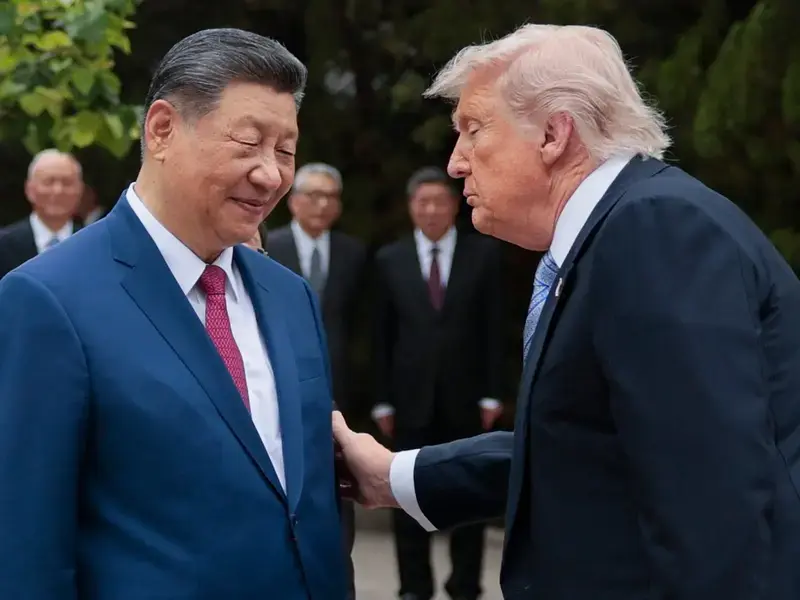)
Trump-Xi summit: From trade to Taiwan, what will the US and Chinese presidents discuss in Washington?
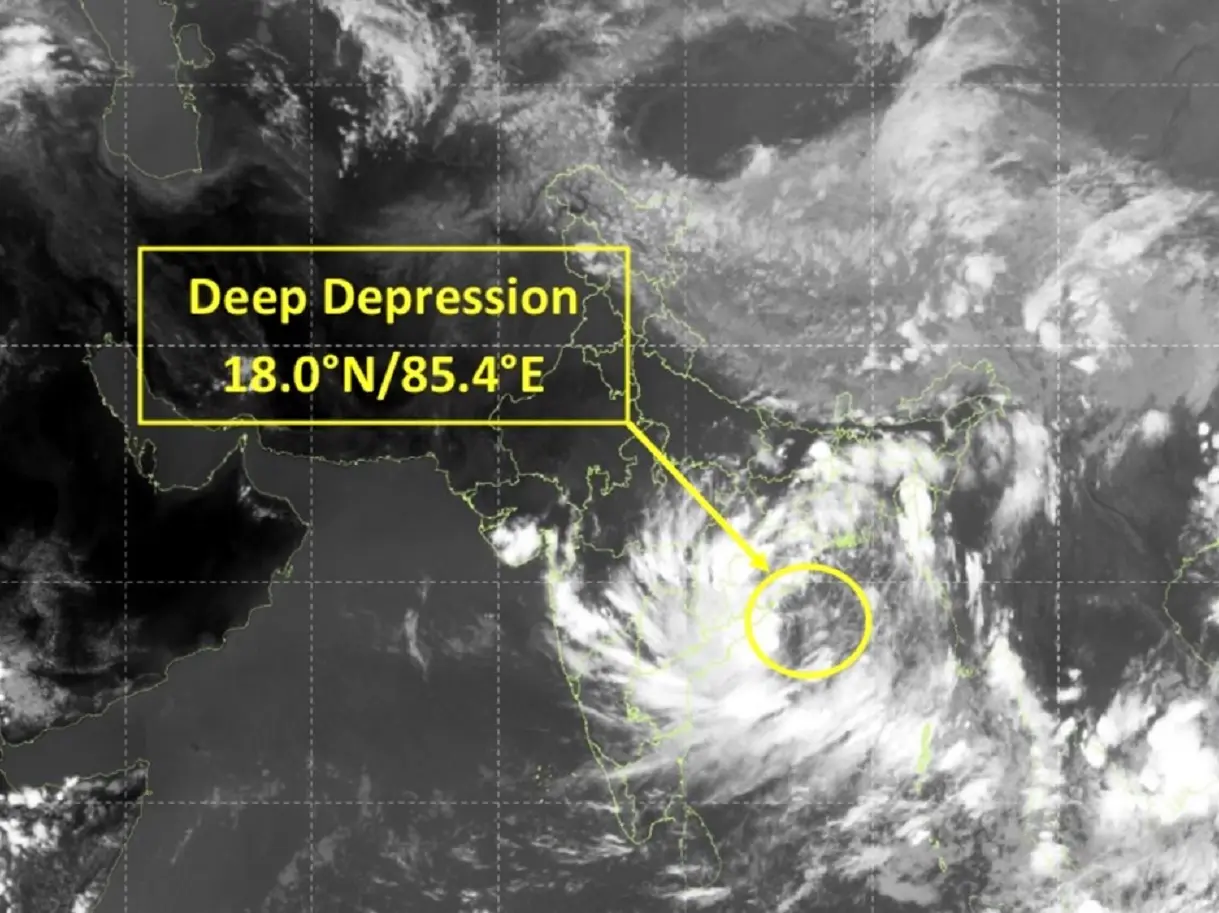)
Cyclone Arnab: Landfall expected before midnight tomorrow as IMD issues orange alerts across six states
)
IND vs JPN, one-off T20I: Japan captain Kendel on pushing India to the brink - ‘It was special’
)
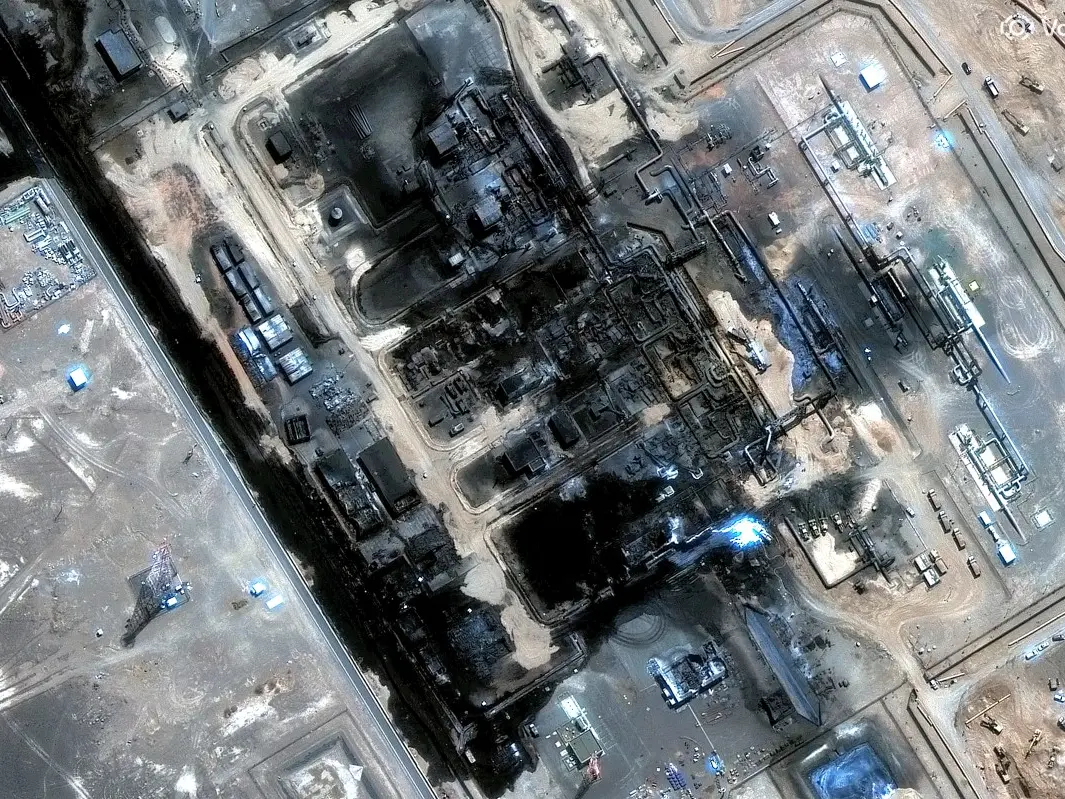
Four decades after leaving Kolkata, the Birlas may be coming back for more
)
Oil slips to $98 as Saudi Arabia restarts East-West oil pipeline
)
Yemen clashes kill 154 people in two days as cornered Saudi battles Houthi offensive | Gravitas
)
World leaders repeatedly call Gaza crisis ‘genocide’ as Israel’s war dominates opening sessions of UNGA
)
IND vs JPN T20I: How an overturned wide became point of difference between India's win and a tie
)
Major League Soccer referee sacked for sexist comment about female match referee
)
'This is normally what toddlers do': Why a psychiatrist is raising fresh questions about Trump’s recent behaviour
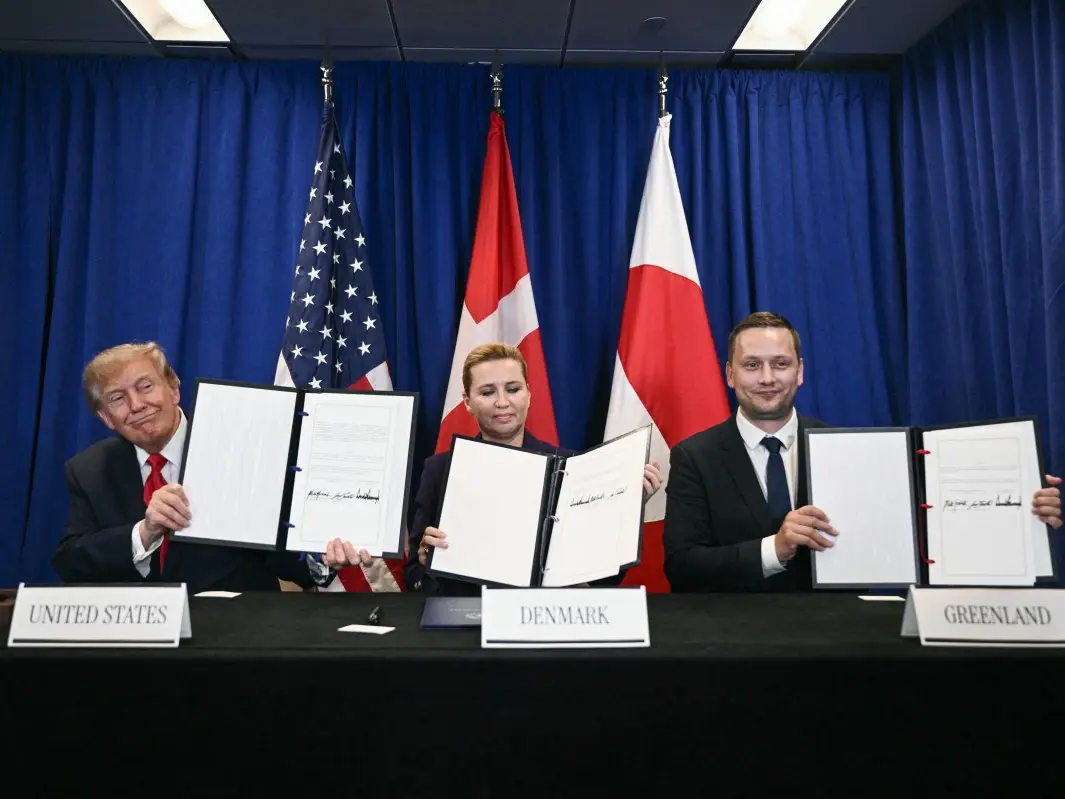)
Trump signs Greenland security deal with Denmark, paving way for two new US military bases
)
Trump calls on nations to quit ‘rogue’ and ‘out-of-control’ International Criminal Court, rips UN
)
Gravitas | Boosting NHS productivity could save 20,600 lives in UK annually: Report
"Inflation is still too high," Powell stated during a post-meeting press conference.
He expressed a lowered confidence in the previous forecast of inflation decline over the year, further highlighting the uncertainty surrounding the future trajectory of inflation.
Powell said that the decision regarding rate cuts depends on incoming data, with various scenarios under consideration based on inflation persistence and labour market strength.
Despite the prevailing economic uncertainties, Powell's declaration that rate hikes are improbable provided a sense of relief to investors wary of a potentially hawkish Federal Reserve stance.
Consequently, US stock and bond prices rebounded, indicating optimism surrounding a delayed timeline for rate cuts.
Analysts noted that Powell's remarks were less hawkish than anticipated.
The Fed's policy statement repeated its cautious approach, necessitating greater confidence in sustained inflation movement towards the 2 per cent target before considering rate reductions.
The central bank highlighted concerns over the lack of progress towards achieving this objective in recent months.
Additionally, the Federal Reserve announced adjustments to its balance sheet reduction strategy, aiming to prevent a shortage of reserves in the financial system, a situation experienced in 2019 during the previous round of quantitative tightening.
Responding to economic queries, Powell dismissed comparisons to the stagflation period of the late 1970s, asserting that the current economic landscape differs significantly.
He cited solid growth rates and inflation levels below 3 per cent, indicating a contrast to the conditions prevalent during the stagflation era.
Powell emphasised the absence of stagnant growth and hyperinflation.
(With inputs from Reuters)