Carbon Copies: Corporations racing to net zero, but few cross the finish line

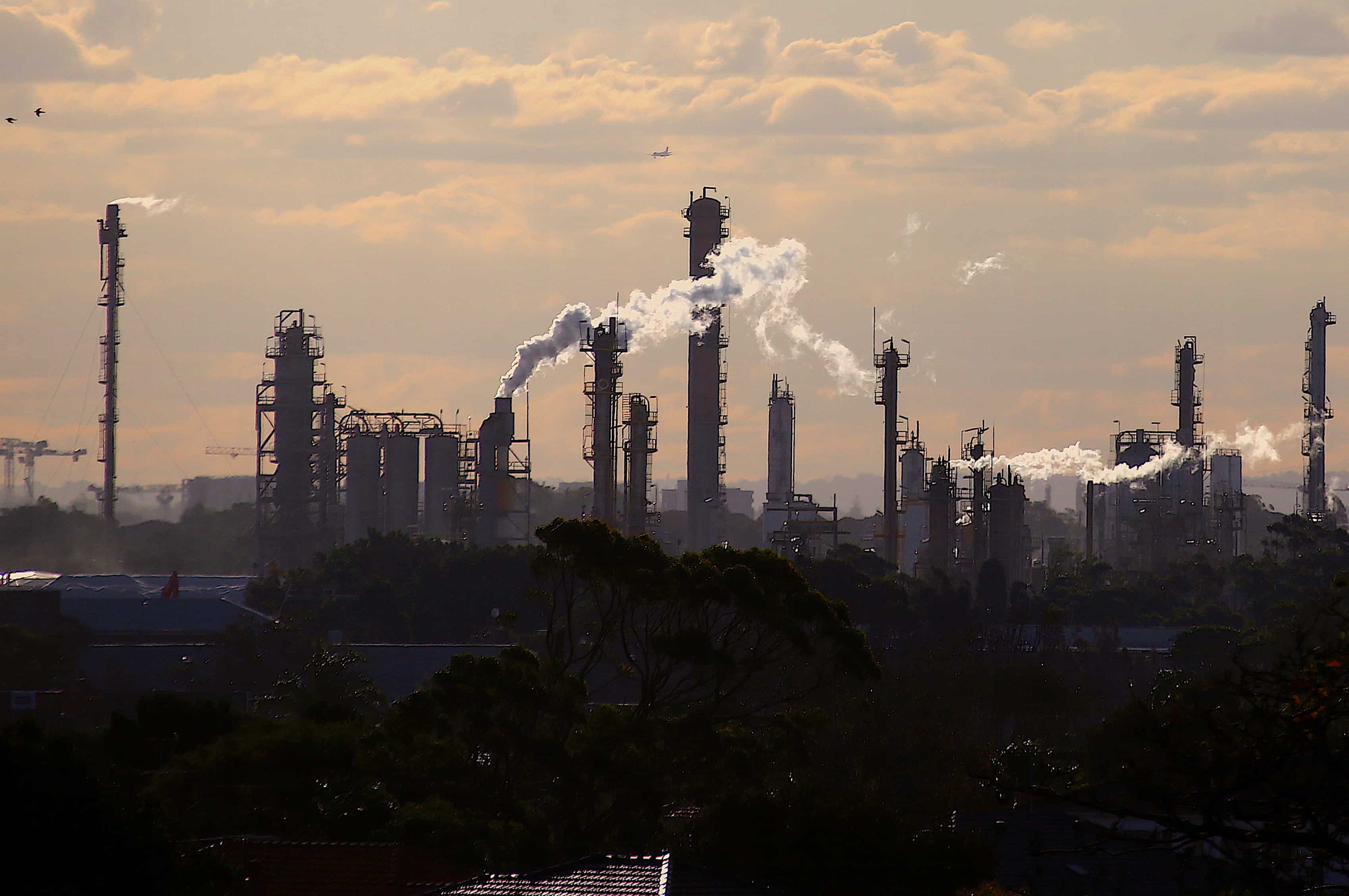
FILE PHOTO-Birds and a plane are seen flying above emission from the chimneys of a chemical plant
The world's transition toward a sustainable, net-zero emissions future is a complex and ambitious endeavor. To truly understand the challenges faced by large corporations and the broader implications, it's essential to grasp the concept of net zero emissions. Net zero is a state in which human-caused emissions are offset by human-caused carbon dioxide removals over a specified period. This means that the total amount of greenhouse gases released into the atmosphere is equaled by the amount removed.
Defining Net Zero
Net zero, in its essence, represents a critical balance between the emissions of greenhouse gases, particularly carbon dioxide, and the removal of these gases from the atmosphere. It is a pivotal step in mitigating the effects of climate change and limiting global warming. The term "emissions" can encompass all greenhouse gases, but in some contexts, it refers primarily to carbon dioxide emissions, which are a primary contributor to climate change.

Corporate commitments to Net Zero
The recent report by the Net Zero Tracker sheds light on the growing momentum among major global corporations to embrace net-zero emissions targets. This shift reflects a collective effort to reduce the carbon footprint associated with their operations. However, setting a net-zero target is just the first step in a broader journey towards environmental sustainability.
Meeting UN Quality Pledge criteria
)
Pentagon revives mandatory testosterone testing for male troops aged 30 and above
)
FACT CHECK: Why did PM Modi ask Xi ‘is it okay’ at BRICS Summit? New video reveals...
)
India seeks to build a full semiconductor supply chain
&im=FitAndFill=(700,400))
From Abhishek Sharma to Sahil Chauhan, 5 batters with fastest T20I hundreds
)
Pyongyang dismisses US, western pressure over nuclear programme
)
US And Denmark reach Greenland deal, Trump announces expanded military presence
)
Google’s Gemini AI hacks real systems by guessing passwords during security test
)
US hiding troop deaths in Iran war? Toll higher than Pentagon count, claims report
)
China may have gained access to US's classified F-35 jets; parts meant for repairs diverted to Hong Kong, sparking Pentagon inquiry
)
NASA research plane reaches 61,000 feet over Panama
)
Godfather of AI Geoffrey Hinton gives US lawmakers a one-year warning on AI
)
Trump signs Russia sanctions law: India faces fresh 100% tariff threat over Russian oil
)
Brigitte Bardot’s private collection set for Paris auction; key items and prices revealed
)
Why Ranveer Singh’s Dhurandhar missed India’s Oscar entry; FFI jury member reveals what happened
)
Zendaya and Tom Holland step out for a low-key date in Los Angeles
)
‘Will go to any extent’: Pakistan vows to defend Saudi Arabia amid Houthi attacks
)
The Verdict | When precision fails: US commits war crime in Minab school strike, UN finds
)
Trump signs Russia sanctions bill into law, targets Moscow’s energy sector
66 years of the Indus Waters Treaty: How India and Pakistan settled a bitter river dispute
&im=FitAndFill=(700,400))
New Friday OTT releases (September 18, 2026): Lust Stories 3, You+Me, Best of the Best- 8 new titles coming on Netflix, Prime Video and more
)
Pak: A series of counter terrorism operations in Khyber Pakhtunkhwa
)
Fast bowler Brydon Carse faces no charges over Derby nightclub incident
)
Flying cars in UAE: Ras Al Khaimah signs deal with Chinese company to test new transport
)
Africa is splitting, and a lot sooner than estimated, giving way to a new ocean
)
Trump bans CNN, MS NOW and Politico from White House over ‘FAKE NEWS’
)
Trump 2.0: Dark days ahead for America’s ‘imperial presidency’
)
Trump's Greenland dream comes true? POTUS announces 'Infinite Life' deal with Denmark, claims permanent US control
)
Tirupati Laddu ghee adulterated with chemicals, says ED, supplier arrested
)
Who is Khalilur Rahman? All you need to know about 81st UN General Assembly President
)
IIT Bombay student dies by suicide, was caught seeking AI help during exams
&im=FitAndFill=(700,400))
Meet top 5 bowlers in latest ICC T20I rankings
)
Indian Cinema bets big on mythology, brings ancient stories to modern audiences
)
Ukraine plans record $109 bn defence spending, nearly two thirds of budget amid Russia war
)
Russia holds first parliamentary elections since the beginning of the Ukraine war
&im=FitAndFill=(700,400))
Meet top 5 Indian batters with fastest T20I centuries
)
What sets apart a credible net-zero commitment are the criteria set forth by the United Nations' Race to Zero campaign. These criteria include covering all emissions, taking immediate action to reduce them, and providing regular updates on progress towards interim and long-term goals. Meeting these criteria ensures that a company's net-zero commitment is of high quality.
Challenges and Scope
In addition to the core concept of net zero, the report reveals specific challenges faced by corporations. Only a fraction of companies extend their net-zero targets to encompass Scope 3 emissions, which are linked to a company's value chain. Furthermore, a limited number of firms have set quality thresholds for the use of carbon offsets in their sustainability strategies.
The significance of these corporate sustainability efforts will take center stage at the upcoming COP28 climate talks in Dubai, where discussions will revolve around the pace of change and the commitments made by governments and corporations across the globe.
Expert Insights
Reuters quoted John Lang, Project Lead at the Net Zero Tracker, who emphasised that credible net-zero target setting is a critical indicator of a company's commitment to forward-thinking and future-proofing. It prompts a fundamental question: are the companies we engage with aligning with the right side of the net-zero sustainability line?
The Net Zero Tracker consortium extends its scope to monitor net-zero pledges made by nations, states, regions, and cities. This comprehensive approach combines machine and human data analysis to assess global progress towards sustainability.
Partners in progress
The Net Zero Tracker consortium includes renowned organizations such as Oxford Net Zero, The Energy & Climate Intelligence Unit (ECIU), Data-Driven EnviroLab (UNC), and the NewClimate Institute, working collaboratively to provide valuable insights into the evolving landscape of net-zero initiatives.
Bottomline
Understanding the concept of net zero is key to appreciating the commendable ambition of large corporations to reduce their emissions and the challenges they face in meeting stringent UN criteria. As the world moves towards a sustainable future, discussions at COP28 and ongoing efforts by governments, corporations, and civil society will undoubtedly shape the global transition to a more environmentally responsible and sustainable economy.
WATCH WION LIVE HERE