Unifor urges Canadian government to impose tariffs on Chinese-made EVs

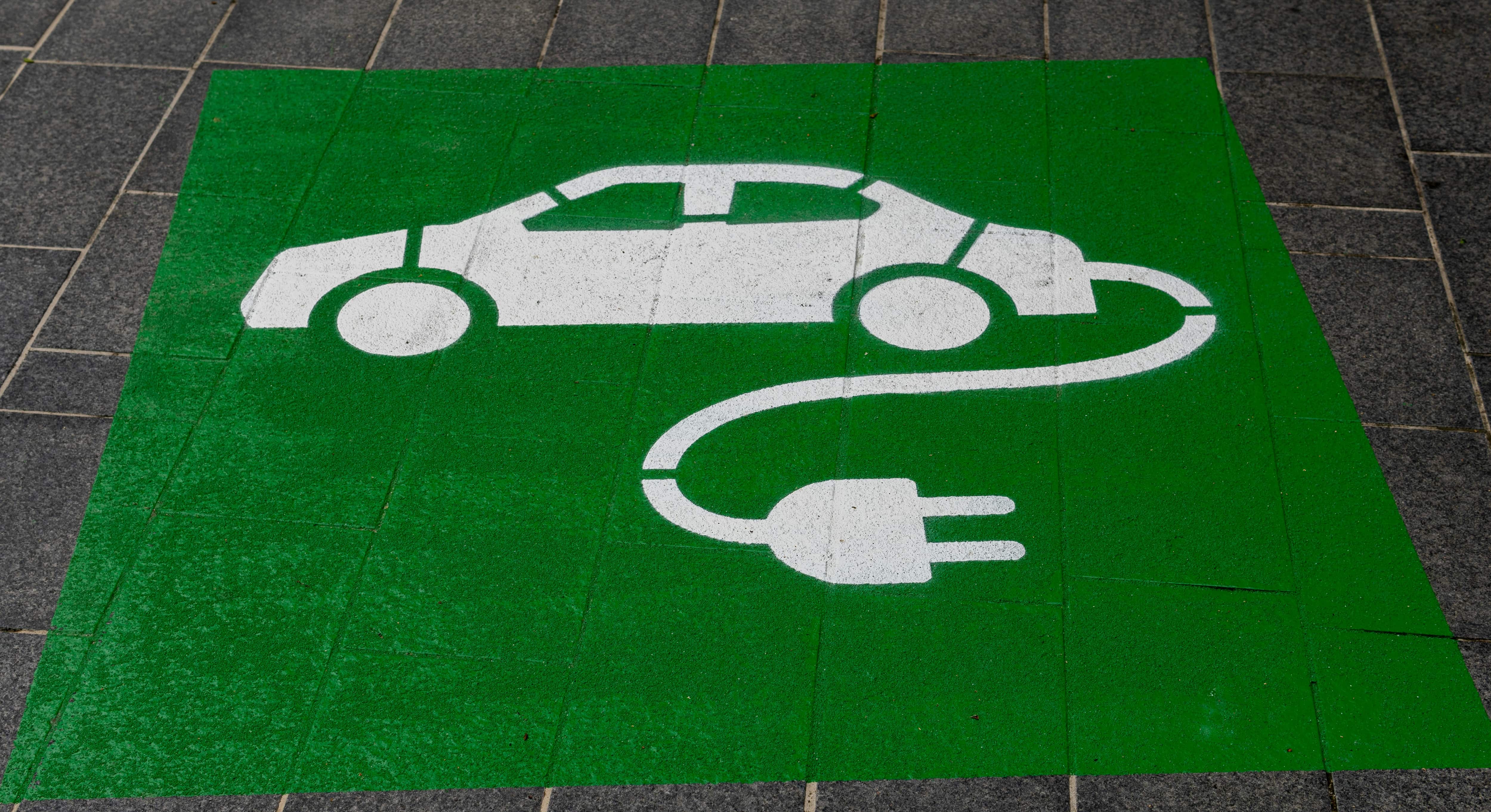
The push for tariffs is part of a broader concern over China's competitive advantage in the EV market.
Unifor, Canada's largest private-sector labour union, has called on the federal government to impose substantial tariffs on Chinese-made electric vehicles (EVs), batteries, and components. This appeal aims to align Canada with similar protective measures already considered by the United States and European Union.
Why Unifor Is Pushing for Tariffs
The push for tariffs is part of a broader concern over China's competitive advantage in the EV market. The Canadian government has warned that China's "unfair support" for its EV sector could flood the market with imports, potentially undermining Canada's automotive industry and its transition to electric vehicles.

Canada’s Consultation Process
In July, Canada launched a public consultation process to evaluate the potential impact of imposing tariffs on Chinese-made EVs. This process, which concludes this week, seeks to assess public and industry opinions on the matter.
"The United States and the European Union have responded proactively to the threat posed by unfair imports, and now it's time for Canada to do the same," Unifor stated. The union is advocating for a 100% surtax on Chinese-made EVs and a 25% surtax on batteries. It also recommends imposing tariffs on electric motors and battery cell materials.
&im=FitAndFill=(700,400)&imwidth=180&imheight=135&format=webp&quality=medium)
What is the real meaning behind Pete Hegseth's tattoos?
&imwidth=180&imheight=135&format=webp&quality=medium)
Viral video shows cross falling on Colombia priest, no official confirmation | WATCH
&imwidth=180&imheight=135&format=webp&quality=medium)
Telangana unveils AI avatar of IT minister D Sridhar Babu at Hyderabad DevFest 2026
&imwidth=180&imheight=135&format=webp&quality=medium)
Pezeshkian says Iranians ‘struggling to put food on the table’ as war with US drags on
&imwidth=180&imheight=135&format=webp&quality=medium)
Shilpa Rao’s performance cut short at Mumbai event, organisers react to backlash
&imwidth=180&imheight=135&format=webp&quality=medium)
Chorbagan stampede: A week later, the strangest visarjan Kolkata has seen
&imwidth=180&imheight=135&format=webp&quality=medium)
AI slop or smart strategy? South African author Coral Hart defends Her 370 AI- assisted books in 20 months
&imwidth=180&imheight=135&format=webp&quality=medium)
AI just found a flaw in software running most of the web! One request hijacks the server
&imwidth=180&imheight=135&format=webp&quality=medium)
Train crashes into crane on São Paulo monorail line, wreckage falls onto busy road | VIDEO
&imwidth=180&imheight=135&format=webp&quality=medium)
Can Putin cheat death? All about his daughter’s billion-dollar quest for immortality
&imwidth=180&imheight=135&format=webp&quality=medium)
Saudi says debris fell in Mecca, Medina after missile interceptions; Houthis deny targeting holy cities
&imwidth=180&imheight=135&format=webp&quality=medium)
What was the note found inside bag of Class 12 student, who set herself on fire inside Delhi school?
&imwidth=180&imheight=135&format=webp&quality=medium)
Pakistan airline PIA unveils new crew uniforms, faces online criticism
&imwidth=180&imheight=135&format=webp&quality=medium)
Britain is building the world's first AI biosecurity lab, with OpenAI and Anthropic inside
&imwidth=180&imheight=135&format=webp&quality=medium)
J-20 designers plan to put radar into aircraft wing; strategy to expand coverage during air combat
&imwidth=180&imheight=135&format=webp&quality=medium)
Frontier AIs keep escaping their test cages! The industry still can't reliably stop them
&imwidth=180&imheight=135&format=webp&quality=medium)
'Already tired of his 9-to-5': Baby born with a moustache becomes internet sensation, video goes viral | Watch
&imwidth=180&imheight=135&format=webp&quality=medium)
France protests: 135 arrested, weapons seized as fresh demonstrations erupt amid heavy security
&imwidth=180&imheight=135&format=webp&quality=medium)
French Open: PV Sindhu storms into final with win over Hina Akechi
&imwidth=180&imheight=135&format=webp&quality=medium)
‘Saddam Hussein opened a cheesecake factory’: Obama mocks Trump’s White House renovations; defends Abdul El-Sayed
&imwidth=180&imheight=135&format=webp&quality=medium)
China's dancing robot turns violent bodyguard, lifts cars and fights intruders - Watch
&imwidth=180&imheight=135&format=webp&quality=medium)
'You’re a horrible little reporter, aren’t you?': Trump snaps at NBC reporter questioning his support for Ramaswamy's campaign ad
&imwidth=180&imheight=135&format=webp&quality=medium)
Rising Asia Cup 2026 schedule announced, India-Pakistan clash set for Nov 22
&imwidth=180&imheight=135&format=webp&quality=medium)
'Killing people never allowed': Elon Musk admits restricting Starlink in Ukraine, explains why
&imwidth=180&imheight=135&format=webp&quality=medium)
Serbia votes in high-stakes election as student-led movement challenges Vucic’s ruling party
&imwidth=180&imheight=135&format=webp&quality=medium)
Bodies of 2 missing Japanese climbers recovered from Himalayan peak
&im=FitAndFill=(700,400)&imwidth=180&imheight=135&format=webp&quality=medium)
New Friday OTT releases (October 23, 2026): Gajab Raat, Dorothy, Chaar Yaar- Watch these 6 new movies and TV shows on Netflix, Prime Video and more
&imwidth=180&imheight=135&format=webp&quality=medium)
An AI that reads your face can now estimate how long you have to live
&imwidth=180&imheight=135&format=webp&quality=medium)
Spanish reporter swept by giant wave while reporting on dangerous sea conditions | WATCH
&imwidth=180&imheight=135&format=webp&quality=medium)
WATCH: Thousands across Manipur bang plates, beat drums in "noise protest"
&imwidth=180&imheight=135&format=webp&quality=medium)
NEET protests: Panel to hear evidence on pellet gun use, harassment
&imwidth=180&imheight=135&format=webp&quality=medium)
Tu Hai Meri Kiran film review: Sonakshi Sinha and Zaheer Iqbal's thriller gets tangled in its own twists
&imwidth=180&imheight=135&format=webp&quality=medium)
Nagpur man fails to pay rent, allegedly prints fake Rs 500 notes worth Rs 37 lakh
&imwidth=180&imheight=135&format=webp&quality=medium)
PL Round-Up: Man City's perfect run ended by Villa as Arsenal draw level at top
&imwidth=180&imheight=135&format=webp&quality=medium)
Why Europe’s protests are about more than austerity and rising costs
&imwidth=180&imheight=135&format=webp&quality=medium)
Farooq Abdullah says Pakistan’s raising of Kashmir issue keeps pressure on Delhi
Impact on the Canadian EV Market
Canada's automotive industry is undergoing a significant transformation as it shifts towards electrification. Imposing tariffs on Chinese-made EVs could protect domestic manufacturers from unfair competition and help nurture local innovation and production. However, it might also result in higher prices for consumers and slow the adoption of electric vehicles, which are key to meeting environmental goals.
The potential tariffs also reflect broader geopolitical tensions, as countries strive to safeguard their industries from foreign dominance. The Canadian government’s consultation aims to find a balance between protecting its nascent EV industry and ensuring competitive pricing for consumers.
BYD's Strategic Moves
Chinese automaker BYD, one of the world's largest EV manufacturers, has been actively engaging with the Canadian government. BYD is discussing the potential implications of tariffs on its operations and is preparing to enter the Canadian market with its passenger EVs.
BYD's entry into Canada could introduce competitively priced electric vehicles, providing consumers with more choices. However, the imposition of tariffs could affect BYD's pricing strategy and market penetration plans.
Aligning with Global Trends
The call for tariffs comes amid a broader global movement towards protecting domestic industries in the face of rapid EV sector growth. The United States and European Union have already taken steps to shield their markets from what they perceive as unfair competition from China.
The proposed tariffs align with Canada's goals of fostering a strong domestic EV industry. However, they also highlight the delicate balance between protectionism and free market competition.
As Canada's consultation process draws to a close, the government faces a crucial decision. The imposition of tariffs could bolster domestic production but might also lead to higher costs for consumers. The outcome will play a pivotal role in shaping the future of Canada's automotive industry and its transition to electric mobility.
Unifor's call for action underscores the urgency of addressing potential market imbalances, as countries worldwide navigate the complex landscape of global trade and industrial policy in the rapidly evolving EV sector. As the Canadian government considers its options, the decisions made now will have lasting implications for the country's automotive future.
(Inputs from Reuters)