Auto industry challenges new federal safety mandate on emergency braking systems

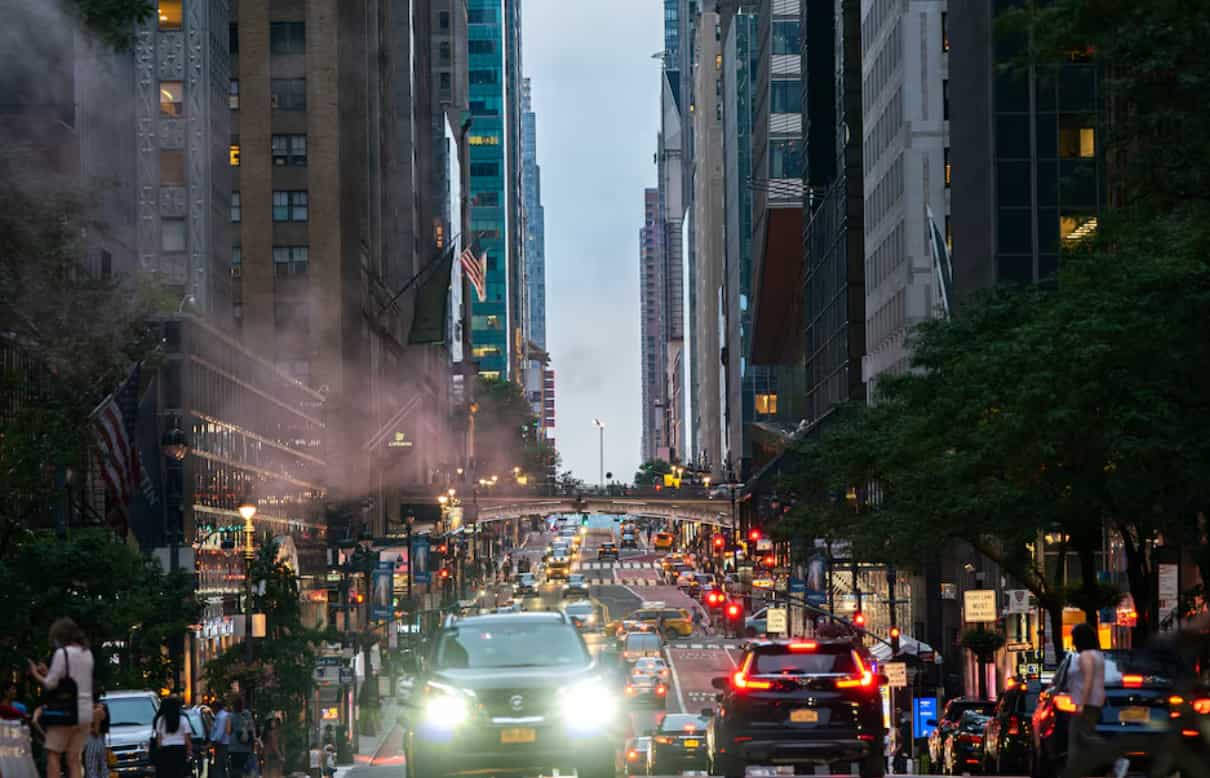
Auto industry challenges new federal safety mandate on emergency braking systems
The National Highway Traffic Safety Administration (NHTSA) issued a rule in April requiring most new vehicles to be equipped with advanced automatic emergency braking (AEB) systems by 2029. However, this directive has met with resistance from the Alliance for Automotive Innovation, a group representing prominent automakers including General Motors, Toyota Motor, and Volkswagen.
The crux of the automakers' argument lies in the stringent performance requirements set by the NHTSA. The new rule stipulates that vehicles must be capable of automatically stopping to avoid collisions with vehicles ahead at speeds up to 62 miles per hour. The Alliance contends that achieving this standard is "practically impossible with available technology."
John Bozzella, CEO of the automotive group, expressed concerns in a letter to Congress, stating that the NHTSA's action would necessitate "more costly systems that won't improve driver or pedestrian safety." He further criticised the agency for disregarding automakers' concerns, suggesting a "breakdown of a deliberative rulemaking process" at the federal level.

The automotive industry's petition for reconsideration highlights several key issues. They argue that the strict requirements at higher speeds could lead to unexpected braking far in advance of what typical drivers and other road users would anticipate, potentially causing rear-end collisions. Additionally, the Alliance claims that the NHTSA has significantly underestimated the extent and cost of hardware and software modifications required for compliance.
In contrast to the NHTSA's approach, automakers are advocating for the adoption of a European standard. This alternative method involves detecting potential forward collisions, providing driver warnings, and engaging the braking system automatically when necessary.
The NHTSA's rule, considered one of the most far-reaching U.S. auto safety regulations in recent years, aims to address concerns about the performance of existing AEB systems, particularly in low-light conditions. The agency projects that the new requirements will save at least 360 lives annually and prevent a minimum of 24,000 injuries, addressing the spike in traffic deaths observed following the COVID-19 pandemic.
)
Lady Gaga is a mom! Oscar-winning singer welcomes first child with fiance Michael Polansky
)
BRICS Summit 2026: Iran's Pezeshkian praises PM Modi at BRICS
)
Karthik Subbaraj’s Dorothy gets a standing ovation at TIFF world premiere
)
North Korea fires missiles after US, South Korea and Japan military drills but America says 'does not pose immediate threat'
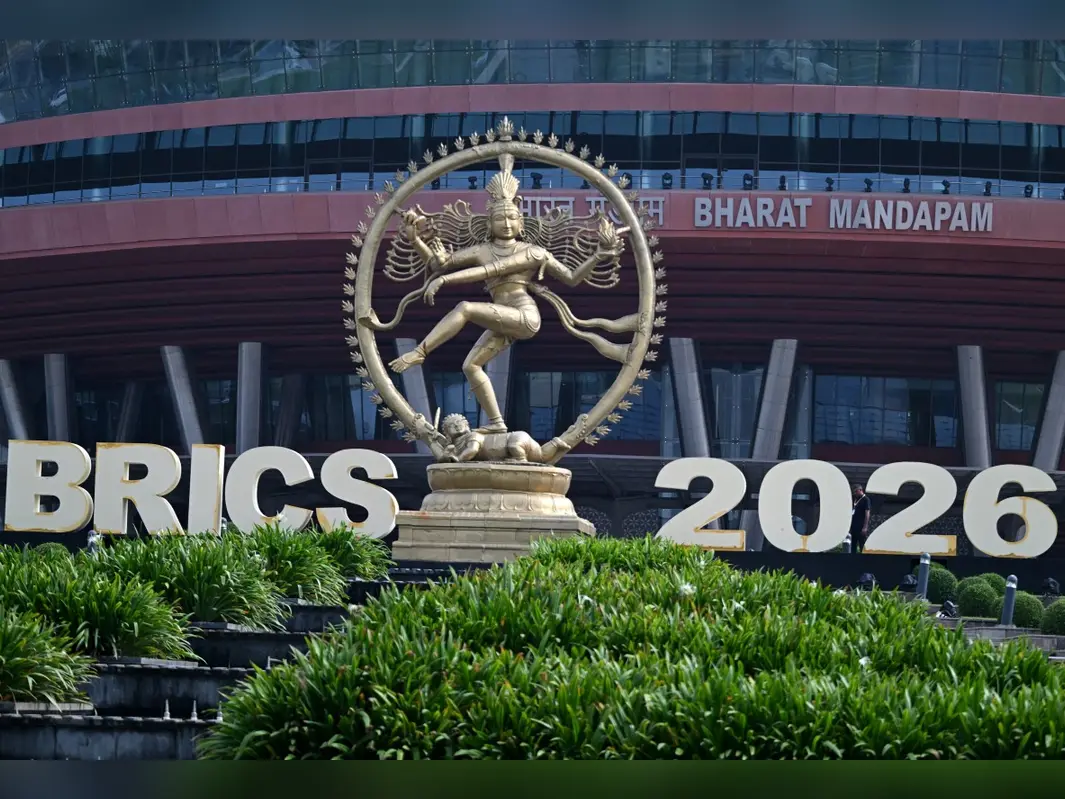)
Delhi's top luxury hotels turn into high-security fortress hubs for BRICS 2026 delegations
)
BRICS Summit 2026: 30+ countries seek BRICS membership
)
Frustrated man demolishes his kitchen after thousands flock to see Mother Mary his wife spotted on the wall
)
BRICS summit: India faces delicate Iran-UAE diplomatic test
)
From drones to KAAN fighters: Turkey outlines 229% surge in defence spending amid regional shifts
)
After praising Modi, Pezeshkian meets Indian religious leaders, Hurriyat's Mirwaiz Umar Farooq
)
Houthis vs Saudi Arabia: East-west oil pipeline shut after drone attacks from Iraq
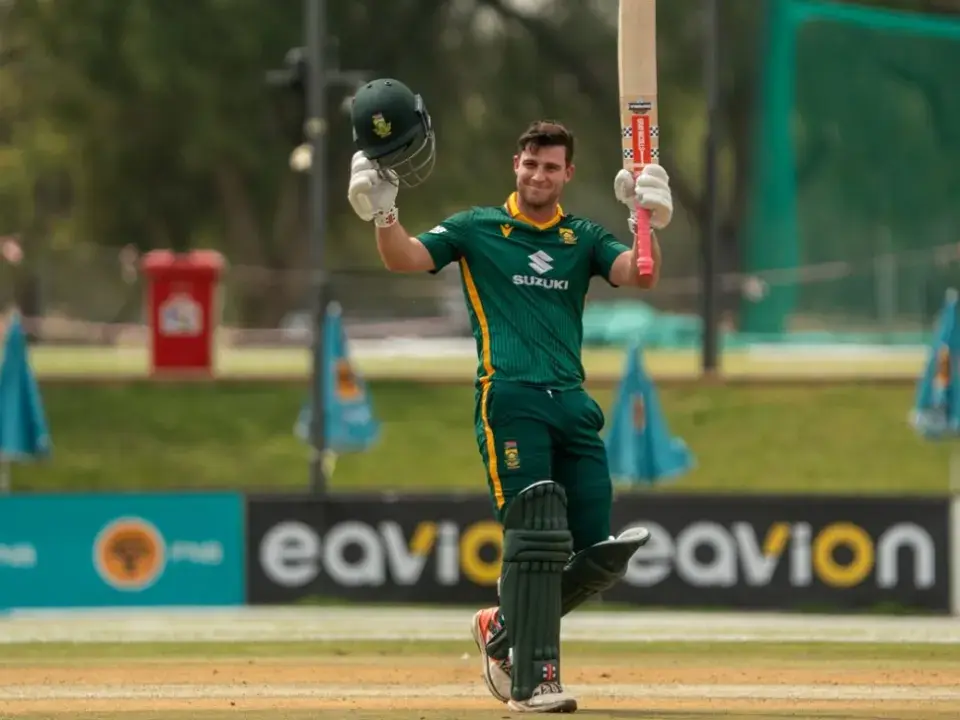)
South Africa batter Jordan Hermann hits highest individual score on ODI debut
)
800 million years old - Scientists discover 'fingerprints' of supercontinent Gondwana in ancient rocks
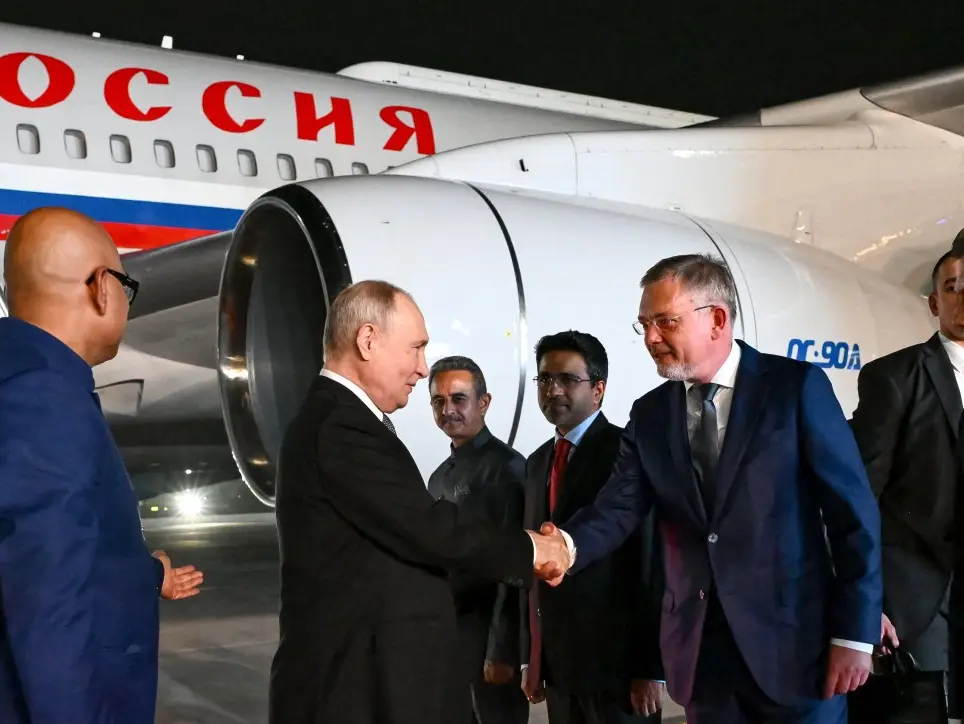)
Vladimir Putin in New Delhi for BRICS Summit: Russia-India defence, energy and nuclear ties in focus ahead of meeting with PM Modi
)
Osama Bin Laden's son ALIVE? Al-Qaeda releases video 7 years after US declared him dead
)
BRICS Summit 2026: South Africa says it will use the summit to advance its economic priorities
)
Gravitas | Iran hammers US air power in West Asia after Navy badly hit
)
Israel spent nearly $470,000 on PM's hair, makeup since 2019, data shows
)
Did you know THIS actor narrowly escaped the 9/11 terror attacks due to a last-minute change of travel plans?
)
BRICS Summit 2026: Rivals in West Asia, partners in BRICS, UAE, Iran, and Saudi delegations in Delhi
)
BRICS Summit 2026: PM Modi meets Malaysia, Ethiopia leaders; defence ties, trade in focus
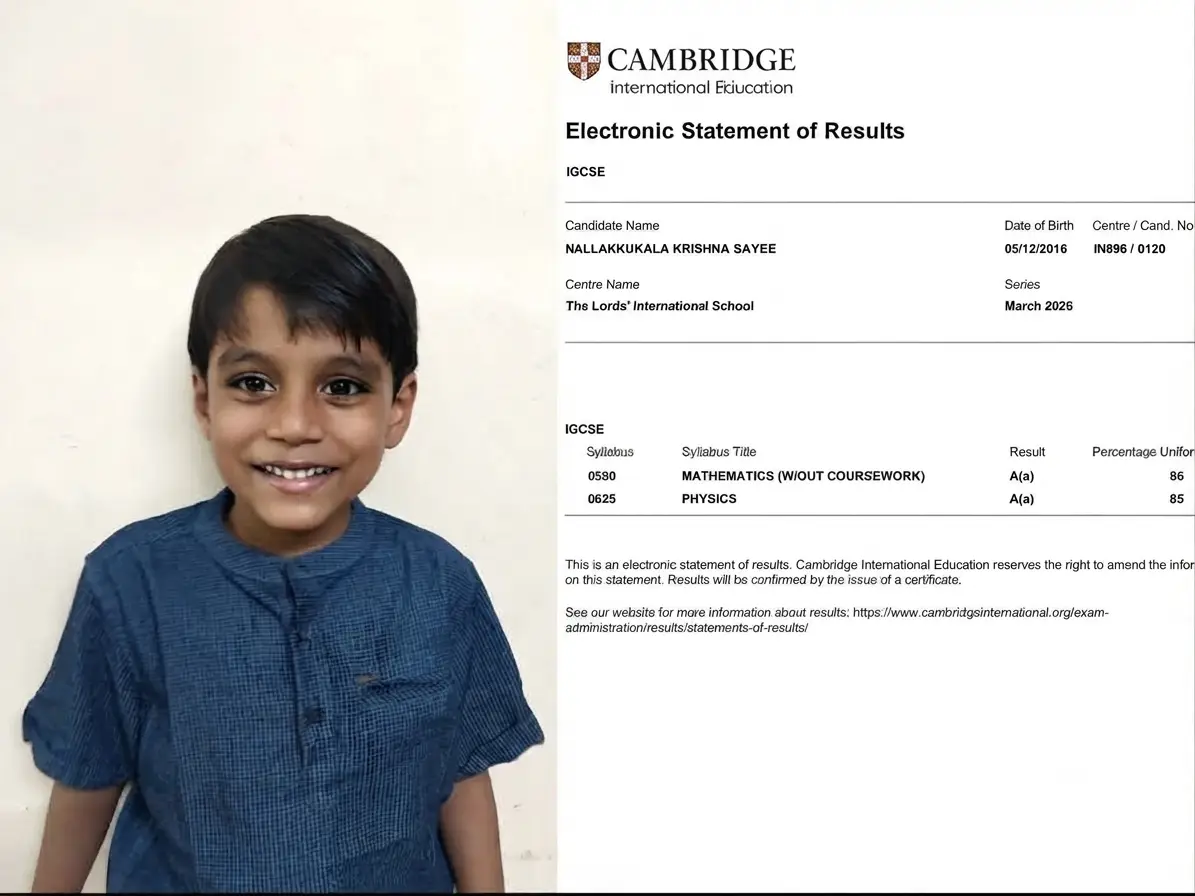)
9-year-old Chennai prodigy clears Cambridge IGCSE grade 10 exams
)
BRICS Summit: China resumes Guangzhou-New Delhi flight, issues 'good-neighbourliness' remark ahead of Xi-Modi meet
)
Satya Niketan horror: Who is responsible?
)
BRICS Summit 2026: Top world leaders in New Delhi; West Asia war casts shadow on BRICS Summit
&im=FitAndFill=(700,400))
New Friday OTT releases (September 11, 2026): The Revolutionaries, Vishwanath & Sons, Ghamasaan- 6 new titles coming on Netflix, Prime Video and more
)
Years before 9/11, CIA warned Clinton, Bush of 'explosive-packed airplane attack': What newly released files reveal
)
In first of its kind, Trump admin deports Afghan woman via Alien Terrorist Court
)
Baba Vanga's first prophecy for 2027 is out, and straight out of science fiction
)
Saudi Arabia shuts East-West oil pipeline, key Hormuz bypass, after attacks
)
IND vs AFG, 1st T20I: When and where to watch live streaming in India?
)
WION Expertspeak: Understanding India's BRICS presidency amid wars, trade tensions and global turmoil
)
Satellite images show construction surge at Iran’s Pickaxe nuclear site amid US war
Specific requirements of the rule include automatic brake application up to 90 mph when a collision with a lead vehicle is imminent, and up to 45 mph when a pedestrian is detected. While the NHTSA initially proposed a three-year compliance period in March 2023, automakers have now been granted a five-year window to meet these standards.
It's worth noting that in 2016, 20 automakers voluntarily agreed to make AEB standard on nearly all U.S. vehicles by 2022. By December of that year, all 20 had equipped at least 95% of their vehicles with AEB systems. However, critics argue that without government regulations, there's no way to ensure the effectiveness of these systems.

