Zelensky proposes energy ceasefire with Russia as West Asia conflict fuels oil surge

&imwidth=600&imheight=450&format=webp&quality=medium "Zelensky proposes energy ceasefire with Russia as West Asia conflict fuels oil surge")
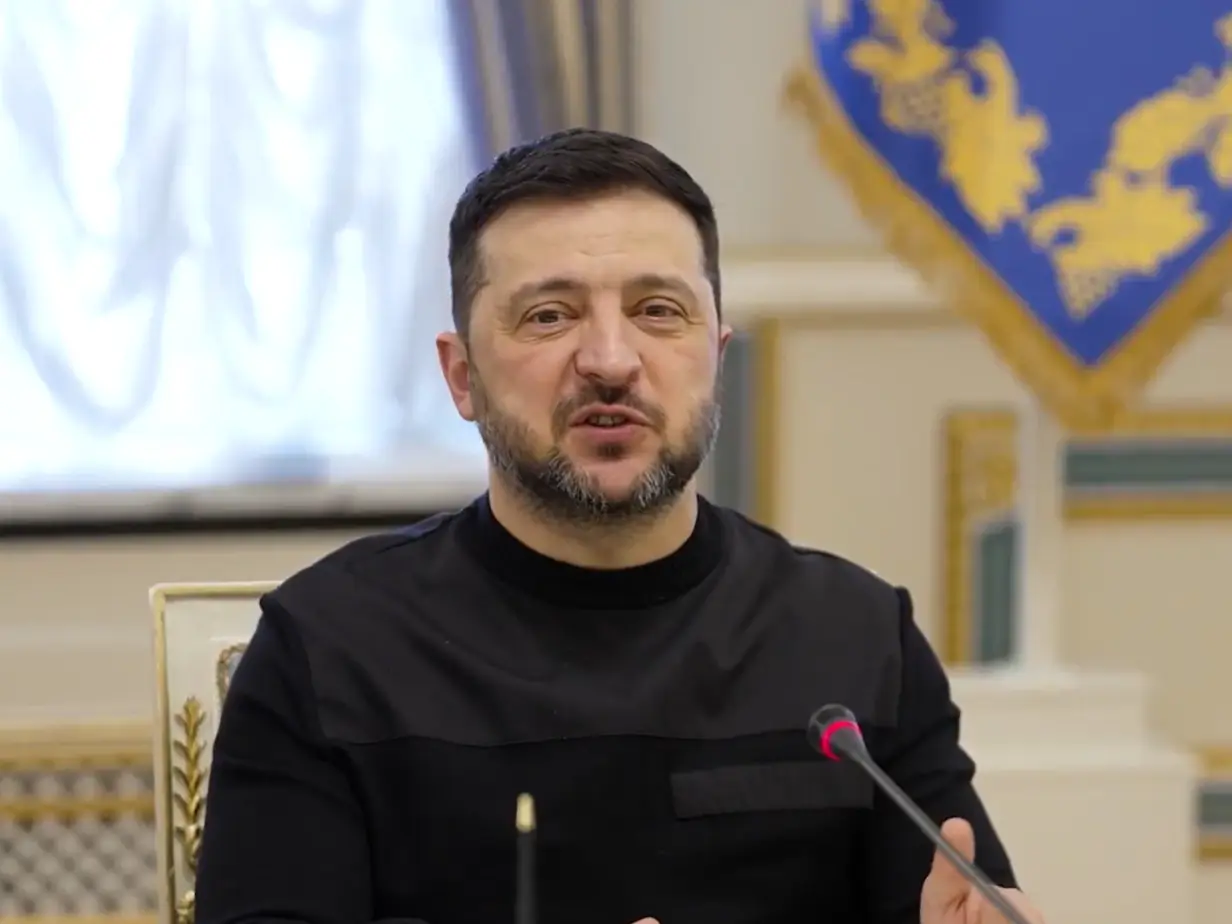
Ukrainian President Volodymyr Zelensky Photograph: (X/@ZelenskyyUa)
The proposal from Kyiv came as the war in West Asia completed one month with no end in sight, driving a surge in energy prices, with Brent crude hitting $115 on Monday.
Ukrainian President Volodymyr Zelensky on Monday (March 30) proposed an agreement to mutually pause strikes on energy facilities in Ukraine and Russia to mitigate the global energy crisis triggered by the war in West Asia.
"If Russia is ready to stop hitting Ukrainian energy facilities, we will not respond against their energy sector," Zelensky told journalists.
The proposal from Kyiv came as the war in West Asia crossed one month with no end in sight, triggering a spike in energy prices, with Brent crude reaching $115 on Monday.
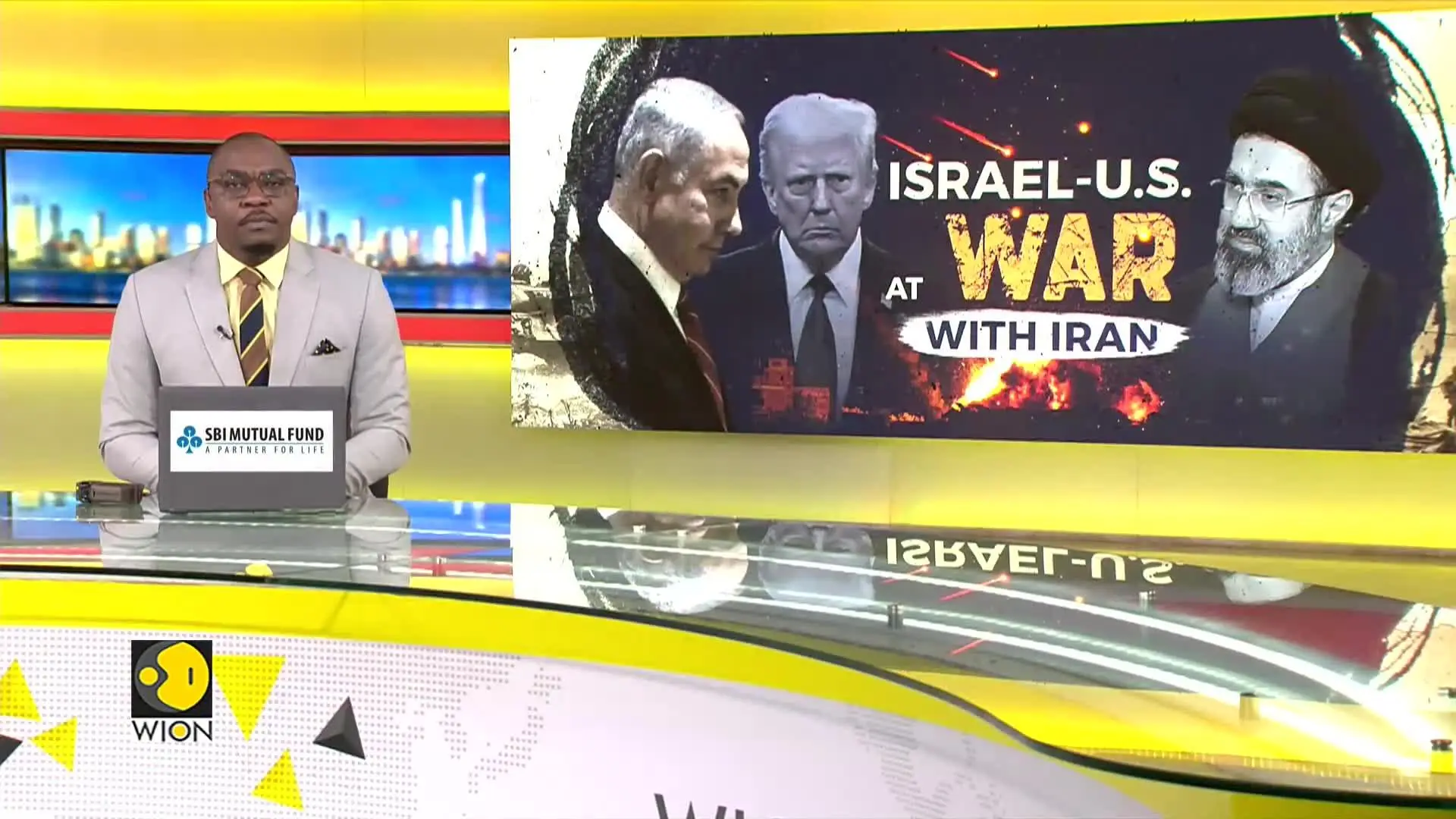
The war, triggered by a US-Israeli bombing campaign against Iran on February 28, has spiralled into a regional conflict, as Tehran targeted US bases, energy sites, and key infrastructure across the Gulf region in retaliation.
Despite decapitation strikes against the Islamic Republic's top leadership, killing key figures including Ayatollah Ali Khamenei, Iran remains defiant and announced a halt to shipping through the Strait of Hormuz, a vital waterway through which nearly 20 per cent of global oil transits.
Trending Stories
&imwidth=280&imheight=210&format=webp&quality=medium)
&imwidth=280&imheight=210&format=webp&quality=medium)
&imwidth=280&imheight=210&format=webp&quality=medium)
&imwidth=280&imheight=210&format=webp&quality=medium)
&imwidth=280&imheight=210&format=webp&quality=medium)
&imwidth=280&imheight=210&format=webp&quality=medium)
&imwidth=280&imheight=210&format=webp&quality=medium)
&imwidth=280&imheight=210&format=webp&quality=medium)
&imwidth=280&imheight=210&format=webp&quality=medium)
&imwidth=280&imheight=210&format=webp&quality=medium)
&imwidth=280&imheight=210&format=webp&quality=medium)
&imwidth=280&imheight=210&format=webp&quality=medium)
&imwidth=280&imheight=210&format=webp&quality=medium)
&imwidth=280&imheight=210&format=webp&quality=medium)
&imwidth=280&imheight=210&format=webp&quality=medium)
&imwidth=280&imheight=210&format=webp&quality=medium)
&imwidth=280&imheight=210&format=webp&quality=medium)
&imwidth=280&imheight=210&format=webp&quality=medium)
&imwidth=280&imheight=210&format=webp&quality=medium)
&imwidth=280&imheight=210&format=webp&quality=medium)
&imwidth=280&imheight=210&format=webp&quality=medium)
&imwidth=280&imheight=210&format=webp&quality=medium)
&imwidth=280&imheight=210&format=webp&quality=medium)
&imwidth=280&imheight=210&format=webp&quality=medium)
&imwidth=280&imheight=210&format=webp&quality=medium)
&im=FitAndFill=(700,400)&imwidth=280&imheight=210&format=webp&quality=medium)
&im=FitAndFill=(700,400)&imwidth=280&imheight=210&format=webp&quality=medium)
&imwidth=280&imheight=210&format=webp&quality=medium)
&imwidth=280&imheight=210&format=webp&quality=medium)
&imwidth=280&imheight=210&format=webp&quality=medium)
&imwidth=280&imheight=210&format=webp&quality=medium)
&imwidth=280&imheight=210&format=webp&quality=medium)
&imwidth=280&imheight=210&format=webp&quality=medium)
&imwidth=280&imheight=210&format=webp&quality=medium)
&imwidth=280&imheight=210&format=webp&quality=medium)
However, President Trump on Monday claimed that the US is in serious discussions with the new Iranian regime to end military operations in the Islamic Republic. He also reiterated his warning to hit "electric generating plants, oil wells and Kharg Island" if the Strait of Hormuz does not "open for business".
Zelensky, since the start of the war, fearing a loss of US support, has repositioned Ukraine as a provider of key defence support to Gulf nations, including the UAE, Qatar and Saudi Arabia, using the expertise it gained during its war with Russia to boost their defence against Tehran's missile and drone attacks.
Ukraine has deployed 228 counter-drone specialists to the region (including Jordan and Kuwait). Kyiv is offering its low-cost interceptor drones—which cost roughly USD 2,000 per interception—in exchange for high-end Patriot PAC-3 missiles that Gulf nations possess.
Meanwhile, the White House lifted sanctions on Russian oil, terming it a temporary 30-day waiver to stabilise global energy markets and curb soaring fuel prices caused by the ongoing war.
(Disclaimer: WION takes utmost care to accurately and responsibly report ongoing conflicts in West Asia involving Israel, Iran, the US, Gulf nations and non-state actors like Hezbollah, Hamas, Houthis, Islamic State, and others. Claims and counterclaims, disinformation and misinformation are being made online and offline. Given this context, WION cannot independently verify the authenticity of all statements, social media posts, photos and videos.)