Without tariffs US 'would be bankrupt': Trump ahead of Supreme Court ruling

&imwidth=600&imheight=450&format=webp&quality=medium "Without tariffs US 'would be bankrupt': Trump ahead of Supreme Court ruling")
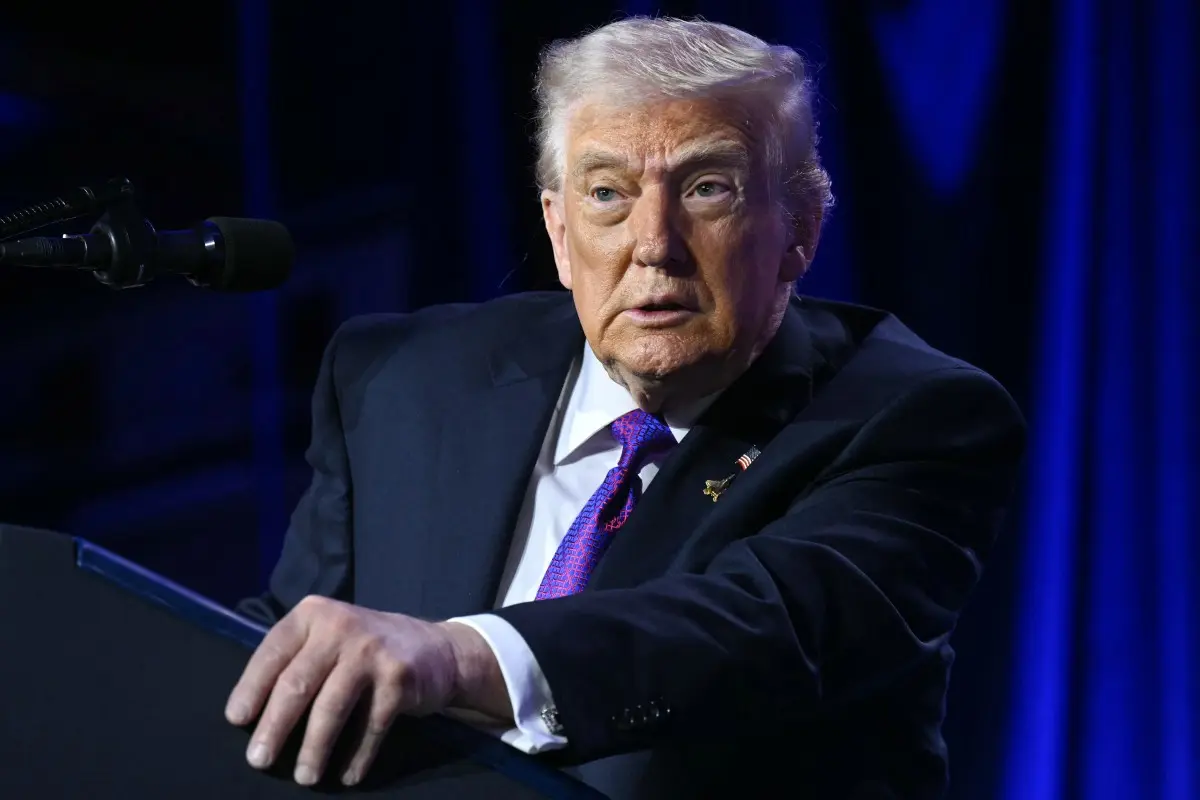
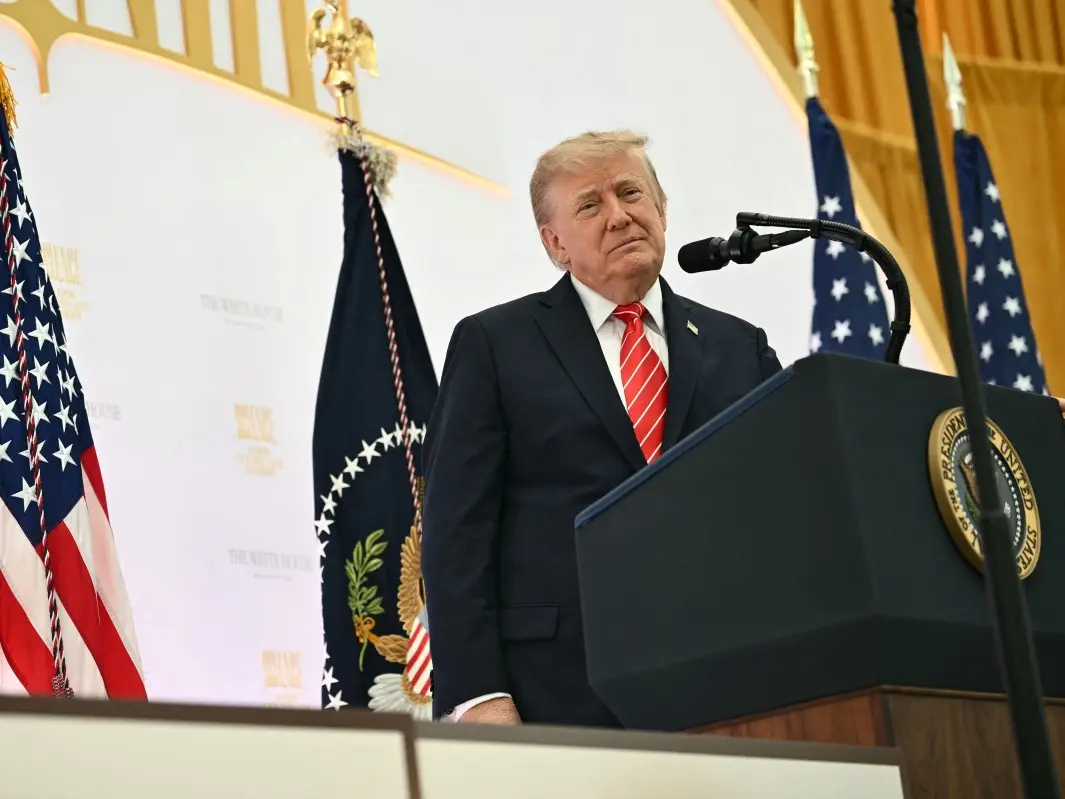
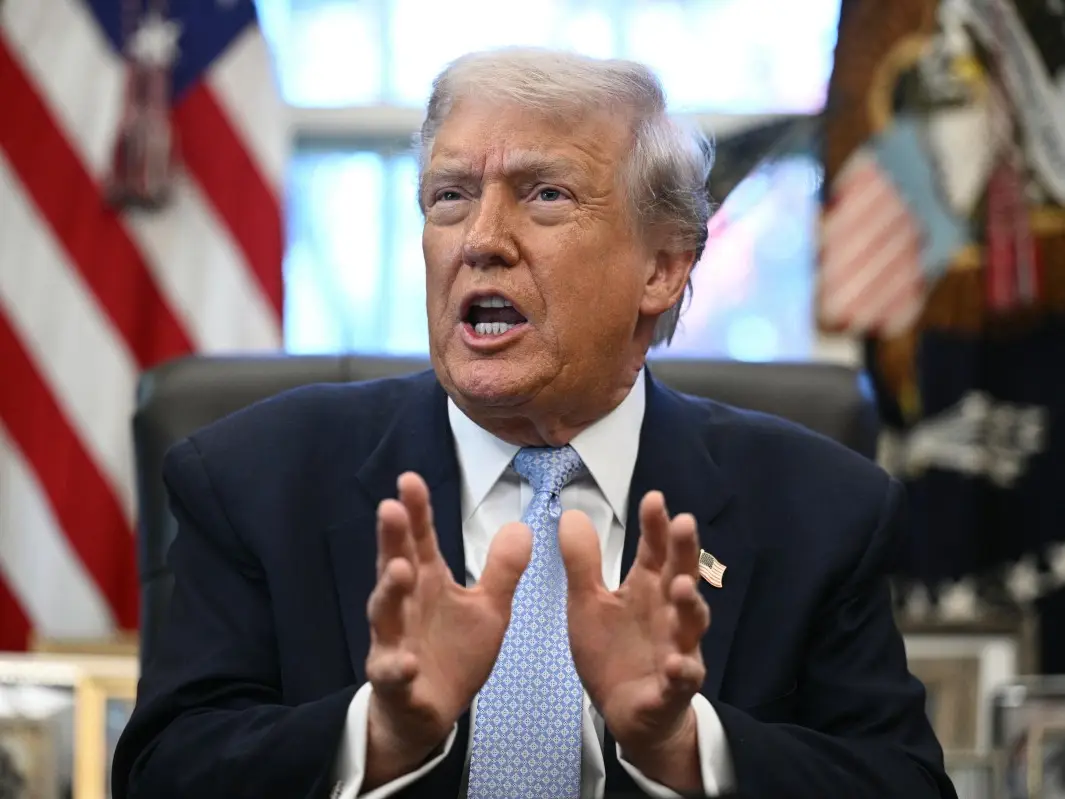
Without tariffs US 'would be bankrupt' says Trump ahead of Supreme Court's judgement Photograph: (Credit: AFP)
On the eve of a landmark Supreme Court ruling, President Trump warned that the US "would be bankrupt" without tariff revenue. Now that the court has struck them down, what’s next?
Ahead of the Supreme Court's landmark 6-3 ruling on Friday (Feb 20), Donald Trump told reporters that without tariffs, “the whole country would be bankrupt." The US president and his economic team had voiced their opinion, stating that the apex court should leave the trade policy in place. Also, highlighting the vital role of tariffs in his foreign policy and its importance in revenue generation.
Initially, US-prosposed 50% tariff had been levied on India, which came into effect at 9.30 AM on August 27. Left, right and centre, the Trump administration was out there slapping tariffs on countries exporting goods into America. India's oil trade with Russia had not gone down well with the US president. He had warned that an additional 25% tariff would be imposed. Essentially, the 50% would impact $48.2 billion worth of export merchandise. This is likely to impact the exports of garments, jewellery, gems, footwear, furniture and chemicals.
In a draft order, the US Department of Homeland Security said, "The duties…are effective with respect to products of India that are entered for consumption, or withdrawn from warehouse for consumption, on or after 12:01 am Eastern Daylight Time on August 27."
The two countries later signed a bilateral trade agreement. Despite the apex court's ruling, Trump stated that "nothing changes" regarding the framework of the India-US deal. February 2, the nations had struck a deal to drop the rate to 18%.
On August 25, the US delegation was to be in India, but that has been deferred. When Trump announced tariffs, he was unsparing as even in the world's remotest region – a place ruled by penguins, seals, and birds. Heard and McDonald Islands – the icy archipelago does not have a single human on the land, and the last time people visited is believed to be about a decade ago.
Trending Stories
&im=FitAndFill=(700,400)&imwidth=280&imheight=210&format=webp&quality=medium)
&imwidth=280&imheight=210&format=webp&quality=medium)
&imwidth=280&imheight=210&format=webp&quality=medium)
&imwidth=280&imheight=210&format=webp&quality=medium)
&imwidth=280&imheight=210&format=webp&quality=medium)
&imwidth=280&imheight=210&format=webp&quality=medium)
&imwidth=280&imheight=210&format=webp&quality=medium)
&im=FitAndFill=(700,400)&imwidth=280&imheight=210&format=webp&quality=medium)
&imwidth=280&imheight=210&format=webp&quality=medium)
&imwidth=280&imheight=210&format=webp&quality=medium)
&imwidth=280&imheight=210&format=webp&quality=medium)
&imwidth=280&imheight=210&format=webp&quality=medium)
&imwidth=280&imheight=210&format=webp&quality=medium)
&imwidth=280&imheight=210&format=webp&quality=medium)
&im=FitAndFill=(700,400)&imwidth=280&imheight=210&format=webp&quality=medium)
&imwidth=280&imheight=210&format=webp&quality=medium)
&imwidth=280&imheight=210&format=webp&quality=medium)
&imwidth=280&imheight=210&format=webp&quality=medium)
&imwidth=280&imheight=210&format=webp&quality=medium)
&imwidth=280&imheight=210&format=webp&quality=medium)
&imwidth=280&imheight=210&format=webp&quality=medium)
&imwidth=280&imheight=210&format=webp&quality=medium)
&im=FitAndFill=(700,400)&imwidth=280&imheight=210&format=webp&quality=medium)
&imwidth=280&imheight=210&format=webp&quality=medium)
&imwidth=280&imheight=210&format=webp&quality=medium)
&imwidth=280&imheight=210&format=webp&quality=medium)
&imwidth=280&imheight=210&format=webp&quality=medium)
&imwidth=280&imheight=210&format=webp&quality=medium)
&imwidth=280&imheight=210&format=webp&quality=medium)
&imwidth=280&imheight=210&format=webp&quality=medium)
&imwidth=280&imheight=210&format=webp&quality=medium)
&imwidth=280&imheight=210&format=webp&quality=medium)
&imwidth=280&imheight=210&format=webp&quality=medium)