US, Japan unveil nuclear deal, bet $40B on small modular reactors in next gen energy push after Trump-Takaichi meet

&imwidth=600&imheight=450&format=webp&quality=medium "US, Japan unveil nuclear deal, bet $40B on small modular reactors in next gen energy push after Trump-Takaichi meet")
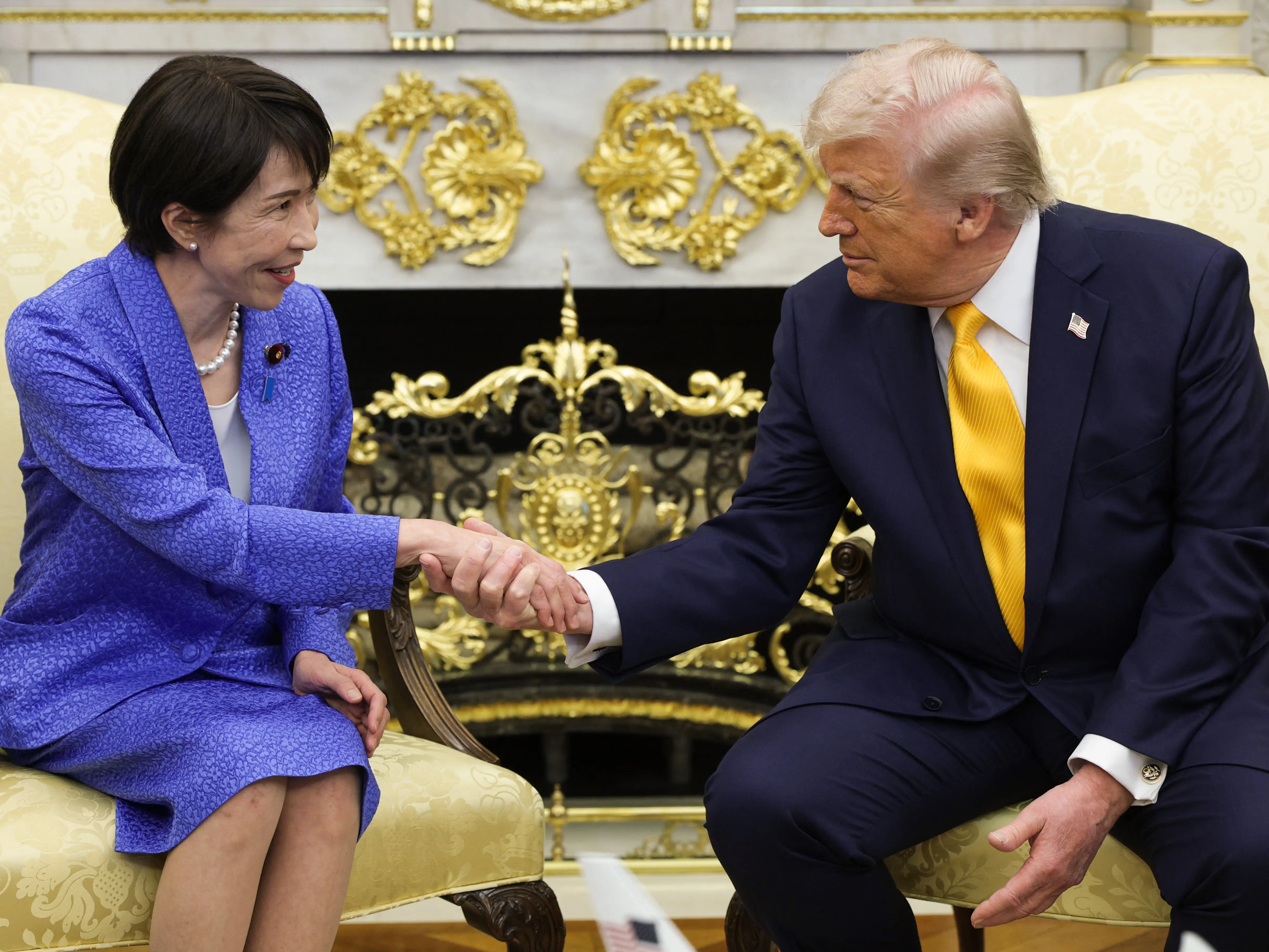
Prime Minister of Japan Sanae Takaichi (L) shakes hands with U.S. President Donald Trump during a bilateral meeting in the Oval Office of the White House on March 19, 2026 in Washington, DC. Photograph: (AFP)
The US and Japan have announced a $40 billion partnership to build next-generation nuclear reactors, specifically small modular reactors (SMRs), in Tennessee and Alabama. The deal was finalised after talks between Donald Trump and Sanae Takaichi.
The United States and Japan have announced a major energy partnership, agreeing to invest $40 billion in building next-generation nuclear reactors across the American South. The plan was confirmed on Thursday (Mat 19) after talks in Washington between US President Donald Trump and Japanese Prime Minister Sanae Takaichi. At the centre of the deal are small modular reactors, or SMRs, to be developed in Tennessee and Alabama. The technology is being pitched as a more flexible, scalable alternative to traditional nuclear plants. This comes as Tokyo last year agreed to invest $550 billion through 2029 under a new trade pact with Washington.
What the projects involve
The so-called small modular reactors (SMRs) will be built with support from GE Vernova Hitachi, which has been working on SMR technology for years. In simple terms, these are smaller, factory-built reactors that can be deployed faster and at lower cost. Alongside the nuclear investment, both countries also announced $33 billion for natural gas power facilities in Pennsylvania and Texas.
Next-gen stable power
A joint statement by the two nations said that the SMRs would serve as "a tremendous next-generation stable power source, stabilising electricity prices for the American people and strengthening the Japan-US leadership in global technological competition."
Trending Stories
&imwidth=280&imheight=210&format=webp&quality=medium)
&imwidth=280&imheight=210&format=webp&quality=medium)
&imwidth=280&imheight=210&format=webp&quality=medium)
&im=FitAndFill=(700,400)&imwidth=280&imheight=210&format=webp&quality=medium)
&imwidth=280&imheight=210&format=webp&quality=medium)
&imwidth=280&imheight=210&format=webp&quality=medium)
&imwidth=280&imheight=210&format=webp&quality=medium)
&imwidth=280&imheight=210&format=webp&quality=medium)
&imwidth=280&imheight=210&format=webp&quality=medium)
&imwidth=280&imheight=210&format=webp&quality=medium)
&imwidth=280&imheight=210&format=webp&quality=medium)
&imwidth=280&imheight=210&format=webp&quality=medium)
&imwidth=280&imheight=210&format=webp&quality=medium)
&imwidth=280&imheight=210&format=webp&quality=medium)
&imwidth=280&imheight=210&format=webp&quality=medium)
&imwidth=280&imheight=210&format=webp&quality=medium)
&imwidth=280&imheight=210&format=webp&quality=medium)
&imwidth=280&imheight=210&format=webp&quality=medium)
&imwidth=280&imheight=210&format=webp&quality=medium)
&imwidth=280&imheight=210&format=webp&quality=medium)
&imwidth=280&imheight=210&format=webp&quality=medium)
&imwidth=280&imheight=210&format=webp&quality=medium)
&im=FitAndFill=(700,400)&imwidth=280&imheight=210&format=webp&quality=medium)
&imwidth=280&imheight=210&format=webp&quality=medium)
&imwidth=280&imheight=210&format=webp&quality=medium)
&imwidth=280&imheight=210&format=webp&quality=medium)
&imwidth=280&imheight=210&format=webp&quality=medium)
&imwidth=280&imheight=210&format=webp&quality=medium)
&imwidth=280&imheight=210&format=webp&quality=medium)
&imwidth=280&imheight=210&format=webp&quality=medium)
&imwidth=280&imheight=210&format=webp&quality=medium)
&imwidth=280&imheight=210&format=webp&quality=medium)
&imwidth=280&imheight=210&format=webp&quality=medium)
&imwidth=280&imheight=210&format=webp&quality=medium)
These projects are part of a broader investment framework agreed last year, under which Tokyo committed up to $550 billion in investment in the US economy through 2029. The first set of projects under that framework was rolled out earlier this year in February, a $36 billion in commitments in three infrastructure projects. According to Thursday's announcement, the projects would ensure security by "accelerating economic growth of both countries, thereby paving the way for a New Golden Age of the ever-growing Japan-US Alliance."
Focus on critical minerals
The two countries also released a separate action plan targeting supply chains for critical minerals, an area where China currently dominates. The plan includes exploring coordinated trade policies and mechanisms, such as border-adjusted price floors, "focusing in the first instance on select critical minerals."

