UK flight chaos: More than 1,000 flights cancelled after NATS technical failure

&imwidth=600&imheight=450&format=webp&quality=medium "UK flight chaos: More than 1,000 flights cancelled after NATS technical failure")
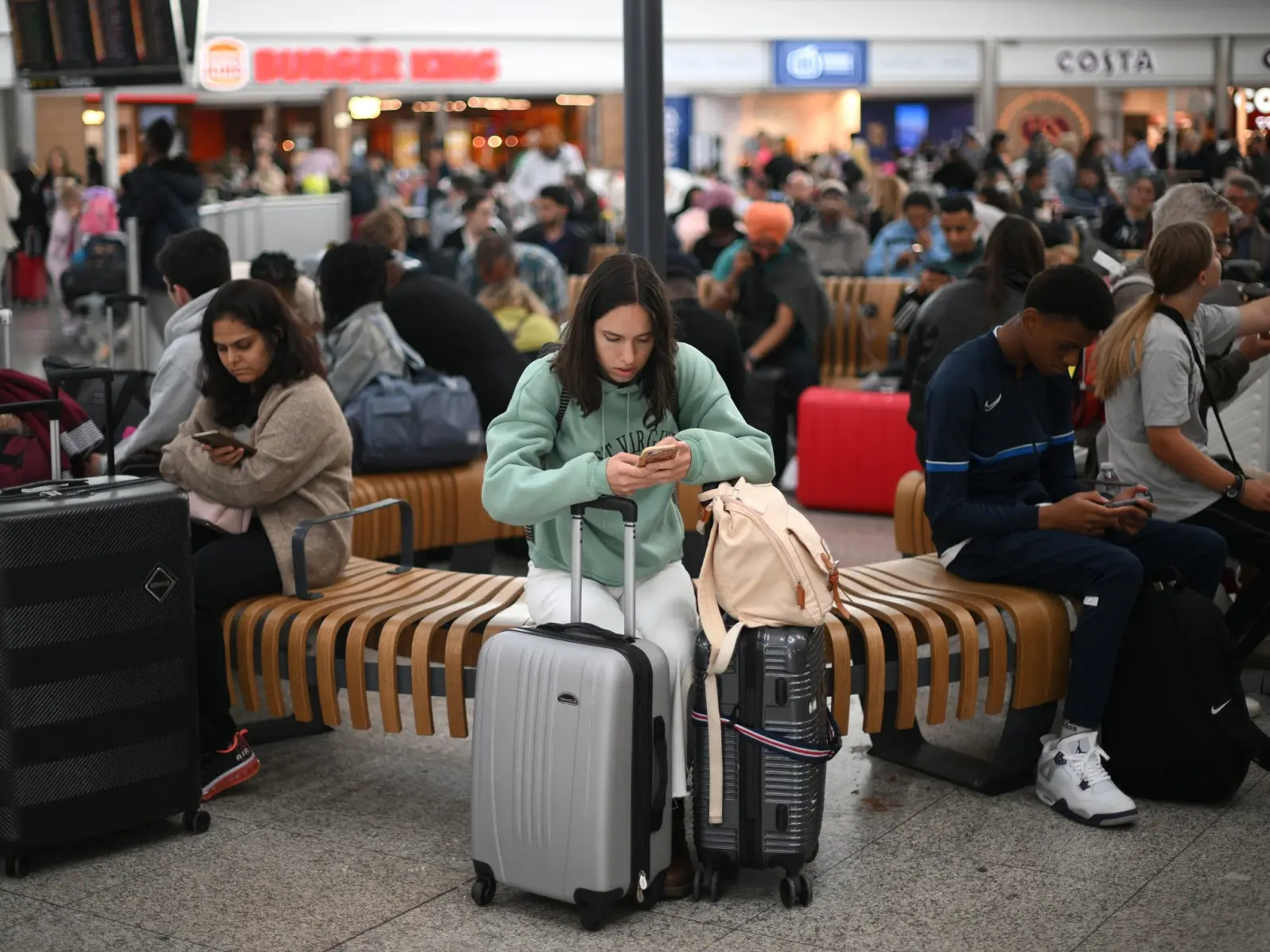
UK flight chaos: More than 1,000 flights cancelled after NATS technical failure Photograph: (AFP)
More than 1,000 flights were cancelled across United Kingdom airports after a NATS technical failure caused widespread delays and disruption
More than 1,000 flights were cancelled at UK airports on Tuesday after a technical problem with Britain's air traffic control system caused widespread disruption, according to flight-tracking website Flightradar24. Britain's National Air Traffic Services (NATS) said it had identified a problem with its flight processing system and that engineers were working urgently to restore normal operations. The disruption affected flights to and from major UK airports, including London Heathrow, as well as services operated by several leading airlines such as British Airways, easyJet, KLM and Lufthansa.
Although British airspace remained open and flights continued to depart, the technical failure resulted in significant delays and cancellations across the country's aviation network. NATS later said it had implemented a fix and that its systems were beginning to recover. By Tuesday evening, NATS confirmed that the problem with its flight processing system had been fixed. However, delays remained at 15 UK airports and elsewhere as airlines and airports worked to clear the backlog created by the disruption.
"We have identified that the issue was in our flight processing system. Our engineers are on site and working urgently to resume normal operations as quickly as possible," NATS said in a statement, as quoted by Reuters. "Flights are still departing and airspace is open, but recovery will take some time," it added.
Heathrow, Britain's busiest airport, said it was working with NATS to address the disruption. Flightradar24 reported that arrivals and departures were being regulated at airports across the London flight information region because of the technical issue.
The impact was quickly reflected in flight schedules. FlightAware data showed that around 100 flights had been cancelled at Heathrow, while 367 were delayed. At Gatwick, approximately 250 flights were delayed, representing about 31% of the airport's total flights. By Tuesday afternoon, nearly 300 cancellations had been recorded across affected airports as NATS systems began returning to normal.
Trending Stories
&imwidth=280&imheight=210&format=webp&quality=medium)
&imwidth=280&imheight=210&format=webp&quality=medium)
&imwidth=280&imheight=210&format=webp&quality=medium)
&imwidth=280&imheight=210&format=webp&quality=medium)
&imwidth=280&imheight=210&format=webp&quality=medium)
&imwidth=280&imheight=210&format=webp&quality=medium)
&imwidth=280&imheight=210&format=webp&quality=medium)
&imwidth=280&imheight=210&format=webp&quality=medium)
&imwidth=280&imheight=210&format=webp&quality=medium)
&imwidth=280&imheight=210&format=webp&quality=medium)
&imwidth=280&imheight=210&format=webp&quality=medium)
&imwidth=280&imheight=210&format=webp&quality=medium)
&imwidth=280&imheight=210&format=webp&quality=medium)
&imwidth=280&imheight=210&format=webp&quality=medium)
&imwidth=280&imheight=210&format=webp&quality=medium)
&imwidth=280&imheight=210&format=webp&quality=medium)
&imwidth=280&imheight=210&format=webp&quality=medium)
&imwidth=280&imheight=210&format=webp&quality=medium)
&imwidth=280&imheight=210&format=webp&quality=medium)
&imwidth=280&imheight=210&format=webp&quality=medium)
&imwidth=280&imheight=210&format=webp&quality=medium)
&imwidth=280&imheight=210&format=webp&quality=medium)
&imwidth=280&imheight=210&format=webp&quality=medium)
&imwidth=280&imheight=210&format=webp&quality=medium)
&imwidth=280&imheight=210&format=webp&quality=medium)
&im=FitAndFill=(700,400)&imwidth=280&imheight=210&format=webp&quality=medium)
&imwidth=280&imheight=210&format=webp&quality=medium)
&imwidth=280&imheight=210&format=webp&quality=medium)
&imwidth=280&imheight=210&format=webp&quality=medium)
&imwidth=280&imheight=210&format=webp&quality=medium)
&imwidth=280&imheight=210&format=webp&quality=medium)
&imwidth=280&imheight=210&format=webp&quality=medium)
Airports outside London also reported disruption. Edinburgh Airport warned passengers that the technical issue could affect its operations, while Dublin Airport said flights arriving from and departing for Britain were also experiencing problems. Luton, Birmingham, Aberdeen and Glasgow airports also reported delays or cancellations. Airlines were forced to make operational changes as the disruption spread. British Airways said its services were being affected by the NATS problem.
"This is entirely out of our control, and we're in touch with our customers whilst our teams work to get them on their way as quickly as possible," the airline said in a statement cited by Reuters. Air India also warned passengers that flights to and from the UK had been affected by the NATS technical failure. In a post on X, the airline said it had been forced to divert, delay or cancel multiple flights operating to and from UK airports. The airline also warned that some other services could be affected because aircraft and crews had been left out of position.
EasyJet said the disruption was causing delays across Europe. British Airways accounted for 96 of the reported cancellations, followed by easyJet with 92, KLM with 20, Lufthansa with 12 and Swiss with 11. The latest incident follows previous technical failures that have caused significant disruption across Britain's aviation network. In 2024, the UK's aviation regulator said NATS needed to strengthen its contingency arrangements after a flight-plan processing malfunction in the previous year caused widespread disruption.
Airline executives estimated that the earlier incident cost the industry more than £100 million in refunds and compensation. A separate radar-related technical problem in July last year also disrupted flights for more than four hours at Heathrow and other major airports. NATS subsequently reported progress in restoring its systems.
"We have implemented a fix and our flight system is starting to recover," NATS said in a post on X. Despite the technical issue being resolved, passengers were expected to face continued delays and cancellations as airlines and airports worked through the backlog and gradually restored their schedules.

