Skyroot plans 2nd launch by 2026-end; future launches from AP & TN

&imwidth=600&imheight=450&format=webp&quality=medium "Skyroot plans 2nd launch by 2026-end; future launches from AP & TN")
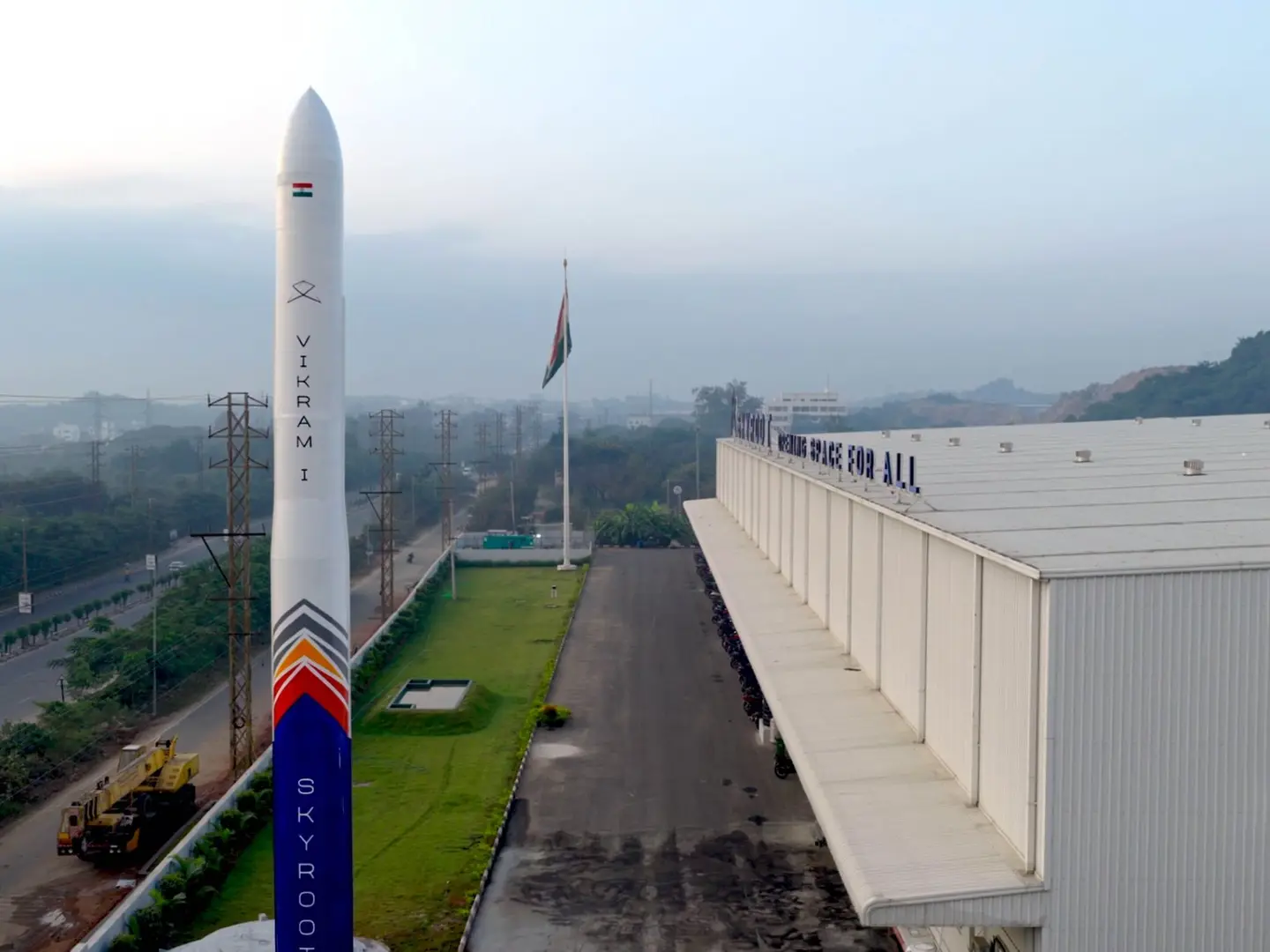
Skyroot plans 2nd launch by 2026-end; future launches from AP & TN Photograph: (Skyroot)
Last year, of more than 320 launches globally, the USA led with 181 launches, while China did over 90. Most of these were driven by the private sector in the respective countries. All other spacefaring countries and private firms cumulatively did fewer than 60 launches.
Skyroot Aerospace, the Indian rocket-making firm that succeeded in reaching orbit in its first attempt in July 2026, is now targeting its second launch by the year-end. "We have shipped the first stage of the (four-stage) Vikram-1 rocket to the ISRO Spaceport in Sriharikota, Andhra Pradesh. "It'll take a few more months... We are targeting year-end... However, it depends on the improvements that we are going to do from the first launch. We are just about to complete post-flight analysis to understand our first flight fully and make the necessary changes for the second flight. Based on that, the second launch schedule will come, but we are targeting year-end, hopefully," Skyroot's Co-Founder and CEO Pawan Chandana told this author during an exclusive conversation at the Bengaluru Space Expo.
Skyroot's Vikram-1 rocket is the first privately designed and developed spacefaring vehicle from India to reach orbit and deploy satellites. Until this feat, only the Government-run space agency ISRO had been designing, developing, and launching rockets to space from India. The successful execution of Vikram-1's mission on July 18th 2026, made India the third nation after the USA and China to demonstrate private orbital launch capability.
While Pawan did not reveal whose satellites would fly on the second mission of Vikram-1, he said that the specific information would be shared closer to launch. Further, he mentioned that there is quite a lot of interest in launches after the first mission. "In global launches, there is a lot of gap...There is a lot of increased interest in launches," he added.
Skyroot's Rs 250 cr investment in Tamil Nadu
Queried about Skyroot's recent MoU with the Tamil Nadu Government to invest Rs 250 cr (approx $26mn) in Thoothukudi, Pawan explained that it was meant to set up infrastructure for rocket testing and integration near the upcoming spaceport. This investment in infrastructure is meant to support Skyroot's future launches from Kulasekarapattinam, which is located barely 100 kms away from mainland India's southernmost tip, where the Indian government is building its second spaceport.
This 2300-acre Kulasekarapattinam facility is meant for efficiently launching small rockets on southward trajectories. This includes rockets such as ISRO's SSLV and those being built by private firms such as Skyroot.
Trending Stories
&imwidth=280&imheight=210&format=webp&quality=medium)
&imwidth=280&imheight=210&format=webp&quality=medium)
&imwidth=280&imheight=210&format=webp&quality=medium)
&imwidth=280&imheight=210&format=webp&quality=medium)
&imwidth=280&imheight=210&format=webp&quality=medium)
&imwidth=280&imheight=210&format=webp&quality=medium)
&imwidth=280&imheight=210&format=webp&quality=medium)
&imwidth=280&imheight=210&format=webp&quality=medium)
&imwidth=280&imheight=210&format=webp&quality=medium)
&imwidth=280&imheight=210&format=webp&quality=medium)
&im=FitAndFill=(700,400)&imwidth=280&imheight=210&format=webp&quality=medium)
&imwidth=280&imheight=210&format=webp&quality=medium)
&imwidth=280&imheight=210&format=webp&quality=medium)
&imwidth=280&imheight=210&format=webp&quality=medium)
&imwidth=280&imheight=210&format=webp&quality=medium)
&imwidth=280&imheight=210&format=webp&quality=medium)
&imwidth=280&imheight=210&format=webp&quality=medium)
&imwidth=280&imheight=210&format=webp&quality=medium)
&imwidth=280&imheight=210&format=webp&quality=medium)
&imwidth=280&imheight=210&format=webp&quality=medium)
&imwidth=280&imheight=210&format=webp&quality=medium)
&imwidth=280&imheight=210&format=webp&quality=medium)
&imwidth=280&imheight=210&format=webp&quality=medium)
&imwidth=280&imheight=210&format=webp&quality=medium)
&imwidth=280&imheight=210&format=webp&quality=medium)
&imwidth=280&imheight=210&format=webp&quality=medium)
&imwidth=280&imheight=210&format=webp&quality=medium)
&imwidth=280&imheight=210&format=webp&quality=medium)
&imwidth=280&imheight=210&format=webp&quality=medium)
&imwidth=280&imheight=210&format=webp&quality=medium)
&imwidth=280&imheight=210&format=webp&quality=medium)
&imwidth=280&imheight=210&format=webp&quality=medium)
&imwidth=280&imheight=210&format=webp&quality=medium)
&imwidth=280&imheight=210&format=webp&quality=medium)
&imwidth=280&imheight=210&format=webp&quality=medium)
While launching southwards from Sriharikota, rockets would need to perform a turn manoeuvre to avoid overflying the island nation of Sri Lanka. Such a manoeuvre expends fuel and curbs the rocket's lifting ability. In the case of smaller rockets, such turn manoeuvres could drastically cut down their lifting ability. India is building the spaceport at Kulasekarapattinam to facilitate direct southwards launches of small rockets at their maximum lifting ability.
Will Skyroot build its own launchpad?
Given the company's goal to provide quick and frequent launches to meet customer needs, Pawan was asked if they would build a launchpad at either Sriharikota or Kulasekarapattinam. Further, this author also asked if Skyroot would continue launching from Sriharikota on the East Coast or whether Skyroot would move launches to the upcoming spaceport at Kulasekarapattinam. To this, Pawan replied that the firm would launch low- and mid-inclination missions from the Sriharikota spaceport, while the high-inclination, southward missions would be launched from Kulasekarapattinam. He added that the launch site would depend on the preferences of their customers and the specific orbit requirements of the passenger satellites.
"As of now, both spaceports have good launch capacity... As we keep launching further, we will think about having our independent launch pad, but the existing launchpads are good enough for a large number of launches," Pawan replied.
How does Skyroot view its competition?
Pawan says that the competition is that the launch market is global. However, he also pointed out that there are only two firms launching regularly, and both are doing so from the US. Though he did not name the firms, the reference is obvious: SpaceX and RocketLab. "The world needs more launch capacity. If it can come from more Indian firms, it is good for the ecosystem. We are gearing up for more launches and hope to create good launch capacity for the global space sector.. 70-80% of our market is global. As a company, Skyroot got to orbit in its first attempt. We will keep doing more launches," he concluded.
Global launch statistics from 2025
Last year, of more than 320 launches globally, the USA led with 181 launches, while China did over 90. Most of these were driven by the private sector in the respective countries. All other spacefaring countries and private firms cumulatively did fewer than 60 launches. In a good year, India does about five or seven space launches. In 2025, the Indian space agency ISRO had done five launch missions, and private firms had not done any.
About Skyroot's Vikram-1 rocket
Vikram-1 is a seven-storeys-tall, four-stage orbital launch vehicle built with an all-carbon composite structure and powered by in-house developed propulsion systems, including 3D-printed engines and high-thrust solid-fuel rocket boosters. Designed to carry small satellites weighing up to 350 kg to Low Earth Orbit, about 500 km above Earth.
