Iran war: White House warns staff on prediction markets after 'well-timed' bets raise questions, reports say

&imwidth=600&imheight=450&format=webp&quality=medium "Iran war: White House warns staff on prediction markets after 'well-timed' bets raise questions, reports say")
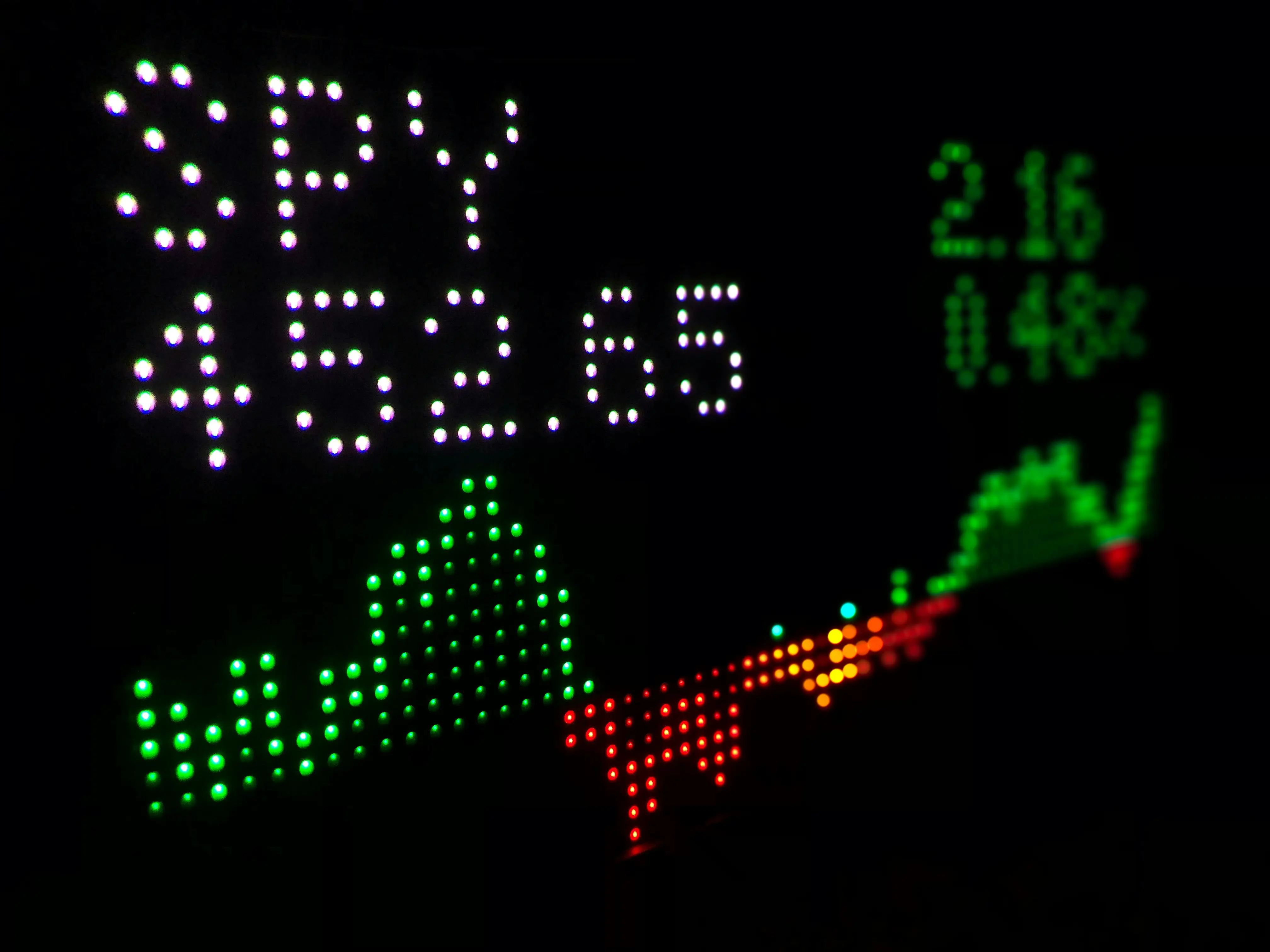
For representative purpose only Photograph: (Unsplash)
As per reports, the White House has warned staff after suspicious Iran ceasefire bets sparked insider trading concerns around prediction markets and national security
The day after US President Donald Trump announced a sudden pause in strikes against Iran last month, the White House issued an internal warning to staff about misusing their positions to make well-timed bets in financial markets. According to people familiar with the matter, the White House Management Office sent a staff-wide email on March 24. The warning came just a day after Trump revealed the policy shift on Truth Social. Notably, about 15 minutes before the announcement, a surge of unusual activity was recorded in futures markets.
In less than two minutes, more than $760 million worth of oil futures contracts were traded, according to Dow Jones Market Data. Separately, three accounts on Polymarket reportedly earned over $600,000 by correctly predicting the timing of this week’s Iranian ceasefire. The timing of these trades prompted critics, including several Democrats, to question whether advance knowledge of the decision had been used for profit. The White House confirmed the authenticity of the internal email. Trump spokesman Davis Ingle told The Wall Street Journal that the only special interest that will ever guide President Trump is the best interest of the American people.
At present, there is no evidence of leaks or misuse of inside information by administration officials. However, the rise of crypto-based prediction markets has created new ethical concerns. These platforms allow users to place bets on geopolitical events and withdraw profits anonymously, raising fears about potential misuse of sensitive information.
Existing ethics rules already prohibit federal employees from gambling on government property and from using nonpublic information for personal gain. A senior administration official described the email as a timely “refresher,” particularly as suspicious large trades in futures markets have dominated recent headlines.
“President Trump has been crystal clear,” Ingle said, “while he seeks a strong and profitable stock market for everyone, members of Congress and other government officials should be prohibited from using nonpublic information for financial benefit.” He dismissed allegations of wrongdoing as “baseless and irresponsible reporting.”
Trending Stories
&imwidth=280&imheight=210&format=webp&quality=medium)
&imwidth=280&imheight=210&format=webp&quality=medium)
&imwidth=280&imheight=210&format=webp&quality=medium)
&imwidth=280&imheight=210&format=webp&quality=medium)
&imwidth=280&imheight=210&format=webp&quality=medium)
&imwidth=280&imheight=210&format=webp&quality=medium)
&imwidth=280&imheight=210&format=webp&quality=medium)
&imwidth=280&imheight=210&format=webp&quality=medium)
&imwidth=280&imheight=210&format=webp&quality=medium)
&imwidth=280&imheight=210&format=webp&quality=medium)
&imwidth=280&imheight=210&format=webp&quality=medium)
&imwidth=280&imheight=210&format=webp&quality=medium)
&imwidth=280&imheight=210&format=webp&quality=medium)
&imwidth=280&imheight=210&format=webp&quality=medium)
&imwidth=280&imheight=210&format=webp&quality=medium)
&imwidth=280&imheight=210&format=webp&quality=medium)
&imwidth=280&imheight=210&format=webp&quality=medium)
&imwidth=280&imheight=210&format=webp&quality=medium)
&imwidth=280&imheight=210&format=webp&quality=medium)
&imwidth=280&imheight=210&format=webp&quality=medium)
&imwidth=280&imheight=210&format=webp&quality=medium)
&imwidth=280&imheight=210&format=webp&quality=medium)
&imwidth=280&imheight=210&format=webp&quality=medium)
&imwidth=280&imheight=210&format=webp&quality=medium)
&imwidth=280&imheight=210&format=webp&quality=medium)
&im=FitAndFill=(700,400)&imwidth=280&imheight=210&format=webp&quality=medium)
&im=FitAndFill=(700,400)&imwidth=280&imheight=210&format=webp&quality=medium)
&imwidth=280&imheight=210&format=webp&quality=medium)
&imwidth=280&imheight=210&format=webp&quality=medium)
&imwidth=280&imheight=210&format=webp&quality=medium)
&imwidth=280&imheight=210&format=webp&quality=medium)
&imwidth=280&imheight=210&format=webp&quality=medium)
&imwidth=280&imheight=210&format=webp&quality=medium)
&imwidth=280&imheight=210&format=webp&quality=medium)
&imwidth=280&imheight=210&format=webp&quality=medium)
Despite the denial, unusual winning bets have fueled public anger, including among some of Trump’s supporters.
Congressional Democrats argue that current regulations are insufficient for an evolving financial landscape where large profits can be made anonymously. Senator Richard Blumenthal warned in a press release that prediction markets “are turning war into a casino game, and creating a market for national security leaks.”
Blumenthal, along with Senator Andy Kim, has introduced legislation to ban prediction markets tied to war or military action. “Corruption and exploitation,” Kim said, “are thriving right now within the gaps and loopholes of prediction markets.” Recent incidents have added to concerns. In January, an unknown trader made over $400,000 betting on Nicolás Maduro’s removal shortly before it happened.
In February, Israeli authorities arrested several individuals, including army reservists, for allegedly using classified information to place bets on military operations. Polymarket, which has a data partnership with Dow Jones, remains at the center of growing scrutiny as lawmakers push for tighter regulation of prediction markets.
Disclaimer: WION takes utmost care to accurately and responsibly report ongoing conflicts in West Asia involving Israel, Iran, the US, Gulf nations, and non-state actors like Hezbollah, Hamas, Houthis, Islamic State, and others. Claims and counterclaims, disinformation and misinformation are being made online and offline. Given this context, WION cannot independently verify the authenticity of all statements, social media posts, photos, and videos.

