Iran conflict triggers ink shortage as Japanese snack giant switches to black-and-white packaging

&imwidth=600&imheight=450&format=webp&quality=medium "Iran conflict triggers ink shortage as Japanese snack giant switches to black-and-white packaging")
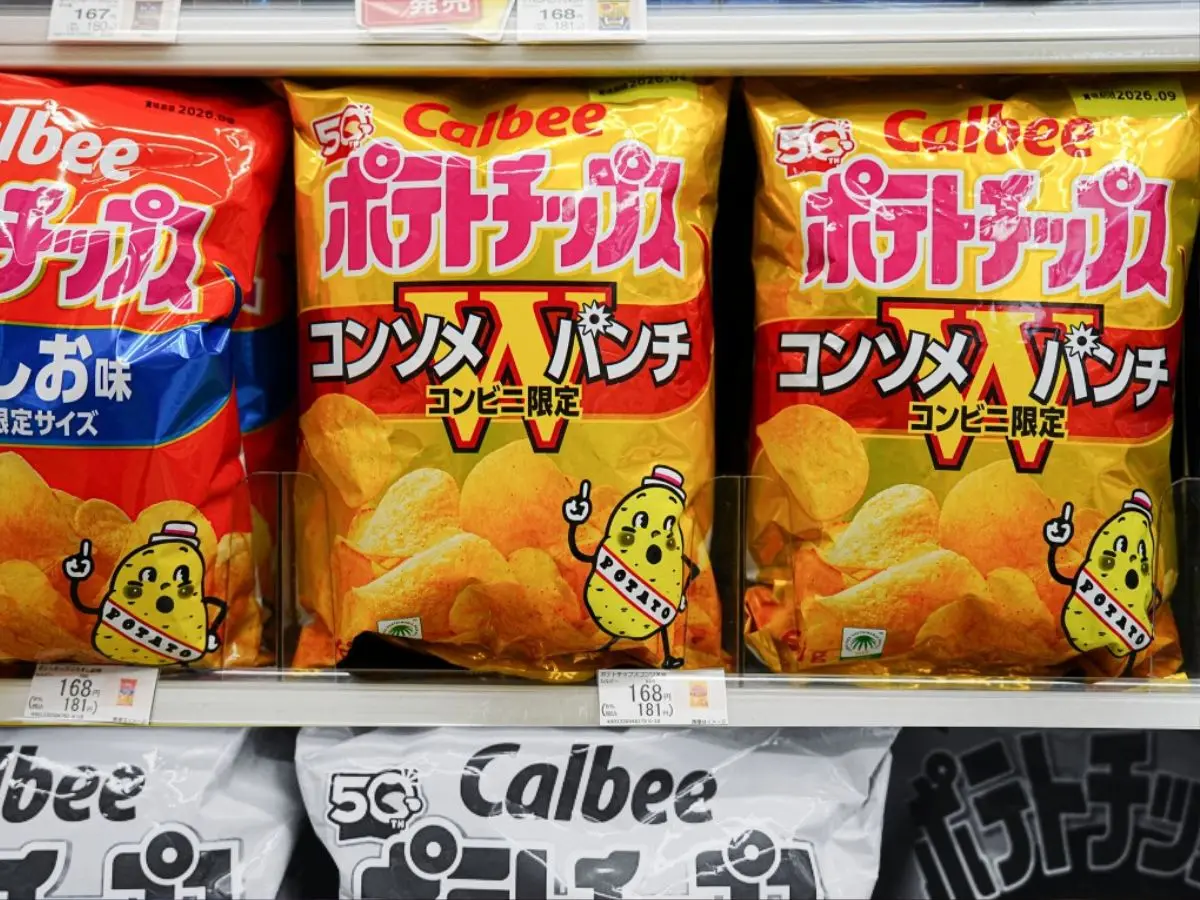
Middle East conflict pushes Japanese snack giant into black-and-white packaging shift Photograph: (AFP)
The shift is tied to shortages of naphtha, an oil-derived chemical used in manufacturing printing ink and packaging materials. Japan relies on imports from the Middle East for about 40 per cent of its naphtha consumption.
A conflict thousands of miles away has reached an unlikely consumer touchpoint: snack packaging. Japan’s leading snack producer, Calbee Inc., has announced it will temporarily shift 14 of its products to black-and-white packaging as disruptions linked to the Iran conflict strain supplies of key printing materials. The company said the change will begin from May 25 and is intended to conserve ink and maintain stable production, while leaving product quality unchanged.
“This measure is intended to help maintain a stable supply of products,” Calbee said in a statement, stressing that what is inside the packs will remain unaffected.
Ink Shortage and Oil-Linked Materials
The shift is tied to shortages of naphtha, an oil-derived chemical used in manufacturing printing ink and packaging materials. Japan relies on imports from the Middle East for about 40 per cent of its naphtha consumption. The ongoing war in Iran has disrupted global energy flows, particularly through the Strait of Hormuz, a critical route for oil exports. As a result, supplies of petroleum-based inputs have tightened, pushing companies to reduce non-essential usage such as coloured inks.
Trending Stories
&imwidth=280&imheight=210&format=webp&quality=medium)
&imwidth=280&imheight=210&format=webp&quality=medium)
&imwidth=280&imheight=210&format=webp&quality=medium)
&imwidth=280&imheight=210&format=webp&quality=medium)
&imwidth=280&imheight=210&format=webp&quality=medium)
&imwidth=280&imheight=210&format=webp&quality=medium)
&imwidth=280&imheight=210&format=webp&quality=medium)
&imwidth=280&imheight=210&format=webp&quality=medium)
&imwidth=280&imheight=210&format=webp&quality=medium)
&imwidth=280&imheight=210&format=webp&quality=medium)
&imwidth=280&imheight=210&format=webp&quality=medium)
&imwidth=280&imheight=210&format=webp&quality=medium)
&imwidth=280&imheight=210&format=webp&quality=medium)
&imwidth=280&imheight=210&format=webp&quality=medium)
&imwidth=280&imheight=210&format=webp&quality=medium)
&imwidth=280&imheight=210&format=webp&quality=medium)
&imwidth=280&imheight=210&format=webp&quality=medium)
&imwidth=280&imheight=210&format=webp&quality=medium)
&imwidth=280&imheight=210&format=webp&quality=medium)
&imwidth=280&imheight=210&format=webp&quality=medium)
&imwidth=280&imheight=210&format=webp&quality=medium)
&imwidth=280&imheight=210&format=webp&quality=medium)
&imwidth=280&imheight=210&format=webp&quality=medium)
&imwidth=280&imheight=210&format=webp&quality=medium)
&imwidth=280&imheight=210&format=webp&quality=medium)
&im=FitAndFill=(700,400)&imwidth=280&imheight=210&format=webp&quality=medium)
&im=FitAndFill=(700,400)&imwidth=280&imheight=210&format=webp&quality=medium)
&imwidth=280&imheight=210&format=webp&quality=medium)
&imwidth=280&imheight=210&format=webp&quality=medium)
&imwidth=280&imheight=210&format=webp&quality=medium)
&imwidth=280&imheight=210&format=webp&quality=medium)
&imwidth=280&imheight=210&format=webp&quality=medium)
&imwidth=280&imheight=210&format=webp&quality=medium)
&imwidth=280&imheight=210&format=webp&quality=medium)
&imwidth=280&imheight=210&format=webp&quality=medium)
Calbee said the adjustment reflects the need to respond “flexibly to changing geopolitical conditions,” limiting printing to just two ink colours for selected products. Industry reporting highlights that Japan relies heavily on imported naphtha from the Middle East, making its manufacturing sector particularly exposed to disruptions in the region.
ALSO READ: Xi-Trump summit: Why does China hold stronger cards as Trump heads to Beijing for high-stakes talks?
Industry Impact and Consumer Response
The packaging change affects some of this 77-year-old company's most recognisable products, including cereals, potato chips and shrimp snacks commonly sold in convenience stores across Japan and exported abroad. The company, founded in 1949 and employing more than 5,000 people, emphasised that the move is temporary, though no end date has been confirmed. According to reports, the decision reflects broader strain across Japanese manufacturing as firms adjust to rising input costs and volatile supply chains linked to the conflict. While government officials have said overall supplies remain stable, companies are increasingly adopting cost- and resource-saving measures.
For consumers, the visual shift is stark: familiar brightly coloured snack packs are being replaced by monochrome designs, a quiet but visible reminder of how global conflict can reshape even the most ordinary aspects of daily life.