From Indus Valley to Instagram: 5,000 years of yoga and journey of a civilization

&imwidth=600&imheight=450&format=webp&quality=medium "From Indus Valley to Instagram: 5,000 years of yoga and journey of a civilization")
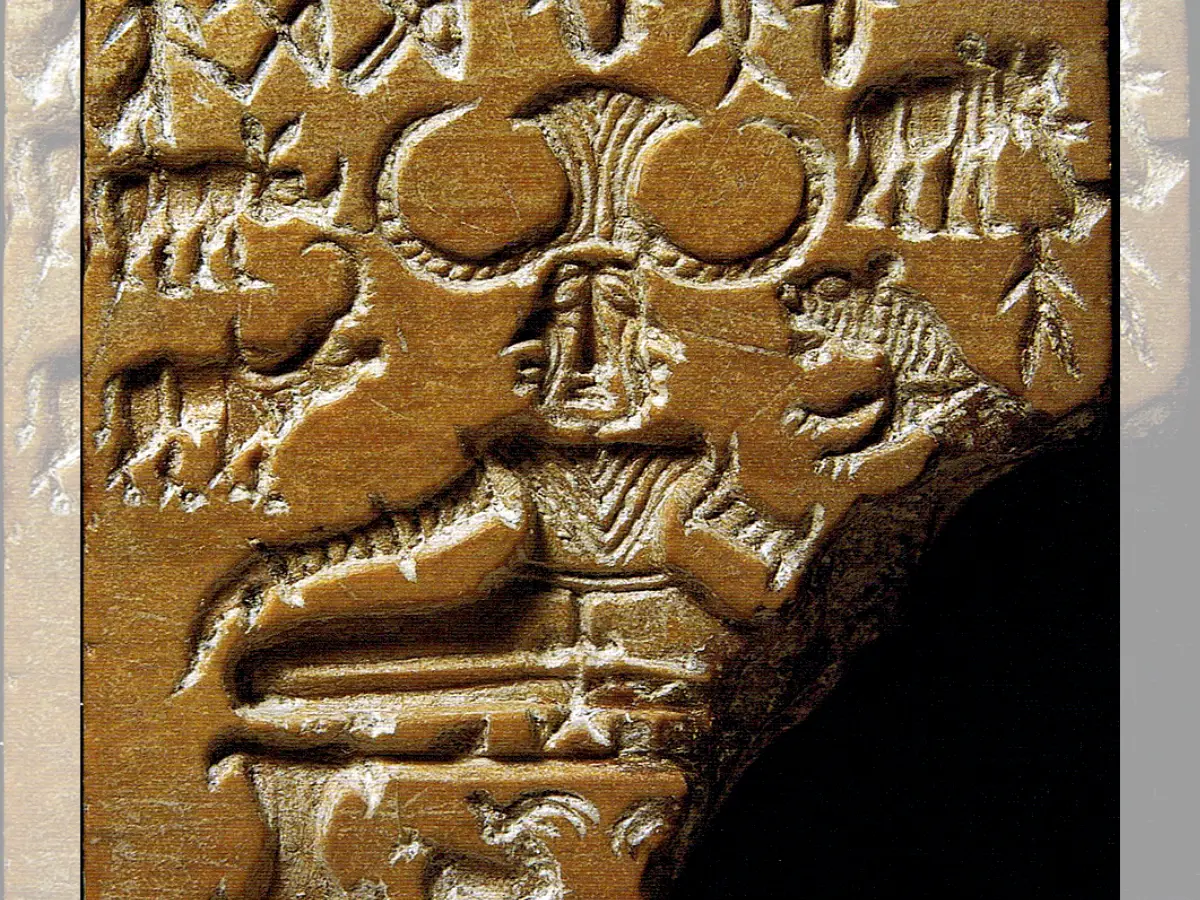
The Pashupati seal, discovered during excavation of the Mohenjodaro archaeological site in the Indus Valley. Photograph: (Wikimedia Commons)
Celebrated worldwide on International Yoga Day, yoga has evolved across centuries while retaining its core essence, inspiring millions to embrace balance, mindfulness, and well-being.
Every year, June 21 marks International Yoga Day. This day raises awareness about the profound physical, mental, and spiritual benefits of yoga. First proposed by Indian Prime Minister Narendra Modi, the day was adopted by the United Nations in 2014. What started 5,000 years ago in the Indus Valley Civilisation has now made it to everyone’s Instagram feeds as it has gained global recognition and popularity for its startling health benefits. Let’s explore the journey of yoga from ancient India to modern societies across the world.
Ancient roots of yoga
The origin of yoga dates back to more than 5,000 years to the Indus Valley Civilisation or the Harappan Civilisation. Spanning across the present-day northwest India, Pakistan and northeast Afghanistan, it was the earliest known urban culture of the Indian subcontinent that flourished roughly between 3300 and 1300 BCE.
Several archaeological findings from the region have hinted towards existence of early yoga in the region. One such remarkable discovery was the famous steatite artefact of the Pashupati Seal found at Mohenjo-daro, which depicts a figure seated in meditative posture.
From sacred texts to spiritual philosophy
Yoga has also been talked about in ancient Indian scriptures with references to meditation, self-discipline, and spiritual practices found in the Vedas, which are among the world’s oldest sacred texts. Later, the Upanishads further expanded these ideas, exploring the relationship between the individual self and universal consciousness. Yoga gradually evolved into a path toward self-realisation rather than merely a physical exercise.
Trending Stories
&imwidth=280&imheight=210&format=webp&quality=medium)
&imwidth=280&imheight=210&format=webp&quality=medium)
&imwidth=280&imheight=210&format=webp&quality=medium)
&imwidth=280&imheight=210&format=webp&quality=medium)
&imwidth=280&imheight=210&format=webp&quality=medium)
&imwidth=280&imheight=210&format=webp&quality=medium)
&imwidth=280&imheight=210&format=webp&quality=medium)
&imwidth=280&imheight=210&format=webp&quality=medium)
&imwidth=280&imheight=210&format=webp&quality=medium)
&imwidth=280&imheight=210&format=webp&quality=medium)
&im=FitAndFill=(700,400)&imwidth=280&imheight=210&format=webp&quality=medium)
&imwidth=280&imheight=210&format=webp&quality=medium)
&imwidth=280&imheight=210&format=webp&quality=medium)
&imwidth=280&imheight=210&format=webp&quality=medium)
&imwidth=280&imheight=210&format=webp&quality=medium)
&imwidth=280&imheight=210&format=webp&quality=medium)
&imwidth=280&imheight=210&format=webp&quality=medium)
&imwidth=280&imheight=210&format=webp&quality=medium)
&imwidth=280&imheight=210&format=webp&quality=medium)
&imwidth=280&imheight=210&format=webp&quality=medium)
&imwidth=280&imheight=210&format=webp&quality=medium)
&imwidth=280&imheight=210&format=webp&quality=medium)
&imwidth=280&imheight=210&format=webp&quality=medium)
&imwidth=280&imheight=210&format=webp&quality=medium)
&imwidth=280&imheight=210&format=webp&quality=medium)
&imwidth=280&imheight=210&format=webp&quality=medium)
&imwidth=280&imheight=210&format=webp&quality=medium)
&imwidth=280&imheight=210&format=webp&quality=medium)
&imwidth=280&imheight=210&format=webp&quality=medium)
&imwidth=280&imheight=210&format=webp&quality=medium)
&imwidth=280&imheight=210&format=webp&quality=medium)
&imwidth=280&imheight=210&format=webp&quality=medium)
&imwidth=280&imheight=210&format=webp&quality=medium)
Patanjali and the codification of yoga
A major milestone marked with the Yoga Sutras of Patanjali, a foundational ancient Indian text that outlines the philosophy and practice of classical yoga. Compiled by the sage Patanjali, it comprises 196 concise Sanskrit aphorisms (sutras) that provide a systematic framework of an eight-fold path for controlling the mind and achieving spiritual enlightenment. Notably, the yoga we practice today – asanas and poses – were only a part of a much broader spiritual framework.
The rise of Hatha Yoga
Over the centuries, yoga evolved beyond meditation and spiritual practices. Traditions such as Hatha Yoga brought greater focus to physical postures, breathing techniques, and overall well-being. These developments helped shape the forms of yoga that are popular today, combining physical fitness with mental and spiritual benefits.
How yoga conquered the world
In the late 19th and early 20th centuries, yoga started gaining significant attention on a global stage. Prominent figures such as Swami Vivekananda are credited with taking the ancient spiritual traditions abroad and introducing them to Western audiences. In the decades that followed, several yoga teachers helped spread the practice across Europe and North America. By the end of the 20th century, yoga had moved far beyond India’s borders and had become a regular part of daily life for millions worldwide.
From ashrams to Instagram
What was once practised in temples, forests, and ashrams has now become a global lifestyle trend. From celebrity-endorsed classes, luxury retreats, and social media influencers, yoga has risen to a global wellness phenomenon that is practised everywhere in the world. Smartphones and social media have made it even more accessible than ever before, with several tutorials and online classes, connecting millions across the globe.
What started in ancient India has now brought together the entire world to achieve a better version of oneself and inner peace in the fast-paced digital world.

