Boeing faces first major strike in 16 years: 30,000 workers walk out, threatening supply chain


File photo of a Boeing aircraft.
Thousands of Boeing employees walked off the job on Friday (September 13) after rejecting the company's latest contract offer. This move could create a significant disruption as Boeing works to ramp up production following a safety crisis.
This strike, Boeing’s first in 16 years, is expected to bring a halt to operations in the Seattle area, where most of the company’s commercial planes are manufactured. This could further strain Boeing's already fragile supply chain.
Around 30,000 members of the International Association of Machinists and Aerospace Workers (IAM), who build Boeing’s 737 MAX and other planes in Seattle and Portland, took part in a vote on their first full contract in 16 years. The workers turned down the offer, with a strong majority in favour of striking.

The union said that 96 per cent of its members voted in favour of the strike, easily surpassing the two-thirds threshold needed to approve a walkout. In addition, 95 per cent of those who voted rejected the company’s offer. IAM represents roughly one-fifth of Boeing's global workforce, which consists of over 170,000 employees.
“This is about respect. This is about addressing the past, and this is about fighting for our future,” said Jon Holden, president of District 751.
)
Earth-Theia collision created the moon in just 5 hours, study shows
)
Nigerian Navy discovers 99,000 litres of suspected stolen, illegally refined products as it intensifies anti-crude oil theft operations
)
Who is Aditi Paudel? 17-year-old becomes Japan's first literacy ambassador
&im=FitAndFill=(700,400))
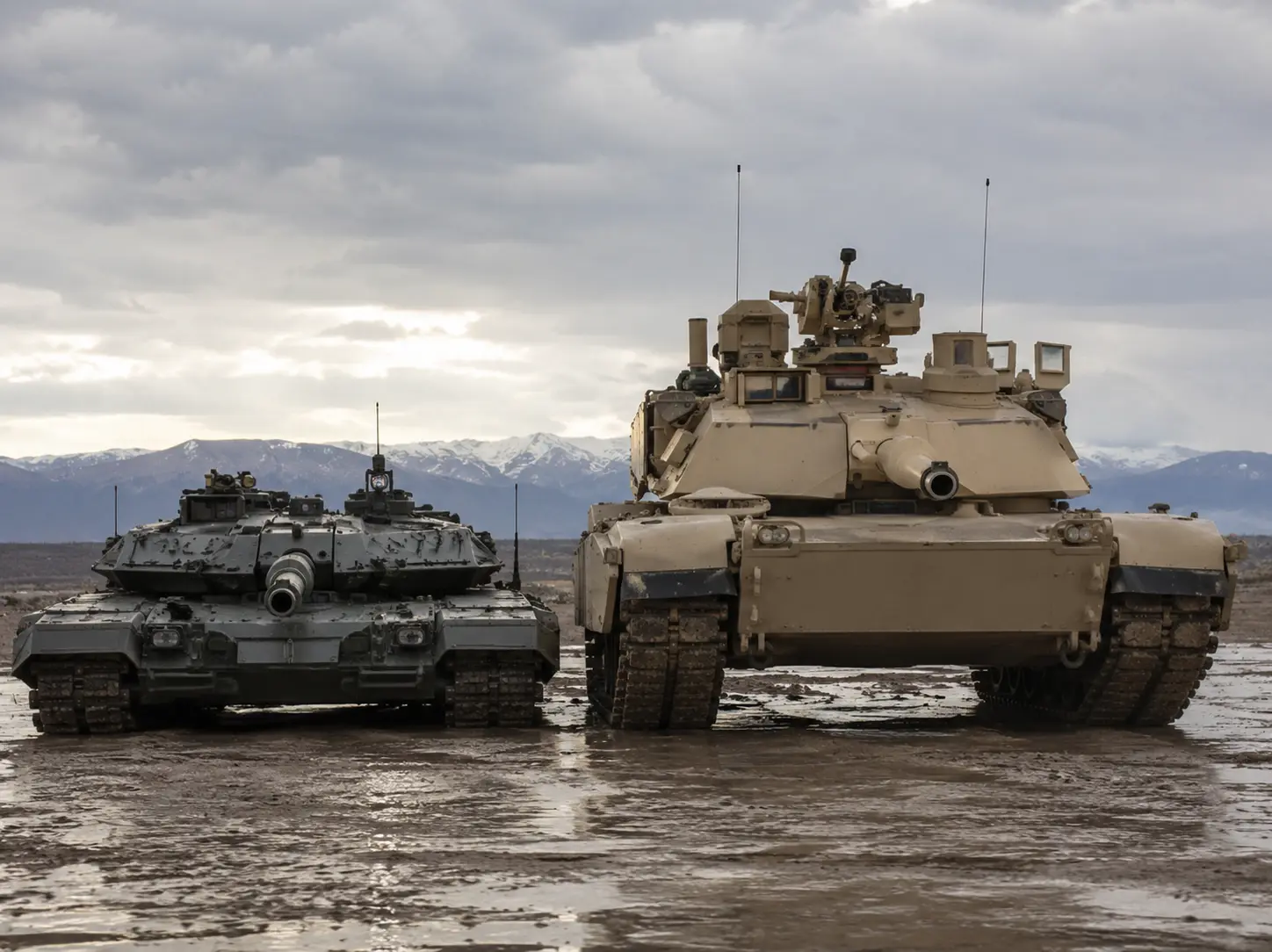
Why US tanks can spin their heavy turrets much faster than Russian tanks
)
Man pushes Russian humanoid robot. Watch what happens next
)
Nobel laureate Machado says Venezuela’s ‘illegitimate’ regime has no right to strike US oil deal
)
The Verdict: Peace for Iran, pressure on Afghanistan: Pakistan’s contradictory diplomacy
)
Netherlands shifts 86 tonnes of gold reserve to UK citing geopolitical risks
)
‘El Nino is being supersized’: UN warns of record heat and extreme weather
)
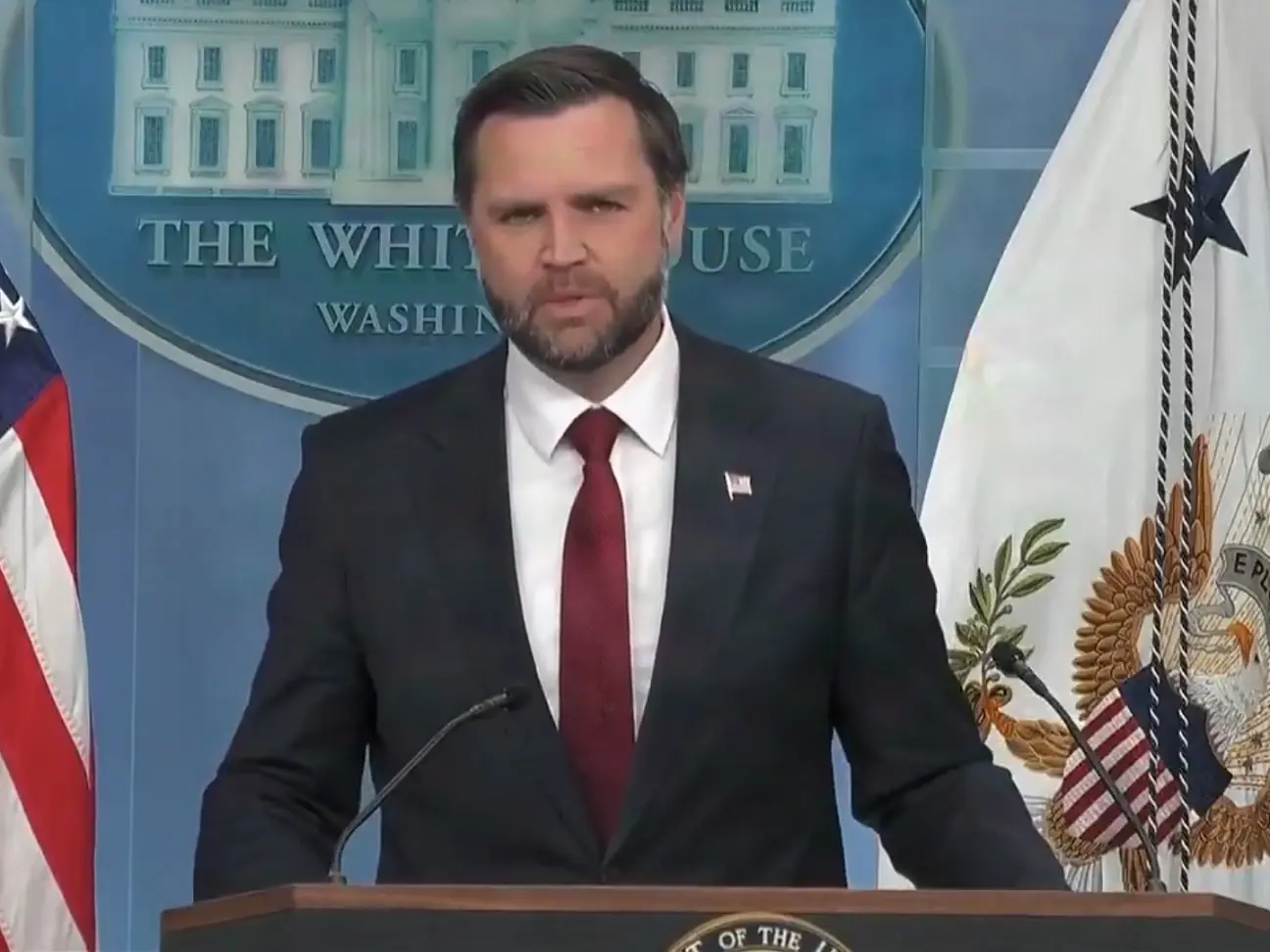
Breaking | Vance takes the podium: First White House briefing since Leavitt's exit
)
Indian Air Force pilot Abhinandan Varthaman, who shot down Pak fighter jet retires, takes up private job
)
WION Exclusive: Hasina says she reads father’s unfinished memoir while planning Dhaka return
)
Inside Iran's shadow fleet: How Tehran dodges the US blockade at sea
&im=FitAndFill=(700,400))
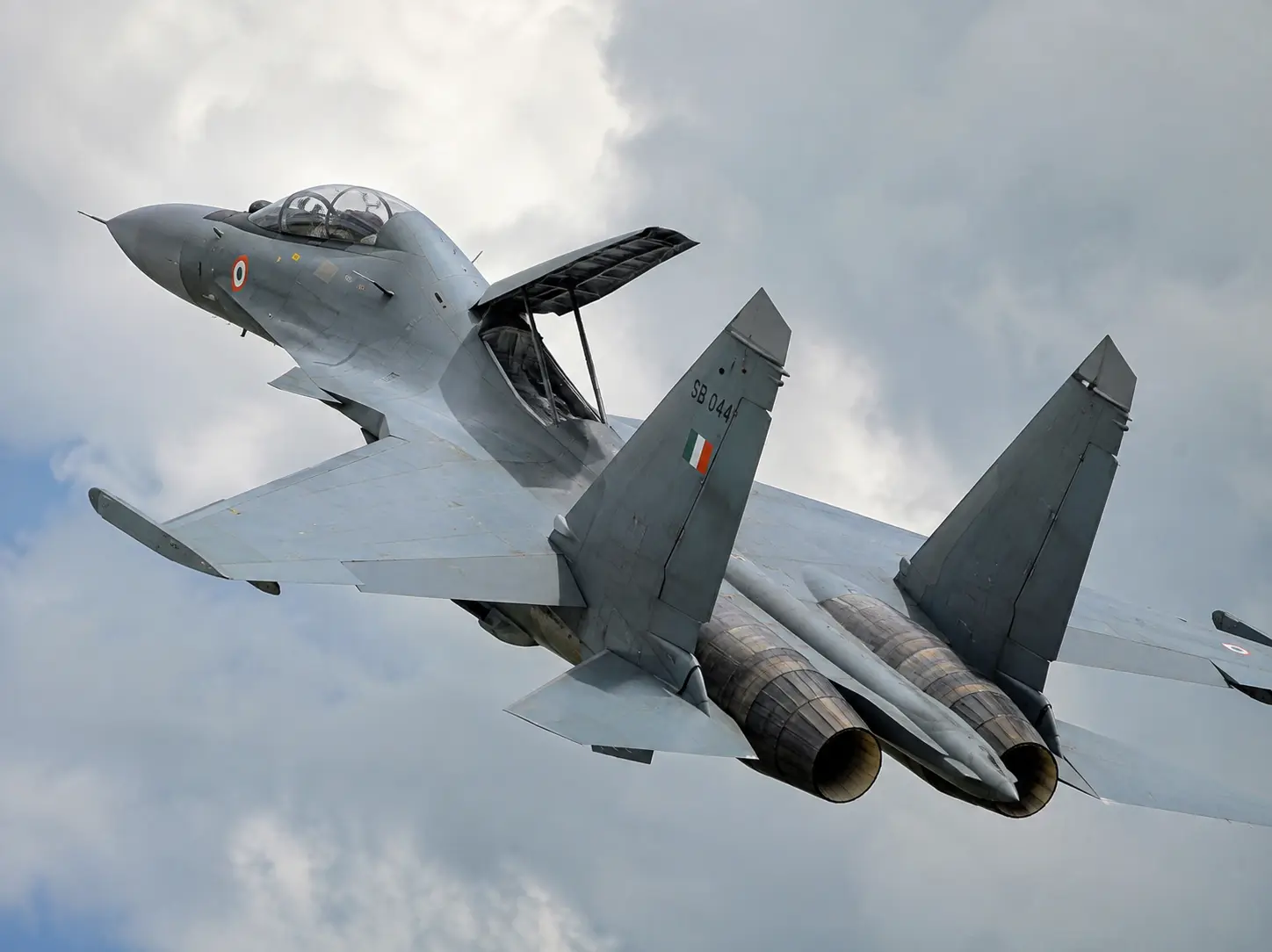
Why the Su-30MKI uses a giant air brake on its back instead of its wings
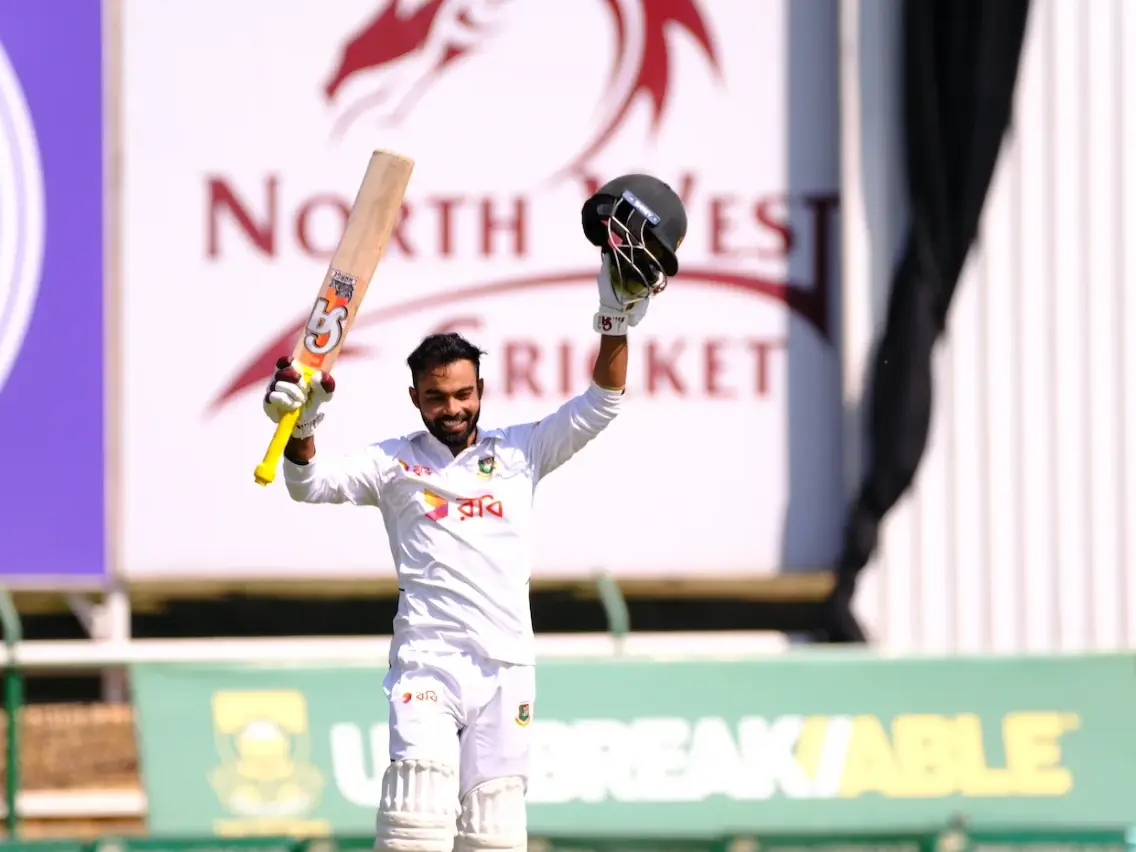)
Bangladesh batter Towhid Hridoy creates history with 350 not out in South Africa
)
Gandhari review: Taapsee Pannu’s thriller is too dramatic to work
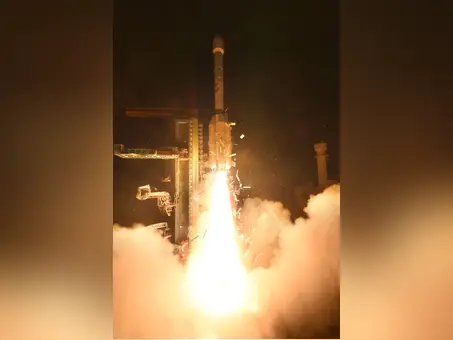)
ISRO stages comeback with GSLV-F17/EOS-05 success; targets six more launches
)
‘I wouldn’t call it a war,’ says JD Vance on ongoing conflict with Iran
)
Iran's army conducts drone & missile attack on US bases
)
ISRO EOS-05 launch: GSLV to lift heaviest payload in its 25-year flight history
)
Husband uses secret camera to record wife’s affair, wins divorce case, ends up in jail for spying
)
At least 2 killed in Minneapolis shooting, suspect also dead
&im=FitAndFill=(700,400))
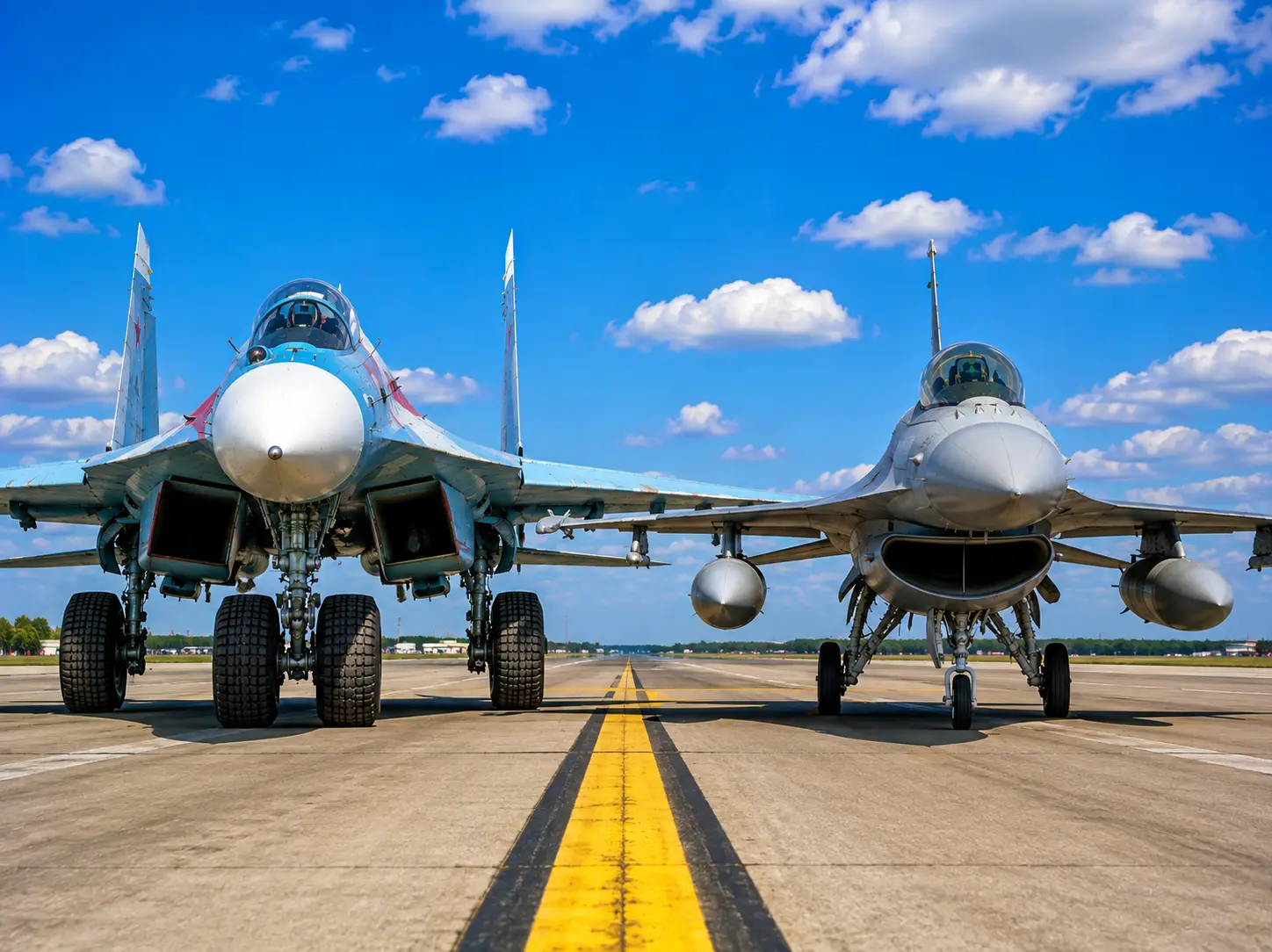
Why Russian fighter jets use bulky, low-pressure tyres compared to US jets
&im=FitAndFill=(700,400))
Why US tanks weigh over 20 tons more than Russian tanks
)
Major AI platforms ChatGPT, Claude, and Grok hit by simultaneous service disruptions
)
NATO troops gather in Arctic, Russia threatens nuclear retaliation
)
Manipur violence: 25 houses torched in Manipur’s Kangpokpi a day after 10 homes were burnt along Imphal-Tamenglong road
&im=FitAndFill=(700,400))
New Friday OTT releases (September 4, 2026): GDN, Dhamaal 4, Jagamae Sangeetham- Watch 6 new movies and TV shows on Netflix, Prime Video and more
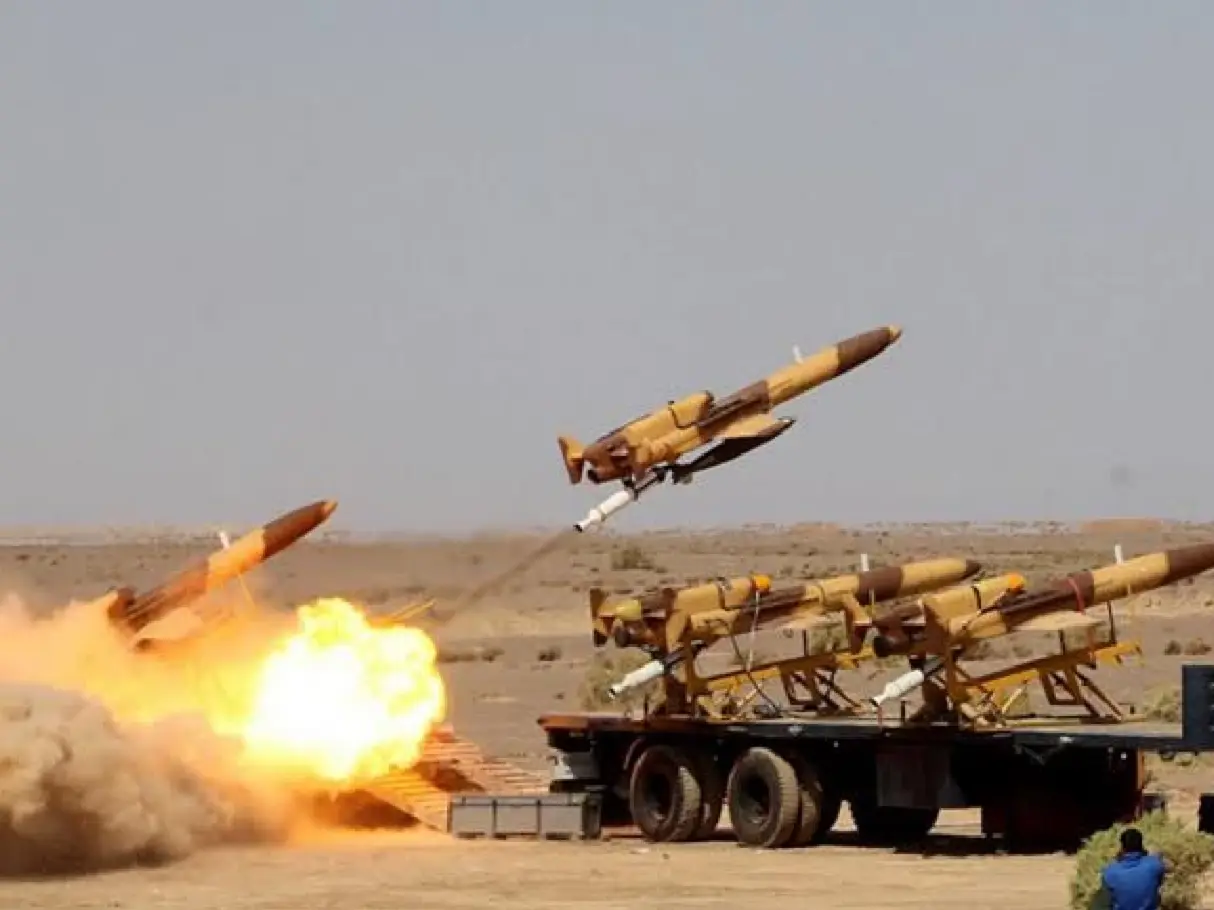)
Iran attacks US bases in Kuwait & UAE, supersecret missile project in focus | Gravitas
)
Influencer shows off what he claims is Apple's first foldable iPhone 18 Ultra
The contract, negotiated between union leaders and Boeing management after months of discussions, included several benefits for workers but did not meet the union’s original demands. Union leaders acknowledged that, while it wasn’t everything they had hoped for, it was still “the best contract we’ve negotiated in our history.”
Following the vote, Boeing released a statement on Friday expressing its commitment to mending relations with its employees and the union. The company said it remained "ready" to return to the negotiating table to reach a new agreement.
Boeing's last strike, which happened in 2008, lasted 50 days. The contract that resolved that dispute has been extended twice since then. New York Times citing Cai von Rumohr, a research analyst with TD Cowen, reported that a strike of similar length this time around could cost Boeing at least $3 billion.
(With inputs from agencies)
