'Scary to even fall asleep': Panic grips citizens after Japan's southern islands hit by over 1600 earthquakes in three weeks

&imwidth=600&imheight=450&format=webp&quality=medium "'Scary to even fall asleep': Panic grips citizens after Japan's southern islands hit by over 1600 earthquakes in three weeks")
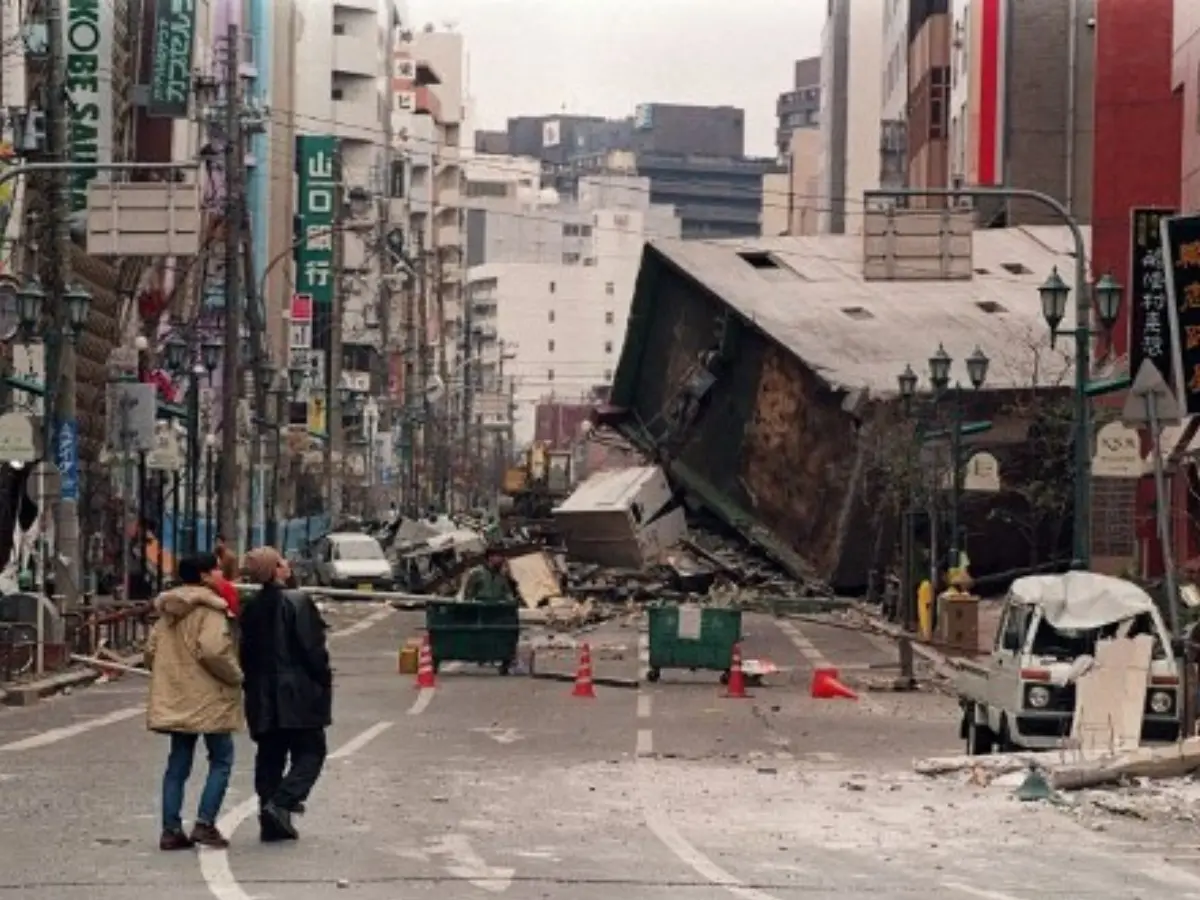
Representational Image Photograph: (AFP)
Japan, home to around 125 million people, located at the convergence of four major tectonic plates along the Pacific "Ring of Fire," is one of the most earthquake-prone nations in the world, typically experiencing approximately 1,500 quakes each year.
Several residents have left the remote islands in southern Japan that have been shaken by nearly 1,600 quakes in the past few days. The islands, such as Tokara and Akuseki, have been experiencing seismic activities since 21 June following a magnitude 5.5 earthquake that struck last week, officials said.
According to a report on the BBC, Tokara Island reported no major damage. In addition, no tsunami warning was also issued but authorities have advised residents to prepare to evacuate if required.
As per Channel News Asia, no major physical damage was also reported from the hardest-hit Akuseki island, which was hit by a 5.1-magnitude quake overnight. Officials added that out of 89 residents of Akuseki Island, 44 had evacuated to the regional hub of Kagoshima by Sunday, while 15 other residents left another nearby island.
"It's very scary to even fall asleep," a resident of Tokara island told the regional broadcaster MBC. "It feels like it's always shaking." The Tokara region has seen earthquake clusters before, but local media reports that the current surge in tremors is unusually frequent.
Roughly 700 residents are spread across seven of the 12 Tokara Islands. Some of these remote islands lack hospitals, with the closest medical facility located at least six hours away by ferry in the prefectural capital, Kagoshima.
Meanwhile, the municipality in Akuseki Island, made up of seven inhabited and five uninhabited islands, lies approximately 11 hours by ferry from Kagoshima. Since 21 June, the region has experienced what seismologists call a "quake swarm," with 1,582 tremors reported by early Monday.
Trending Stories
&imwidth=280&imheight=210&format=webp&quality=medium)
&imwidth=280&imheight=210&format=webp&quality=medium)
&imwidth=280&imheight=210&format=webp&quality=medium)
&imwidth=280&imheight=210&format=webp&quality=medium)
&imwidth=280&imheight=210&format=webp&quality=medium)
&imwidth=280&imheight=210&format=webp&quality=medium)
&imwidth=280&imheight=210&format=webp&quality=medium)
&imwidth=280&imheight=210&format=webp&quality=medium)
&imwidth=280&imheight=210&format=webp&quality=medium)
&imwidth=280&imheight=210&format=webp&quality=medium)
&imwidth=280&imheight=210&format=webp&quality=medium)
&imwidth=280&imheight=210&format=webp&quality=medium)
&imwidth=280&imheight=210&format=webp&quality=medium)
&imwidth=280&imheight=210&format=webp&quality=medium)
&imwidth=280&imheight=210&format=webp&quality=medium)
&imwidth=280&imheight=210&format=webp&quality=medium)
&imwidth=280&imheight=210&format=webp&quality=medium)
&imwidth=280&imheight=210&format=webp&quality=medium)
&imwidth=280&imheight=210&format=webp&quality=medium)
&imwidth=280&imheight=210&format=webp&quality=medium)
&imwidth=280&imheight=210&format=webp&quality=medium)
&imwidth=280&imheight=210&format=webp&quality=medium)
&imwidth=280&imheight=210&format=webp&quality=medium)
&im=FitAndFill=(700,400)&imwidth=280&imheight=210&format=webp&quality=medium)
&im=FitAndFill=(700,400)&imwidth=280&imheight=210&format=webp&quality=medium)
&imwidth=280&imheight=210&format=webp&quality=medium)
&imwidth=280&imheight=210&format=webp&quality=medium)
&imwidth=280&imheight=210&format=webp&quality=medium)
&imwidth=280&imheight=210&format=webp&quality=medium)
&imwidth=280&imheight=210&format=webp&quality=medium)
&imwidth=280&imheight=210&format=webp&quality=medium)
&imwidth=280&imheight=210&format=webp&quality=medium)
&imwidth=280&imheight=210&format=webp&quality=medium)
&imwidth=280&imheight=210&format=webp&quality=medium)
&imwidth=280&imheight=210&format=webp&quality=medium)
Why are the southern islands experiencing consecutive seismic activity?
Experts believe the seismic activity may be linked to an underwater volcano and magma movement, though they admit it's difficult to predict when the quakes will stop. "We cannot foresee what might happen in the future. We cannot see when this will end," Mayor Kubo told reporters.
According to the Japan Meteorological Agency, a similar surge in earthquakes occurred in September 2023 when 346 earthquakes were documented. Japan, located at the convergence of four major tectonic plates along the Pacific "Ring of Fire," is one of the most earthquake-prone nations in the world.
Home to around 125 million people, the archipelago typically experiences approximately 1,500 quakes each year, accounting for roughly 18 per cent of the world’s seismic activity. Recently, concerns over a possible major quake have discouraged some foreign tourists — fears largely driven by misinformation circulating on social media.
One cause of alarm was a manga comic that was reissued in 2021, which falsely predicted a catastrophic event on 5 July 2025, a date that ultimately passed without incident.

