
&imwidth=800&imheight=600&format=webp&quality=medium "Iran protest: Basij militia, the 'eyes and ears of the regime', faces attacks. All about its history, role and power")
Iran is once again witnessing scenes its leadership knows all too well: shuttered bazaars, paralysed universities and protestors on the streets, once again challenging the Khamenei regime. What began as anger over a collapsing rial, persistent hyperinflation and cries for economic stability has escalated into a broader political outcry. Across Tehran, Isfahan, Lorestan, and other regions, demonstrators are no longer just demanding economic relief but now they are openly calling for the end of clerical rule. Videos circulating online show crowds chanting slogans such as ‘Mullahs must leave Iran’, ‘Death to Khamenei’ and ‘Shah will return’, as unrest across Iran enters sixth day, leaving little room for ambiguity.
During these protests, a volunteer member of Iran’s paramilitary Revolutionary Guard was killed in Kuhdasht. Another 13 members of the Basij, a volunteer paramilitary affiliated with the Revolutionary Guards, were reportedly wounded by the demonstrators, according to Reuters. These incidents, have brought the focus on the increasing volatility and dissent as the country faces its largest unrest in three years.
The Iran-Iraq War (1980–88) transformed the IRGC into more of a conventional fighting force. Now highly institutionalised, it remains a force parallel to that of Iran’s regular armed forces. The IRGC include ground forces based across Iran’s 31 provinces, the Basij paramilitary force, naval force which is separate from the naval branch of Iran’s regular military, a separate air force and a cyber command.

Origins and Structure of the Basij
The Basij, formally known as the Organisation for the Mobilisation of the Oppressed (Sâzmân-e Basij-e Mostaz'afin), was established in 1980 at the behest of Ayatollah Ruhollah Khomeini, who called for ‘20 million riflemen’ to defend the revolution. It is an Iranian paramilitary volunteer militia under the Islamic Revolutionary Guard Corps (IRGC). According to Reuters, the Basij is a volunteer paramilitary force that operates under the direct loyalty of Supreme Leader Ayatollah Ali Khamenei.
Research published in the Journal of Modern Science describes Iran’s security strategy as a ‘doctrine of mosaic defense,’ combining multi-layered territorial protection with asymmetric warfare. Within this framework, the role of Basij is not just limited to being a subsidiary of the IRGC but it also plays its part in central mechanism for social mobilisation, suppressing dissent, and achieving regime objectives. Beyond domestic enforcement, the Basij supports allied groups abroad and participates in regional conflicts, reflecting its dual role in internal and external Iranian strategy. It has frequently been accused of participating in violent crackdowns, notably during the 2009 presidential election and in November 2019 when the Basij were reportedly among the Iranian security forces responsible for the deaths of hundreds of men, women, and children.
Trending Stories
)
Lady Gaga is a mom! Oscar-winning singer welcomes first child with fiance Michael Polansky
)
BRICS Summit 2026: Iran's Pezeshkian praises PM Modi at BRICS
)
Karthik Subbaraj’s Dorothy gets a standing ovation at TIFF world premiere
)
Harry Potter TV show vs films: Gary Oldman explains why HBO’s reboot could be better
)
North Korea fires missiles after US, South Korea and Japan military drills but America says 'does not pose immediate threat'
)
Delhi's top luxury hotels turn into high-security fortress hubs for BRICS 2026 delegations
)
BRICS Summit 2026: 30+ countries seek BRICS membership
)
Frustrated man demolishes his kitchen after thousands flock to see Mother Mary his wife spotted on the wall
)
Russia strikes Ukrainian cargo ships, steel plants after Kyiv's drone attack on Samara region
)
BRICS summit: India faces delicate Iran-UAE diplomatic test
)
From drones to KAAN fighters: Turkey outlines 229% surge in defence spending amid regional shifts
)
After praising Modi, Pezeshkian meets Indian religious leaders, Hurriyat's Mirwaiz Umar Farooq
)
Houthis vs Saudi Arabia: East-west oil pipeline shut after drone attacks from Iraq
)
South Africa batter Jordan Hermann hits highest individual score on ODI debut
)
800 million years old - Scientists discover 'fingerprints' of supercontinent Gondwana in ancient rocks
)
Osama Bin Laden's son ALIVE? Al-Qaeda releases video 7 years after US declared him dead
)
BRICS Summit 2026: South Africa says it will use the summit to advance its economic priorities
)
Gravitas | Iran hammers US air power in West Asia after Navy badly hit
)
Israel spent nearly $470,000 on PM's hair, makeup since 2019, data shows
)
BRICS Summit 2026: Rivals in West Asia, partners in BRICS, UAE, Iran, and Saudi delegations in Delhi
)
BRICS Summit 2026: PM Modi meets Malaysia, Ethiopia leaders; defence ties, trade in focus
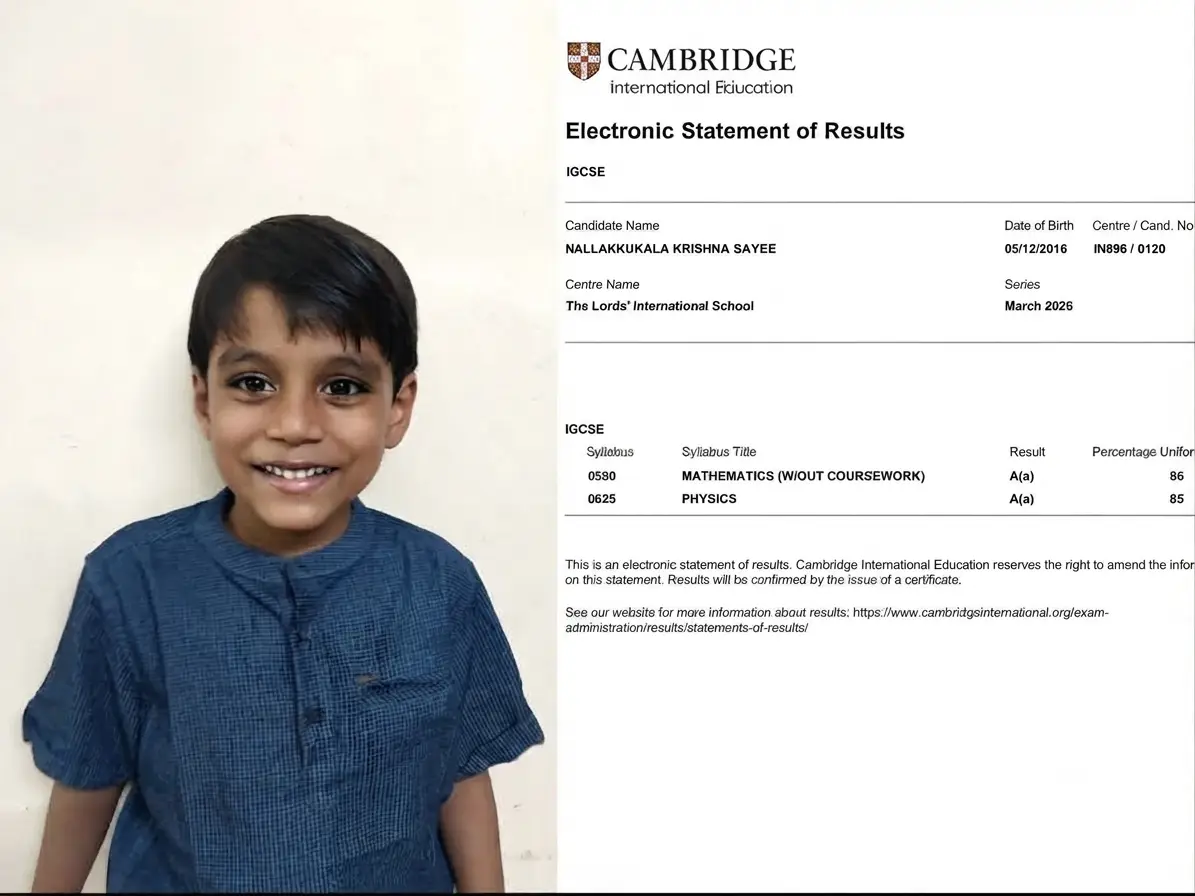)
9-year-old Chennai prodigy clears Cambridge IGCSE grade 10 exams
)
BRICS Summit: China resumes Guangzhou-New Delhi flight, issues 'good-neighbourliness' remark ahead of Xi-Modi meet
)
Satya Niketan horror: Who is responsible?
)
BRICS Summit 2026: Top world leaders in New Delhi; West Asia war casts shadow on BRICS Summit
&im=FitAndFill=(700,400))
New Friday OTT releases (September 11, 2026): The Revolutionaries, Vishwanath & Sons, Ghamasaan- 6 new titles coming on Netflix, Prime Video and more
)
Years before 9/11, CIA warned Clinton, Bush of 'explosive-packed airplane attack': What newly released files reveal
)
In first of its kind, Trump admin deports Afghan woman via Alien Terrorist Court
)
Saudi Arabia shuts East-West oil pipeline, key Hormuz bypass, after attacks
)
IND vs AFG, 1st T20I: When and where to watch live streaming in India?
)
WION Expertspeak: Understanding India's BRICS presidency amid wars, trade tensions and global turmoil
)
Satellite images show construction surge at Iran’s Pickaxe nuclear site amid US war
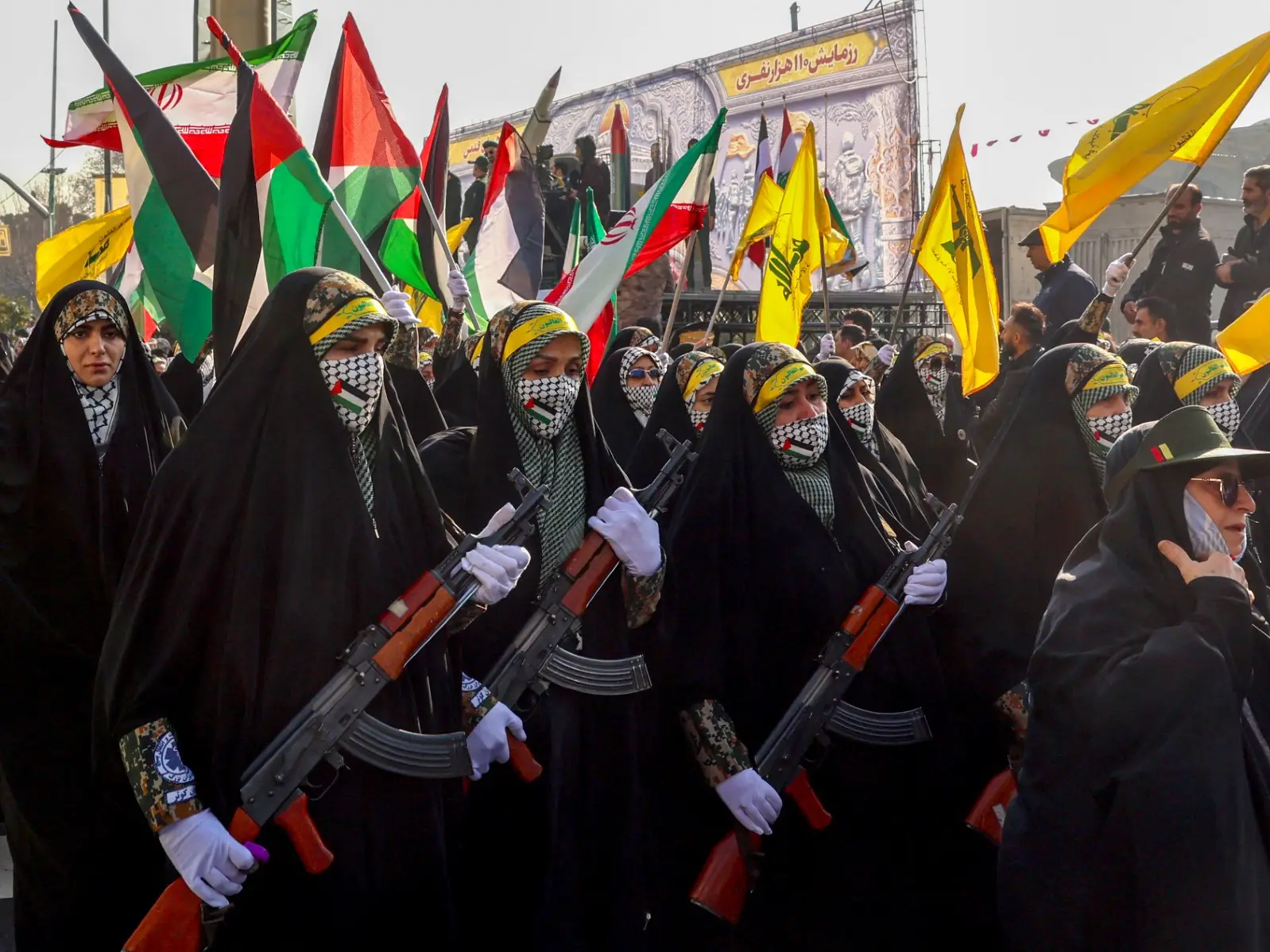)
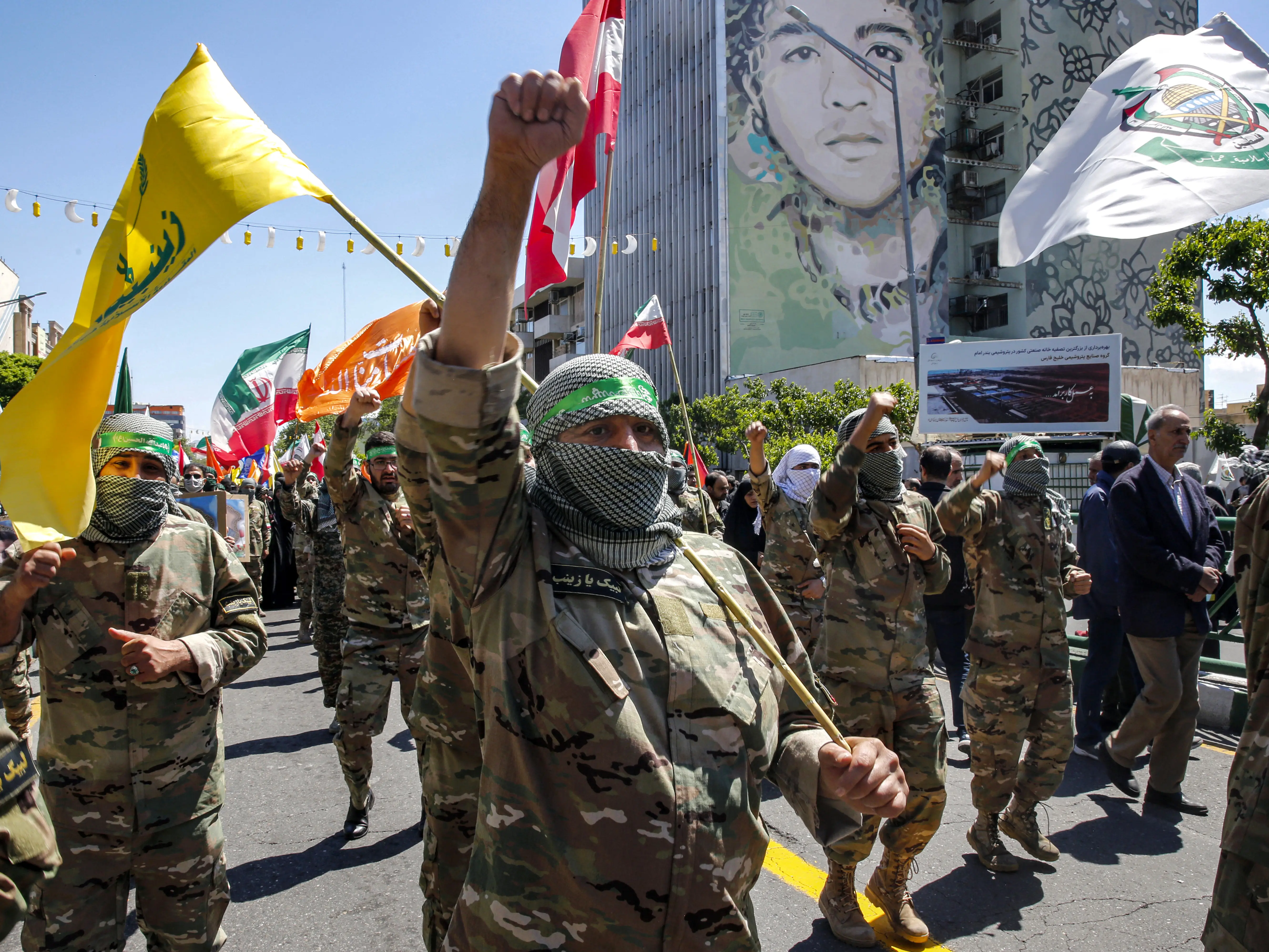
Members of Iranian Paramilitary women forces - Basij Photograph: (AFP)
Functions and Influence
According to the United States Institute of Peace, the Basij is an auxiliary force performing a wide range of duties, from internal security and law enforcement to policing morals and organising special religious or political events. The militia has its branches in nearly every city and town in Iran, giving the Supreme Leader a broad reach over society. It gained increased significance following the disputed 2009 election, when Khamenei mobilised the force to counter perceived 'domestic' threats. This growing influence has reinforced the Basij’s political and economic power, contributing to the militarisation of the Iranian regime.
Despite its authority, the Basij is not immune to challenges. Its response to past protests has sometimes been criticised, and its limited budget constrains operations. But the attacks on Basij is not something new, the force has faced similar wrath of cilivians and 'terrorist groups' in the past. Integration into the IRGC Ground Forces in 2008 further reshaped its structure, while US and international sanctions on the IRGC could weaken its capacity. Yet its centrality to Iran’s internal security apparatus remains unquestioned.
Contemporary Relevance and Regional Role
As protests continue across the country, Basij volunteers have been active in providing both security and public support. During the Israel-Iran conflict in June 2025, Revolutionary Guards Commander-in-Chief Mohammad Pakpour stated, “Basij volunteers were active in the fields of security and public support from the first day of the escalation.” In the same war, Mohammad Taghi Yousefvand, commander of intelligence protection for Basij forces, was killed during the Israeli missile strike.
In Iran’s complex power structure, the Basij remains the regime’s “eyes and ears,” a versatile tool for both domestic control and regional influence. Its deep integration with the IRGC, wide-reaching network, and ideological commitment ensure that as protests intensify, the Basij will continue to be central to the survival and projection of Iran’s clerical leadership.

