Scientists find highly radioactive nuclear particles at Chernobyl 40 years after the disaster

&imwidth=600&imheight=450&format=webp&quality=medium "Scientists find highly radioactive nuclear particles at Chernobyl 40 years after the disaster")
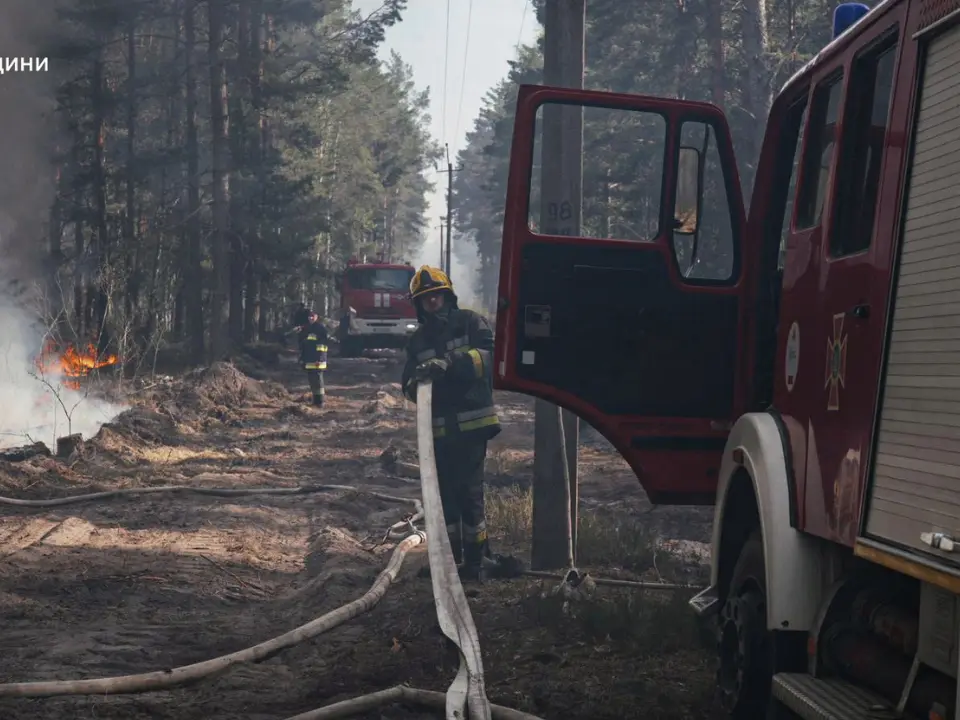
Nuclear fuel fragments at Chernobyl have not changed much in the last 40 years. Photograph: (AFP)
Chernobyl still harbours highly radioactive particles 40 years after the disaster in which a reactor exploded. Scientists have found that some particles have barely changed since then, holding onto their original fuel structure.
Nuclear fuel fragments released in the 1986 explosion at Chernobyl continue to remain highly radioactive even after four decades, new research has found. Ever since the catastrophe, experts have believed that radioactive contamination will gradually decrease at the site. However, the latest findings throw light on the lasting implications of a nuclear tragedy.
The study authors wrote that "Chernobyl fuel particles act as remarkably persistent reservoirs of fission products and actinides in the environment." They further warned that “preserved...structures in Chernobyl particles after nearly four decades indicate these particles will continue acting as persistent radioactive reservoirs for the foreseeable future.”
Radioactive “hot particles” at Chernobyl
Scientists from Leibniz University Hannover and the Helmholtz-Zentrum Dresden-Rossendorf examined the leftover radioactive "hot particles" to see how they had changed over the past 40 years. Chernobyl's Reactor 4 blew up from overheating, releasing a column with over 100 different highly radioactive "hot particles." Even though these fragments measure only about 8 to 50 micrometres across, they were found to be radioactive even today.
For the study, they analysed only six of these particles to see how they had changed. They were found to be a lot more stable than expected. Author Tobias Weissenborn explained that three classes of these particles were found. The first group is still chemically and physically very similar to the nuclear fuel uranium dioxide. The second set is "partially or fully encased in, or completely fused with, their zirconium layer." The third category was formed "when the reactor's graphite moderator caught fire and burned for ten days."
The team used X-ray diffraction experiments to study the internal structure of the radioactive fragments for the first time. This revealed that the original fuel structure in some of the particles had barely changed even after being exposed to the elements over four decades. The findings show that the world's worst nuclear disaster continues to have a major impact on the environment and will likely continue to do so for many more years.
Trending Stories
&imwidth=280&imheight=210&format=webp&quality=medium)
&imwidth=280&imheight=210&format=webp&quality=medium)
&imwidth=280&imheight=210&format=webp&quality=medium)
&imwidth=280&imheight=210&format=webp&quality=medium)
&imwidth=280&imheight=210&format=webp&quality=medium)
&im=FitAndFill=(700,400)&imwidth=280&imheight=210&format=webp&quality=medium)
&imwidth=280&imheight=210&format=webp&quality=medium)
&imwidth=280&imheight=210&format=webp&quality=medium)
&imwidth=280&imheight=210&format=webp&quality=medium)
&imwidth=280&imheight=210&format=webp&quality=medium)
&imwidth=280&imheight=210&format=webp&quality=medium)
&imwidth=280&imheight=210&format=webp&quality=medium)
&imwidth=280&imheight=210&format=webp&quality=medium)
&imwidth=280&imheight=210&format=webp&quality=medium)
&imwidth=280&imheight=210&format=webp&quality=medium)
&im=FitAndFill=(700,400)&imwidth=280&imheight=210&format=webp&quality=medium)
&imwidth=280&imheight=210&format=webp&quality=medium)
&imwidth=280&imheight=210&format=webp&quality=medium)
&imwidth=280&imheight=210&format=webp&quality=medium)
&imwidth=280&imheight=210&format=webp&quality=medium)
&imwidth=280&imheight=210&format=webp&quality=medium)
&imwidth=280&imheight=210&format=webp&quality=medium)
&imwidth=280&imheight=210&format=webp&quality=medium)
&imwidth=280&imheight=210&format=webp&quality=medium)
&imwidth=280&imheight=210&format=webp&quality=medium)
&imwidth=280&imheight=210&format=webp&quality=medium)
&imwidth=280&imheight=210&format=webp&quality=medium)
&imwidth=280&imheight=210&format=webp&quality=medium)
&im=FitAndFill=(700,400)&imwidth=280&imheight=210&format=webp&quality=medium)
&imwidth=280&imheight=210&format=webp&quality=medium)
&imwidth=280&imheight=210&format=webp&quality=medium)
&imwidth=280&imheight=210&format=webp&quality=medium)
&imwidth=280&imheight=210&format=webp&quality=medium)
&imwidth=280&imheight=210&format=webp&quality=medium)
&imwidth=280&imheight=210&format=webp&quality=medium)
The researchers admitted that they cannot make universal statements about health risks in the region. They admitted that samples from many more locations need to be studied to draw any conclusions about the stability of Chernobyl particles.

