Earth witnesses its third shortest day in a month as experts warn a catastrophe could be unfolding

&imwidth=600&imheight=450&format=webp&quality=medium "Earth witnesses its third shortest day in a month as experts warn a catastrophe could be unfolding")
Earth is having another short day and this could trigger a chain reaction that doesn't augur well for humans.
Earth will witness another shorter day on August 5 after having two such days in the past month. Human beings can't do anything about it, but they could be on the receiving end of a catastrophe if the planet keeps speeding up in the near future.
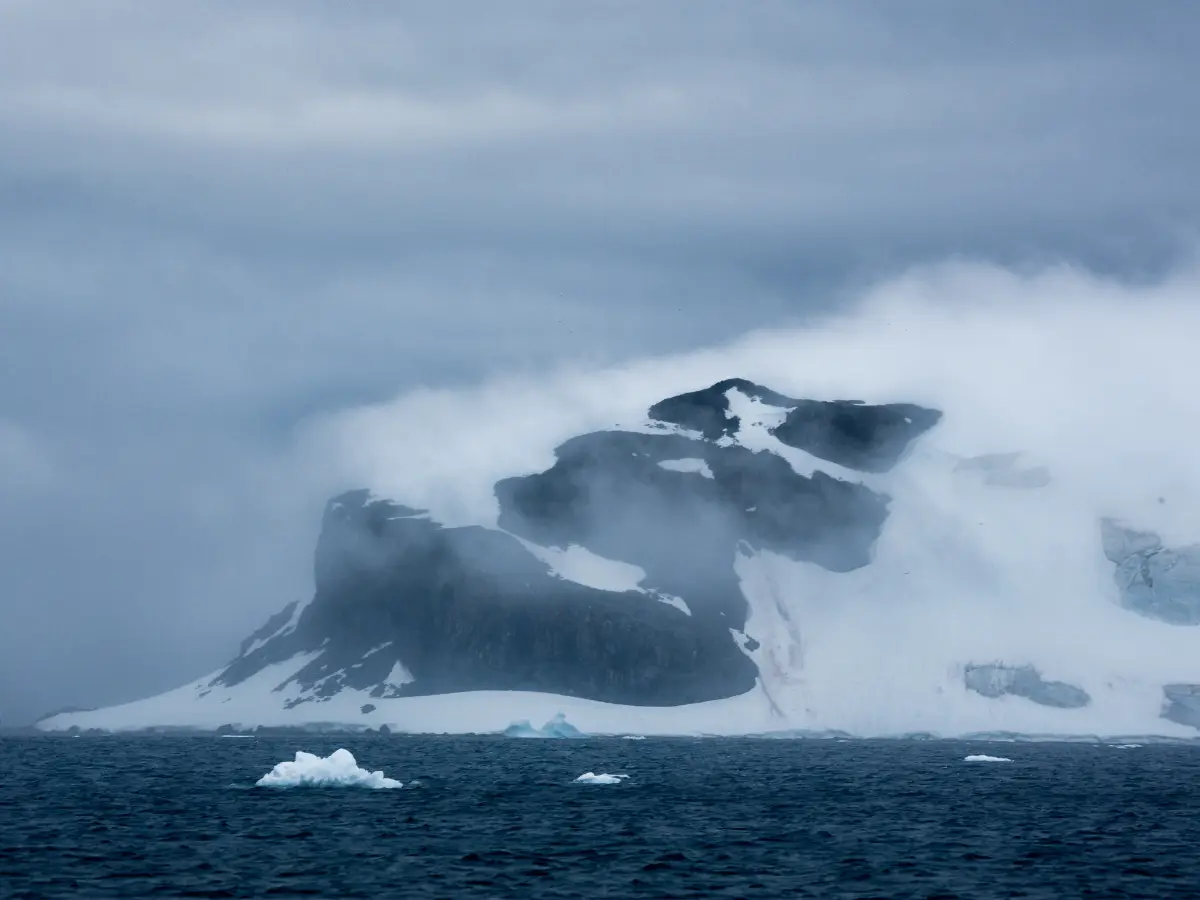
Earthlings will witness one of the shortest days, yet again, on August 5. This is because the planet is rotating faster than ever. We have already witnessed two such days in the recent past - on July 9 and July 22. According to the International Earth Rotation and Reference Systems Service (IERS), the moon will be at its furthest from the equator. Its gravitational pull is causing Earth to speed up at its poles, reducing 1.25 milliseconds from 24 hours. This twist in the spin will also force the world timekeepers to subtract a leap second for the first time ever in 2029. Clocks will skip a second, called a “negative leap second”. There is no one reason for the faster rotation of Earth. The Moon's distance from the equator is one of them. The way the molten core acts up inside Earth, and the seasonal changes in the atmosphere, also affect this movement. Climate change is another, which causes ice to melt at the poles, triggering a change in the shape of the planet. Right now, the Moon is believed to be the main culprit for the speeding up. It moves in an elliptical orbit around Earth, so sometimes it goes farther from us. However, something else is also happening out there. The Moon is slowly moving away from Earth, a process known as lunar recession. Gradually, it is receding at a rate of about 1.5 inches per year. What would happen if this process continues to occur? Would Earth spin out of control one day? Or would it slow down? Also Read: 425 volcanoes, two years: Ring of Fire can become a string of fire and lava very soon
Also Read: Curse of 2020? Time will change in 2029 because of mysterious factors
What would happen if Earth keeps rotating faster and faster?
Experts have warned that if Earth keeps rotating faster and faster, it would spell doom for our planet. This could create a catastrophic scenario globally. The centrifugal force would push out water from the poles towards the equator, flooding the region. Sea level rise is already a major scare in several coastal areas of the world. This situation would exacerbate the scene, making matters worse. Even a tiny change of one mile per hour could cause sea levels to increase by several inches in equatorial regions. Most low-lying areas would be inundated if this happened. Theoretically, if it were to speed up by 100 miles per hour, enormous amounts of water from the poles would rush towards the centre, and submerge countries, washing them off the map. Also Read: Between Japan and Alaska, a dark alien world at 31,000 feet has stunned scientists. Here's why
How a faster Earth affects humans
Those areas that do not go under water would have to face the brunt of the shift in the planet's balance. The days would become shorter, and the basic workings of the planet would change. The ecology would not remain the same, crops will suffer, and everything will go topsy-turvy. One day could change to just 22 hours, changing how our body clock works. Scientists say that such changes can lead to health issues. Studies have noted that something like daylight saving time, where clocks are reset twice a year, has been linked to spikes in heart attacks and strokes. The weather patterns would also go all crazy. NASA astronomer Dr Sten Odenwald warns that a faster spinning planet would lead to the Coriolis effect, when storms rotate and intensify. Hurricanes will reach unprecedented speeds, making storms more devastating.
Trending Stories
)
)
)
)
)
&im=FitAndFill=(700,400))
)
)
&im=FitAndFill=(700,400))
)
)
)
)
)
)
)
)
)
)
)
)
)
)
)
)
)
)
)
)
)
)
&im=FitAndFill=(700,400))
&im=FitAndFill=(700,400))
)
&im=FitAndFill=(700,400))
)
)
)
)
)

