
&imwidth=800&imheight=600&format=webp&quality=medium "Declassified: This Israeli fighter jet shot down 3 enemy jets without firing a single bullet! Here's how")
In 1982, during the Lebanon War, Israeli fighter pilots executed a rare and tactically brilliant feat: downing three Syrian MiG-21s without firing a single missile or cannon round. This was not a malfunction or hesitation, it was intentional electronic warfare, carried out using one of the most advanced combat strategies of its time.
The aircraft involved was the Israeli Air Force’s F-15 Baz, a heavily modified version of the American F-15 Eagle. Unlike standard intercept missions, these F-15s were equipped with advanced electronic countermeasure (ECM) pods, radar jamming systems, and support from ground-based surveillance. The objective: confuse and mislead the enemy long enough to make them lose control of the engagement.
According to declassified IDF accounts and confirmed by former pilots, the F-15 squadron locked onto three Syrian MiG-21s over the Bekaa Valley. However, instead of launching weapons, the Israeli jets deployed high-power jamming that blinded the MiGs’ radars and disrupted communication with Syrian ground control.

Faced with an invisible enemy and unreliable instruments, the Syrian pilots panicked. One jet reportedly flew into the path of another during a turn, causing both to crash. The third MiG spiralled out of control during an evasive manoeuvre and crashed into the hills of southern Lebanon. The Israeli jets returned to base unharmed, without having used a single weapon.
This incident was part of a larger Israeli strategy at the time, integrating electronic warfare with air superiority to control the airspace without traditional dogfights. Israel’s air force, known for its precision and training, began investing in methods that focused on disabling the enemy's situational awareness rather than direct fire.
Though not widely publicised for years, this operation highlighted a shift in modern aerial warfare, where dominance could be achieved not by firepower, but by technological suppression.
Trending Stories
)
Trump says Russia has ‘lost control’ of its diesel industry, calls for end to ‘ridiculous, never-ending’ war
)
Asian Games: Indian women's hockey team thrash Indonesia 17-1, blasts 36 goals in 2 matches
)
Putin's United Russia party wins 355 seats in Duma election; 4 other parties cross threshold to enter parliament
)
AI kill switch explained: Why shutting down a dangerous AI may not be as simple as pressing a button
)
Delhi Air pollution: Strict crackdown on waste burning
)
SNL UK takes aim at Ed Sheeran with AI Princess Diana sketch
)
‘0% chance’: Nvidia CEO Jensen Huang dismisses AI extinction fears by 2030
)
Samay Raina-Mukesh Chhabra controversy explained: What happened over girlfriend joke on India's Got Latent?
)
Four decades after leaving Kolkata, the Birlas may be coming back for more
)
Apple reportedly building AI server with M8 Ultra chips, may use Nvidia technology
)
Glitch in the matrix caught on camera: Woman vanishes after talking to reporter
)
IIT Bombay tensions ease after three-hour open house; director’s assurances pacify students
)
Samsung raises Galaxy S26 prices by Rs 20,000: Here’s what each model now costs
)
J&K Assembly Session begins amid chaos: BJP, ruling alliance clash as statehood demand dominates
)
Bessent meets China’s He Lifeng to prepare for Trump-Xi summit
)
US and China vie for AI dominance as calls grow for regulation | Gravitas
)
Four Hands, Two Sonatas ep (5-8) review: Song Kang Lee, Jun Young elevate the emotional stakes after a tragic turn
)
The Verdict | The Mecca Agreement is under scrutiny as Houthis attack Saudis
)
Who was Sheikh Ahmed bin Rashid Al Maktoum? From Dubai Royal family to police, sports and racing
)
Saudi Arabia exits China-led mBridge digital currency platform amid Saudi-Houthi conflict
)
Maharashtra TET paper leak: Chargesheet reveals papers smuggled in shoe insoles for Rs 8,000
)
'Lot of things to learn from experienced players': Jayasuriya backs Rohit, Virat for 2027 ODI World Cup
)
Taylor Swift has a 'proud wife' moment as Travis Kelce scores first touchdown of season: 'That’s my husband!'
)
Chancellor Friedrich Merz vows to stay on as exit polls signal major poll setback
)
Mahabharat actor Saurav Gurjar arrested in Hyderabad, sent to 14-day judicial custody in sexual exploitation case
&im=FitAndFill=(700,400))
New OTT releases this week (September 21-27, 2026): Shaque: Trust No One, Hunkkaar, Don’t Be Shy- 5 new titles coming to Netflix, Prime Video and more
)
WATCH | Mysterious lights over Tehran caught on video. Drone, aircraft or something else?
)
What is Yom Kippur and why is it celebrated? All you need to know about the Jewish Day of Atonement
)
Iranian airlines to shut worldwide on Sept 23, Bessent warns of US banking ban
)
White House TV pool halts Trump coverage after CNN barred from UNGA events
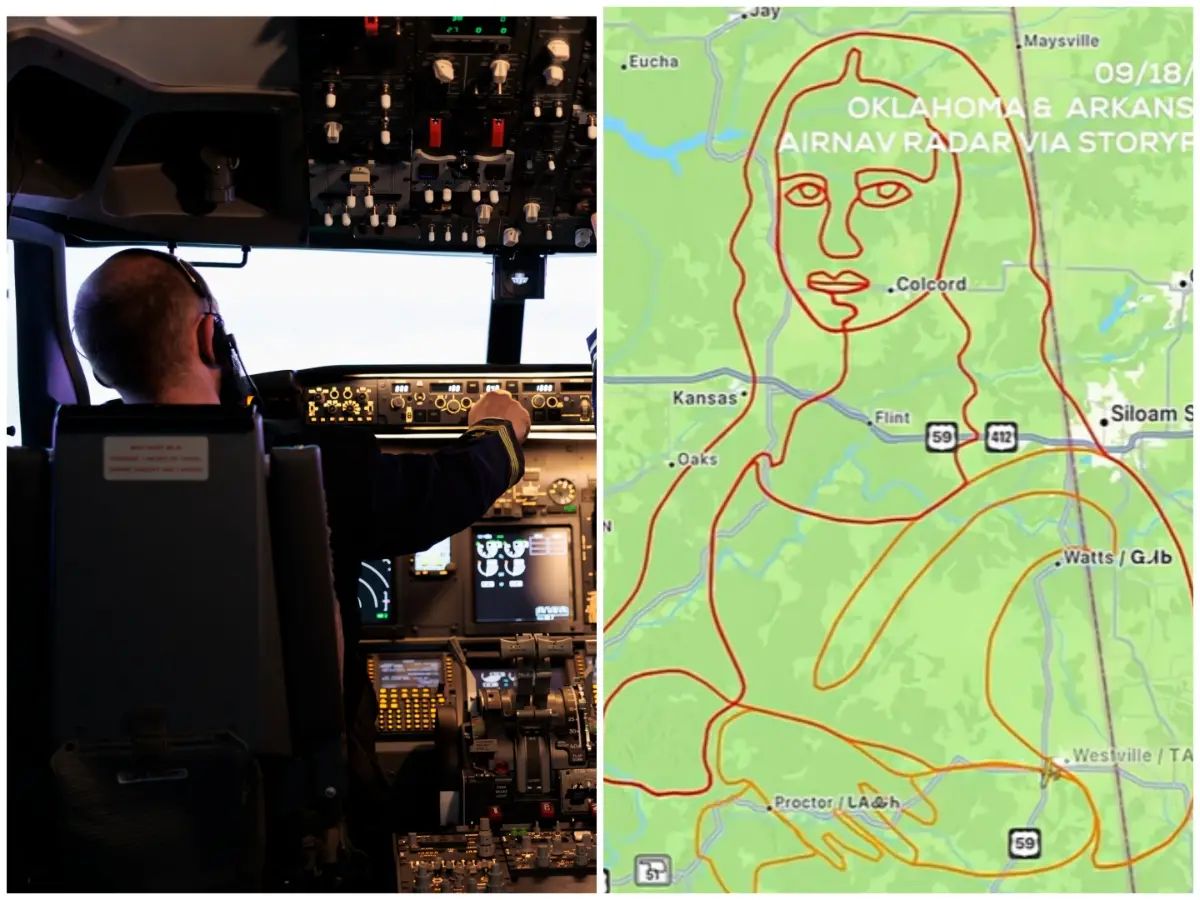)
Pilot recreates Mona Lisa in sky over Oklahoma and Arkansas in four-hour flight: VIDEO
)
Fitna Al-Khawarij: Decoding biggest security threat to Pakistan | Gravitas
)
Jailer 2: Vidya Balan joins Rajinikanth's upcoming film as Kantha | Watch
)
Microsoft executive called AI training the ‘largest theft of labour in human history’
)
40-foot waves crash into cruise ship in dangerous stretch near Antarctica. Watch
)
BTS fans mock iHeartRadio’s day 2 turnout after short set controversy
)
Explainer: Why rare-earth export licences and Board of Trade are US priorities ahead of Trump-Xi summit
)
The Scandal, why so scandalous? Ji Chang Wook leaves you gasping for air
Today, such tactics are part of standard doctrine in many air forces, especially with the advent of 5th-generation fighters like the F-35. But in the early 1980s, the concept of “kills without firing” was still revolutionary.
The 1982 engagement remains one of the earliest and most successful examples of how battlefield outcomes can be decided by systems and psychology, not just by speed or firepower.
