Sri Lanka fears up to $1.5 billion tourism losses due to attack

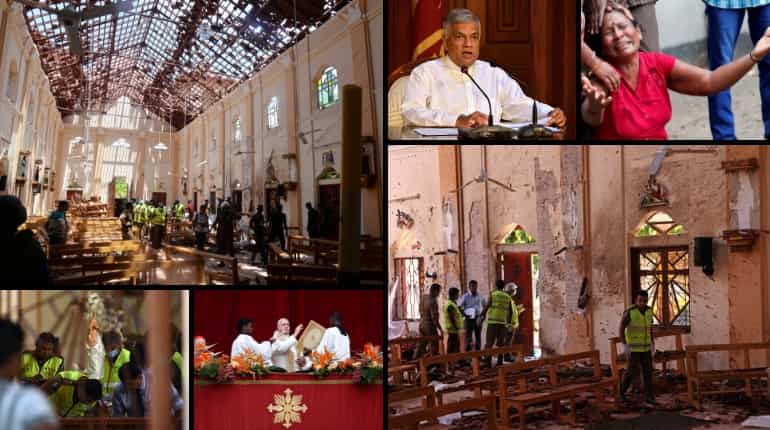
Sri Lanka's Bomb Blast
Following the deadly attacks in Sri Lanka that claimed the lives of around 250 people, the country's finance minister on Friday feared a decline in its tourism.
Finance minister Mangala Samaraweera said on Friday that the country fears its lucrative tourism industry could decline by up to 30 per cent and incur losses of $1.5 billion this year.
"Tourism will be the worst affected. We expect a 30 per cent drop in arrivals and that means a loss of about $1.5 billion in foreign exchange", Samaraweera told reporters.

Samaraweera said the country could take up to two years to fully recover from Sunday's attacks, which devastated three luxury hotels and three Christian churches and killed 253 people killed, among them many foreigners.
"Typically, countries that suffer isolated IS-style attacks see tourism recovering within one-to-two years, as long as root causes are addressed and security measures taken are well communicated," the minister said.
)
Did India risk its US trade deal despite softer stance at BRICS?
)
Pakistan puts Pak Rs 70 lakh bounty on UN terrorist Masood Azhar; move draws skepticism in Delhi
)
First naval drone battle? Ukraine says Sargan 3000 sank Russian unmanned boat
)
Practical Magic 2 breaks Spidey spell over North American box office
)
'Huge destructive power': North Korea calls its latest missile launches 'live-fire drill' even as US dismisses 'immediate threat'
)
‘Let’s go’: Newly declassified videos show dramatic rescue of US Air Force officers downed in Iran
)
Delhi’s balancing act: BRICS serves as a stage for West Asia diplomacy
&im=FitAndFill=(700,400))
Why European Meteor missiles use ramjet engines compared to standard US solid rockets
)
‘India did extremely well’: South African President Cyril Ramaphosa praises BRICS leadership
)
Iran, India agree to deepen humanitarian and political ties, President Pezeshkian says
)
‘Want to reset ties with India, have engagement based on mutual interests,’ says Bangladesh minister
)
Trump says Canada eager to reach a deal, it could come ‘fairly soon’ if Ottawa treats US farmers better
)
Turkish Airlines plane flies through a storm three times, triggering severe turbulence
&im=FitAndFill=(700,400))
Why Chinese PL-15 air-to-air missiles use dual-pulse motors compared to European interceptors
)
China thinned Himalayan troop presence in 2025, India defence report says; terms border situation 'stable'
)
800 million years old - Scientists discover 'fingerprints' of supercontinent Gondwana in ancient rocks
)
Russia proposes to build 360 kmph Ivolga FG trains in India: What happened on sidelines of BRICS
)
Israeli minister calls to strip Gaza film directors of citizenship
)
China discovers vast gold and silver 'mine' in the Pacific with unheard-of deposits
)
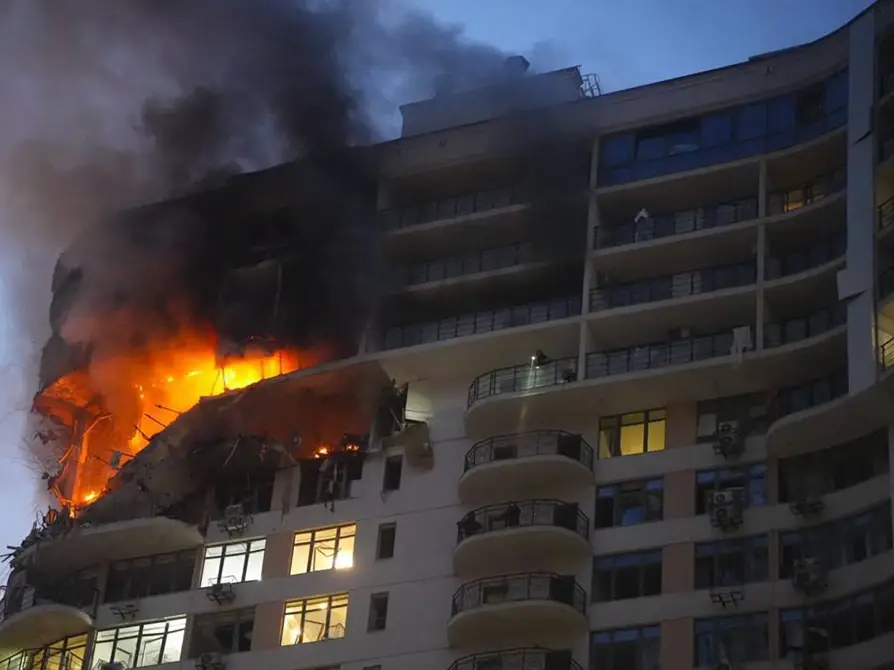
Russian drone hits Warsaw-bound train near Polish border, Zelensky accuses Moscow of ‘deliberate’ targeting
)
War is making Russia stronger? How Ukraine is shaping Moscow’s next generation of weapons
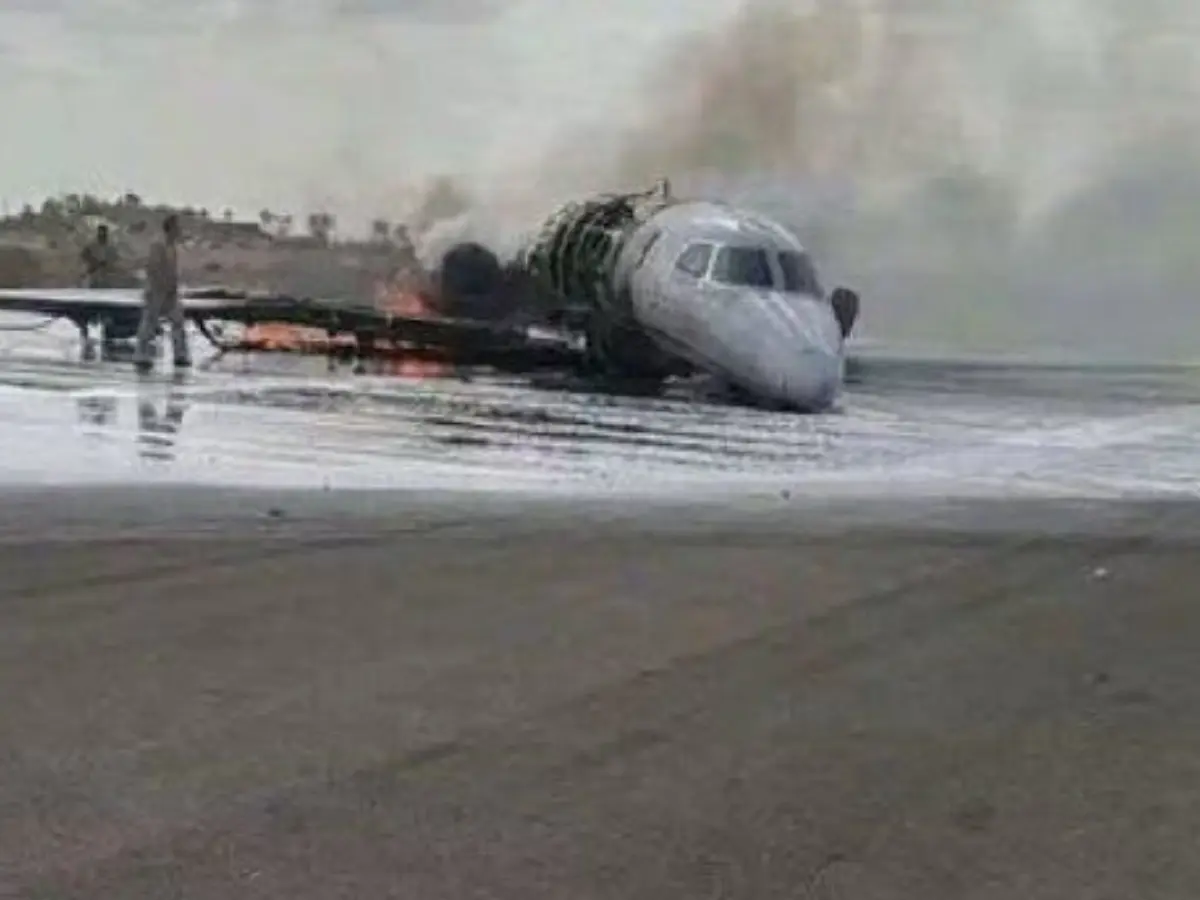)
Plane carrying prominent figure crashes at Libya’s Misrata airport: Report
)
NEET-UG to move to computer-based test soon, NTA DG says ‘CBT is the future’
)
Woman removes all her clothes on American Airlines flight, performs 'indecent acts'; arrested
)
Liam Neeson sparks romance rumours after holding hands with Stella Stocker at TIFF 2026
&im=FitAndFill=(700,400))
New OTT releases this week (September 14-20, 2026): Lust Stories 3, Waiting Hai, Irumudi- 5 new titles coming on Netflix, Prime Video and more
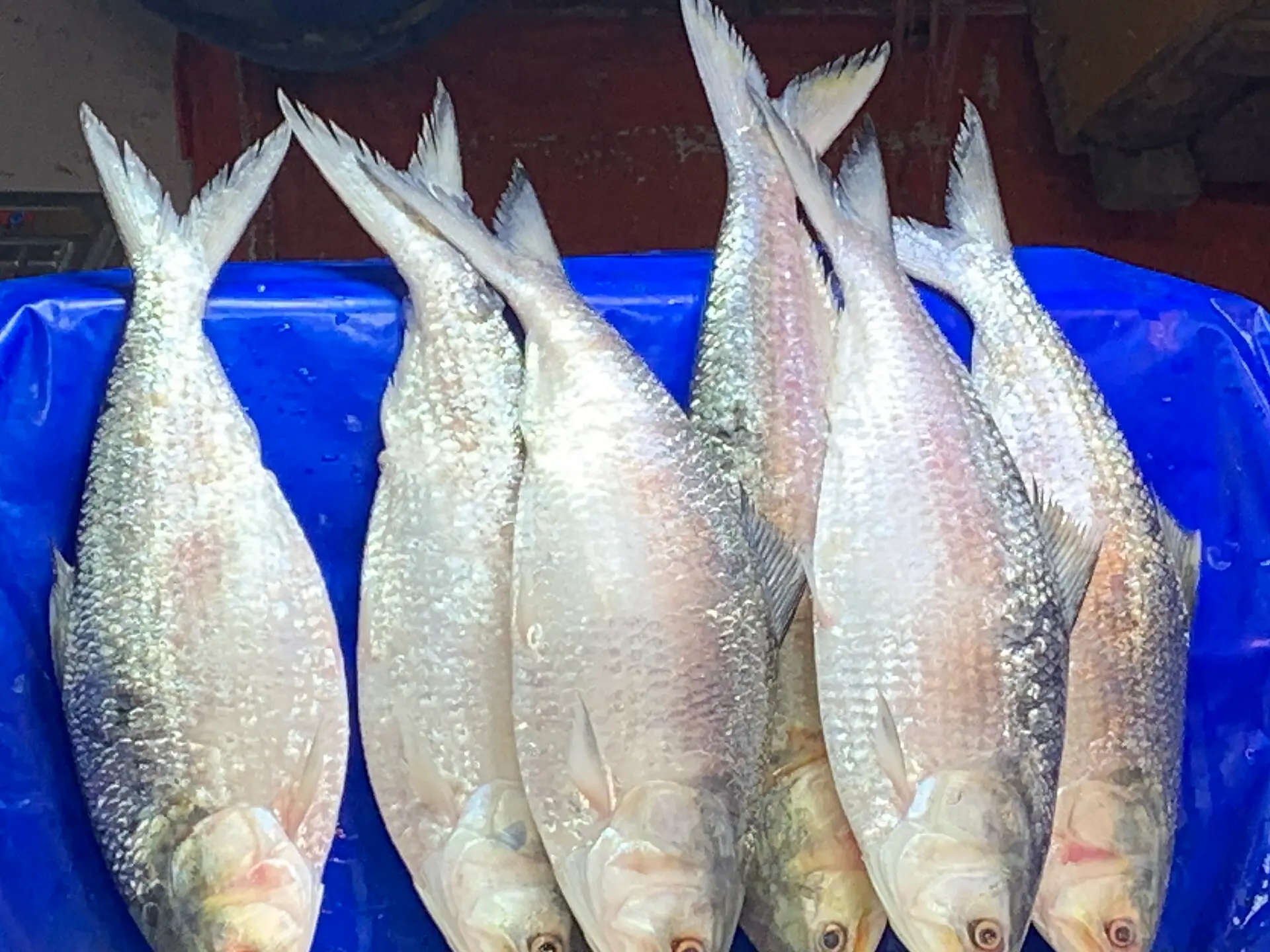)
Indian importers urge Bangladesh to lift export ban on 'Hilsa' fish ahead of Durga Puja
)
Video of Pakistani lawmaker struggling to read English tribute to Jinnah goes viral - WATCH
)
Did China give Iran intel before US base strike that killed 3 troops? Trump says, 'You’re right...'
)
Meghan Markle shares first glimpse of family life with Prince Harry and children in UK
)
Crude oil prices jump more than $107 per barrel following Houthi attacks on Saudi
)
PM Modi and China's Xi offered to help resolve Russia-Ukraine war: Kremlin
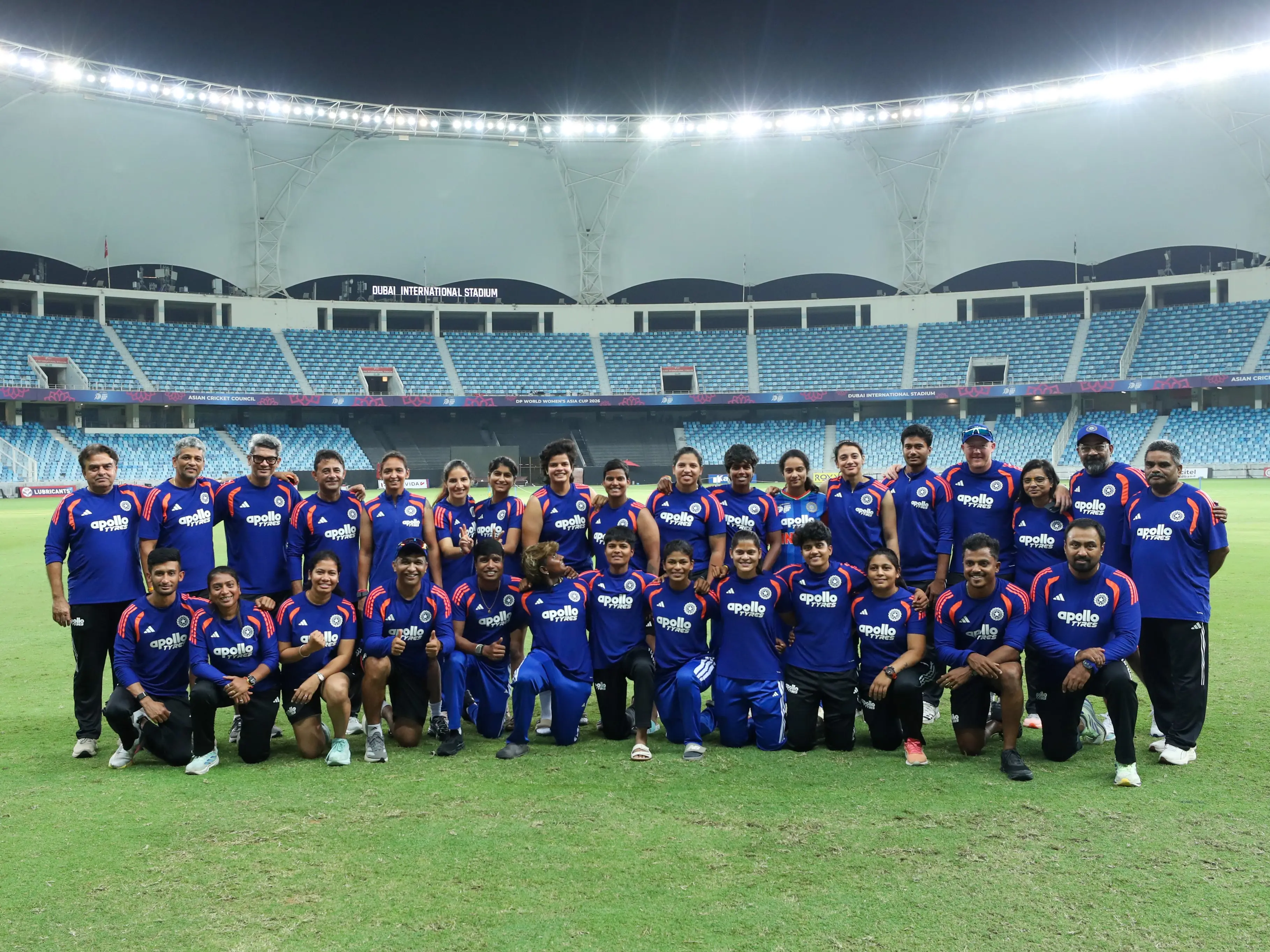)
Women's Asia Cup 2026: India denied trophy once again despite winning the title
)
Humans may lose control of AI: Anthropic CEO calls for slowdown, Altman, Musk back him
He pointed to Belgium, France, Spain and Tunisia as countries which recovered their tourism markets within a short time.
Samaraweera said tourism was emerging as Sri Lanka's success story when Sunday's blast shattered hopes of reaching a revenue of $5.0 billion, up from last year's $4.4 billion.
He said he was hoping to unveil a package of concessions to help the tourism sector overcomethe impact of the suicide bombings.
Most of the deluxe hotels in Colombo have stepped up security and curtailed bookings amid fears of more attacks.
Sri Lankan authorities on Thursday revised the toll from Easter bombings down to 253, from the previous figure of 359, explaining that some of the badly mutilated bodies had been double-counted.
Sri Lankan authorities have taken 76 people in custody in connection to their role in the attacks.
The authorities have released photographs of six suspects, including three women, wanted for their involvement in the deadly Easter attacks.
Police on Thursday released the names and pictures of the suspects and sought information regarding them from the public.
Nine suicide bombers, believed to be the members of a local terror group called National Thowheed Jamath (NTJ), carried out a series of devastating blasts that tore through three churches and three luxury hotels on Easter Sunday.
(With inputs from agencies)