&imwidth=800&imheight=600&format=webp&quality=medium "Japanese scientists developed eco-friendly plastic that dissolves in water, offering hope against global pollution")
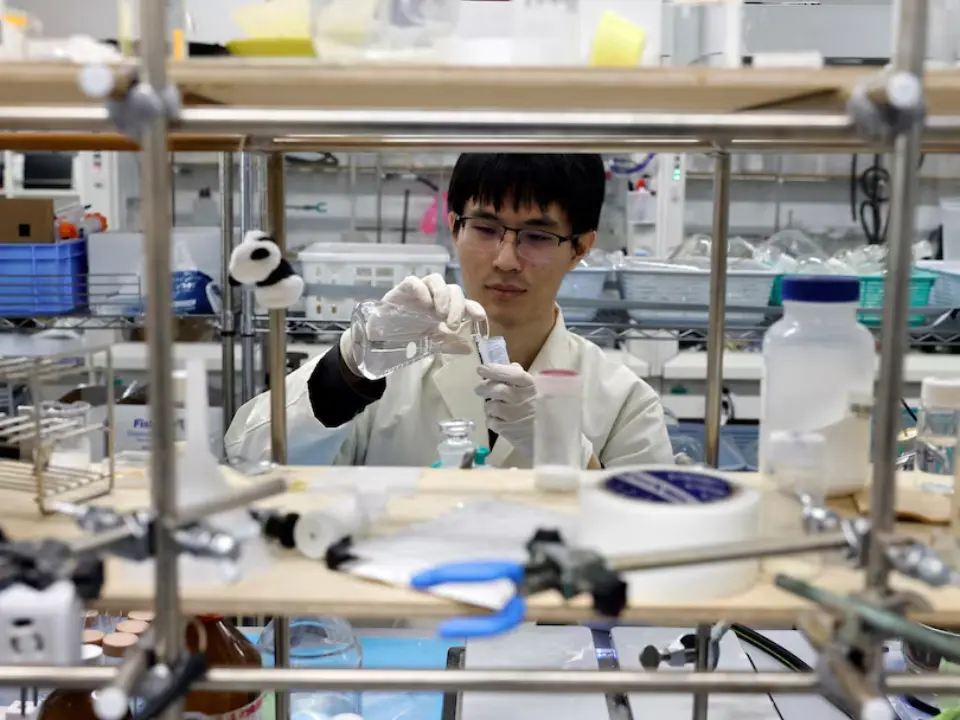
Japanese scientists developed a new plastic that dissolves in seawater within hours, an eco-friendly alternative to traditional plastic. A team of researchers from Japan has developed a new type of plastic that could help tackle the growing problem of ocean pollution. Scientists from the RIKEN Centre for Emergent Matter Science and the University of Tokyo have created a plastic material that dissolves in seawater within a few hours and leaves behind no harmful particles.
Unlike traditional plastic, which can take hundreds of years to break down, this new material breaks down into its basic components when exposed to salt. These components are then processed by bacteria in water, producing no microplastic or nanoplastic waste.
How the new plastic works

The researchers demonstrated the plastic’s behaviour in a lab in Wako City, near Tokyo. In the experiment, the material was placed in salt water and dissolved in around one hour. The same process would take about 200 hours if buried in salty soil.
The material is also reported to be non-toxic, fire-resistant, and does not release carbon dioxide during breakdown. Although it is not yet ready for commercial use, scientists are working on a coating method that could make the plastic suitable for everyday packaging.
Project leader Takuzo Aida mentioned that the new material has already gained interest from companies in the packaging sector due to its environmental potential.
Trending Stories
)
Did India risk its US trade deal despite softer stance at BRICS?
&im=FitAndFill=(700,400))
How 2nm technology improves iPhone performance
&im=FitAndFill=(700,400))
Shahid Kapoor to Rajkummar Rao: Actors who rule both theatres and OTT
)
First naval drone battle? Ukraine says Sargan 3000 sank Russian unmanned boat
)
BRICS Summit 2026: Trump wants to weaken BRICS, but maybe doing the opposite
&im=FitAndFill=(700,400))
Meet top 5 batters fastest to 3000 runs in T20Is
)
Did BRICS Summit 2026 prove that an 11-member bloc with India and China in it can still agree on key issues?
)
Top 5 places to visit in Goa beyond its famous beaches
)
Delhi’s balancing act: BRICS serves as a stage for West Asia diplomacy
&im=FitAndFill=(700,400))
Why European Meteor missiles use ramjet engines compared to standard US solid rockets
)
'He is popular...': Malaysian PM Anwar Ibrahim's praise for PM Modi during bilateral meeting | WATCH
)
Iran, India agree to deepen humanitarian and political ties, President Pezeshkian says
)
‘Want to reset ties with India, have engagement based on mutual interests,’ says Bangladesh minister
)
BRICS Summit 2026: PM Modi, Xi reach key consensus on ties, China to assume BRICS chairmanship in 2027
)
UK breakup on the cards? Scotland, Wales and Northern Ireland push for independence
)
Russia-Ukraine-US talks in October? Kremlin says not ruling out possibility of trilateral
)
Trump says Canada eager to reach a deal, it could come ‘fairly soon’ if Ottawa treats US farmers better
)
The Verdict | Africa is too big to remain a guest at the BRICS table
)
‘Partners, not rivals’: Xi outlines four point plan for stronger India-China ties
&im=FitAndFill=(700,400))
Why Chinese PL-15 air-to-air missiles use dual-pulse motors compared to European interceptors
)
NATO under Russian threat? Drone strikes just 2 km from Poland, narrow escape for former UK PM, CIA chief
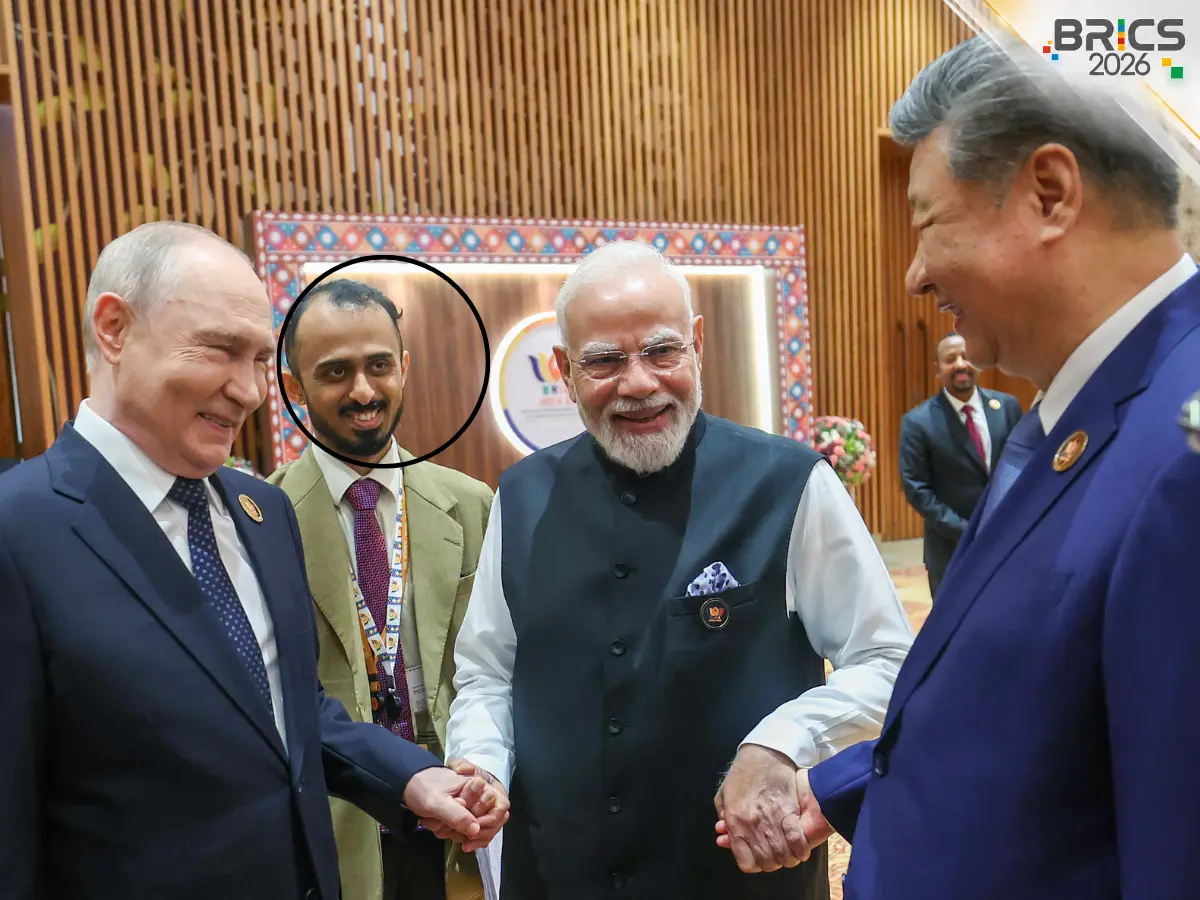)
Who is the smiling man beside Modi, Putin and Xi at BRICS Summit 2026?
)
BRICS Summit: New Delhi declaration adopted with full consensus, big diplomatic win for India
)
800 million years old - Scientists discover 'fingerprints' of supercontinent Gondwana in ancient rocks
)
Russian drone hits Warsaw-bound train near Polish border, Zelensky accuses Moscow of ‘deliberate’ targeting
)
War is making Russia stronger? How Ukraine is shaping Moscow’s next generation of weapons
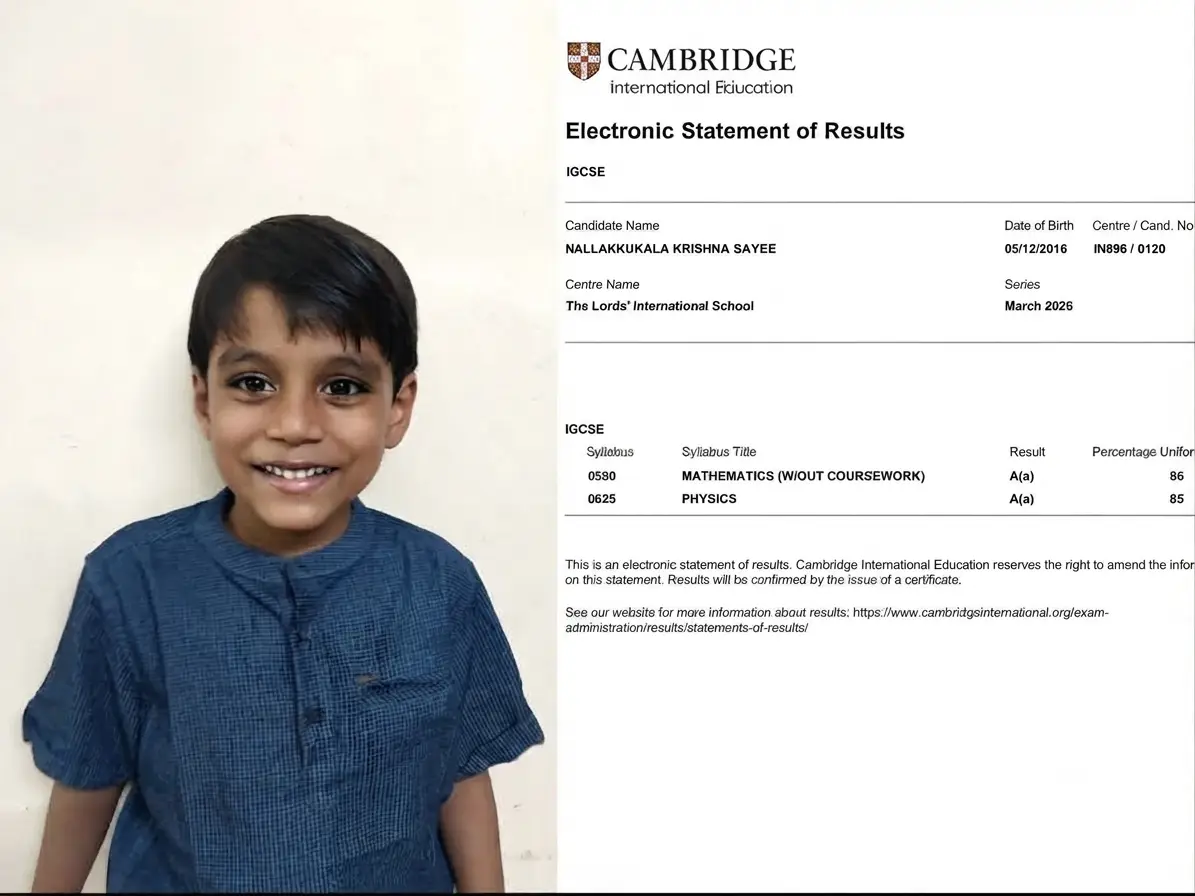)
9-year-old Chennai prodigy clears Cambridge IGCSE grade 10 exams
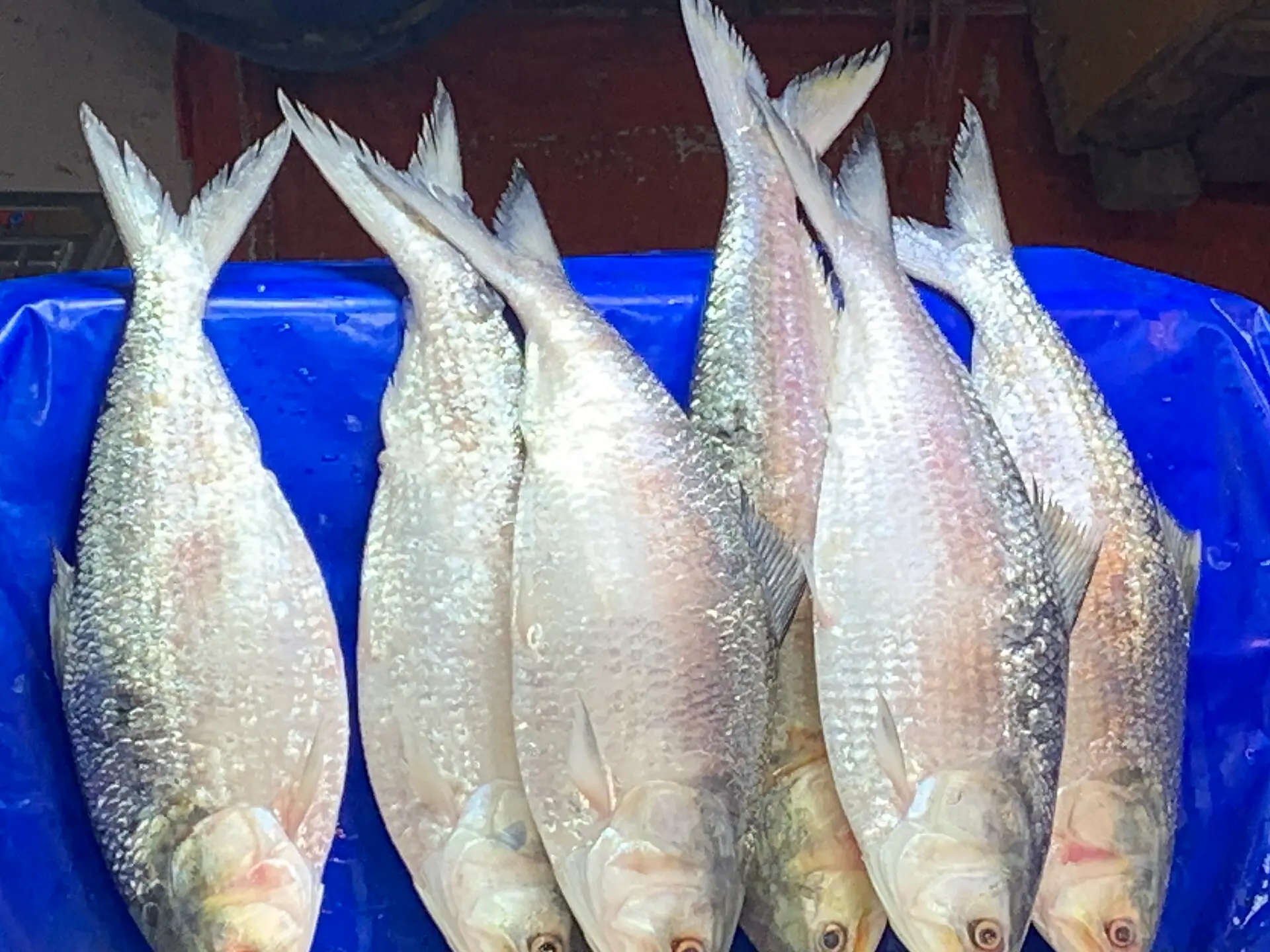)
Indian importers urge Bangladesh to lift export ban on 'Hilsa' fish ahead of Durga Puja
)
Humans may lose control of AI: Anthropic CEO calls for slowdown, Altman, Musk back him
)
US diplomat accused of possessing child abuse images secretly flown out of UK by US Marines
)
BRICS Summit 2026: Modi-Xi moment highlights India-China thaw at BRICS
&im=FitAndFill=(700,400))
From Rinku Singh to Mayank Yadav, 5 players dropped from India’s squad for Afghanistan T20Is
)
PM Modi and China's Xi offered to help resolve Russia-Ukraine war: Kremlin
)
Akram, Afridi, Mushtaq tear into PCB after Pakistan’s Test series collapse in UK
Global plastic waste concerns
According to the United Nations Environment Programme (UNEP), plastic waste in oceans is expected to triple by 2040, reaching between 23 and 37 million tonnes annually. This growing concern has pushed researchers to find sustainable alternatives.
In 2023, a study published in the British journal Nature found that India contributes to about one-fifth of global plastic pollution. The country burns 5.8 million tonnes of plastic and releases another 2.5 million tonnes into the environment each year.
This new plastic innovation can offer hope in reducing the environmental impact, especially in countries that are struggling with plastic waste management.