The Verdict | When precision fails: US commits war crime in Minab school strike, UN finds

&imwidth=600&imheight=450&format=webp&quality=medium "The Verdict | When precision fails: US commits war crime in Minab school strike, UN finds")
Representational image. Photograph: (WION Web Desk)
A new report by the United Nations has revealed that investigators found "reasonable grounds to believe the United States committed the war crime of launching indiscriminate attacks resulting in the loss of life or injury to civilians".
What does the world expect from the most powerful military on earth? Precision. Intelligence. Accuracy. And above all, responsibility. But in Minab, the United States military ended up killing more than 120 Iranian schoolchildren.
A new report by the United Nations has revealed that investigators found "reasonable grounds to believe the United States committed the war crime of launching indiscriminate attacks resulting in the loss of life or injury to civilians".
These were children. Children who went to school that morning expecting lessons, laughter and a great time with friends. All they got was missiles.
Collateral damage is a word that is used loosely in wars. But its impact is perhaps the heaviest.
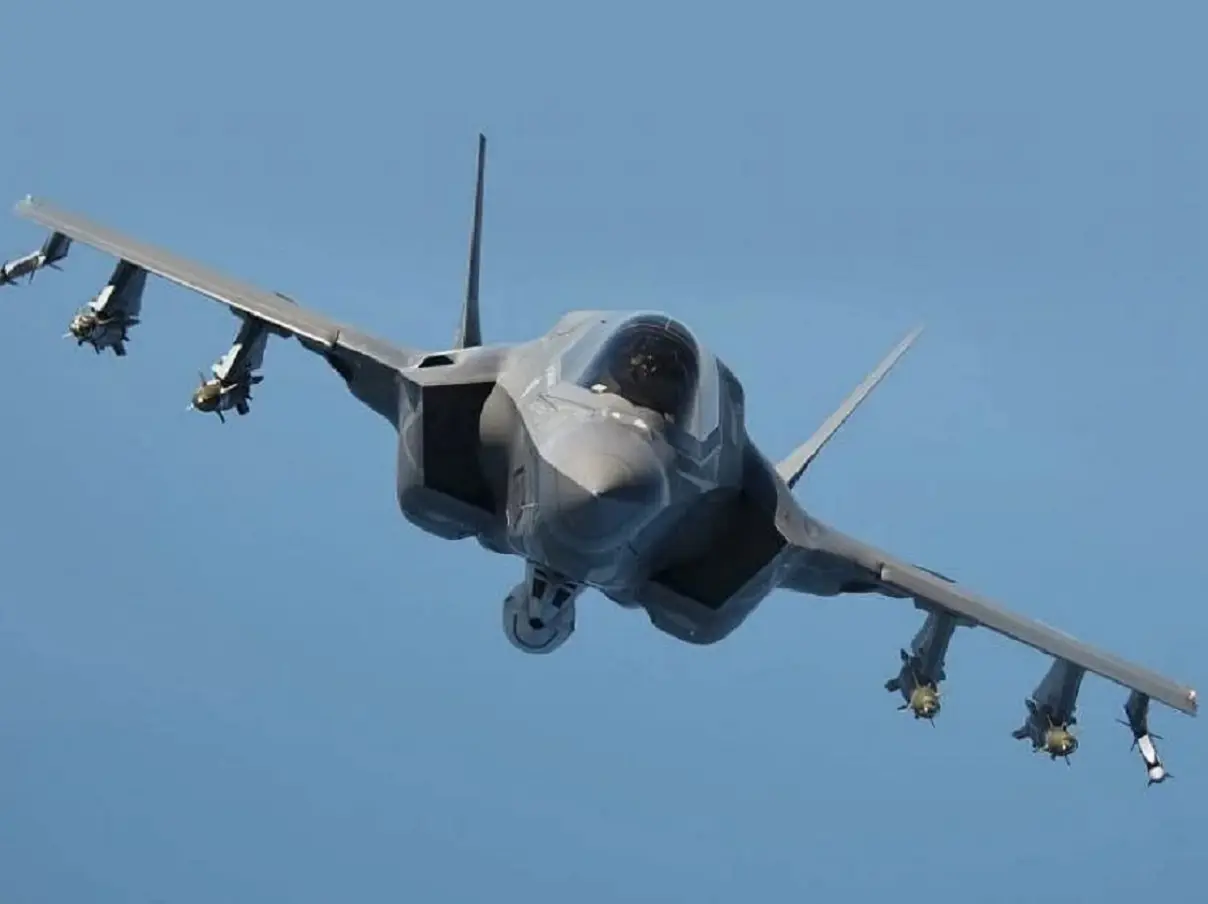
The tragedy becomes even harder to reconcile with when the weapon involved is part of one of the world's most sophisticated military arsenals.
The UN investigation said the school was visibly identifiable as a civilian facility and found failures in verifying the target.
Trending Stories
)
)
)
)
)
&im=FitAndFill=(700,400))
)
)
&im=FitAndFill=(700,400))
)
)
)
)
)
)
&im=FitAndFill=(700,400))
)
)
)
)
)
)
)
)
)
)
)
&im=FitAndFill=(700,400))
)
)
)
)
&im=FitAndFill=(700,400))
)
)
&im=FitAndFill=(700,400))
)
)
)
)
President Donald Trump and Secretary of War Pete Hegseth continue to not fully accept this blunder. No amount of money or power can calculate the value of a child who never gets to grow up.
America can boast about military supremacy. It can showcase its missiles, satellites and targeting systems. But it cannot bring back those little school girls.
Wars are often announced by leaders and military generals, but they are paid for by ordinary people. And therefore, there can be no "acceptable collateral damage." When war loses sight of the human being behind the target, precision is nothing more than a word in the dictionary, and power deserves no respect.
