What's next in parliament after Education Minister Dharmendra Pradhan's resignation

&imwidth=600&imheight=450&format=webp&quality=medium "What's next in parliament after Education Minister Dharmendra Pradhan's resignation")
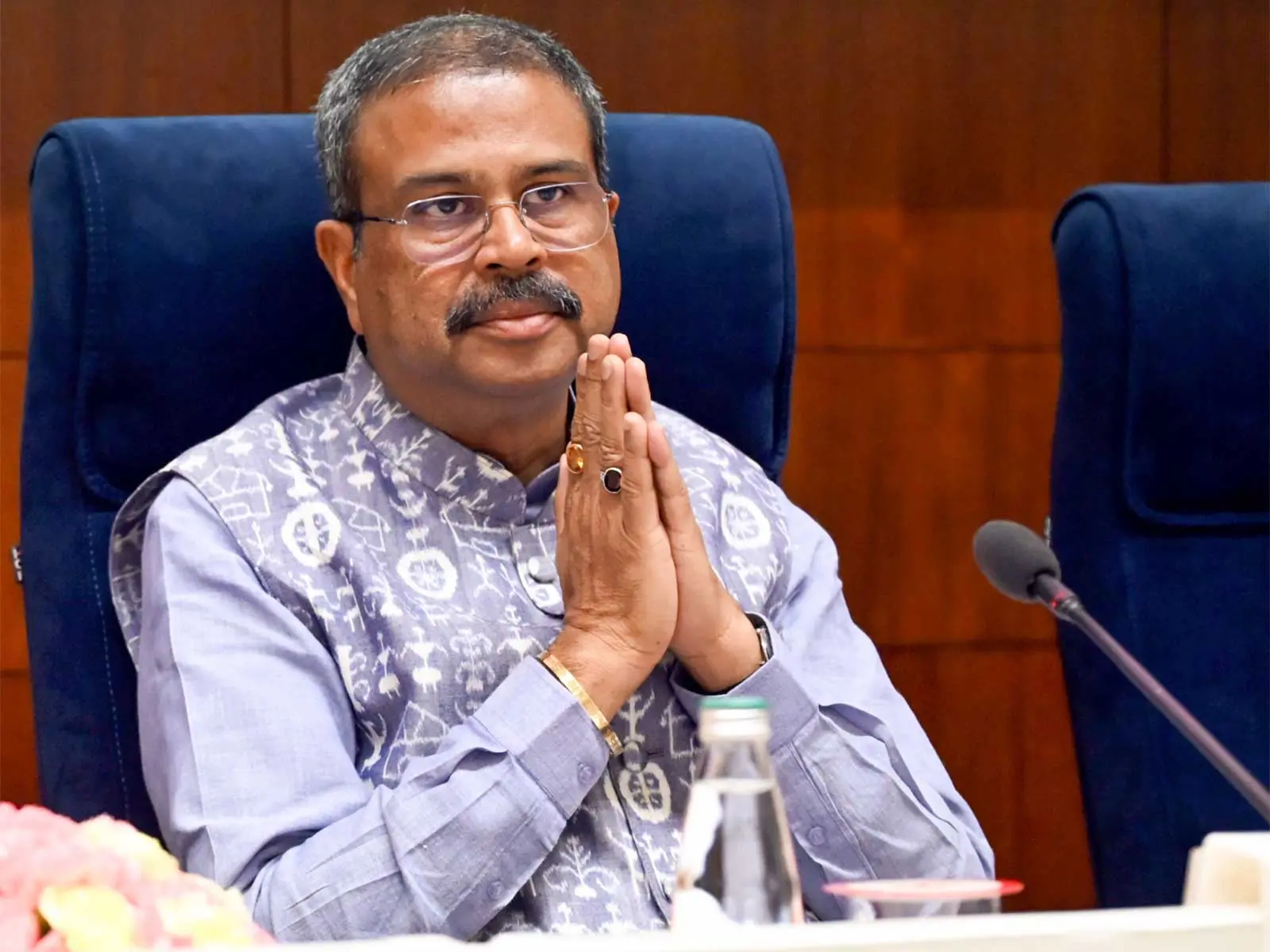
What's next in parliament after Education Minister Dharmendra Pradhan's resignation Photograph: (Credit: ANI/File Photo)
Parliament operations are set to resume following the resignation of Union Education Minister Dharmendra Pradhan. Get the latest updates on house proceedings and political developments.
Following the resignation of Education Minister Dharmendra Pradhan, parliament is expected to resume normal functioning starting Monday. His resignation, a key demand of student groups, ended the parliamentary stalemate over paper leaks that largely washed out the session's first week. There were nationwide protests; students and supporters demanded the resignation of Pradhan after NEET paper leaks. With ministers consulting political parties to ensure debate through August 13, the government aims to push its legislative agenda forward. A top priority is addressing exam fraud. Science and Technology Minister Jitendra Singh will introduce the Public Examinations (Prevention of Unfair Means) Amendment Bill, 2026, in the Lok Sabha. The legislation includes seven key amendments: establishing state fast-track courts with daily trials that conclude within three months; mandating a two-month deadline for fraud investigations; enforcing heavier prison terms and fines for individuals, coaching centres, and service providers; and empowering the Centre to create a Special Task Force for high-stakes or cross-state cases.
The government also intends to advance several major reform bills. In education, it will move the Viksit Bharat Shiksha Adhishthan Bill, 2025, to reform higher education. Economic and governance measures include the Foreign Contribution (Regulation) Amendment Bill, 2026, the Income-tax (Amendment) Bill, 2026 to maintain tax exemptions for foreign investors, the Micro, Small and Medium Enterprises Development (Amendment) Bill, 2026 to address delayed payments, and the Registration of Births and Deaths (Amendment) Bill, 2026.
Also read: Another education minister resigned amid corruption row before Dharmendra Pradhan — but not in India
Which key bills is the government planning to introduce, including the Delimitation Bill and the Foreign Money Bill?
Constitutional and judicial priorities feature the Delimitation Bill, 2026, creating a commission to redraw constituencies and allocate one-third of seats for women in the Lok Sabha and state assemblies, alongside the Constitution (131st Amendment) Bill, 2026, proposing to increase Lok Sabha seats from 543 to 850. Other measures include the Union Territories Laws (Amendment) Bill, 2026, the Supreme Court (Number of Judges) Amendment Bill, 2026 to raise judge strength from 33 to 37, and the Prevention of Insults to National Honour (Amendment) Bill, 2026.
Trending Stories
&imwidth=280&imheight=210&format=webp&quality=medium)
&imwidth=280&imheight=210&format=webp&quality=medium)
&imwidth=280&imheight=210&format=webp&quality=medium)
&imwidth=280&imheight=210&format=webp&quality=medium)
&imwidth=280&imheight=210&format=webp&quality=medium)
&imwidth=280&imheight=210&format=webp&quality=medium)
&imwidth=280&imheight=210&format=webp&quality=medium)
&imwidth=280&imheight=210&format=webp&quality=medium)
&imwidth=280&imheight=210&format=webp&quality=medium)
&imwidth=280&imheight=210&format=webp&quality=medium)
&imwidth=280&imheight=210&format=webp&quality=medium)
&imwidth=280&imheight=210&format=webp&quality=medium)
&imwidth=280&imheight=210&format=webp&quality=medium)
&imwidth=280&imheight=210&format=webp&quality=medium)
&imwidth=280&imheight=210&format=webp&quality=medium)
&imwidth=280&imheight=210&format=webp&quality=medium)
&imwidth=280&imheight=210&format=webp&quality=medium)
&imwidth=280&imheight=210&format=webp&quality=medium)
&imwidth=280&imheight=210&format=webp&quality=medium)
&imwidth=280&imheight=210&format=webp&quality=medium)
&imwidth=280&imheight=210&format=webp&quality=medium)
&imwidth=280&imheight=210&format=webp&quality=medium)
&imwidth=280&imheight=210&format=webp&quality=medium)
&imwidth=280&imheight=210&format=webp&quality=medium)
&imwidth=280&imheight=210&format=webp&quality=medium)
&imwidth=280&imheight=210&format=webp&quality=medium)
&imwidth=280&imheight=210&format=webp&quality=medium)
&imwidth=280&imheight=210&format=webp&quality=medium)
&im=FitAndFill=(700,400)&imwidth=280&imheight=210&format=webp&quality=medium)
&imwidth=280&imheight=210&format=webp&quality=medium)
&imwidth=280&imheight=210&format=webp&quality=medium)
The government is planning to introduce or advance several key bills during the Monsoon Session of Parliament:
- Delimitation Bill, 2026: This bill proposes the creation of a commission to redraw territorial constituencies and allocate one-third of seats for women in the Lok Sabha and state assemblies.
- Constitution (131st Amendment) Bill, 2026: Intended to increase the number of Lok Sabha seats from 543 to 850 and implement the reservation of one-third of seats for women.
- Union Territories Laws (Amendment) Bill, 2026: Facilitates the readjustment of constituencies in Union Territories by the Delimitation Commission.
- Foreign Contribution (Regulation) Amendment Bill, 2026: A priority for the government, this bill seeks to update the rules governing the regulation of foreign funding.
- Income-tax (Amendment) Bill, 2026: Aimed at continuing tax exemptions for foreign investors on government securities to support capital inflows.
- MSME Development (Amendment) Bill, 2026: Designed to improve the ease of doing business for small enterprises by addressing delayed payments.
- Public Examinations (Prevention of Unfair Means) Amendment Bill, 2026: A major bill following recent protests, it introduces strict penalties and fast-track courts to prevent future paper leaks.
- Supreme Court (Number of Judges) Amendment Bill, 2026: Proposes increasing the number of Supreme Court judges from 33 to 37 to reduce the backlog of cases.
- Registration of Births and Deaths (Amendment) Bill, 2026: Intended to tighten the rules regarding delayed registrations.
- Prevention of Insults to National Honour (Amendment) Bill, 2026: Proposes changes to existing laws regarding national symbols.
While the deadlock has ended, opposition pressure persists. The Congress party vowed its fight will continue until the education system is fully reformed. Student groups are demanding an immediate ban on the National Testing Agency (NTA), while the opposition demands Prime Minister Narendra Modi apologise for July 20 police lathi charges and pellet gun action against student protesters at Jantar Mantar.

