US sanctions four Indian companies over Iran oil trade under Operation Economic Outcast: Who are they and why were they targeted?

&imwidth=600&imheight=450&format=webp&quality=medium "US sanctions four Indian companies over Iran oil trade under Operation Economic Outcast: Who are they and why were they targeted?")
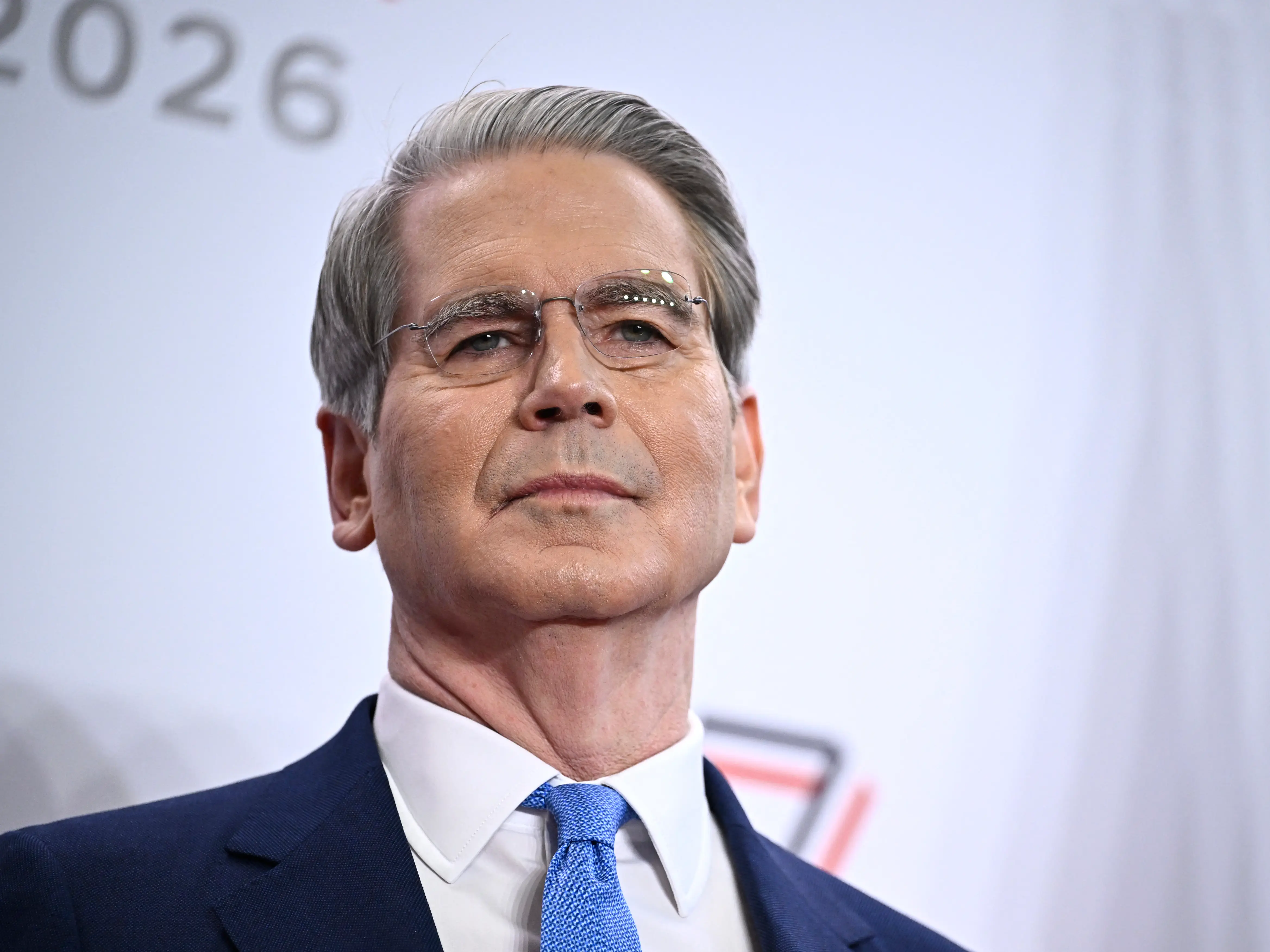
Scott Bessent Photograph: (AFP)
US sanctions four Indian companies and key executives over allege Iranian oil and petrochemical trade under Operation Economic Outcast.
The United States has sanctioned four Indian companies and several individuals for allegedly facilitating the import of Iranian petroleum and petrochemical products, according to a US State Department press release. The companies named in the action are Portease Partners LLP, Sadashiva Overseas Limited, PP Softtech Private Limited, and Prakrutees Infra Impex Private Limited.
Portease Partners LLP and its partners Indrismiya Ashrafmiya Sheikh and Harish Ramachandra Rangi were accused of facilitating multiple shipments of Iranian petrochemical products. Sheikh and Rangi are Indian nationals, the State Department said. The US has also targeted Prashant Garg, director of PP Softtech Private Limited. Garg is also identified as an Indian national in the release.
According to the US State Department, Sadashiva Overseas Limited imported Iranian-origin petroleum products worth approximately $69 million from multiple companies. PP Softtech Private Limited and Prakrutees Infra Impex Private Limited each allegedly imported around $25 million worth of petroleum products from Iran.
Why are these Indian companies being targeted?
The companies and individuals were sanctioned for what the US described as significant transactions involving Iranian petroleum and petroleum products. The State Department said the entities were put on the sanctions list for ‘knowingly engaging in a significant transaction for the purchase, acquisition, sale, transport, or marketing of petroleum or petroleum products from Iran’. The sanctions are part of a broader US effort to restrict Iran's oil revenues, which Washington says help fund activities it considers destabilising.
Trending Stories
&im=FitAndFill=(700,400)&imwidth=280&imheight=210&format=webp&quality=medium)
&imwidth=280&imheight=210&format=webp&quality=medium)
&imwidth=280&imheight=210&format=webp&quality=medium)
&imwidth=280&imheight=210&format=webp&quality=medium)
&imwidth=280&imheight=210&format=webp&quality=medium)
&imwidth=280&imheight=210&format=webp&quality=medium)
&imwidth=280&imheight=210&format=webp&quality=medium)
&im=FitAndFill=(700,400)&imwidth=280&imheight=210&format=webp&quality=medium)
&imwidth=280&imheight=210&format=webp&quality=medium)
&imwidth=280&imheight=210&format=webp&quality=medium)
&imwidth=280&imheight=210&format=webp&quality=medium)
&imwidth=280&imheight=210&format=webp&quality=medium)
&imwidth=280&imheight=210&format=webp&quality=medium)
&imwidth=280&imheight=210&format=webp&quality=medium)
&im=FitAndFill=(700,400)&imwidth=280&imheight=210&format=webp&quality=medium)
&imwidth=280&imheight=210&format=webp&quality=medium)
&imwidth=280&imheight=210&format=webp&quality=medium)
&imwidth=280&imheight=210&format=webp&quality=medium)
&imwidth=280&imheight=210&format=webp&quality=medium)
&imwidth=280&imheight=210&format=webp&quality=medium)
&imwidth=280&imheight=210&format=webp&quality=medium)
&imwidth=280&imheight=210&format=webp&quality=medium)
&im=FitAndFill=(700,400)&imwidth=280&imheight=210&format=webp&quality=medium)
&imwidth=280&imheight=210&format=webp&quality=medium)
&imwidth=280&imheight=210&format=webp&quality=medium)
&imwidth=280&imheight=210&format=webp&quality=medium)
&imwidth=280&imheight=210&format=webp&quality=medium)
&imwidth=280&imheight=210&format=webp&quality=medium)
&imwidth=280&imheight=210&format=webp&quality=medium)
&imwidth=280&imheight=210&format=webp&quality=medium)
&imwidth=280&imheight=210&format=webp&quality=medium)
&imwidth=280&imheight=210&format=webp&quality=medium)
&imwidth=280&imheight=210&format=webp&quality=medium)
What is Operation Economic Outcast?
US Treasury Secretary Scott Bessent announced Operation Economic Outcast as a new sanctions campaign aimed at cutting off Iran's sources of revenue. Washington has also warned governments, companies and other entities that continued economic dealings with Tehran could expose them to secondary sanctions. Bessent described the initiative as an unprecedented campaign to sever Iran's financial lifelines. The policy expands the risk of secondary sanctions for entities that continue to conduct business with Iran.
Following the announcement, the US imposed sanctions on nearly 60 entities, individuals and vessels over alleged links to Iran's military activities, procurement networks and petroleum and petrochemical trade. The measures were issued under Executive Orders 13846 and 13949, which are aimed at Iran's petroleum revenue and alleged conventional arms proliferation. The action also included sanctions targeting senior Iranian military figures through the US Treasury Department and the Rewards for Justice (RFJ) program.
State Department spokesperson Tommy Pigott said in a statement on Monday: “Today, the United States took sweeping action against multiple entities, individuals, and vessels enabling the Iranian regime's destabilising activities.” He added, "Such activities include attacks against US forces and allies in the region, illicit weapons procurement, cyber intrusions into American infrastructure, and the movement of energy products whose sale funds terrorism globally,"
What does the action mean for Indian companies?
The sanctions highlight the growing risks for businesses involved in trade with Iran, particularly companies dealing in petroleum and petrochemical products. By targeting foreign businesses involved in Iranian oil transactions, the US is seeking to limit Iran's ability to generate and move petroleum-related revenue through international markets. The latest action also signals that companies outside Iran can face US sanctions if Washington determines that their transactions fall within the scope of its Iran sanctions regime.

