‘Our policy has not changed’: MEA says J&K is 'bilateral issue' between India, Pakistan - Did India dismiss Trump’s ceasefire claim?

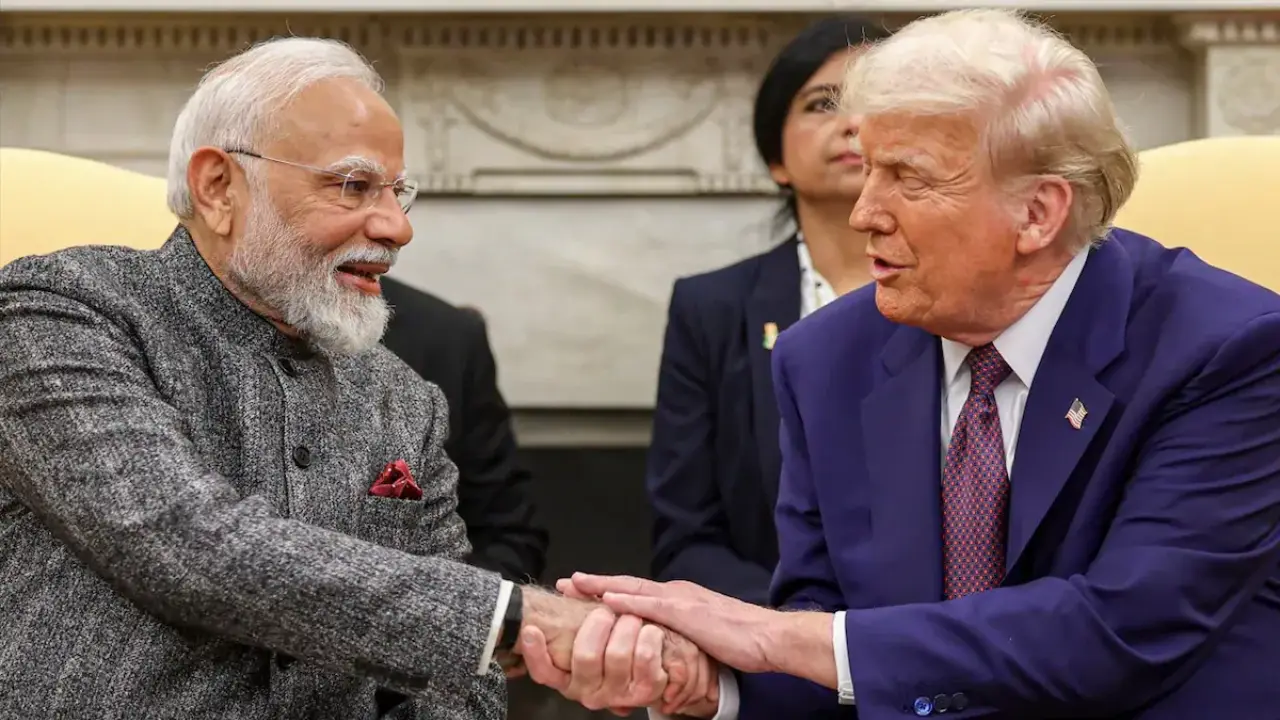
India news: Ministry of External Affairs (MEA) spokesperson Randhir Jaiswal on Tuesday (May 13) said that the ceasefire understanding was reached directly between the two countries without any third-party involvement.
India has indirectly rejected US President Donald Trump’s statement that the United States brokered the recent ceasefire agreement between India and Pakistan.
Ministry of External Affairs (MEA) spokesperson Randhir Jaiswal on Tuesday (May 13) said that the ceasefire understanding was reached directly between the two countries without any third-party involvement.
Without naming Trump, Jaiswal said, “We have a long-standing national position that any issues pertaining to the Union Territory of Jammu and Kashmir have to be addressed by India and Pakistan bilaterally. That stated policy has not changed.”
MEA says J&K is a bilateral issue, not open to third-party mediation
Jaiswal further underlined that Jammu and Kashmir remains a bilateral issue between New Delhi and Islamabad. “The outstanding matter is the vacation of illegally occupied Indian territory by Pakistan,” the MEA spokesperson reiterated.
India clarifies no trade deal linked to ceasefire
Trending Stories
&imwidth=280&imheight=210&format=webp&quality=medium)
&imwidth=280&imheight=210&format=webp&quality=medium)
&imwidth=280&imheight=210&format=webp&quality=medium)
&imwidth=280&imheight=210&format=webp&quality=medium)
&imwidth=280&imheight=210&format=webp&quality=medium)
&imwidth=280&imheight=210&format=webp&quality=medium)
&im=FitAndFill=(700,400)&imwidth=280&imheight=210&format=webp&quality=medium)
&imwidth=280&imheight=210&format=webp&quality=medium)
&imwidth=280&imheight=210&format=webp&quality=medium)
&imwidth=280&imheight=210&format=webp&quality=medium)
&imwidth=280&imheight=210&format=webp&quality=medium)
&imwidth=280&imheight=210&format=webp&quality=medium)
&imwidth=280&imheight=210&format=webp&quality=medium)
&imwidth=280&imheight=210&format=webp&quality=medium)
&imwidth=280&imheight=210&format=webp&quality=medium)
&imwidth=280&imheight=210&format=webp&quality=medium)
&imwidth=280&imheight=210&format=webp&quality=medium)
&imwidth=280&imheight=210&format=webp&quality=medium)
&imwidth=280&imheight=210&format=webp&quality=medium)
&imwidth=280&imheight=210&format=webp&quality=medium)
&imwidth=280&imheight=210&format=webp&quality=medium)
&imwidth=280&imheight=210&format=webp&quality=medium)
&imwidth=280&imheight=210&format=webp&quality=medium)
&imwidth=280&imheight=210&format=webp&quality=medium)
&im=FitAndFill=(700,400)&imwidth=280&imheight=210&format=webp&quality=medium)
&imwidth=280&imheight=210&format=webp&quality=medium)
&imwidth=280&imheight=210&format=webp&quality=medium)
&imwidth=280&imheight=210&format=webp&quality=medium)
&imwidth=280&imheight=210&format=webp&quality=medium)
&imwidth=280&imheight=210&format=webp&quality=medium)
&imwidth=280&imheight=210&format=webp&quality=medium)
&imwidth=280&imheight=210&format=webp&quality=medium)
&imwidth=280&imheight=210&format=webp&quality=medium)
&imwidth=280&imheight=210&format=webp&quality=medium)
Responding to Trump's claim that trade incentives were used as leverage to push India and Pakistan towards peace, the MEA confirmed there was no such conversation. “There was no reference to trade in any of these conversations,” Jaiswal said, referring to the 9 May call between Indian Prime Minister Narendra Modi and US Vice President JD Vance.
India maintains that the ceasefire agreement was reached through direct military communication between the Directors General of Military Operations (DGMOs) of both countries on 10 May. New Delhi says it was Pakistan that initiated the talks, not the US.
Trump claims trade pressure helped peace talks
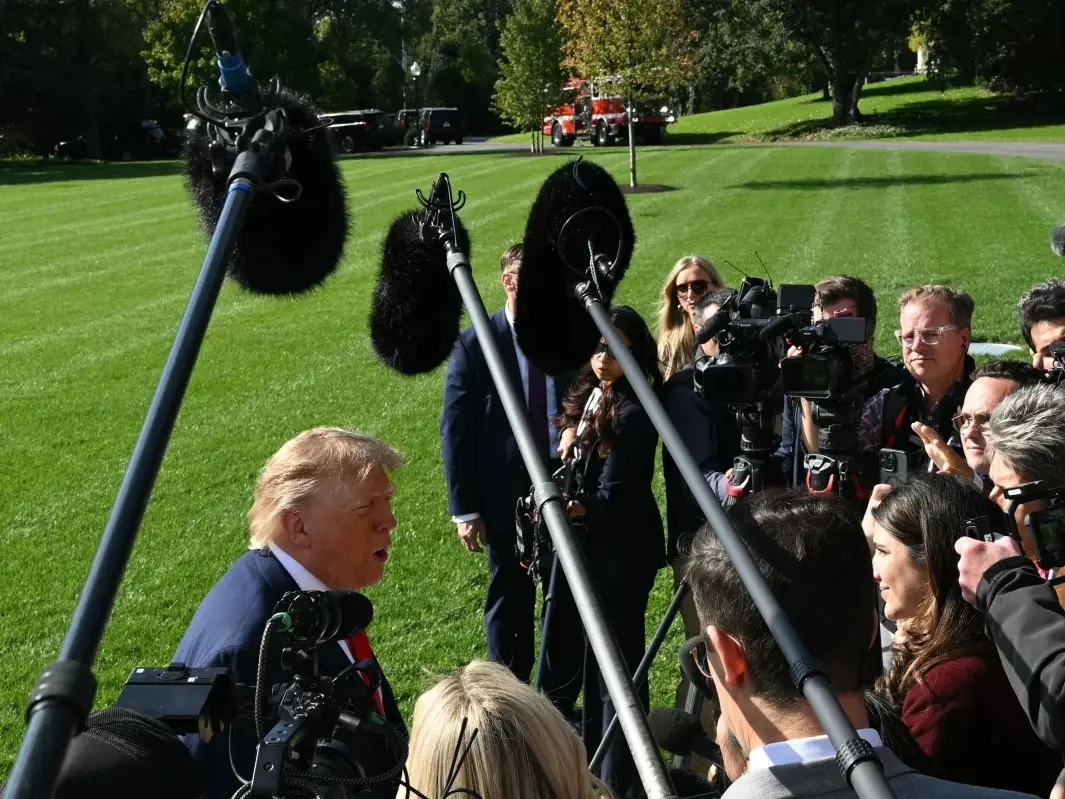
On his social media platform Truth Social, Trump had said on Saturday, “After a long night of talks mediated by the United States, I am pleased to announce that India and Pakistan have agreed to a FULL AND IMMEDIATE CEASEFIRE. Congratulations to both countries for using Common Sense and Great Intelligence.”
On Monday, he went further, saying, “I'm very proud to let you know that the leadership of Indian and Pakistan was unwavering and powerful... We helped a lot, and we also helped with trade. I said, Come on, we're going to do a lot of trade with you guys. Let's stop it... If you stop it, we're doing trade. If you don't stop it, we're not going to do any trade.”
He added, “People have never really used trade the way I used it... and all of a sudden they said, I think we're gonna stop, and they have.”
