10 places around the world you should see at least once

&imwidth=600&imheight=450&format=webp&quality=medium "10 places around the world you should see at least once")
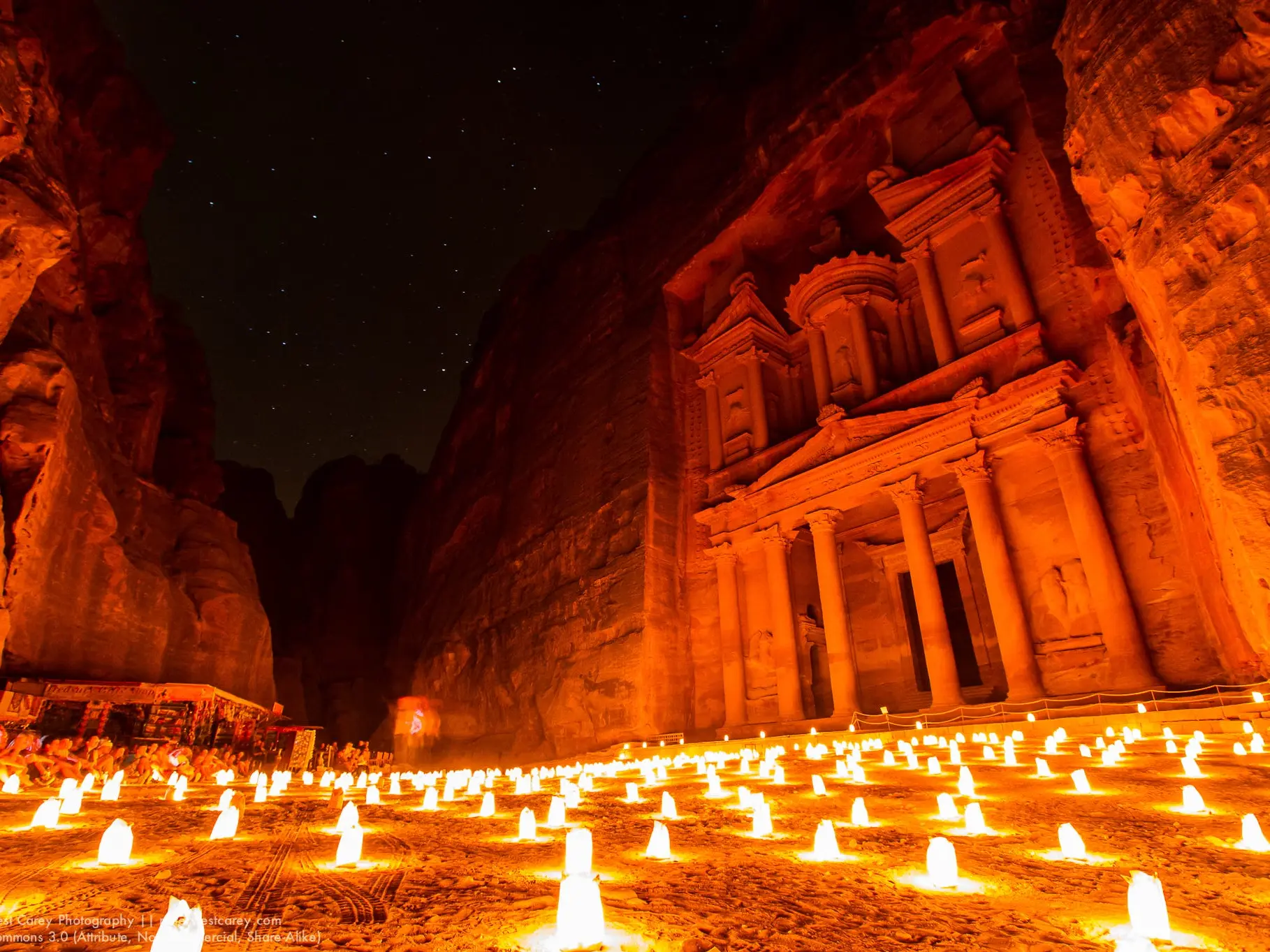
Petra, Jordan Photograph: (Wikimedia Commons)
Global travel offers access to historically and geographically significant locations. From the high-altitude Inca citadel of Machu Picchu to the massive marine ecosystem of the Great Barrier Reef, these ten destinations provide verified cultural and natural experiences worldwide.
Choosing the right international destination can be difficult with so many options available. Modern tourists increasingly seek out highly significant cultural and natural sites. Focusing on locations with verified historical or geographical importance offers a better experience. Here are 10 places around the world you should see at least once.
Ancient historical sites
1. Machu Picchu, Peru Located at an altitude of 2,430 metres in the Andes, this 15th-century Inca citadel is a renowned archaeological site. The Peruvian government manages public access to protect the preserved ruins.
2. Petra, Jordan Carved directly into rock, Petra served as the capital of the Nabataean Kingdom, dating back to 312 BC. Visitors enter through a 1.2-kilometre-long gorge called the Siq, which leads directly to the famous rock-cut architecture.
3. Angkor Wat, Cambodia Covering 162.6 hectares, this is the largest religious complex in the world. Built in the early 12th century by Khmer King Suryavarman II, it transitioned from a Hindu temple to an active Buddhist site.
4. Bagan, Myanmar The Bagan archaeological site consists of over 2,000 monuments, including temples and pagodas. These structures were built between the 11th and 13th centuries and represent the largest concentration of Buddhist monuments globally.
Trending Stories
&imwidth=280&imheight=210&format=webp&quality=medium)
&imwidth=280&imheight=210&format=webp&quality=medium)
&imwidth=280&imheight=210&format=webp&quality=medium)
&imwidth=280&imheight=210&format=webp&quality=medium)
&imwidth=280&imheight=210&format=webp&quality=medium)
&imwidth=280&imheight=210&format=webp&quality=medium)
&imwidth=280&imheight=210&format=webp&quality=medium)
&imwidth=280&imheight=210&format=webp&quality=medium)
&imwidth=280&imheight=210&format=webp&quality=medium)
&imwidth=280&imheight=210&format=webp&quality=medium)
&imwidth=280&imheight=210&format=webp&quality=medium)
&imwidth=280&imheight=210&format=webp&quality=medium)
&imwidth=280&imheight=210&format=webp&quality=medium)
&imwidth=280&imheight=210&format=webp&quality=medium)
&imwidth=280&imheight=210&format=webp&quality=medium)
&imwidth=280&imheight=210&format=webp&quality=medium)
&im=FitAndFill=(700,400)&imwidth=280&imheight=210&format=webp&quality=medium)
&imwidth=280&imheight=210&format=webp&quality=medium)
&imwidth=280&imheight=210&format=webp&quality=medium)
&imwidth=280&imheight=210&format=webp&quality=medium)
&imwidth=280&imheight=210&format=webp&quality=medium)
&imwidth=280&imheight=210&format=webp&quality=medium)
&imwidth=280&imheight=210&format=webp&quality=medium)
&imwidth=280&imheight=210&format=webp&quality=medium)
&imwidth=280&imheight=210&format=webp&quality=medium)
&imwidth=280&imheight=210&format=webp&quality=medium)
&imwidth=280&imheight=210&format=webp&quality=medium)
&imwidth=280&imheight=210&format=webp&quality=medium)
&imwidth=280&imheight=210&format=webp&quality=medium)
&imwidth=280&imheight=210&format=webp&quality=medium)
&im=FitAndFill=(700,400)&imwidth=280&imheight=210&format=webp&quality=medium)
&imwidth=280&imheight=210&format=webp&quality=medium)
&imwidth=280&imheight=210&format=webp&quality=medium)
&imwidth=280&imheight=210&format=webp&quality=medium)
Natural geographical wonders
5. Great Barrier Reef, Australia This marine park covers 344,400 square kilometres and is the only living structure visible from space. The reef supports immense biodiversity, hosting over 1,500 species of fish.
6. Salar de Uyuni, Bolivia At 10,582 square kilometres, this is the largest and flattest salt flat on Earth. Situated at an elevation of 3,656 metres, it transforms into a massive mirror reflecting the sky during the rainy season.
7. Vatnajökull Glacier, Iceland Vatnajökull is the largest glacier in Europe by volume. It covers roughly eight per cent of Iceland's landmass and features an active stratovolcano beneath its ice cap.
Wildlife and cultural hubs
8. Serengeti National Park, Tanzania Spanning 14,750 square kilometres of grassland and savanna, this park hosts the Great Wildebeest Migration. Approximately 1.5 million wildebeest migrate in a continuous cycle in search of fresh grazing.
9. Galápagos Islands, Ecuador Located about 1,000 kilometres off the Ecuadorian coast, this volcanic archipelago is highly isolated. Because of this isolation, about 80 per cent of its land birds cannot be found anywhere else on the planet.
10. Kyoto, Japan As the former imperial capital, Kyoto is famous for its traditional Japanese architecture. The city holds 17 distinct UNESCO World Heritage sites, including the Golden Pavilion and Kiyomizu-dera temple.
Visiting these 10 global destinations requires careful planning. By researching local regulations and booking official tickets in advance, you can ensure your trip to these historic and natural sites remains smooth and fully compliant with local conservation efforts.
