NATO Chief warns India, China, and Brazil of sanctions over continued trade with Russia

&imwidth=600&imheight=450&format=webp&quality=medium "NATO Chief warns India, China, and Brazil of sanctions over continued trade with Russia")
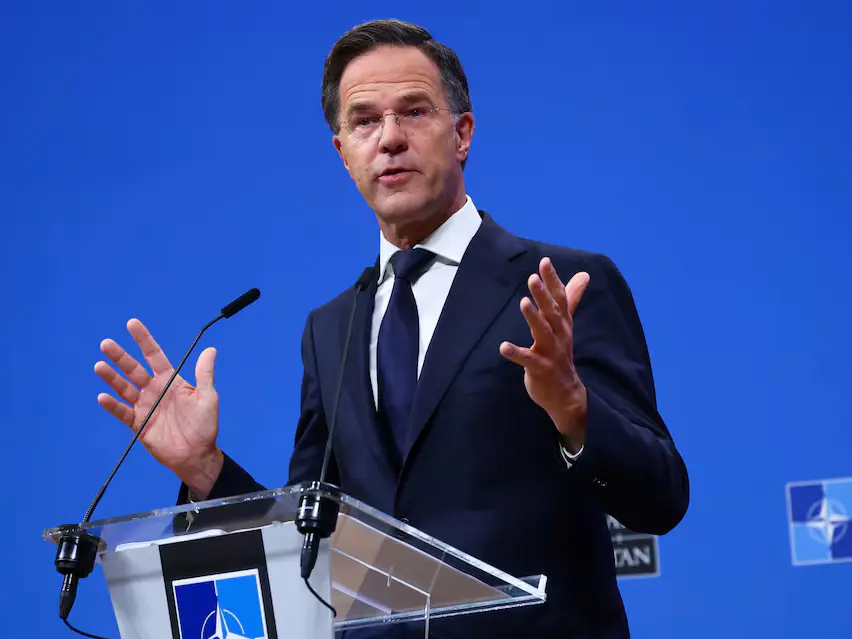
NATO Secretary General Mark Rutte speaks during a press conference on the eve of a NATO Defence Ministers meeting in Brussels, Belgium June 4, 2025. Photograph: (Reuters)
NATO Chief’s comments come as US President Donald Trump has threatened to impose “biting” secondary tariffs of up to 100 per cent on countries that continue purchasing Russian goods, including oil, if there is no peace deal within the next 50 days.
NATO Secretary-General Mark Rutte warned that countries like India, China, and Brazil could face significant consequences if they persist in doing business with Russia amid the ongoing war in Ukraine. Speaking to US lawmakers on July 16, Rutte called on these nations to urge Russian President Vladimir Putin to engage in peace talks or risk being hit by severe secondary sanctions, particularly in the form of tariffs on Russian exports. Rutte’s comments come as US President Donald Trump has threatened to impose “biting” secondary tariffs of up to 100 per cent on countries that continue purchasing Russian goods, including oil, if there is no peace deal within the next 50 days. This marks a new phase in the global trade war, as the US seeks to exert pressure on nations supporting Russia in the conflict.
Pressure on BRICS nations to choose sides
Rutte’s remarks specifically targeted India, China, and Brazil, three key members of the BRICS bloc that have maintained strong trade relations with Moscow. “If you live now in Beijing or in Delhi, or you are the president of Brazil, you might want to take a look into this, because this might hit you very hard,” Rutte said, urging these nations to rethink their positions.
He further warned, “Make the phone call to Vladimir Putin and tell him that he has to get serious about peace talks, because otherwise this will slam back on Brazil, on India, and on China in a massive way.” The NATO chief’s words come at a time when these countries are critical to Moscow’s energy trade, particularly in the oil sector. India and China have been among the largest buyers of Russian crude oil since the West imposed sanctions on Russian exports after the invasion of Ukraine.
Brazil, India, and China—together with South Africa—form the core of the BRICS nations, which have been seen as an alternative to Western-led institutions. Their continued trade with Russia could potentially undermine the global sanctions regime imposed by Western powers. With Moscow offering steep discounts on its oil exports, countries like India have been quick to seize the opportunity, with Russian crude now accounting for nearly 40 per cent of India’s total oil imports as of June 2025.
US threatens secondary tariffs over Russian oil imports
Trending Stories
&imwidth=280&imheight=210&format=webp&quality=medium)
&imwidth=280&imheight=210&format=webp&quality=medium)
&imwidth=280&imheight=210&format=webp&quality=medium)
&imwidth=280&imheight=210&format=webp&quality=medium)
&imwidth=280&imheight=210&format=webp&quality=medium)
&im=FitAndFill=(700,400)&imwidth=280&imheight=210&format=webp&quality=medium)
&imwidth=280&imheight=210&format=webp&quality=medium)
&imwidth=280&imheight=210&format=webp&quality=medium)
&imwidth=280&imheight=210&format=webp&quality=medium)
&imwidth=280&imheight=210&format=webp&quality=medium)
&imwidth=280&imheight=210&format=webp&quality=medium)
&imwidth=280&imheight=210&format=webp&quality=medium)
&imwidth=280&imheight=210&format=webp&quality=medium)
&imwidth=280&imheight=210&format=webp&quality=medium)
&imwidth=280&imheight=210&format=webp&quality=medium)
&im=FitAndFill=(700,400)&imwidth=280&imheight=210&format=webp&quality=medium)
&imwidth=280&imheight=210&format=webp&quality=medium)
&imwidth=280&imheight=210&format=webp&quality=medium)
&imwidth=280&imheight=210&format=webp&quality=medium)
&imwidth=280&imheight=210&format=webp&quality=medium)
&imwidth=280&imheight=210&format=webp&quality=medium)
&imwidth=280&imheight=210&format=webp&quality=medium)
&imwidth=280&imheight=210&format=webp&quality=medium)
&imwidth=280&imheight=210&format=webp&quality=medium)
&imwidth=280&imheight=210&format=webp&quality=medium)
&imwidth=280&imheight=210&format=webp&quality=medium)
&imwidth=280&imheight=210&format=webp&quality=medium)
&imwidth=280&imheight=210&format=webp&quality=medium)
&im=FitAndFill=(700,400)&imwidth=280&imheight=210&format=webp&quality=medium)
&imwidth=280&imheight=210&format=webp&quality=medium)
&imwidth=280&imheight=210&format=webp&quality=medium)
&imwidth=280&imheight=210&format=webp&quality=medium)
&imwidth=280&imheight=210&format=webp&quality=medium)
&imwidth=280&imheight=210&format=webp&quality=medium)
&imwidth=280&imheight=210&format=webp&quality=medium)
As the US ramps up its efforts to isolate Russia economically, the threat of secondary sanctions has become a key tool in its arsenal. Trump’s administration has already proposed a bill that would impose a 500 per cent tariff on goods imported from countries that continue to buy Russian oil, gas, uranium, and other exports. The proposed legislation has garnered bipartisan support, signalling a robust push to penalise those who do business with Moscow.
For India, the stakes are high. Russian crude oil now accounts for more than a third of the country’s oil imports, with the value of these imports surpassing $50 billion in 2024-25. Prior to the Ukraine war, Russia accounted for less than 2 per cent of India’s oil imports. If secondary tariffs are implemented, India would likely face a significant increase in oil prices, forcing it to seek alternative suppliers in West Asia, further straining its energy security.
The potential consequences of such sanctions also extend beyond oil, with broader trade implications. As the US and India continue negotiations for a trade deal, the threat of secondary tariffs could complicate efforts, potentially derailing progress on other fronts.
Will the US follow through on tariffs?
It remains unclear whether the US will follow through with these tariff threats, given that previous announcements have been subject to delay or revision. However, experts suggest that even the mere threat of secondary sanctions could have a chilling effect on international trade relations, particularly with countries like India and China, who are already walking a fine line between their strategic interests and the pressure from the West. As global oil markets remain volatile, with Russia continuing to offer competitive prices, the coming weeks will likely see heightened geopolitical tensions as nations grapple with the looming threat of sanctions and trade restrictions.