Supreme Court blocks Virginia Democrats' redistricting plan, preserving Republican-drawn maps ahead of US midterms

&imwidth=600&imheight=450&format=webp&quality=medium "Supreme Court blocks Virginia Democrats' redistricting plan, preserving Republican-drawn maps ahead of US midterms")
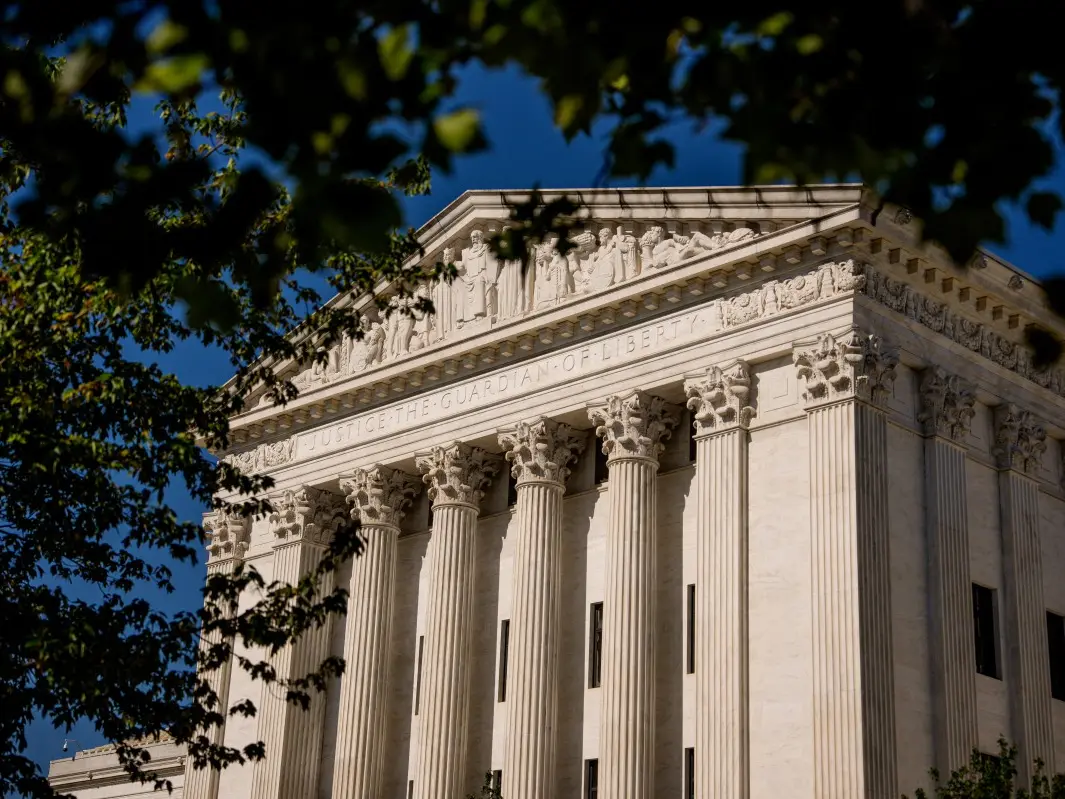
The U.S. Supreme Court building on May 4, 2026 in Washington, DC. Photograph: (AFP)
The US Supreme Court just handed Democrats a blunt setback, rejecting their bid to revive a game-changing Virginia map. Here's all you need to know.
The US Supreme Court on Friday (May 15) rejected an emergency appeal from Virginia Democrats seeking to revive a voter-approved redistricting plan that would have dramatically shifted the state's congressional delegation in their favour ahead of November's midterm elections. But why did the court deny the request? Here's all you need to know.
Why did the SCOTUS deny democrats' appeal?
The court offered no explanation for its decision, saying only in a written order that the application for a stay "is denied." This means that Virginia's existing congressional map now stands preserved. It also hands Republicans a significant procedural victory in what has become an increasingly aggressive national redistricting battle.
Background: Virginia redistricting
The backstory is layered. Virginia voters approved a referendum last month that would have allowed Democrats to redraw the state's congressional districts mid-decade, an unusual move outside the standard post-census redistricting cycle. Had the new maps taken effect, Democrats stood to expand their current 6-5 edge in Virginia's House delegation to as much as 10-1.
Trending Stories
&imwidth=280&imheight=210&format=webp&quality=medium)
&imwidth=280&imheight=210&format=webp&quality=medium)
&imwidth=280&imheight=210&format=webp&quality=medium)
&imwidth=280&imheight=210&format=webp&quality=medium)
&im=FitAndFill=(700,400)&imwidth=280&imheight=210&format=webp&quality=medium)
&imwidth=280&imheight=210&format=webp&quality=medium)
&imwidth=280&imheight=210&format=webp&quality=medium)
&imwidth=280&imheight=210&format=webp&quality=medium)
&imwidth=280&imheight=210&format=webp&quality=medium)
&imwidth=280&imheight=210&format=webp&quality=medium)
&imwidth=280&imheight=210&format=webp&quality=medium)
&imwidth=280&imheight=210&format=webp&quality=medium)
&imwidth=280&imheight=210&format=webp&quality=medium)
&imwidth=280&imheight=210&format=webp&quality=medium)
&imwidth=280&imheight=210&format=webp&quality=medium)
&imwidth=280&imheight=210&format=webp&quality=medium)
&imwidth=280&imheight=210&format=webp&quality=medium)
&imwidth=280&imheight=210&format=webp&quality=medium)
&imwidth=280&imheight=210&format=webp&quality=medium)
&imwidth=280&imheight=210&format=webp&quality=medium)
&imwidth=280&imheight=210&format=webp&quality=medium)
&imwidth=280&imheight=210&format=webp&quality=medium)
&imwidth=280&imheight=210&format=webp&quality=medium)
&imwidth=280&imheight=210&format=webp&quality=medium)
&imwidth=280&imheight=210&format=webp&quality=medium)
&imwidth=280&imheight=210&format=webp&quality=medium)
&imwidth=280&imheight=210&format=webp&quality=medium)
&imwidth=280&imheight=210&format=webp&quality=medium)
&im=FitAndFill=(700,400)&imwidth=280&imheight=210&format=webp&quality=medium)
&imwidth=280&imheight=210&format=webp&quality=medium)
&imwidth=280&imheight=210&format=webp&quality=medium)
&imwidth=280&imheight=210&format=webp&quality=medium)
&imwidth=280&imheight=210&format=webp&quality=medium)
&imwidth=280&imheight=210&format=webp&quality=medium)
&imwidth=280&imheight=210&format=webp&quality=medium)
&imwidth=280&imheight=210&format=webp&quality=medium)
However, the Virginia Supreme Court blocked the plan last week, ruling that Democratic lawmakers had failed to follow proper constitutional procedures in putting the referendum to voters. Now, the latest Supreme Court decision not to intervene lets that ruling stand.
Also read | Media house deletes story after PM Modi fact-checks report on foreign travel tax: 'Totally false'
Why does it matter?
The fight in Virginia is just one front in a rapidly expanding national redistricting war. US President Donald Trump helped trigger the current cycle last year by encouraging Republican-led states, Texas chief among them, to redraw congressional maps mid-decade to maximise Republican seats. Democrats responded in kind in California, Virginia and other states they control.
The conflict has taken on an additional dimension following a recent Supreme Court ruling barring race as a factor in drawing congressional districts. That decision has opened a new round of map-drawing in several Republican-majority states. Tennessee passed a new map last week that breaks up the state's only majority-Black district. South Carolina, Louisiana and Alabama are expected to pursue similar moves if pending legal challenges resolve in Republicans' favour.
Notably, with control of the House expected to be decided by a handful of seats in November, each state-level redistricting decision carries national weight.

