Iran needs to meet diplomacy with diplomacy, not military force: US

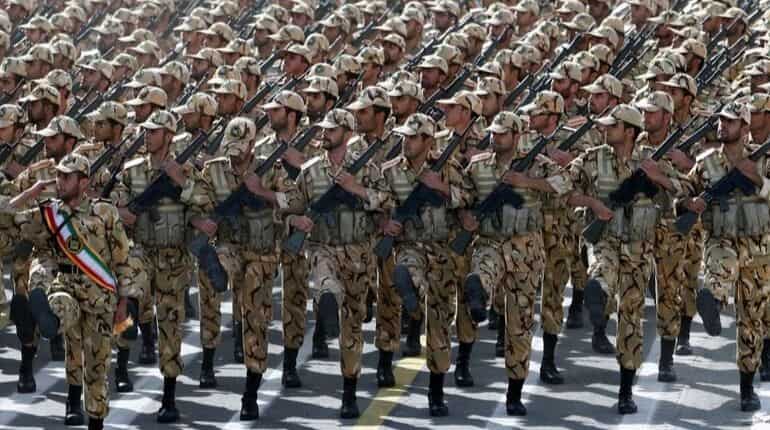
Iran Revolutionary Guards
The US said on Friday that Iran has no right to respond to diplomacy "with military force", a day after Tehran shot down a US reconnaissance drone over the Strait of Hormuz.
"Our diplomacy does not give Iran the right to respond with military force," Brian Hook, the US special representative on Iran, told reporters in Saudi Arabia.
"Iran needs to meet diplomacy with diplomacy, not military force."

Meanwhile, Iran said it had "indisputable" evidence a US drone it downed had violated its airspace, as reports emerged in the US that President Donald Trump had approved then scrapped retaliatory strikes against Iranian targets.
The downing of the drone -which Washington insists was above international waters but Iran says was within its airspace -has seen tensions between the two countries spike further after a series of attacks on tankers the US has blamed on Tehran.
)
Africa is splitting, and a lot sooner than estimated, giving way to a new ocean
)
Indian activist-lawyer Prashant Bhushan's post brings focus on ‘conflict of interest’ appointments of ex-govt officials at Reliance, Adani groups
)
Trump bans CNN, MS NOW and Politico from White House over ‘FAKE NEWS’
)
Shivakumar attends 79th Kalyana Karnataka Utsav in Kalaburagi
)
A first in 100 years: New cat species discovered in Bolivia is incredibly tiny
)
Hong Kong extends newborn cash support scheme by three years
)
Pentagon revives mandatory testosterone testing for male troops aged 30 and above
)
Ukraine plans record $109 bn defence spending, nearly two thirds of budget amid Russia war
)
Three labourers killed as DU student loses control of his car, rams into them on Dwarka Expressway
&im=FitAndFill=(700,400))
From Abhishek Sharma to Sahil Chauhan, 5 batters with fastest T20I hundreds
&im=FitAndFill=(700,400))
Meet top 5 bowlers in latest ICC T20I rankings
)
Drone strikes cooling tower at Russia's Kursk Nuclear Plant, IAEA confirms
)
Cristiano Ronaldo returns to Portugal squad for Nations League under new coach
)
India ‘deeply concerned’ as Houthi strikes hit Saudi civilian & energy sites
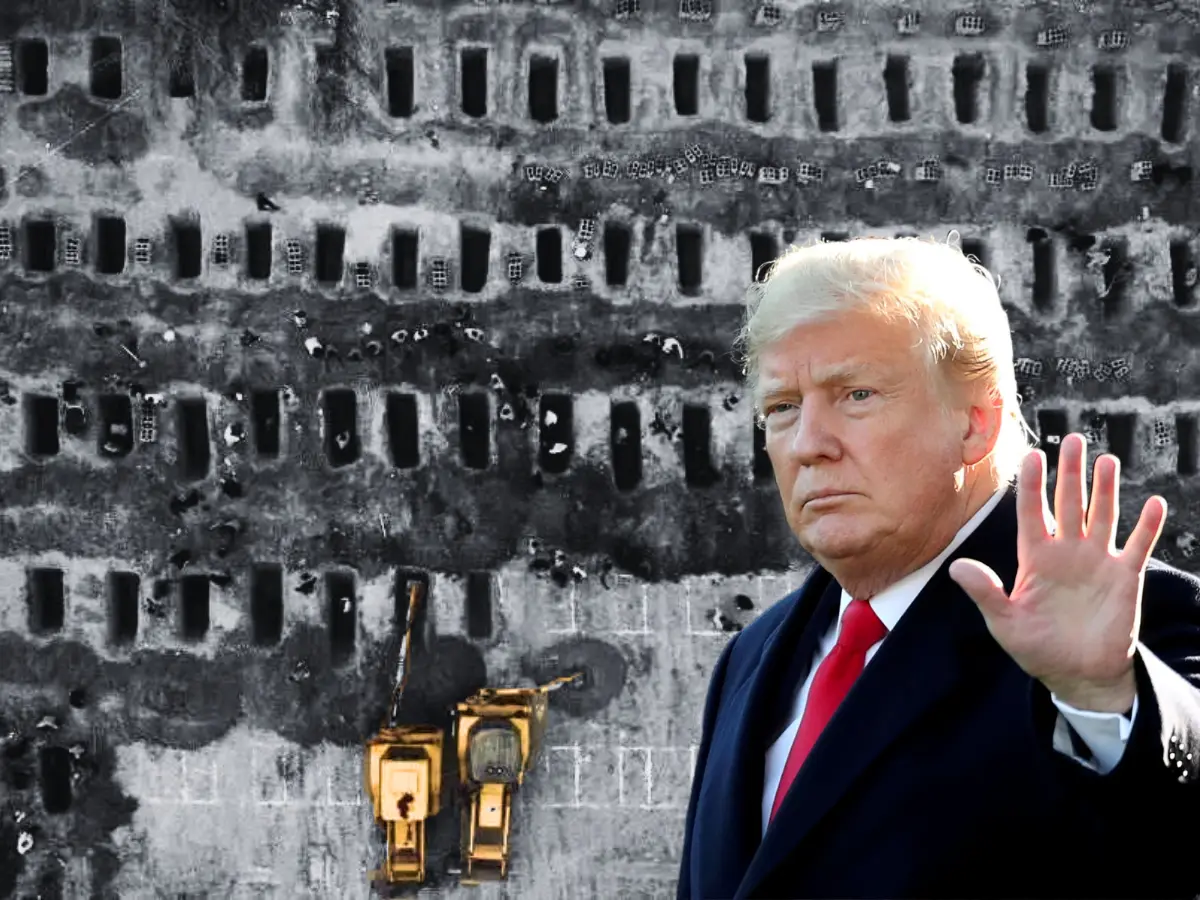)
The Verdict | When precision fails: US commits war crime in Minab school strike, UN finds
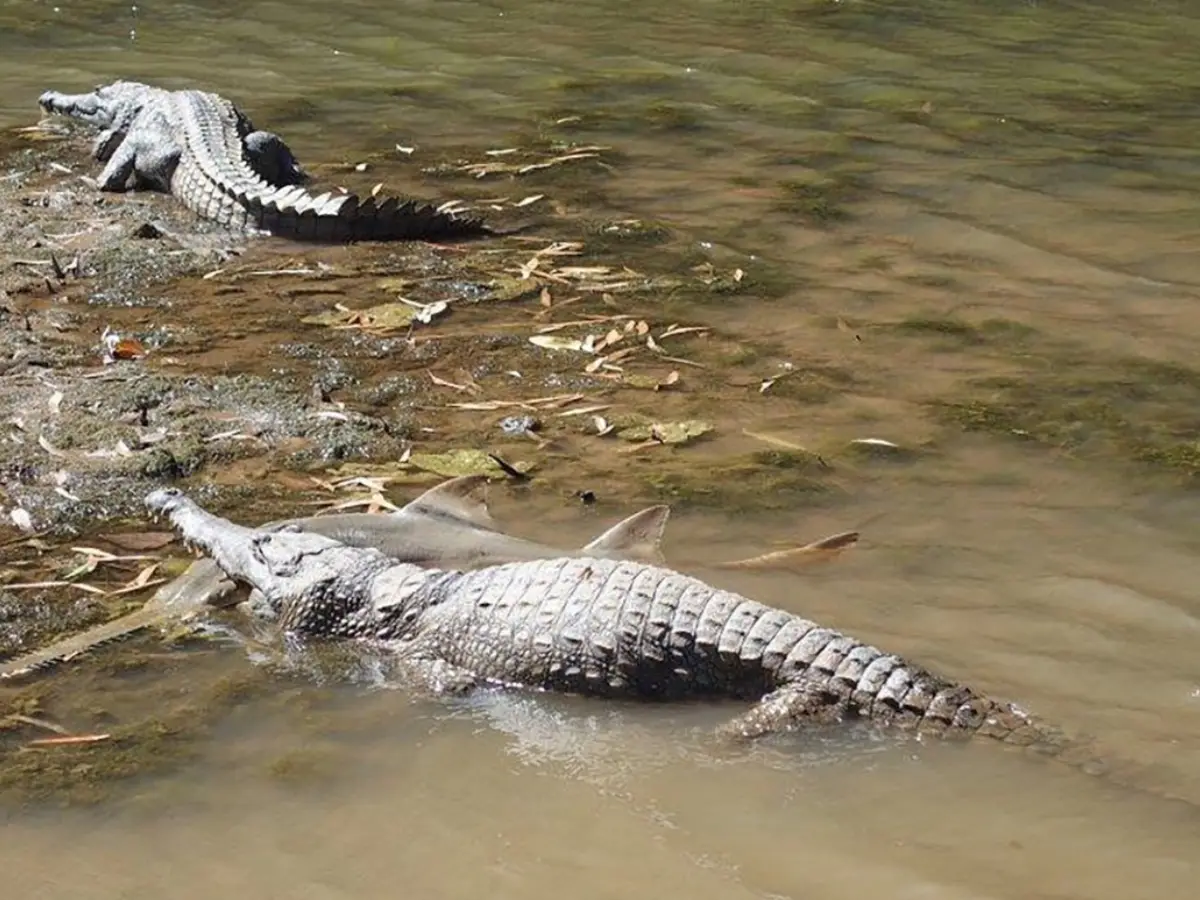)
How did an Australian river with 500 crocodiles pass the Olympic test? Here's how
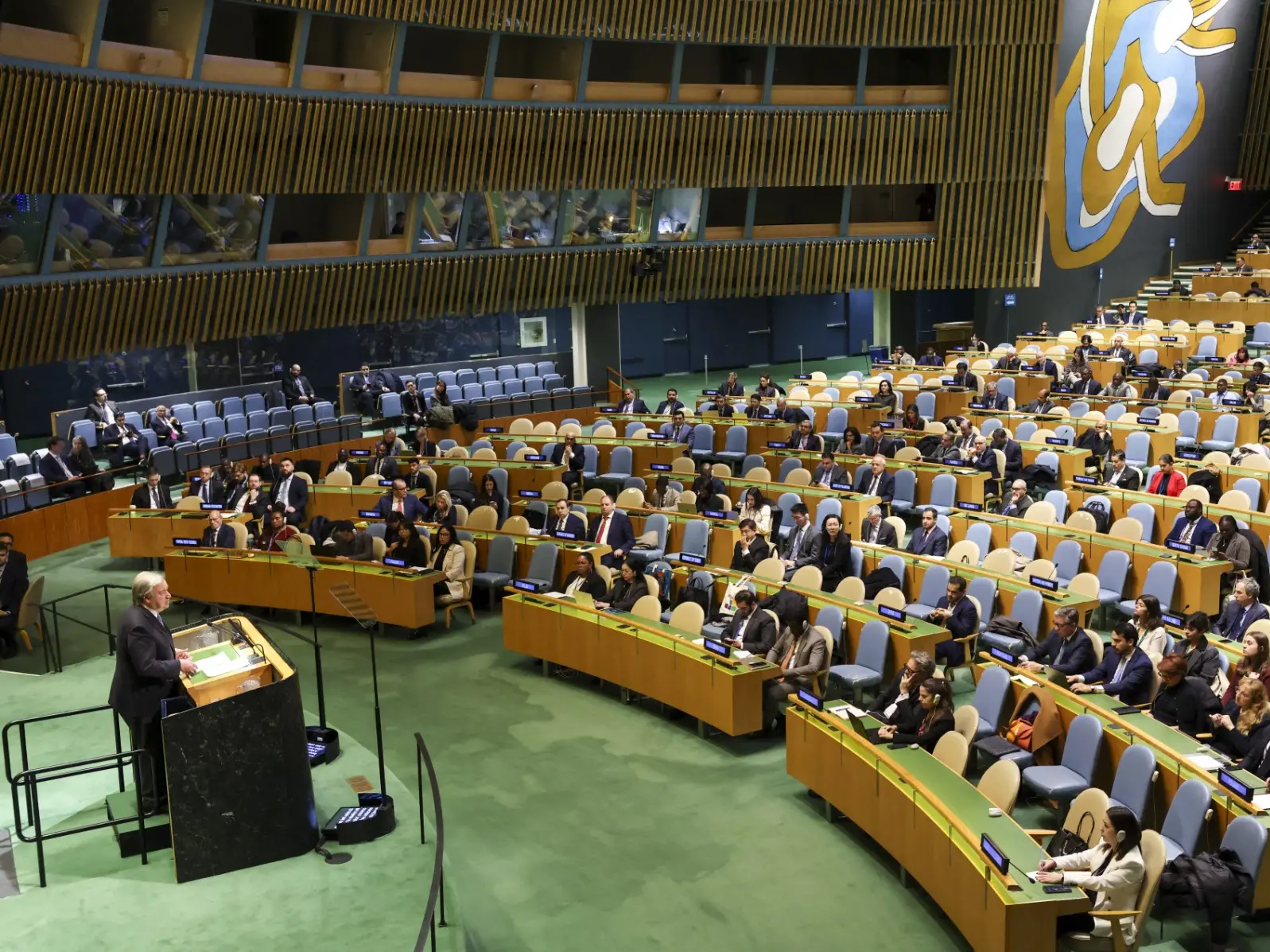)
UNGA 2026 theme explained: What does ‘Restoring trust, managing transformation: A United Nations that delivers for all’ mean?
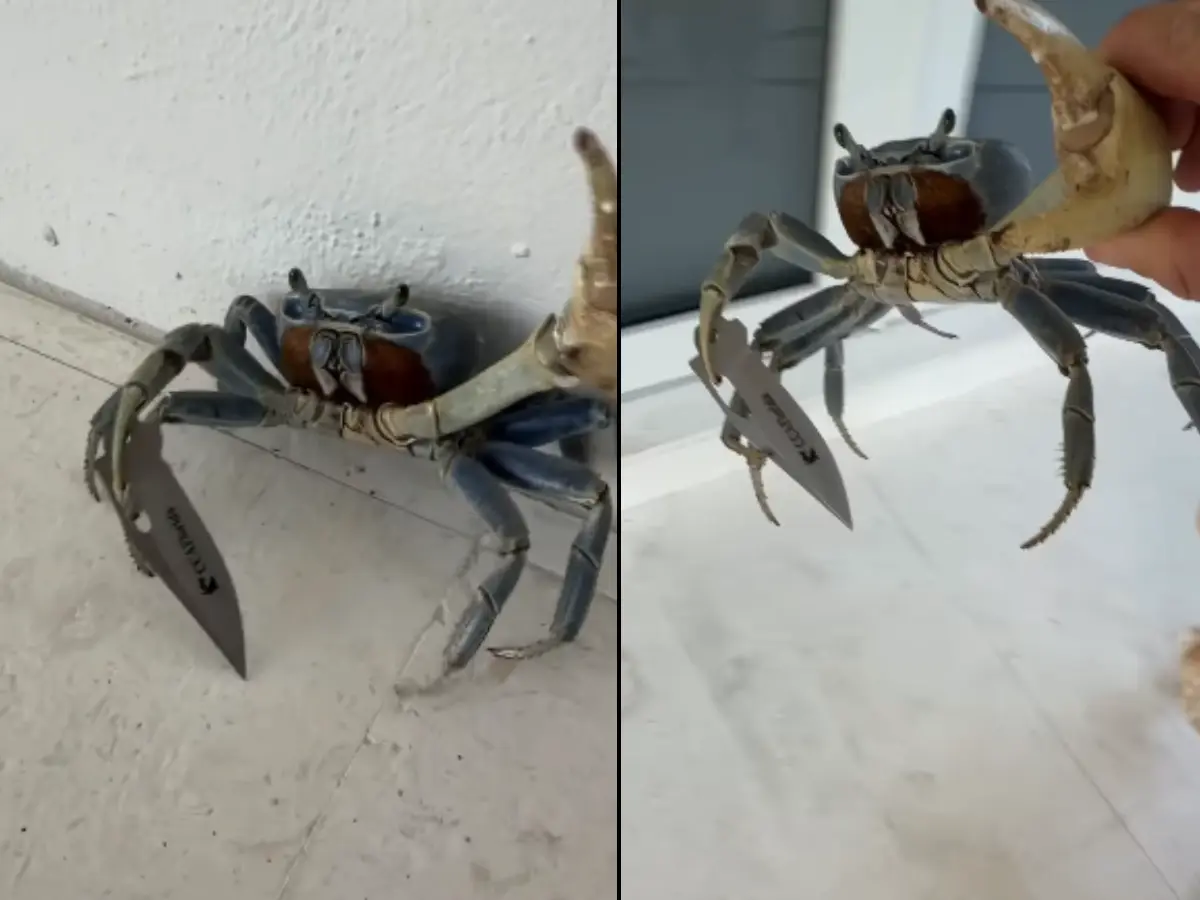)
'Gangsta' crab shoves knife blade at man and his dog in Florida - Watch
)
US F-16 fighter jet crashes in Michigan during training mission, pilot ejects safely
&im=FitAndFill=(700,400))
New Friday OTT releases (September 18, 2026): Lust Stories 3, You+Me, Best of the Best- 8 new titles coming on Netflix, Prime Video and more
)
Trump 2.0: Dark days ahead for America’s ‘imperial presidency’
&im=FitAndFill=(700,400))
Meet top 5 Indian batters with fastest T20I centuries
)
‘Will go to any extent’: Pakistan vows to defend Saudi Arabia amid Houthi attacks
)
India seeks to build a full semiconductor supply chain
)
Laura Wolvaardt sets new world record for most WT20I runs in a year
)
'He will always be ahead': India coach Gambhir says Sooryavanshi won't walk into team ahead of Samson
)
Xi-Trump summit may boost military links
)
Former India player Diana Edulji wants Smriti Mandhana to replace Harman as skipper at the earliest
&im=FitAndFill=(700,400))
Which country has the most F-35s outside America?
&im=FitAndFill=(700,400))
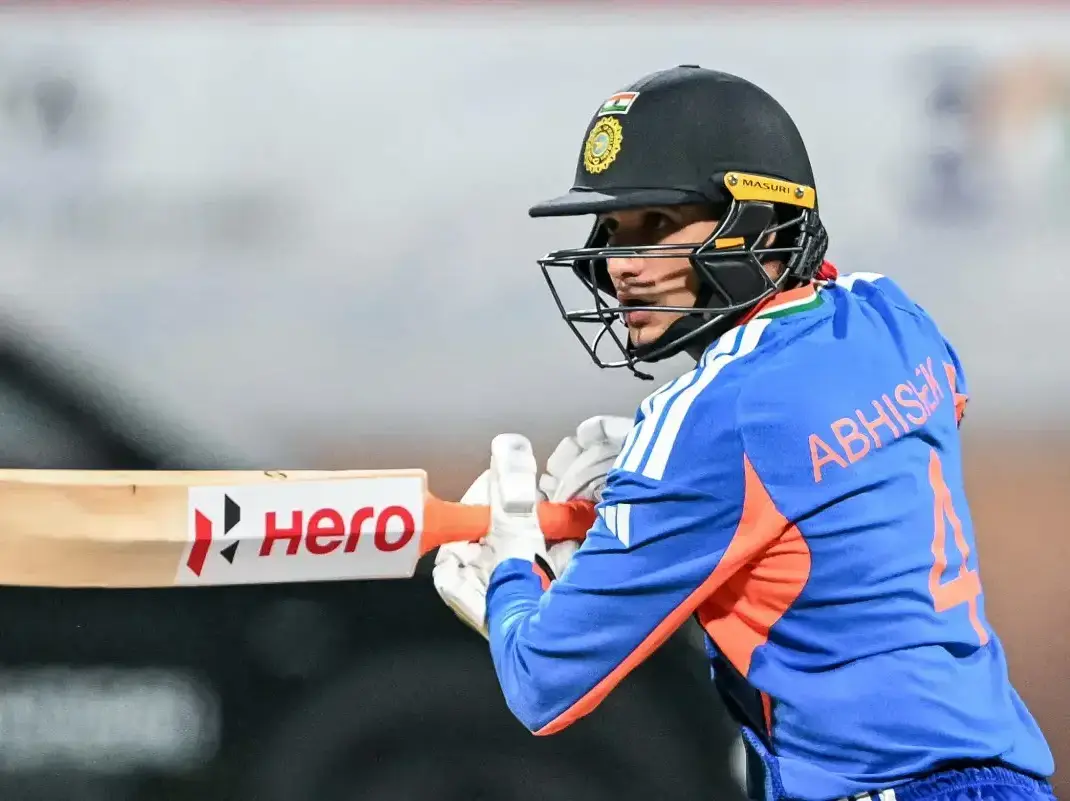
Meet top 5 batters in the latest ICC T20I Rankings
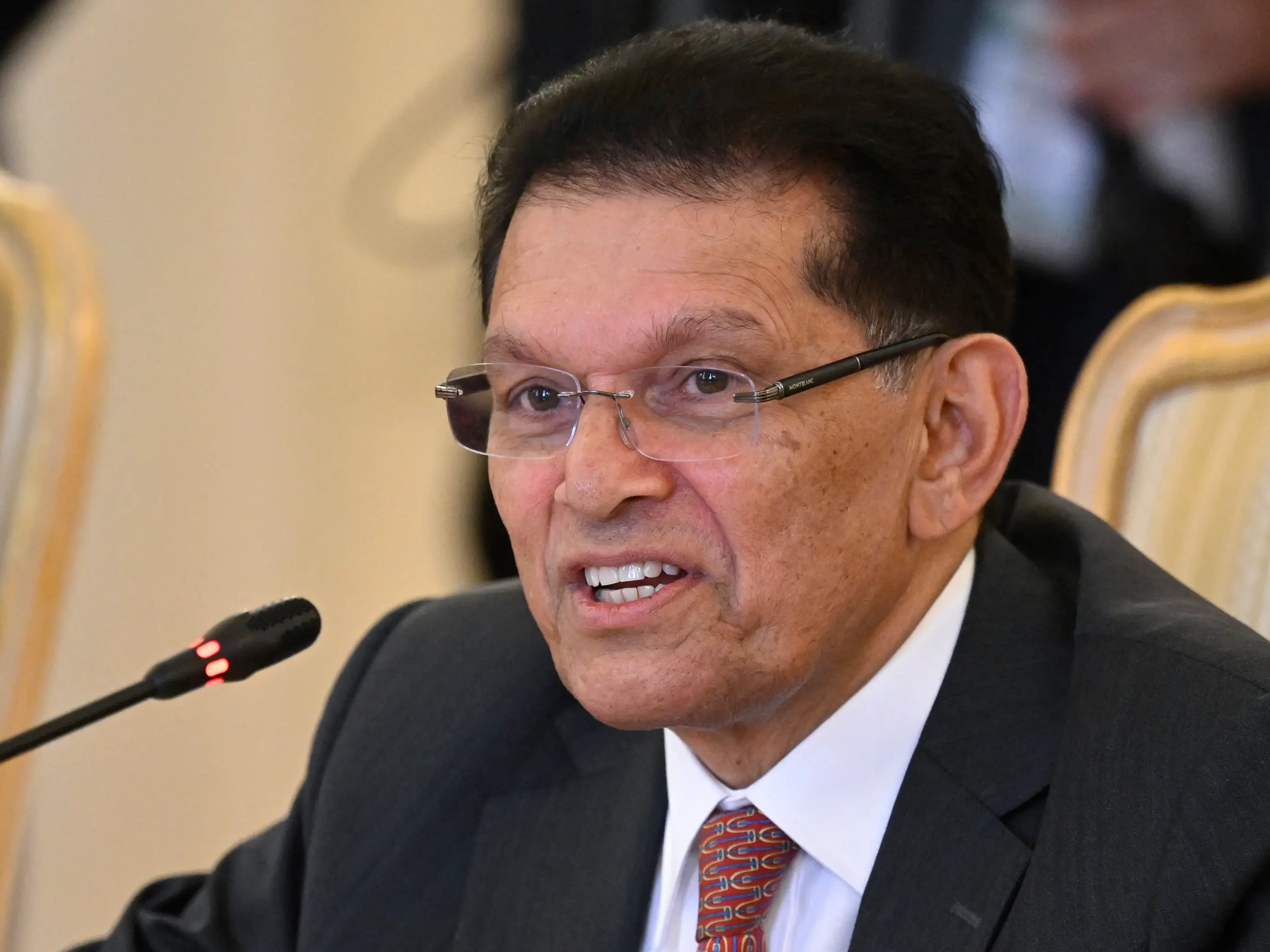)
Who is Khalilur Rahman? All you need to know about 81st UN General Assembly President
)
Godfather of AI Geoffrey Hinton gives US lawmakers a one-year warning on AI
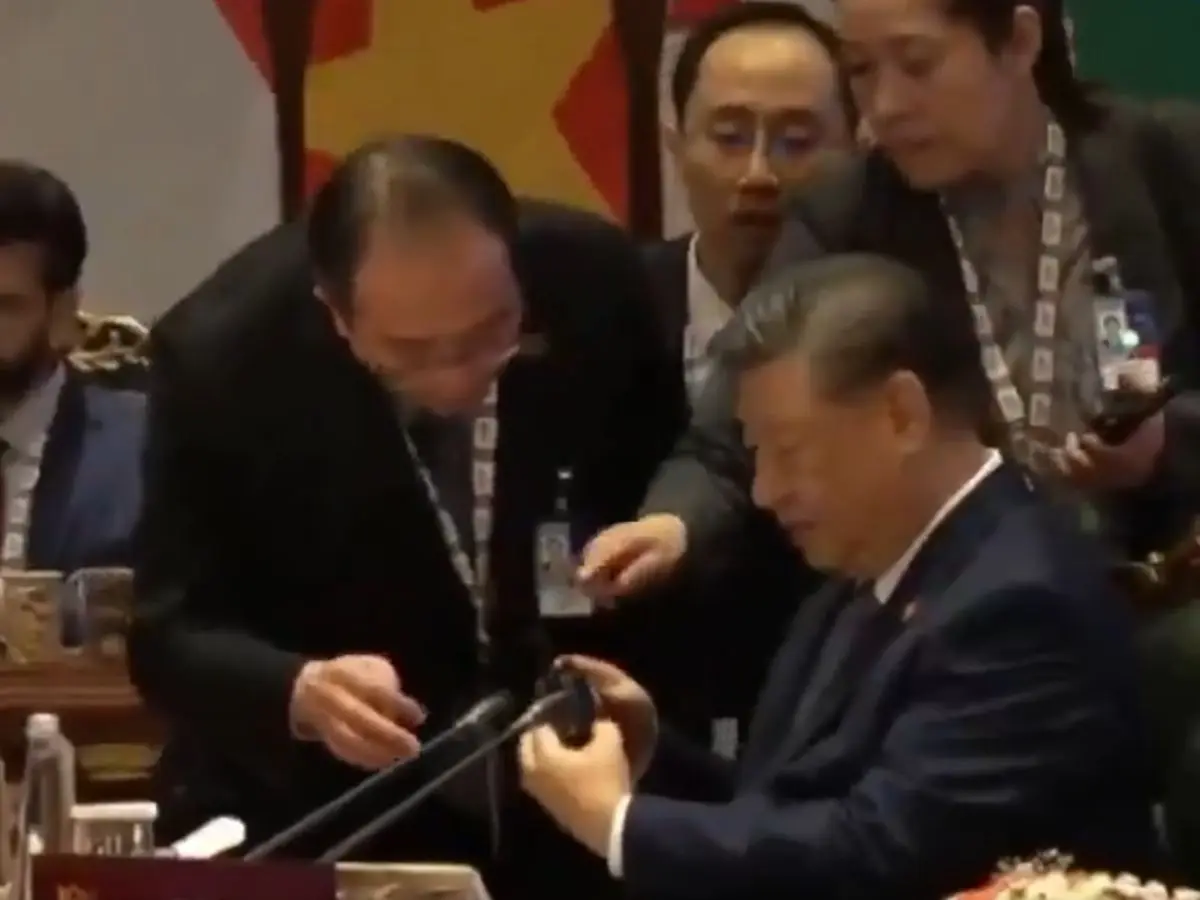)
FACT CHECK: Why did PM Modi ask Xi ‘is it okay’ at BRICS Summit? New video reveals...
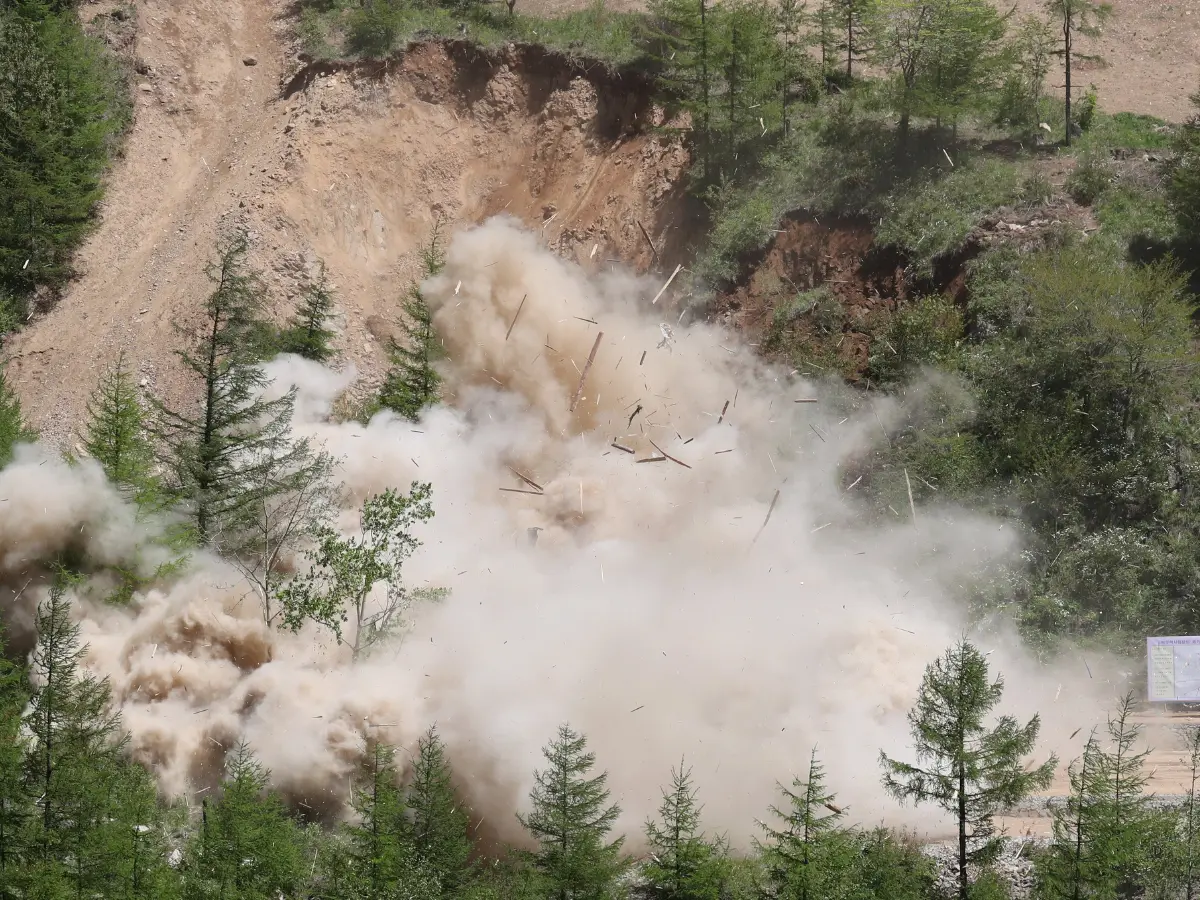)
North Korea's last nuclear test in 2017 set off 1,399 earthquakes over 8 years, each stronger than previous
Under pressure to respond to the high-stakes incident near the strategic Strait of Hormuz, Trump issued orders for retaliatory strikes on a limited number of Iranian targets, the New York Times reported.
The US was planning to hit "a handful of Iranian targets, like radar and missile batteries" Thursday evening, the newspaper said, citing senior administration officials.
"The operation was underway in its early stages when it was called off," one official said. "Planes were in the air and ships were in position, but no missiles had been fired when word came to stand down."
White House and Pentagon officials declined to comment, the Times said, and it was unclear whether Trump had decided to delay retaliatory strikes or cancel them altogether.
The US president had struck a combative tone in his public comments before rowing back.
"Iran made a very big mistake!" he tweeted in response to news Iran had shot down the Global Hawk surveillance aircraft.
"This country will not stand for it, that I can tell you," he said later at the White House.