Iran hunting American troops through their phones amidst rising havoc

&imwidth=600&imheight=450&format=webp&quality=medium "Iran hunting American troops through their phones amidst rising havoc")
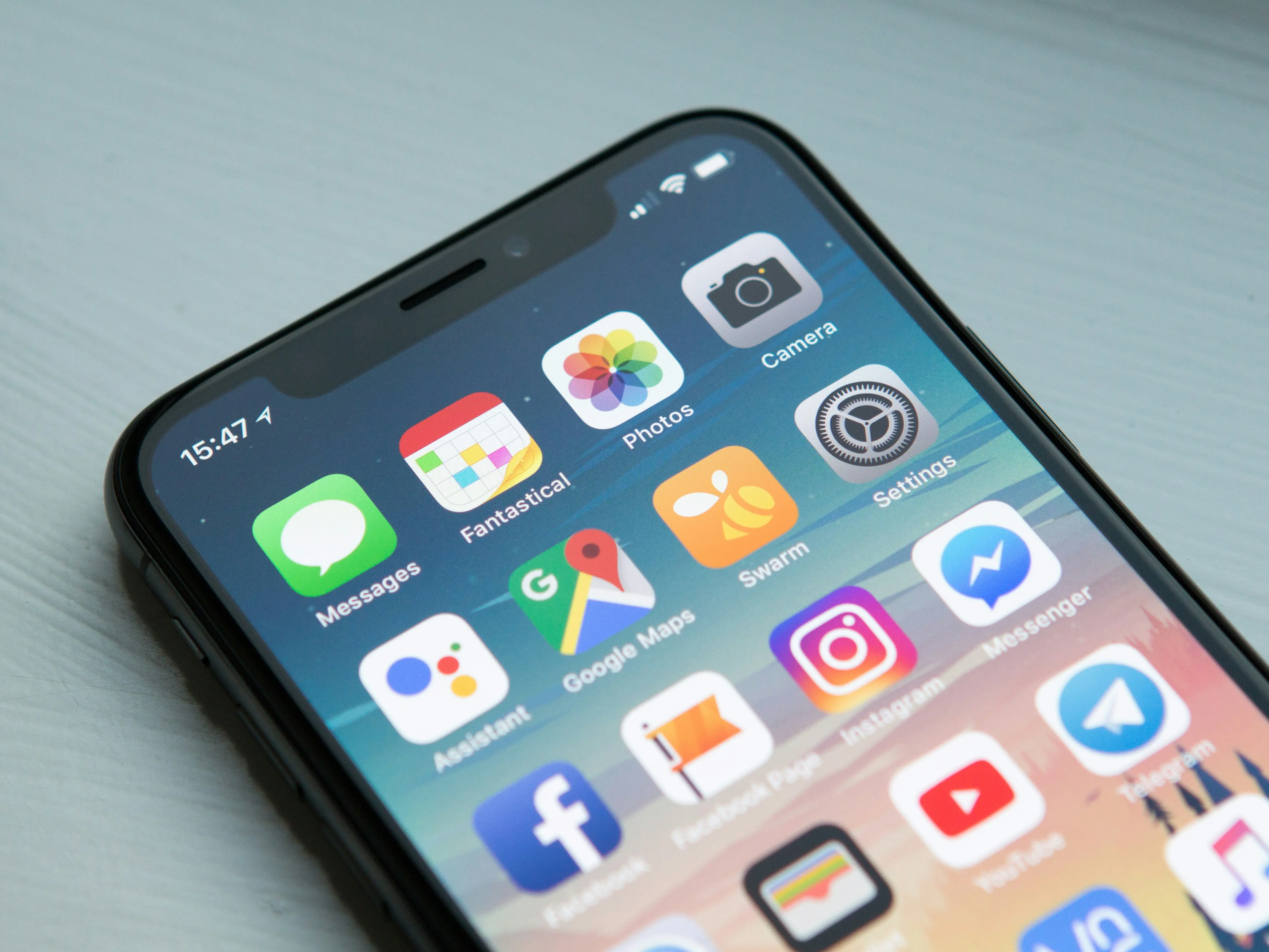
Image for representation only Photograph: (Unsplash)
US-Iran military clashes escalate with mutual strikes and phone-tracking surveillance. Donald Trump threatens infrastructure attacks, leaving experts to question his volatile blockade strategy amid rising regional and global economic instability.
For yet another day in a row, Iran and the United States have exchanged fire. It is a dangerous new phase. But will this become the new normal for West Asia? As far as Donald Trump is concerned, it has been a case of a new day, old threat. He has once again threatened to strike Iran's bridges and power plants next week if Iran does not return to talks.
In a Fox News interview, Trump was asked whether he believes the Iranians are serious about making a deal. According to him, they have no choice.
But is that really the case?
As of now, Iran continues to up the ante, both through high-voltage attacks and sharpened rhetoric. In fact, Iran has reportedly been turning mobile phones into weapons, allegedly hunting US troops through their phones.
According to a report in the Financial Times, telecom data, cybersecurity experts, and officials familiar with the matter indicate that US military personnel and contractors in the region were targeted through a coordinated phone-tracking campaign before and during the conflict.
The report says they appear to have exploited weaknesses in mobile phone roaming systems using something called SS7 pings, which can reveal the approximate location of phones connected to foreign networks.
Trending Stories
&imwidth=280&imheight=210&format=webp&quality=medium)
&imwidth=280&imheight=210&format=webp&quality=medium)
&imwidth=280&imheight=210&format=webp&quality=medium)
&imwidth=280&imheight=210&format=webp&quality=medium)
&imwidth=280&imheight=210&format=webp&quality=medium)
&imwidth=280&imheight=210&format=webp&quality=medium)
&imwidth=280&imheight=210&format=webp&quality=medium)
&imwidth=280&imheight=210&format=webp&quality=medium)
&imwidth=280&imheight=210&format=webp&quality=medium)
&imwidth=280&imheight=210&format=webp&quality=medium)
&imwidth=280&imheight=210&format=webp&quality=medium)
&imwidth=280&imheight=210&format=webp&quality=medium)
&imwidth=280&imheight=210&format=webp&quality=medium)
&imwidth=280&imheight=210&format=webp&quality=medium)
&imwidth=280&imheight=210&format=webp&quality=medium)
&imwidth=280&imheight=210&format=webp&quality=medium)
&imwidth=280&imheight=210&format=webp&quality=medium)
&imwidth=280&imheight=210&format=webp&quality=medium)
&imwidth=280&imheight=210&format=webp&quality=medium)
&imwidth=280&imheight=210&format=webp&quality=medium)
&im=FitAndFill=(700,400)&imwidth=280&imheight=210&format=webp&quality=medium)
&imwidth=280&imheight=210&format=webp&quality=medium)
&imwidth=280&imheight=210&format=webp&quality=medium)
&imwidth=280&imheight=210&format=webp&quality=medium)
&imwidth=280&imheight=210&format=webp&quality=medium)
&imwidth=280&imheight=210&format=webp&quality=medium)
&imwidth=280&imheight=210&format=webp&quality=medium)
&imwidth=280&imheight=210&format=webp&quality=medium)
&imwidth=280&imheight=210&format=webp&quality=medium)
&imwidth=280&imheight=210&format=webp&quality=medium)
&imwidth=280&imheight=210&format=webp&quality=medium)
&imwidth=280&imheight=210&format=webp&quality=medium)
&imwidth=280&imheight=210&format=webp&quality=medium)
&im=FitAndFill=(700,400)&imwidth=280&imheight=210&format=webp&quality=medium)
&imwidth=280&imheight=210&format=webp&quality=medium)
Investigators also believe commercially available smartphone advertising data may have been used to identify the locations of certain devices.
Who is suspected of carrying this out?
Officials in Gulf countries reportedly suspect Iran or groups allied with it.
The tracking attempts reportedly began in the period leading up to the U.S.-Israeli military operation against Iran in late February and continued during the early days of the war, when Iran launched missile and drone attacks against U.S. forces and military sites across the region.
Experts have reportedly said it is too early to directly connect the surveillance to individual missile or drone strikes. They also noted that military targeting typically relies on multiple intelligence sources, not just digital location data.
U.S. Central Command also said it had received several threat reports about adversaries exploiting commercial location data but added that it took extensive protective measures.
A U.S. official said claims that phone tracking played a significant role in the attacks were "a departure from the facts."
And there's the thing.
A 2024 Pentagon Inspector General review reportedly had already found that the military had not fully addressed smartphone-related security vulnerabilities.
Former intelligence officials also said smartphones generate large amounts of location and usage data that can reveal a person's movements even if the phone itself is never hacked, especially when personnel carry personal devices alongside secure government phones.
Meanwhile, the region continues to witness high-intensity attacks.
Iran's Revolutionary Guards said they struck facilities used by the U.S. Fifth Fleet in Bahrain, according to state television, after U.S. strikes on Iranian territory.
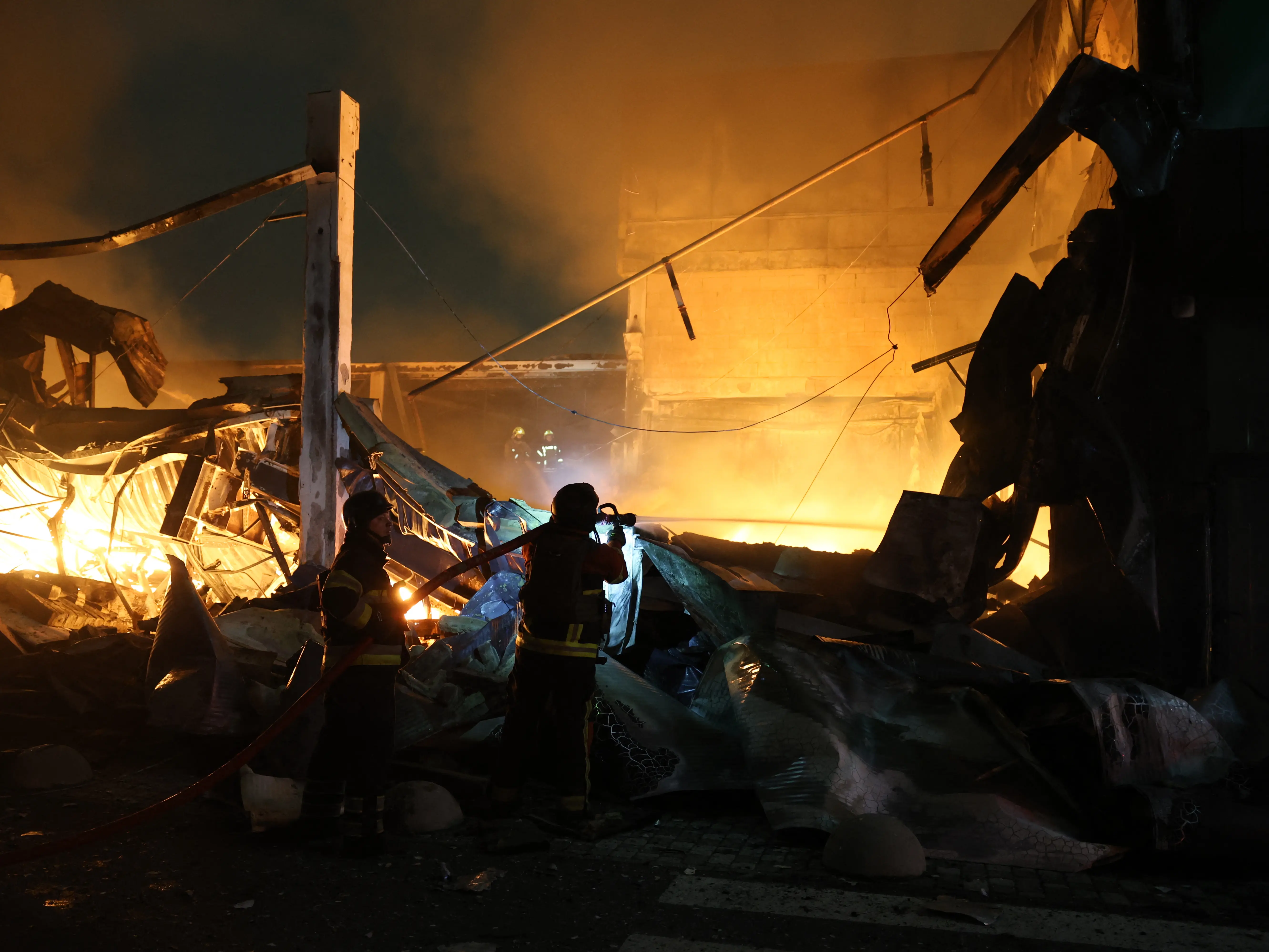
Iran struck a critical facility in Kuwait on Wednesday, causing multiple "massive" explosions and starting a fire.
Eyewitness video released earlier showed the moment a drone hit a warehouse in the port town of Al Shuaiba in Kuwait.
Iran has also threatened to halt all Middle East energy exports after the U.S. blockade.
With drones striking Jordan and other parts of the region, the attacks have continued, along with sharpened rhetoric.
As far as Trump is concerned, it has been a new day, old threat. He has once again threatened to strike Iran's bridges and power plants next week if Iran does not return to talks.
But what really is Trump's strategy?
Remember, Trump earlier reversed a threat of a 20% fee on all Strait of Hormuz cargo shipping but resumed blockading Iranian ports.
The U.S. has threatened to reopen the strait by force.
But here's the thing.
Is that even possible?
Experts have reportedly assessed and pointed out that doing so would require a much bigger armada, if not tens of thousands of American troops on Iranian soil.
If there is one thing that Trump seems to have excelled in, it is the art of taking U-turns.
After threatening to intensify attacks against Iran, will he make yet another U-turn?
Or is this going to be yet another endless conflict for America?
What really is Trump's strategy? And what will Iran's next move be?
The region is on tenterhooks, and the global economy cannot afford more uncertainty.