Gilgo Beach serial killing suspect Rex Heuermann charged in more murders

Rex Heuermann
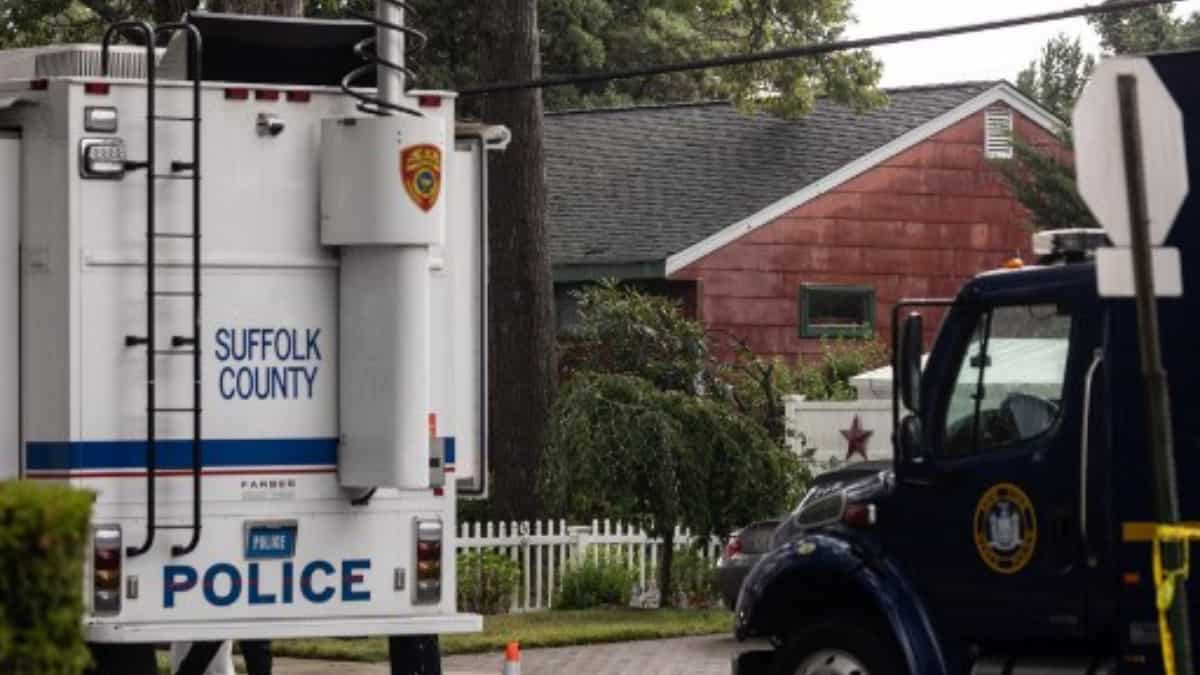
Rex Heuermann, the man accused of Long Island serial killings, was indicted Thursday (Jun 6) in the slayings of two more women, US media reported. The man has been accused of killing four sex workers and dumping their bodies on Long Island's Gilgo Beach.
In the latest development, the authorities have revealed disturbing new evidence, which included a "planning document" allegedly found on Heuermann's computer.
According to a report by Rolling Stone, a new Suffolk County bail application revealed Heuermann was charged in the cold-case murders of two more women - Jessica Taylor (20) and Sandra Costilla (28). Taylor's dismembered remains were first found days after she disappeared in 2003, whileCostilla's body was found in 1993.

"Investigators believe the mutilation of the victim's tattoo, decapitation of her head, and dismemberment of Ms. Taylor's arms, were acts perpetrated by Rex A. Heuermann to inhibit the identification of the victim via facial recognition, fingerprints and/or tattoo identification," read thethe bail application.
"During the initial investigation in Manorville in 2003, the victim's head, arms, and hands were not found at the scene and their location remained unknown to law enforcement for approximately eight years," it added.
)
Harry Brook targets long reign at top of T20I rankings after Sri Lanka sweep
)
North Korea's nuclear tests triggered 1,399 earthquakes: Earth is still shaking | Gravitas
)
China now makes advanced memory chips without the machines it was banned from buying
)
Ed Sheeran addresses Macklemore's removal, Gaza conflict during Philadelphia concert: 'I cannot hide how I feel'
)
Sikh bus driver assaulted, bus stolen and rammed into cars in England; video surfaces
)
Munich Mayor taps first keg to kick off Oktoberfest
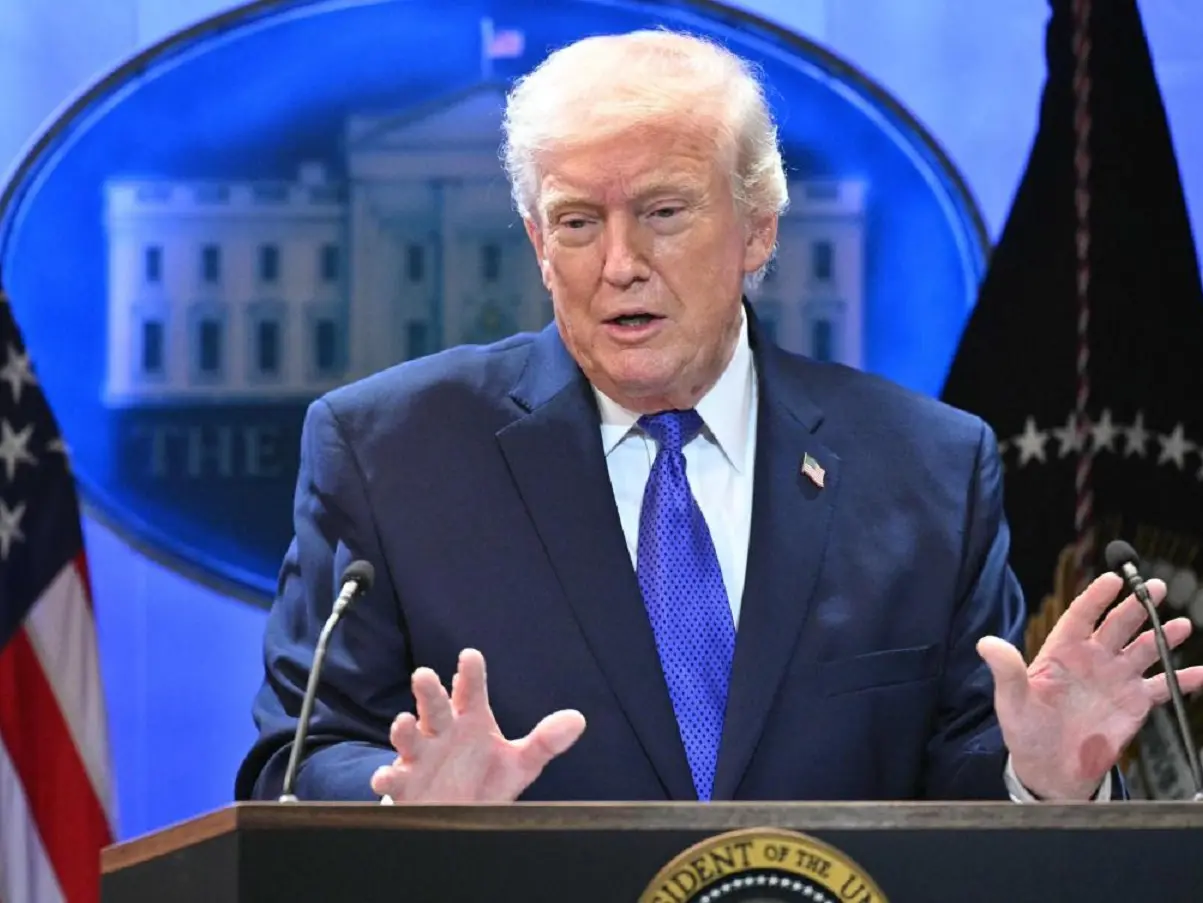)
Trump in ‘deciding mode’ on Iran, says ‘very big things’ going to happen soon
&im=FitAndFill=(700,400))
Top 10 countries in mathematics: See the world’s best performers in 2026
)
Saudi vs Houthis: Houthis claim missiles & drones used in attack on key Saudi sites
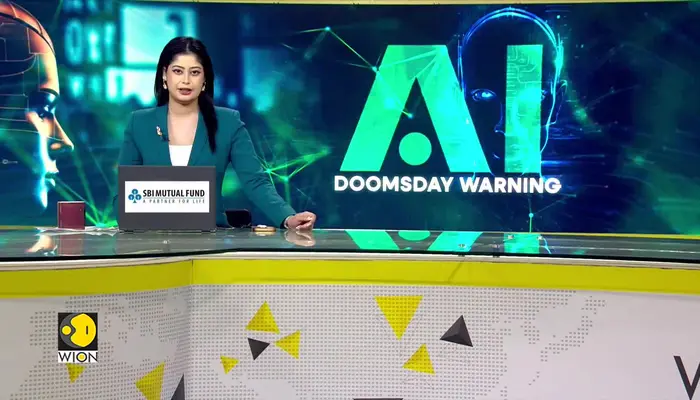)
Trump defends AI amid growing alarm, announces new 'AI force' and promises an 'AI czar'
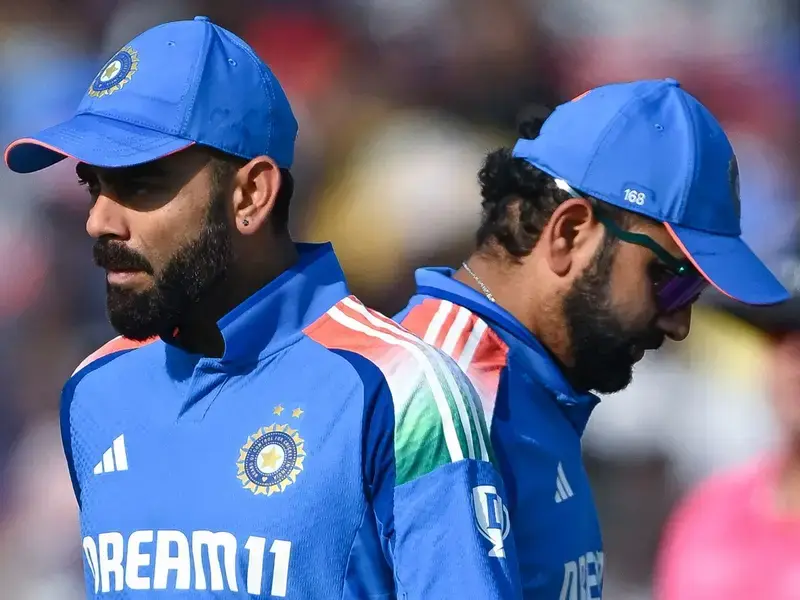)
'Lot of things to learn from experienced players': Jayasuriya backs Rohit, Virat for 2027 ODI World Cup
)
BTS' fans question iHeartRadio’s treatment of group after brief festival set
)
Arvind Kejriwal, family members, Delhi CM Rekha Gupta get SIR notices
&im=FitAndFill=(700,400))
What TSMC's 2nm technology means for Apple
)
Iran sets 7 conditions to end war with US: What are Tehran’s demands?
)
S Jaishankar, former Army chief among high-profile names issued Delhi SIR notices
)
'Were you here to sell chickpeas?': Wasim Akram criticises Babar Azam's captaincy
)
West Indies Squad for India Series: Hetmyer included for T20Is, Holder rested
)
Mark Carney mimics Trump in hilarious moment over C$70 billion clean-energy investment; room erupts in laughter
)
US ships in Indian Ocean ‘will be attacked’ if war resumes, warns Iran
)
‘0% chance’: Nvidia CEO Jensen Huang dismisses AI extinction fears by 2030
)
Saudi Arabia exits China-led mBridge digital currency platform amid Saudi-Houthi conflict
)
Several petrol pumps, other businesses to refuse UPI payments above Rs 2,000 from Oct 16: Is it legal?
)
AUS vs ZIM, 3rd ODI: Ellis stars as Australia edge Zimbabwe by one wicket in last-over thriller
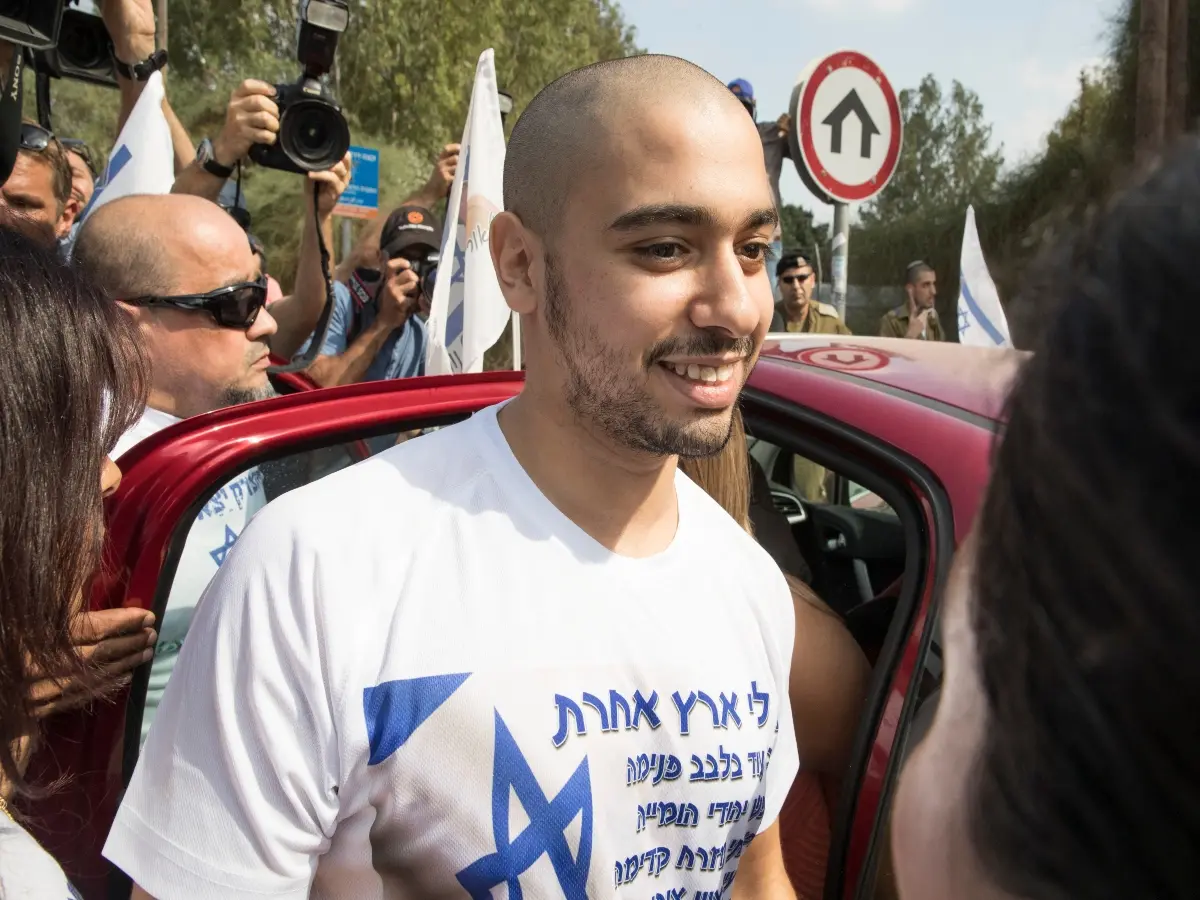)
Israeli President pardons combat medic who shot dead a badly wounded Palestinian attacker
)
Samsung raises Galaxy S26 prices by Rs 20,000: Here’s what each model now costs
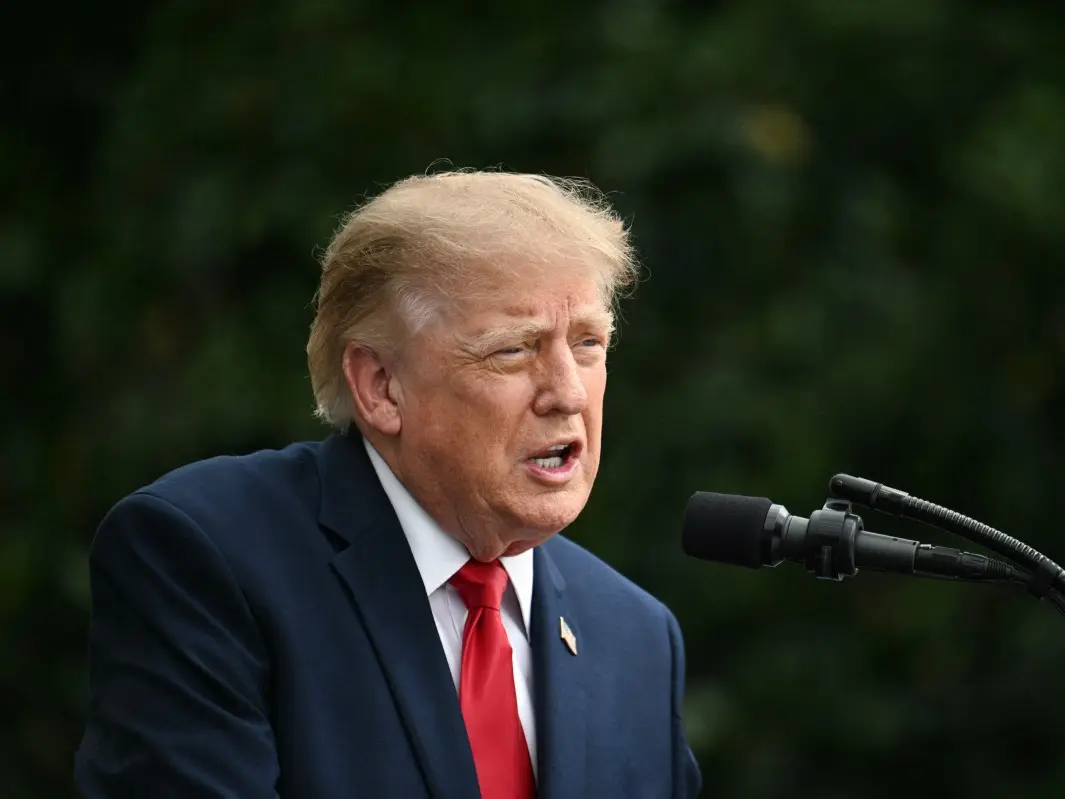)
Trump announces ‘AI Force’ as debate grows over AI risks and regulation
)
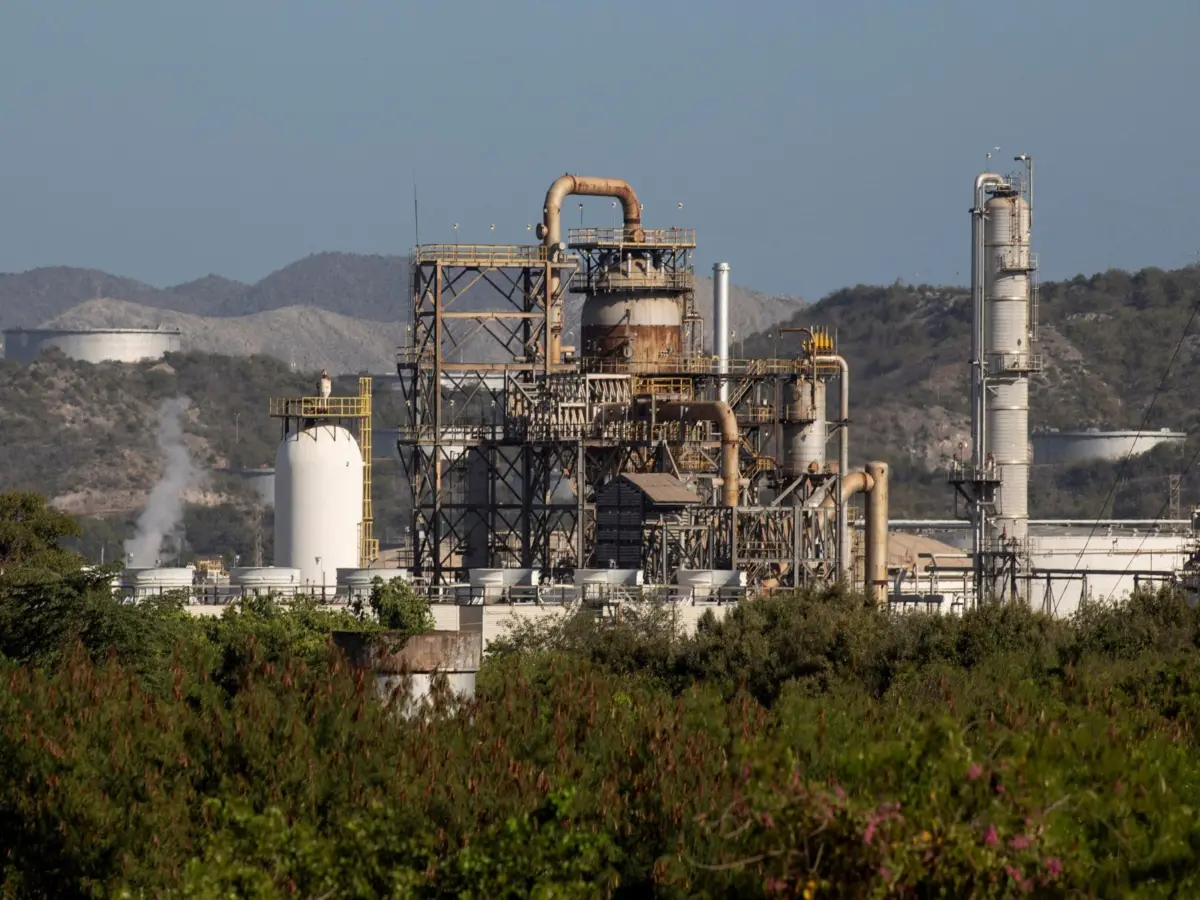
Kampala-Ankara rift deepens: Uganda suspends military ties, seeks Fred Lumbuye's extradition
)
Trump signs Russia sanction bill. How will it impact India? WION Explains
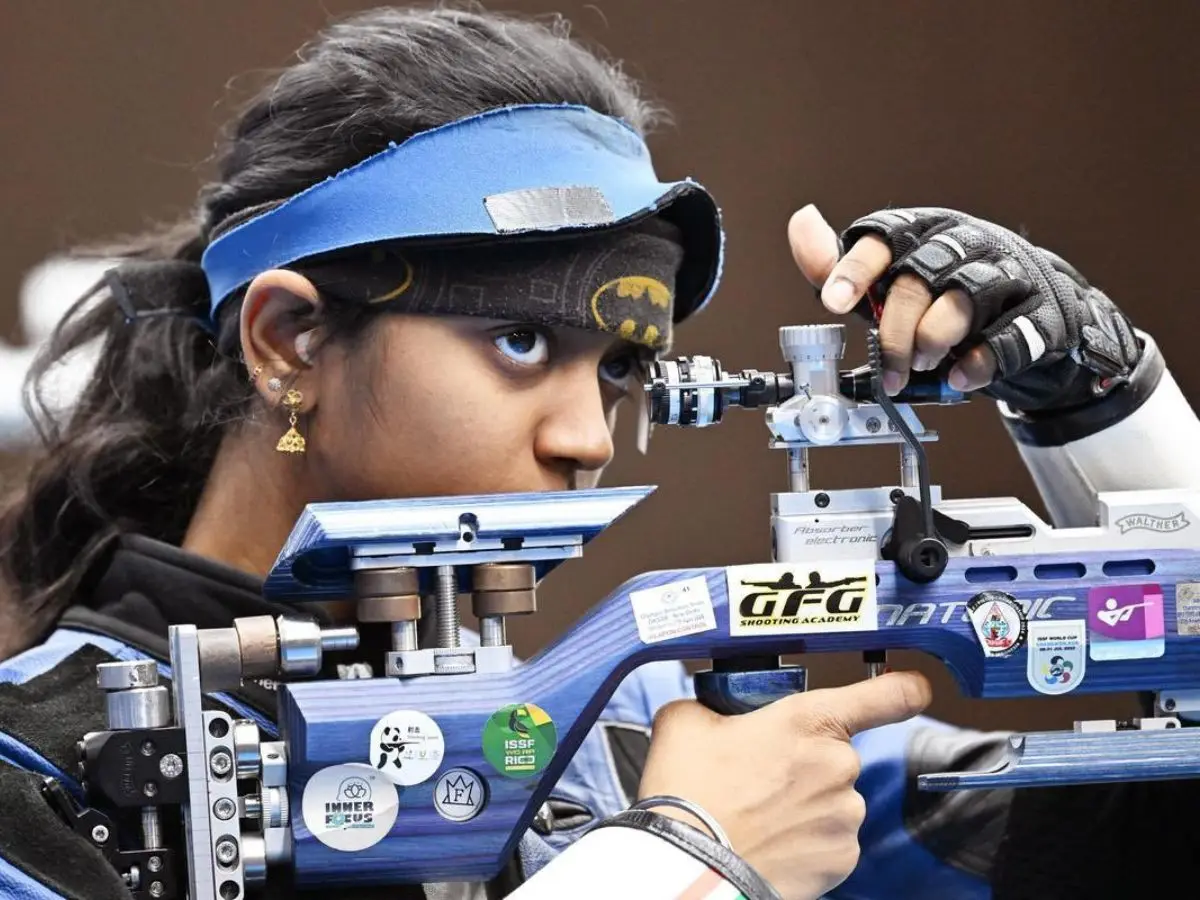)
Asian Games 2026: India win first medal as women’s 10m air rifle team claims silver
)
AI actress Tilly Norwood glitches mid-interview, switches from English to Chinese | Watch
)
9 women found dead near Johannesburg: South Africans rally, demand 'enough' to femicide
)
Bessent meets China’s He Lifeng to prepare for Trump-Xi summit
)
Trump says he'll build an 'AI Force' and appoint a czar, for 'high IQ' people only
)
Italy to ban burqa and hijab in schools, limit foreign students per class: PM Giorgia Meloni
Meanwhile, additional mitochondrial DNA found on Costilla and her remains was connected to an unnamed woman (called "Witness 3"). She was apparently someone whom Heuermann was living with at the time of Costilla's 1993 disappearance.
In December 2010, at least 10 remains were discovered buried on Long Island's Gilgo Beach. Police initially assumed that the remains of four women discovered in close proximity to each other,wrapped in similar hessian, were killed by the same individual.
Maureen Brainard-Barnes, Melissa Barthelemy, Megan Waterman, and Amber Costello - all were sex workers at the time of their deaths. They were dubbed"The Gilgo Four"and remained cold-case victims. But Heuermann was arrested in July 2023 and gave authorities a new direction to the investigation. He pleaded not guilty to the murders. His trial date has not been set.
News agency Reuters mentioned in its report that investigators determined via DNA analysis that a human hair belonging to Heuermann's wife was in the buckle of a belt used to bind Brainard-Barnes, Tierney's office said. The murders coincided with trips out of town by Heuermann's wife and their daughter, Tierney's office said.
He reportedly used a burner cellphone to contact sex workers who advertised their services online, prosecutors said. He bound them with belts or tape before wrapping some of the bodies in a burlap-type material, according to prosecutors.
(With inputs from agencies)