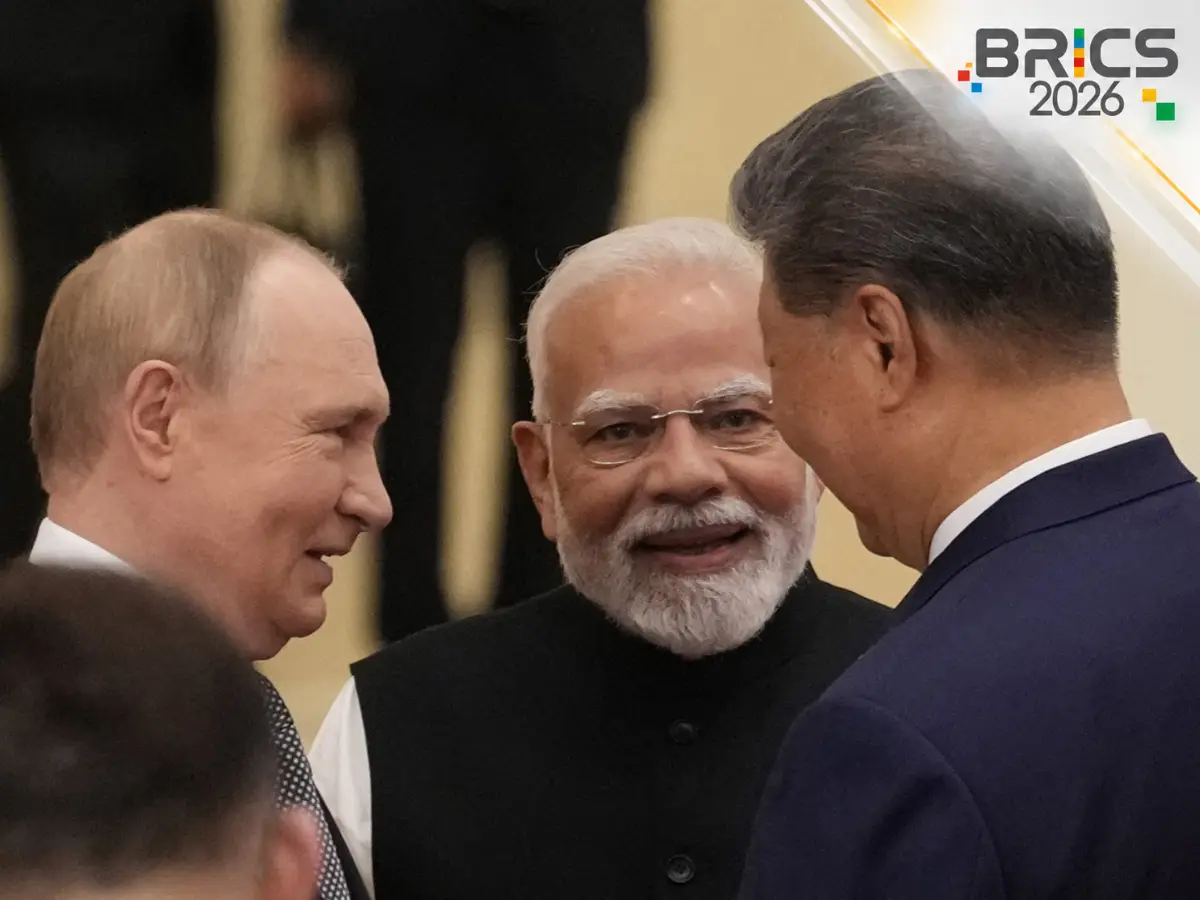
Energy and food security: Biggest combined population and GDP, and the two big challenges for BRICS

&imwidth=600&imheight=450&format=webp&quality=medium "Energy and food security: Biggest combined population and GDP, and the two big challenges for BRICS")
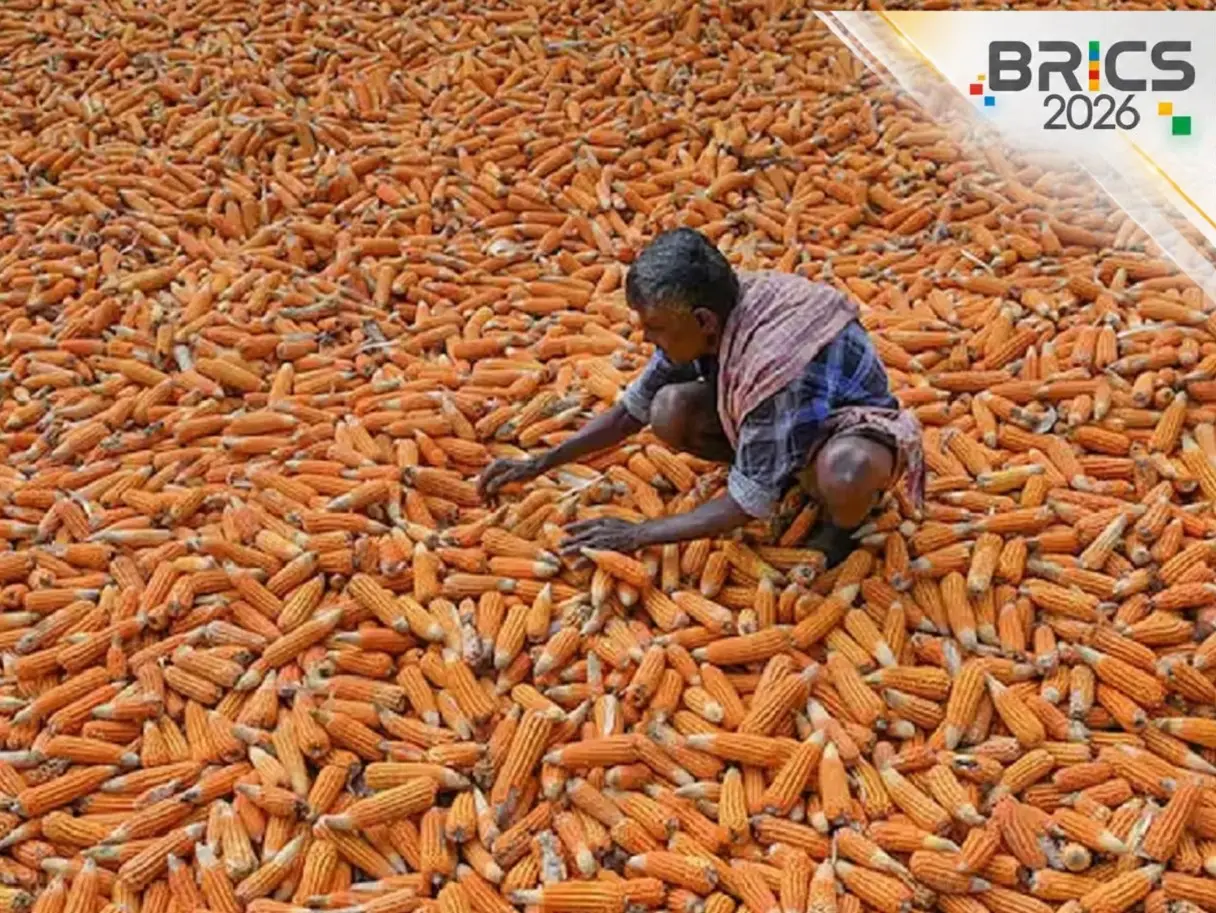
An ethanol-driven ‘corn rush’ is nudging farmers away from soybeans and pulses. Photograph: (AFP)
Cooperation in agricultural technology, fertilisers, irrigation, grain reserves, logistics and trade mechanisms could make member countries more resilient to global shocks. As climate pressures intensify, sharing technologies for drought-resistant crops and efficient water use becomes vital.
The growth of BRICS as a promising and impactful grouping reflects one of the biggest recent transformations in the global order. With its expanded membership, BRICS now represents a substantial share of the world’s population, economic output, natural resources and agricultural capacity. However, this enormous scale also exposes BRICS to two interconnected challenges that could shape its future: energy security and food security.
Energy is the foundational requirement of modern economic development, and several BRICS nations are among the world’s largest producers of oil, natural gas, coal and other energy resources, while others are major energy consumers and rapidly growing economies.
The group possesses enormous energy resources, but these resources are unevenly distributed. Countries that import energy are exposed to price fluctuations and supply disruptions and are affected by geopolitical tensions and instability in global markets.
The energy crisis is therefore more about creating a more secure, affordable and diversified energy system. The BRICS member countries thus have an opportunity to strengthen long-term energy security through greater cooperation in oil and gas, electricity, nuclear power, renewable energy, critical minerals, and energy infrastructure.
In this situation, expanding renewable energy and improving energy efficiency could reduce dependence on volatile fossil-fuel markets while supporting industrial growth.
Food security also presents an equally serious challenge. BRICS has some of the world’s most important agricultural producers as well as nations with large and rapidly growing populations. Climate and climate change, water shortage, extreme weather, soil degradation, fertiliser costs and disruptions to supply chains can threaten food production and raise prices.
Trending Stories
&im=FitAndFill=(700,400)&imwidth=280&imheight=210&format=webp&quality=medium)
&imwidth=280&imheight=210&format=webp&quality=medium)
&imwidth=280&imheight=210&format=webp&quality=medium)
&imwidth=280&imheight=210&format=webp&quality=medium)
&imwidth=280&imheight=210&format=webp&quality=medium)
&imwidth=280&imheight=210&format=webp&quality=medium)
&imwidth=280&imheight=210&format=webp&quality=medium)
&im=FitAndFill=(700,400)&imwidth=280&imheight=210&format=webp&quality=medium)
&imwidth=280&imheight=210&format=webp&quality=medium)
&imwidth=280&imheight=210&format=webp&quality=medium)
&imwidth=280&imheight=210&format=webp&quality=medium)
&imwidth=280&imheight=210&format=webp&quality=medium)
&imwidth=280&imheight=210&format=webp&quality=medium)
&imwidth=280&imheight=210&format=webp&quality=medium)
&imwidth=280&imheight=210&format=webp&quality=medium)
&imwidth=280&imheight=210&format=webp&quality=medium)
&imwidth=280&imheight=210&format=webp&quality=medium)
&imwidth=280&imheight=210&format=webp&quality=medium)
&imwidth=280&imheight=210&format=webp&quality=medium)
&imwidth=280&imheight=210&format=webp&quality=medium)
&im=FitAndFill=(700,400)&imwidth=280&imheight=210&format=webp&quality=medium)
&imwidth=280&imheight=210&format=webp&quality=medium)
&imwidth=280&imheight=210&format=webp&quality=medium)
&imwidth=280&imheight=210&format=webp&quality=medium)
&imwidth=280&imheight=210&format=webp&quality=medium)
&imwidth=280&imheight=210&format=webp&quality=medium)
&imwidth=280&imheight=210&format=webp&quality=medium)
&imwidth=280&imheight=210&format=webp&quality=medium)
However, collaboration and cooperation in agricultural technology, fertilisers, irrigation, grain reserves, logistics and trade mechanisms could make member countries more resilient to global shocks.
As climate pressures intensify, sharing technologies for drought-resistant crops, precision agriculture and efficient water use become increasingly important.
Besides, energy and food security are deeply connected. Modern agriculture requires energy for irrigation, machinery, refrigeration, transportation and processing, and hence, energy prices influence the cost of producing and transporting food.
Due to the close linking and interdependence, any disruption in one system can therefore quickly spread into the other.
In today’s world, no country can completely eliminate its exposure to global markets and so stronger intra-BRICS trade, diversified supply chains, strategic reserves, investment and greater use of local currencies can help reduce vulnerability to external shocks.
The world's largest emerging economies have the population, resources and economic weight to make a difference. Therefore, if BRICS member nations use their combined strengths effectively, then energy security and food security could become pillars of a more stable multipolar economy. Any lack of this cooperation and collaboration could become major constraints on growth and social stability, thereby enfeebling the BRICS grouping, instead of continuing its growth momentum.